







Search Results for: hot coffee with ice cubes
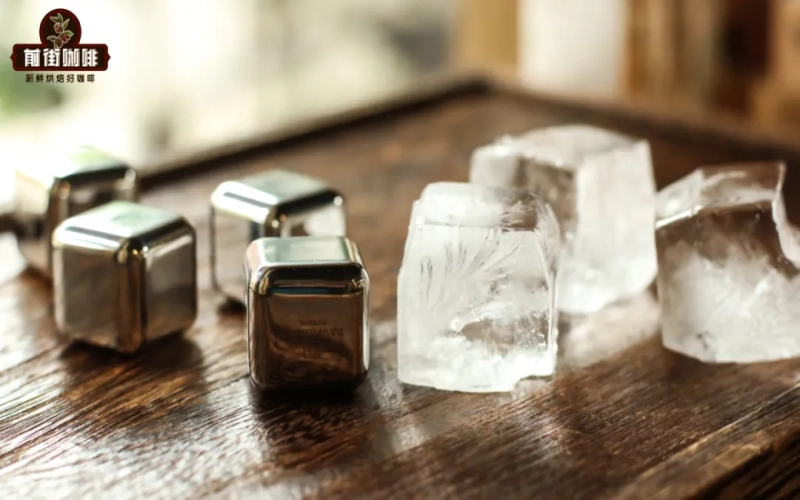
Replacing Regular Ice with Stainless Steel Ice Cubes for Iced Pour-Over? Front Street Tests Cooling Effect and Flavor Differences
On a scorching summer day, you want to drink iced pour-over but worry the flavor will be watered down, so a friend suggests: use stainless steel ice cubes to cool down hot pour-over—wouldn't that give you both full flavor and a refreshing chill? This idea sounds beautiful, but through comparative experiments, Front Street Coffee found that although stainless steel ice cubes can preserve coffee concentration, they fall short of traditional ice cubes in temperature and mouthfeel. This article documents in detail the parameter differences between regular iced brew and the experimental iced brew with stainless steel ice cubes, the actual measured temperature results, and the inherent shortcomings of stainless steel ice cubes—slow cooling and not cold enough—to help you decide whether they are worth using in iced pour-over. [more…]
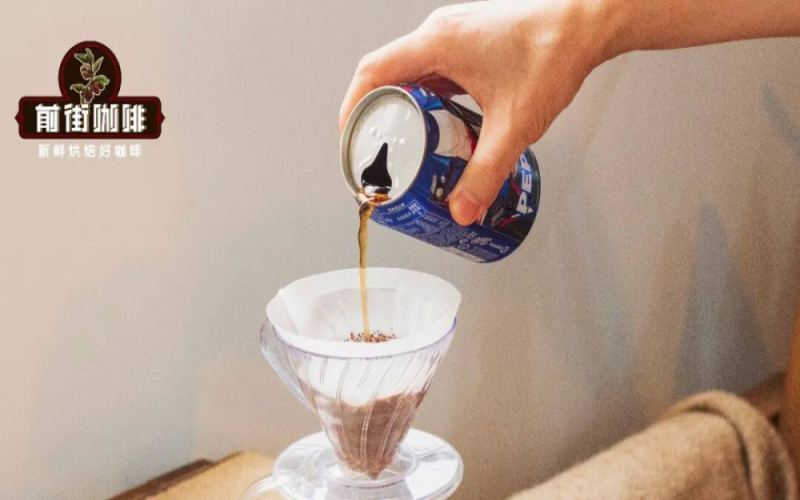
What Happens When You Replace Hot Water with Cola to Brew Coffee? A Hands-On Comparison of Iced Cola Pour-Over vs. Cola Ice Cube Pour-Over
Can cola actually be used to brew coffee? Front Street Coffee, out of curiosity, conducted two rounds of hands-on testing: in the first round, iced cola was used directly instead of hot water to extract Front Street Blackberry Coffee; in the second round, cola was frozen into ice cubes while hot water was still used for brewing, to compare the flavor differences between the two. The results showed that when iced cola was used for direct extraction, the low temperature and abundant bubbles hindered the release of soluble coffee compounds, making the final product taste more like a glass of coffee-flavored iced cola; whereas when cola ice cubes were used instead, the coffee flavors were finally preserved, with raisin, floral, and berry notes clearly emerging, layered with the icy sweetness of soda, making the overall cup refreshing and mellow. This article fully documents the parameters, brewing steps, and flavor observations, and is suitable for coffee enthusiasts who want to try a new method at home. [more…]
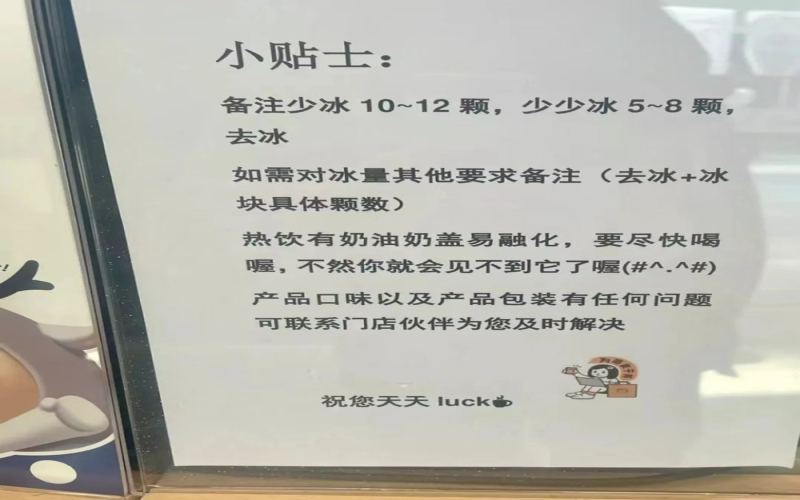
Luckin's ice-amount controversy keeps simmering: office workers pushed to the brink of breakdown by notes telling them to "count the ice cubes"
Luckin's cold drinks do not offer a "no ice" option, and the problem of excessive ice has repeatedly trended on social media. To get a drink that suits their taste, consumers have begun to "report" the exact number of ice cubes in the remarks section, and even make various demands about the shape and temperature of the ice, leaving store employees utterly exhausted. From "less ice, 10–12 cubes" to "two little heart-shaped ice cubes," and even "no ice but with a frosty feel," these bizarre remarks not only reflect consumers' obsession with ice levels but also push Luckin's workers into a dilemma where "whatever they do is wrong." This article compiles a large number of real order remarks, presenting this tug-of-war over ice cubes. [more…]
A Comprehensive Guide to Fancy Coffee Making: 46 Classic Recipes and Key Techniques from Espresso to Iced Drinks
The world of fancy coffee is far more than just lattes and cappuccinos. This article systematically organizes the recipes and preparation techniques for 46 classic fancy coffees, covering two major categories: hot drinks and iced drinks. From the basics of espresso, au lait, and macchiato, to Irish coffee and royal coffee with their hints of liquor, and on to iced lattes and beer iced coffee suited for summer, each entry lists the required materials, specific steps, and key operational points, helping you master the flavor characteristics and serving essentials of different coffees. The article also retains relevant recommendations from the Front Street brand, providing a practical reference for coffee enthusiasts. [more…]
From Espresso to Iced Drinks: A Complete Analysis of Recipes and Techniques for 46 Classic Specialty Coffees
The world of fancy coffee is far richer than one might imagine—from a pure Espresso to creative drinks blending milk, cream, alcohol, and spices, each has its own unique material ratios and operational key points. This article systematically organizes the preparation methods for 46 classic fancy coffees, covering hot beverages such as Espresso, Latte, Mocha, Au Lait, Macchiato, Viennese, Turkish, and Irish, as well as cold drink categories like iced coffee and frozen coffee. Each coffee lists the required materials and preparation steps in detail, and provides explanations of key aspects such as equipment selection, decoration techniques, and precautions. Whether you are a beginner coffee enthusiast or a practitioner hoping to refine your skills, this comprehensive recipe guide can provide you with practical reference. [more…]

Iced Pour-Over Coffee | Why Does Making Iced Pour-Over Require More Coffee Grounds? What Coffee-to-Water Ratio Is Suitable for Iced Pour-Over Coffee?
I wonder if everyone still remembers that last year Front Street shared a very interesting topic with you all—"Why do some coffee shops charge extra for iced pour-over." The reason was that in some coffee shops, iced pour-over is priced higher than hot pour-over, which has led some customer friends recently, when ordering, to always [more…]

How to brew iced pour-over coffee so it isn’t weak? Master the universal ratio and grind adjustment techniques
On a scorching summer day, a refreshing glass of iced pour-over coffee is undoubtedly the top choice for cooling down and recharging. But many people who try iced pour-over at home often run into the problem of the coffee tasting thin and bland after being diluted by the ice cubes. In fact, all you need is a simple universal formula—a coffee-to-water ratio of 1 part grounds to 10 parts hot water plus 5 parts ice—and then, following proper extraction logic, grind a bit finer, and you can easily make a glass of iced pour-over with both good strength and flavor. This article will break down in detail the principles behind adjusting iced pour-over parameters, the three-pour technique, and the convenient "one-pour iced pour-over" method developed by Mr. Tetsu Kasuya, so you can reliably replicate café-quality iced coffee at home. [more…]

Two Approaches to Iced Pour-Over Coffee: An Analysis of Extraction Differences Between Adding Ice First and Adding Ice Later
While the north is still enduring the cold winter, the weather in Guangdong has quietly warmed up in January, and many coffee enthusiasts have begun to turn their attention to iced pour-over. In this article, Front Street Coffee selects the Ethiopian Yirgacheffe Red Cherry natural bean and conducts a practical test of two iced pour-over methods: one is to drop the ice directly into the sharing pot placed under the dripper, and the other is to mix the coffee liquid with ice only after the hot pour-over is completed. The two methods show obvious differences in flavor presentation. The former has a flat mouthfeel and insufficient layers, while the latter displays a full fruity feel and honeyed sweetness. The article records in detail the water temperature, coffee-to-water ratio, grind size, and staged pouring specifics, and explains how the V60 dripper structure affects extraction layering, helping readers understand the extraction logic behind ice-first versus ice-later. [more…]

Why Does Coffee Shop Ice Melt More Slowly? A Complete Guide to Hand-Brewed Ice—from Ice Machines to Choosing the Right Ice Type
When drinking iced Americano, have you ever noticed that the ice cubes at coffee shops always seem to melt more slowly than the ones at home? From equipment differences to ice cube shape, and even the actual amount used, every detail affects the taste and staying power of cold coffee. Starting from the role of ice cubes, this article analyzes the differences between commercial ice machines and household refrigerators, explains why coffee shops tend to use smaller, more uniformly shaped ice cubes, and also shares the reasons Front Street Coffee insists on using refrigerator ice along with actual comparison tests. If you want your iced pour-over to cool down properly without being overly diluted, the answer you're looking for may be here. [more…]

Luckin Coffee's ice cube controversy hits trending searches again, staff say the ice itself also has a cost
Luckin Coffee has once again trended on Weibo over an ice cube issue, just over ten days after the previous controversy of "half a cup left after ordering no ice or less ice." On March 25, a woman in Heze, Shandong Province, posted a video saying that a full-price Raw Coconut Latte she bought was gone after three or four sips, with nothing but ice left, sparking widespread resonance among netizens. Many netizens shared similar experiences, joking that "a cup of Luckin is half a cup of ice." A Jimu News reporter contacted the store involved, and an employee said that an iced Raw Coconut Latte itself is only half a cup, with the other half being ice, emphasizing that ice also costs money. Luckin customer service responded that the drink is made according to a unified recipe but did not directly address whether the amount of ice complies with regulations. This article will review the course of the incident and the responses from all parties. [more…]
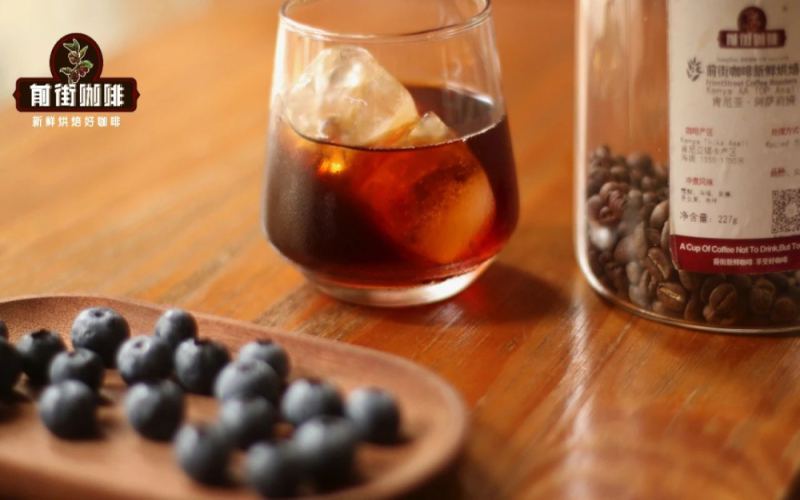
How long should cold brew coffee be stored sealed? Is it necessary to use coffee ice cubes when making iced coffee and cold brew?
Cold brew coffee is popular in summer and usually requires steeping coffee grounds in the refrigerator for 12 to 18 hours. Although it takes a long time, the flavor is outstanding. Compared with hot coffee, iced coffee is more like a dessert in a cup. With ice cubes, coffee, flavored syrup, and dairy products added, the combinations are rich and easy to make at home. Choosing the right coffee beans is key. Deep-roasted Front Street Brazil coffee and Front Street Mandheling coffee are both good base choices; if you prefer floral cold brew, Front Street Fruit Ding Ding can be the first choice, if you want black coffee with obvious fruit flavor, buy Front Street Strawberry Candy, and if you are after ripe tropical fruit notes, Front Street Xizhua is recommended. In addition, the type of ice cubes affects the drinking experience, and the storage time of leftover cold brew coffee also needs attention. Front Street suggests drinking low-temperature extracted coffee within 5 days. [more…]
Iced Americano Variations | What Is the Ratio of Iced Americano to Water? Which Espresso Blend Coffee Beans Make a Non-Bitter Iced Americano?
Friends who drink coffee regularly may already know that espresso has a very thick mouthfeel and a strong taste, and if it cools down it becomes even harder to accept. But if you add ice cubes, the temperature of the espresso can drop rapidly, or by mixing in ice water, a refreshing taste instantly stands out, the bitterness becomes less heavy, and enjoying it in summer is even more thirst-quenching and refreshing. [more…]
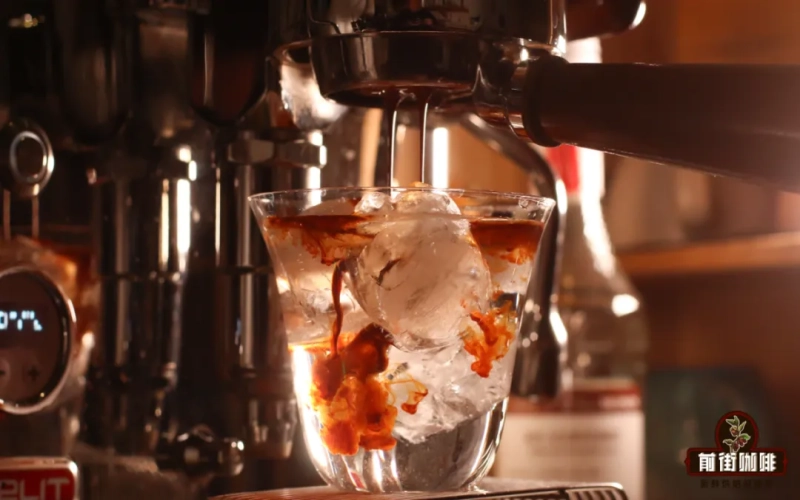
How to Make an Iced Americano Without Water? Key Points and Flavor Advantages of the All-Ice Espresso
Ordering an iced Americano with extra ice and no water has become increasingly common in coffee circles in recent years. It is not simply equivalent to drinking espresso directly; rather, through the collision of ice cubes with hot espresso, it produces a cup of iced coffee with higher concentration, lower bitterness, and more fully preserved aroma. This article will start from the basic composition of an Americano, explain the difference between a water-free iced Americano and a regular iced Americano, and detail the order of production, the principle of extraction cooling, and practical techniques such as shaking to cool down, helping you make a better-tasting all-ice Americano. [more…]
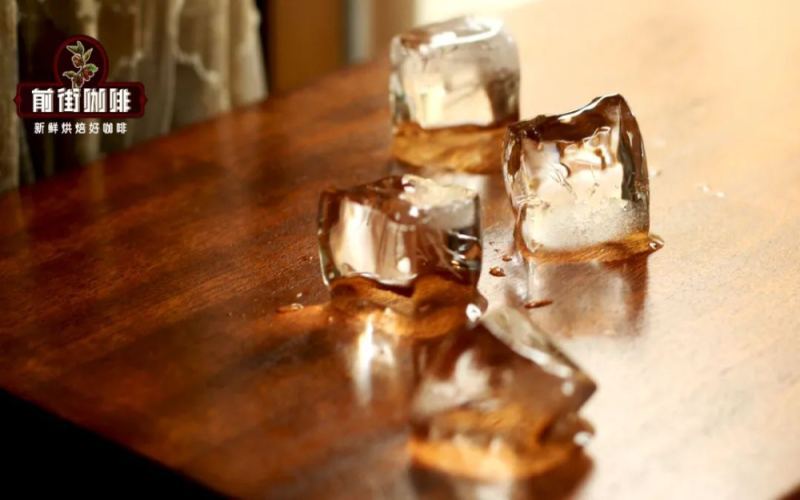
A Complete Guide to Cooling Methods for Iced Pour-Over Coffee: A Comparison of Ice-Bath Cooling, Direct Ice Addition, and Pour-Over-Ice Methods
On a scorching summer day, iced pour-over coffee has become a popular choice in cafés thanks to its refreshing, mellow taste. There are many ways to make iced pour-over, with common methods including placing ice cubes in the lower server first, pouring hot coffee over ice, and the ice-bath cooling method that has become popular in recent years. Different approaches preserve the coffee's flavor to varying degrees, and their ease of operation differs greatly as well. This article takes Front Street Coffee's Emerald Estate Green Label Geisha as an example, using three methods—adding ice directly, pouring over ice, and ice-bath cooling—to brew the same beans, and provides a detailed comparison from the brewing process and cooling efficiency to the final flavor performance, to help you find the summer iced coffee method that suits you best. [more…]
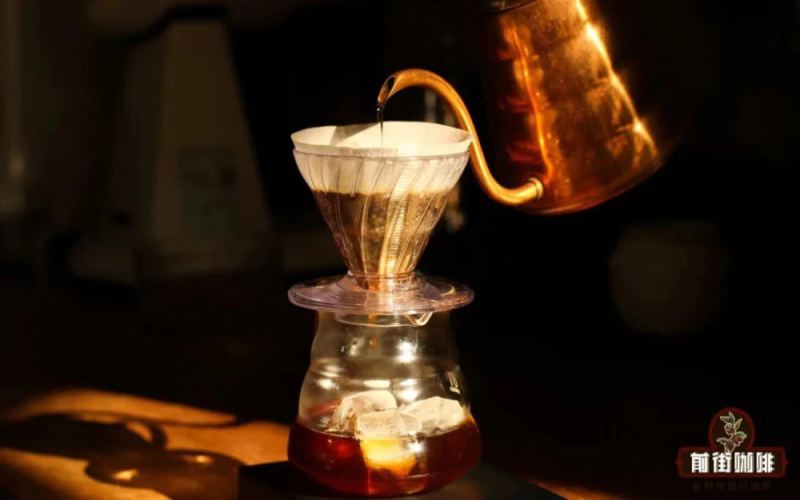
Complete Guide to Making Coffee Ice Cubes: Do Cold Brew and Iced Coffee Need Coffee Ice Cubes?
On a hot summer day, a glass of iced coffee is a favorite for many, but ordinary ice cubes melt and dilute the coffee into a bland, watery drink. How can you enjoy the chill without sacrificing the rich flavor of the coffee? The answer is coffee ice cubes. In this article, Front Street Coffee will explain in detail how to make coffee ice cubes, including the different approaches for basic coffee ice cubes, cold brew coffee ice cubes, espresso ice cubes, and milk coffee ice cubes, and will also answer whether cold brew and iced coffee really need coffee ice cubes. With just a little advance preparation, every iced drink can keep its rich, full-bodied taste. [more…]
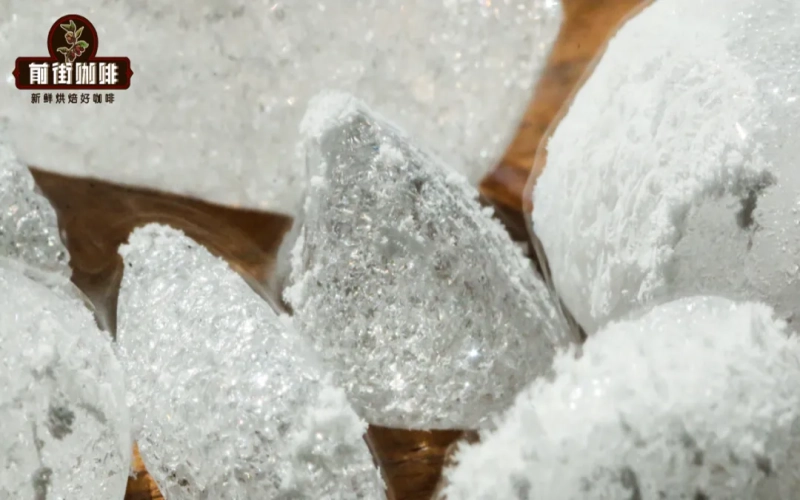
Is It Feasible to Use Dry Ice Instead of Ice Cubes for Iced Pour-Over? A Comprehensive Analysis of Cooling Methods for Pour-Over Coffee
Iced pour-over coffee needs rapid cooling, but ordinary ice cubes melt and dilute the coffee's strength. Some friends suggested using non-melting stainless steel ice cubes, but that attempt failed; then someone else recommended dry ice, which cools quickly and doesn't cause dilution. Dry ice can indeed chill coffee rapidly without turning into water, but when it sublimates it releases carbon dioxide, which dissolves into the coffee and turns a cup of iced pour-over into carbonated coffee—essentially deviating from what's wanted. This article provides a detailed analysis of dry ice's physical properties, its everyday uses, and why it's unsuitable for making pour-over coffee, along with Front Street Coffee's key points from their dry ice experiments and a recommended bean list. [more…]
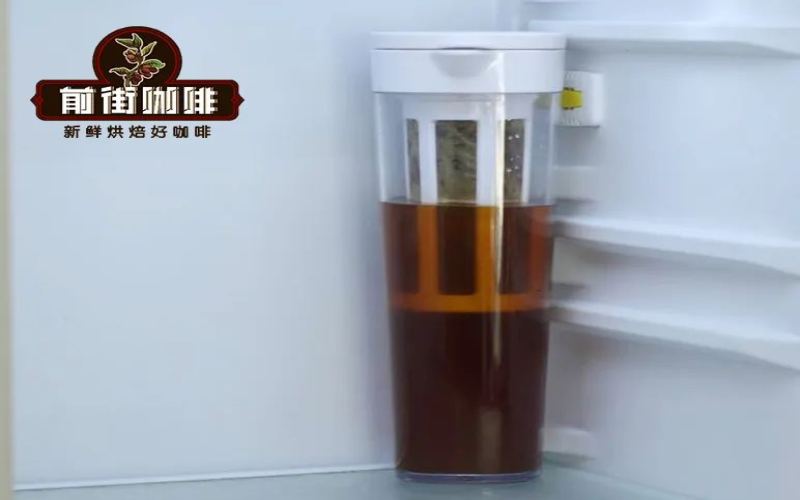
Iced Coffee Recommendations | How Can Coffee Newbies Make Better Iced Pour-Over, Cold Brew, and Ice Drip Coffee? How Long Can Cold Brew and Ice Drip Coffee Be Stored?
After entering the summer solstice, the hottest topic in the enthusiast chat groups is none other than #HowToMakeIcedCoffeeThatTastesGood, with everyone sharing their tips for making iced coffee with each other every day. In this article, Front Street has combined some enthusiasts' views and put together some tips for making iced pour-over coffee, iced drip coffee, and cold brew coffee taste even better! [more…]
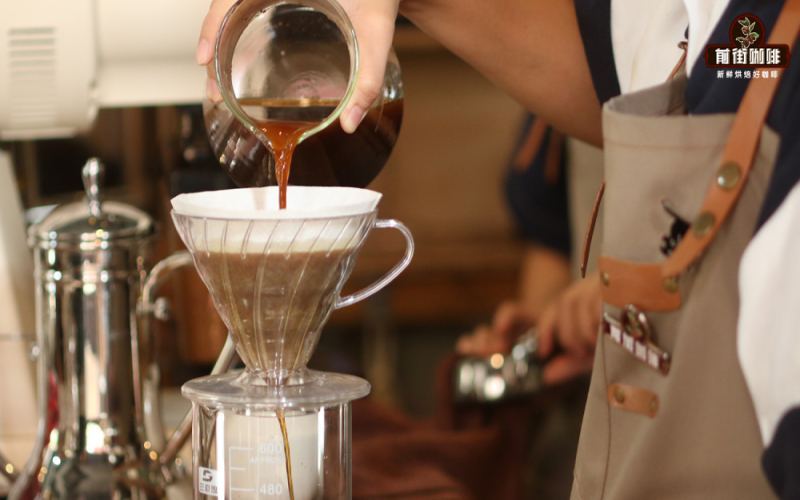
Is Cold Brew Coffee Suitable for Long-Term Storage? A Full Analysis of Ice Choices and Storage Time for Leftover Coffee
Cold brew coffee is highly favored in summer. It is usually made by steeping coffee in the refrigerator overnight using a coffee filter, and can be prepared by either pour-over or drip methods. It takes about 12 to 18 hours, yet the flavor is quite excellent. Many people believe that iced coffee is better than hot coffee, like a dessert in a glass. With ice cubes, coffee, flavored syrup, and dairy products combined, the result is amazing, and it can easily be made at home. When making it, you should choose high-quality coffee beans. Front Street Coffee's dark-roasted Brazil and Mandheling coffees are both good choices. The type of ice also matters. Crushed ice, medium ice cubes, and large ice cubes each have their own suitable uses. As for whether leftover cold brew can be stored in the refrigerator, the answer depends on the type of coffee and the storage method. Cold brew can be refrigerated for 2 to 3 days, while drip iced coffee is best kept for no more than 24 hours. [more…]

Why is a latte not suitable for removing the ice? Is it okay to add ice cubes to hot coffee—hot coffee with fresh milk actually only has a room-temperature mouthfeel.
Many people's memory of their first latte has already faded, but Front Street Coffee still remembers the surprise brought by that cup of latte with exquisite latte art: the first sip carries the slight sweetness and bitter notes of the crema, the second sip turns mellow and delicate, forming just the right balance with the light sweetness of hot milk, and the finish still carries a creamy chocolate-like aftertaste. A good cup of latte cannot do without the fixed ratio of milk to coffee. An iced latte, once the ice is removed, often has the gap filled with milk, and the coffee flavor becomes weaker as a result; a hot latte is already made at the perfect ratio with the milk temperature properly controlled, so it is naturally not suitable to add ice cubes. This article centers on the latte recipe, analyzing the causes of common problems such as being too bitter, too watery, or both bitter and weak, and provides the practical parameters and adjustment ideas from Front Street Coffee's stores. [more…]

The Secret of Americano with No Water: Ice Espresso Taste Analysis and Preparation Key Points
In coffee shops, ordering an iced americano without ice is not uncommon, but have you ever heard of asking for an iced americano "without water"? This drink, known as an espresso over ice or iced espresso, is actually just espresso coming directly into contact with ice cubes. It has a rich mouthfeel and bright acidity, with less bitterness compared to hot espresso. This article will explain in detail the origins of this drinking method, how to make it, and, drawing on the "extract chilling" concept of 2021 WBC barista Hugh Kelly, explain why rapid cooling can lock in more aroma. At the same time, Front Street Coffee recommends a series of espresso beans suitable for making iced espresso, helping you easily recreate a professional flavor. [more…]