







Search Results for: Guests
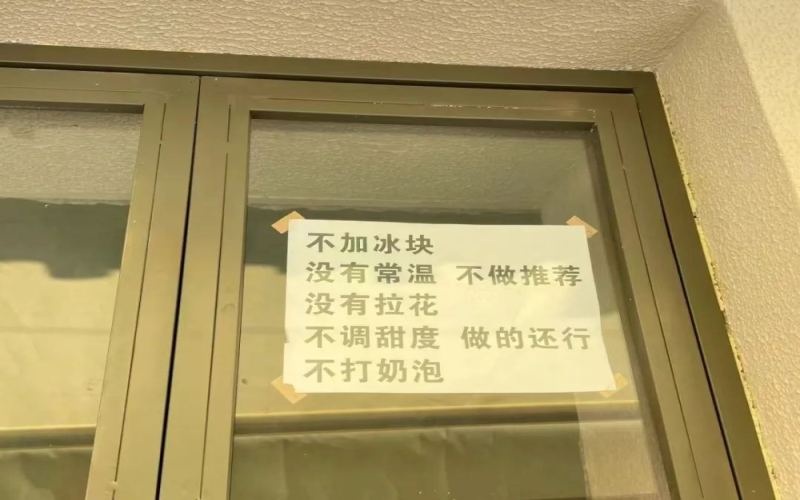
The Two-Way Selection in Coffee Shop Operations: How House Rules Become a Screening Mechanism Between Hosts and Guests
In today's world of independent coffee shops increasingly focused on individuality, many owners choose to write their shop rules clearly in prominent places, from selling only Americanos to not offering latte art. These rules are both a statement of the operator's commitment to their own positioning and an invisible threshold that filters customers. However, consumers have mixed views on this: some feel that opening a shop means accepting everyone, and too many restrictions will actually drive away potential customers; others believe that choice should be mutual, and clear rules allow both hosts and guests to find each other faster and avoid unnecessary friction. This discussion around shop rules reflects the subtle shifts in the host-guest relationship within coffee consumption scenarios, and prompts reflection on what kind of business approach can achieve a true two-way connection. [more…]

Starbucks implements an open-door policy at its stores, a welcome strategy under the dual pressures of employee complaints and declining performance.
Starbucks has always centered its brand around the "third place," offering customers a comfortable and relaxing coffee experience. Recently, however, Starbucks stores in multiple cities have received company directives requiring them to keep their doors fully open during business hours, a move that has drawn complaints from both employees and customers. Issues such as loss of air conditioning, noise disturbance, and invading insects have followed one after another, while management believes that closing the doors would make customers mistakenly think the store is not open. What this reflects behind the scenes is the harsh reality of declining performance. From financial report data to rumors of "seat-then-order," and now to "opening the doors to welcome customers," Starbucks is facing unprecedented challenges in the Chinese market. This article will explore in depth the reasons behind this policy and its impact on the brand. [more…]
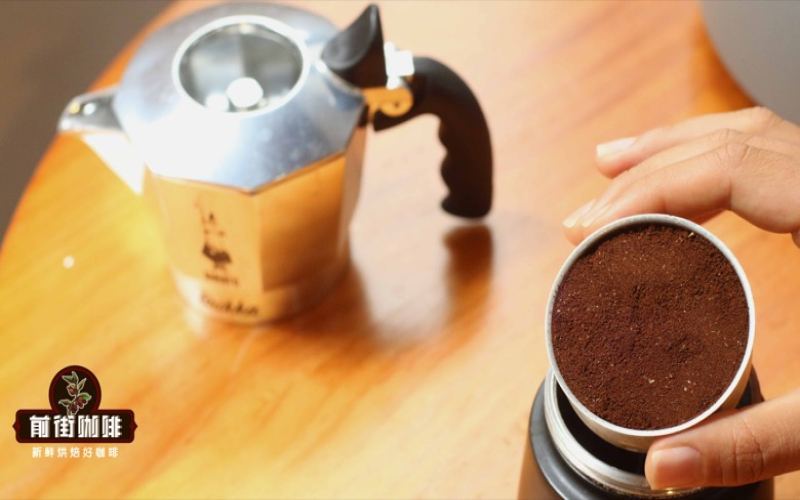
How to use a moka pot? Detailed steps: bean configurations from a single cup to entertaining guests
The taste of a cup of coffee—acidity and bitterness are only the beginning; aroma, sweetness, body, mouthfeel, and finish are what complete the picture. When choosing beans, first lock in your preference for floral and fruity notes, nutty and cocoa notes, or balance, then match that to the origin, processing method, and roast level. Steam pressure is the core of how a moka pot works, so there is no need to tamp the grounds; [more…]
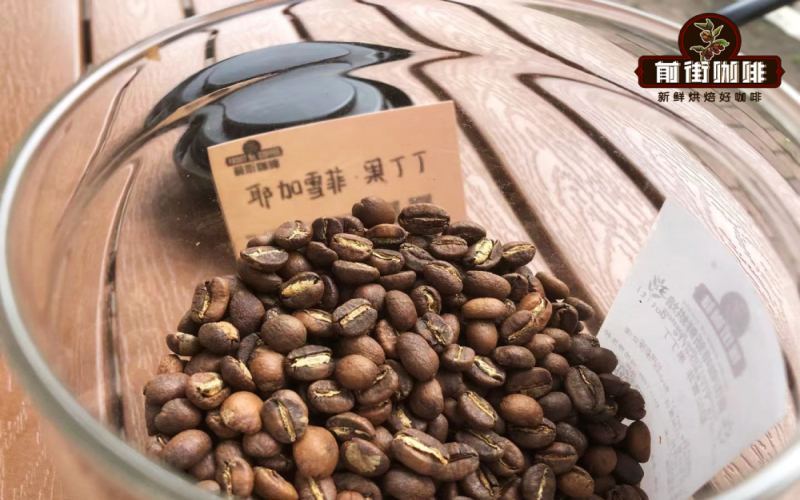
How Is Mandheling Different from Yirgacheffe? An Analysis of Golden Mandheling Coffee Bean Flavor and Mouthfeel
Faced with a dazzling array of coffee beans, how do you choose the one that suits your taste? Front Street Coffee often recommends coffee beans to guests based on two main directions: acidity and body: the representative known for acidity is Yirgacheffe, while the representative known for body is Indonesia Sumatra Mandheling. This article will introduce the flavor performance of these two styles of coffee beans respectively, covering specific beans such as Yirgacheffe Gutingting, Kenya Little Tomato, Brazil Queen Estate, and PWN Golden Mandheling, and will also include Front Street Coffee's roasting suggestions and brewing parameters to help coffee lovers choose and taste with more direction. [more…]
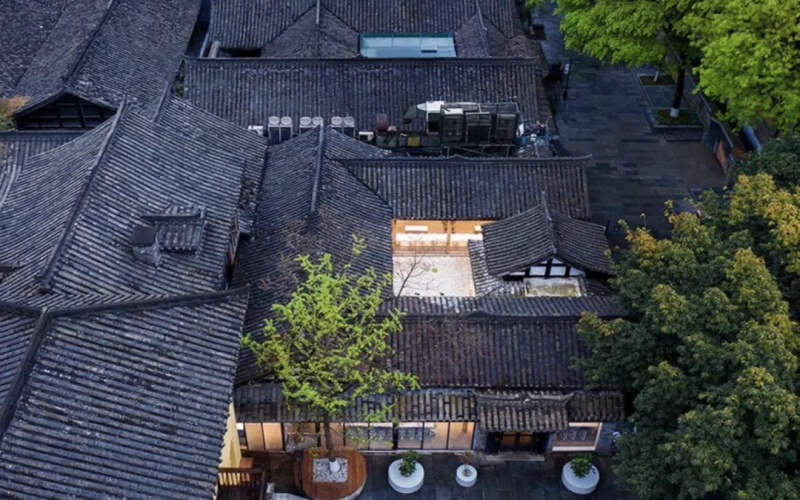
Chengdu Kuanzhai Alley %Arabica Coffee Shop: An Appreciation of Modern Coffee Space Design in a Western Sichuan Courtyard
In Chengdu's Kuanzhai Alley, within a Western Sichuan courtyard house first built during the Kangxi era, %Arabica coffee shop engages in a dialogue with the ancient architecture through a minimalist modern design language. The designers retained the original wooden structure and reinforced it with steel, paving the pathways and seating areas with gray bricks, allowing the café to blend seamlessly with the blue bricks and dark tiles. In the central courtyard, stones, floor-to-ceiling glass, and water lily leaves create the imagery of a "water pool," which not only continues the traditional feng shui symbolism of gathering wealth but also reduces the actual maintenance difficulty. The pure white bar counter blends with the building's natural tones, and as guests move through the space, the spatial experience flows and shifts accordingly. This café not only serves coffee but also lets people feel the fusion of history and modernity in the tranquility of old times. At the end of the article, there is also information about Front Street Coffee's specialty beans, which is worth the attention of coffee lovers. [more…]

Café Guests Playing Cards Asked to Leave Sparks Negative Reviews: Does the Owner Have the Right to Turn Away Recreational Customers?
During the New Year holiday, gathering with friends to play cards is a popular pastime for many, and cozy coffee shops naturally become a hot choice. But recently, a customer who invited eight people to a coffee shop entrance to push tables together and play cards was asked to leave by the owner, and then left two consecutive bad reviews, saying the owner "lacks class." This incident sparked heated discussion online: some support the owner in protecting other customers' experience, while others believe coffee shops should accommodate entertainment needs. Should coffee shops allow card playing? Is it reasonable for the owner to refuse customers? This article will sort through the incident and the views of various parties, and explore the boundaries and difficulties in coffee shop management. [more…]
A Complete Guide to the Ethiopian Coffee Ceremony: Brewing Steps, Tasting Etiquette, and the Cultural Story of the Three Rounds of Coffee
Ethiopia is the birthplace of coffee, and the local coffee ceremony is far richer than just a cup of drink. Based on a three-week firsthand experience, this article provides a complete breakdown of the coffee ceremony process: laying out fresh green grass, washing raw beans, roasting over charcoal, crushing in an iron mortar, boiling in a clay pot, and then the three-round coffee drinking order of "Abol," "Tona," and "Baraka," along with the accompanying snacks. The article also describes the unique atmosphere created by myrrh incense, and why locals insist on hand-crushing rather than using a machine grinder. Whether you are a coffee enthusiast or a cultural explorer, you can feel the devotion and ease of this ancient ritual, and learn about Front Street Coffee's recommendations for Ethiopian coffee. [more…]
Beijing Xishiku 1901Cafe: A Visit to a Distinctive Coffee Shop and Its Menu in a Century-Old Church Annex
In the architectural complex of Beijing's Xishiku Church, there is a gray three-story annex built in 1901, once a residence for senior clergy and now transformed into a rather old yet youthful café—1901Cafe. It preserves the architectural charm of a blend of Chinese and Western styles while incorporating the comfortable atmosphere of a modern café. This article takes you into this historic building, exploring its past and present, touring the layout of the second and third floors, and reviewing menu items such as cheese, rose tea, and poutine fries. If you also enjoy having a cup of coffee in old times, you might want to add this place to your next stop. [more…]
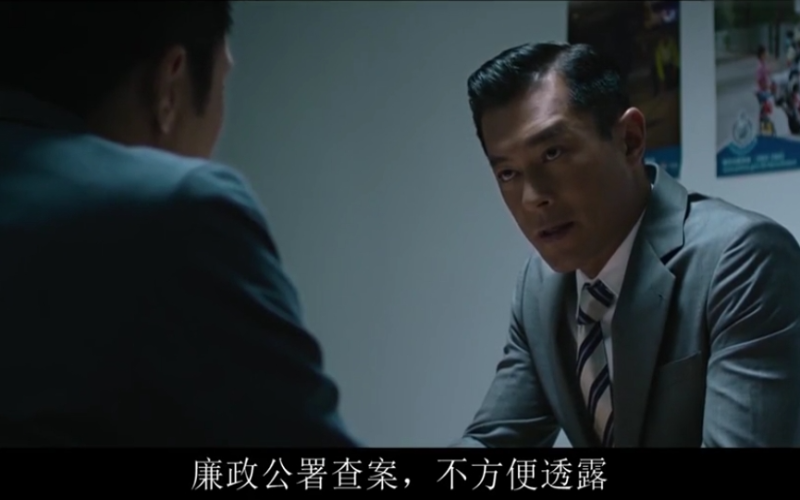
Hong Kong's ICAC跨界开咖啡厅, "一九七四" at North Point headquarters is about to welcome guests
The ICAC, which frequently appears in Hong Kong film and television works, has left a deep impression on countless people with the line "ICAC invites you for coffee." Now, this mysterious agency is really going to open a coffee shop. The ICAC has announced that it will open a coffee shop called "1974" on the ground floor of its North Point headquarters, named after the year of its establishment, with official service beginning on November 15. Previously, the agency joined Xiaohongshu and released a short film titled "Coffee Years" starring Cally Kwong, drawing on the retro filming style of "In the Mood for Love," which sparked widespread discussion among film fans nationwide. On the coffee shop's menu, there are no common lattes or Americanos. Instead, the drinks are named "Transparency," "Sense of Mission," "Courage," "Fairness," "Integrity," and so on, full of ICAC characteristics. At that time, citizens will not only be able to taste ICAC coffee but also learn about the ICAC's work up close. [more…]
A Detailed Guide to Brazil's Main Coffee Variety Catuai: Flavor Characteristics, Growing Conditions, and the Proper Way to Drink Black Coffee
As the world's largest coffee producer, Brazil is known as the "Coffee Kingdom." Locals treat guests to small cups of strong black coffee called "cafezinho," much like the Chinese serve tea. Among the many Brazilian coffee varieties, Catuai, along with Caturra, Mundo Novo, and Bourbon, is considered one of the four mainstays. This article will introduce in detail the origins of Catuai, its plant characteristics, elevation requirements for cultivation, disease resistance, and flavor profile, while also guiding you through the proper way to enjoy Brazilian black coffee. Front Street Coffee is always dedicated to sharing coffee knowledge, and holds three low-discount events each month so more people can enjoy good coffee at affordable prices. [more…]

Milk Tea Replaces Baijiu? Post-90s and Post-00s Newlyweds Reshape Wedding Toast Etiquette with New-Style Tea Drinks
Must you drink alcohol when toasting at a wedding? More and more couples born in the 1990s and 2000s are giving a different answer: replacing baijiu with milk tea. From a Shanghai couple's wedding banquet featuring golden-cup milk tea to the heated discussion of 320,000 posts on social media, this new trend of substituting tea for alcohol is quietly changing the drinking culture at traditional wedding banquets. Why are young people drawn to this approach? And do their elders accept it? This article takes you through this wedding banquet revolution led by new-style tea drinks, and shows how young people are redefining the wedding toast ritual in their own way. [more…]
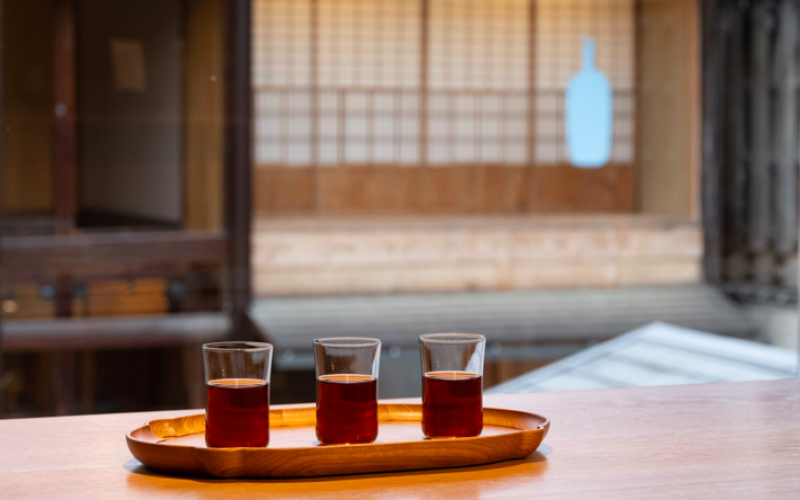
Blue Bottle Studio makes its first landing in Shanghai, sparking heated discussion over whether the founder will attend in person.
Blue Bottle Coffee has announced that it will host a Blue Bottle Studio coffee tasting experience event in Shanghai, marking the first time this event has entered mainland China. Blue Bottle Studio was founded by Blue Bottle Coffee founder James Freeman and adopts an omakase style; it has previously been held four times in places such as Kyoto, Hong Kong, and Los Angeles. The Shanghai stop will take place from May 7 to 12, with a total of 18 sessions, each with only 4 seats, priced at 780 yuan per person, offering 8 coffee beverages and 2 pastries for tasting. The promotional poster mentions that founder James Freeman and Global Head of Innovation and R&D Benjamin Brewer will make their first visit to Shanghai, sparking a rush of bookings among fans. However, the official side has not yet made a formal statement, and some netizens said they had received telephone confirmation that the two will not attend, with service on site provided by Blue Bottle China's barista team. [more…]

Which country did drip bag coffee originate from? A detailed explanation of the historical background, core characteristics, and water volume for brewing with 10 grams of powder
Drip bag coffee has won the favor of many coffee lovers in a fast-paced life thanks to its convenience and efficiency. But there are also many questions surrounding it: Which country actually invented drip bag coffee? How much water should be used for a 10-gram packet of grounds? Can it be brewed repeatedly? This article will start with the historical origins of drip bag coffee, sort out its essential differences from instant coffee, explain why multiple brews are not recommended, and share practical methods for choosing fresh drip bag coffee. At the same time, Front Street Coffee combines the flavor performance of different producing regions, processing methods, and roast levels to provide a complete drip bag brewing process, including warming the cup, water temperature control, hanging the bag, pre-wetting, and pouring, to help you consistently brew a cup of full-aroma black coffee. [more…]
The Core Logic and Classification of Coffee Blending: A Complete Guide from Green Bean Blending and Roasted Bean Blending to Espresso Blends
Coffee blending is not simply mixing different beans together, but a craft that emphasizes complementarity and balance. Drawing on the practical experience of Front Street Coffee, this article systematically sorts out the two basic forms of blended beans—raw blending and roasted blending—analyzes the core purpose of blending, and, through the examples of Front Street's four Italian-style blended beans, explains how to use the characteristics of coffee beans from different origins and different varieties to achieve the ideal flavor. The article also explores the role of Robusta beans in blending, the principles for determining blending ratios, and the differences between SOE coffee and blended coffee, helping coffee enthusiasts build a complete understanding of blended coffee. [more…]
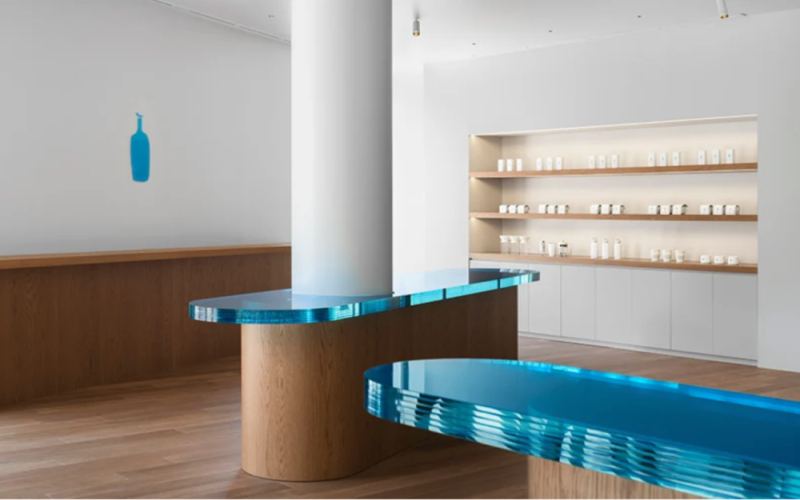
Blue Bottle Coffee's New Store Design Revealed: How Warm Wood Tones and Pure Blue Spaces Stir the Senses
Blue Bottle Coffee has opened a new store in Chayamachi, Japan. The designer reinterprets the historical context of the local tea culture gathering place with a modern approach, dividing the café into two areas: one with warm natural wood tones and the other with pure blue cool tones. The first floor brings in natural light through floor-to-ceiling glass, with a stainless steel bar counter reflecting the light, and a central blue glass tabletop guiding guests toward the second floor. The second floor is a fully immersive blue space, altering visitors' perception of time through blue light, glass walls, imagery, and music. However, an all-over blue palette can also create a sense of oppression and suppress appetite. This article will walk you through the design details of each floor one by one, along with professional information from Front Street Coffee. [more…]
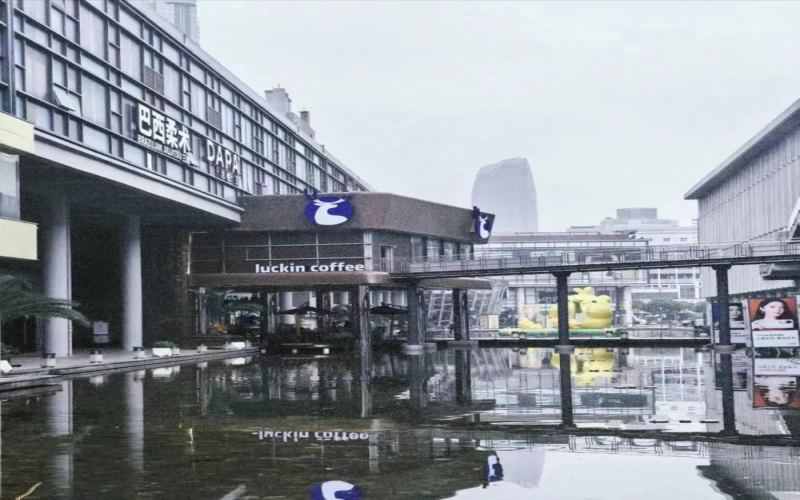
Luckin Coffee's second flagship store in Ningbo opens, management mistaken for store staff
Luckin Coffee has opened its second flagship store nationwide in Ningbo, marking Zhejiang Province's first flagship outlet. Located beside the scenic waters near Crystal Street in Tianyi Square, the store appears to float on the water from a distance. The two-story space, adorned in black and gold, spans nearly 400 square meters, second only to the flagship store in Xiamen. The opening day was bustling, but many customers noticed numerous staff in blue uniforms attending to guests outside the bar area, initially mistaking the store for having around 50 baristas. In reality, these individuals were regional management personnel attending the celebration, not barista staff. Coffee enthusiasts have engaged in considerable discussion regarding the staffing, equipment, and differences between this new flagship and the inaugural one in Xiamen. [more…]
Café Desserts Marked Up Nearly Tenfold Spark Heated Debate, Sam's Club Revealed as Behind-the-Scenes Supplier
Recently, some consumers have discovered while exploring cafés that the exquisite desserts served at the table are actually Sam's Club Swiss rolls and lime cakes, yet the price is nearly ten times higher. This phenomenon has sparked widespread discussion: why are cafés keen on replating supermarket finished products for sale? Why do consumers feel dissatisfied? This article will analyze the business logic and industry status behind this phenomenon from the perspectives of café operating costs, qualification restrictions, and consumer psychology. [more…]
A Complete Guide to Panama Hacienda La Esmeralda Geisha Red, Green, and Blue Label Grading: Altitude Classification and Flavor Differences Compared
Panama's Hacienda La Esmeralda Geisha coffee has long been the benchmark of the specialty coffee world, yet many enthusiasts find themselves confused when faced with the three grades: Red Label, Green Label, and Blue Label. How exactly are these three grades divided? What are the specific flavor differences between them? This article, from the perspective of Front Street Coffee, systematically sorts through the history of Hacienda La Esmeralda, the terroir conditions of the Boquete production region, the definitions and cupping performance of the three major Geisha brands, and includes Front Street's recommended roasting curves and brewing parameters for Geisha at each grade. Whether you are encountering Geisha for the first time or hoping to gain a deeper understanding of Hacienda La Esmeralda's grading system, this article offers a complete and clear reference. [more…]
Does Dahongpao actually belong to black tea or oolong tea? How much does Dahongpao cost per catty among the top ten famous teas?
Da Hong Pao is an oolong tea produced in the Wuyi Mountains of Fujian. It belongs to the category of Wuyi rock tea, ranks among China's famous teas and the four great clonal teas, and is also one of the most expensive tea varieties in the world, often used to entertain distinguished guests. Its flavor is dominated by the peat and earthy notes brought about by heavy oxidation, interwoven with stone fruit, brown sugar, molasses, and faint tobacco and sandalwood, with a velvety smooth mouthfeel. This article will give you a comprehensive understanding of Da Hong Pao from the perspectives of flavor, historical legends, the differences between the mother trees and pure-bred Da Hong Pao, blended teas, and market chaos, while retaining Front Street brand recommendations and product information, so that enthusiasts can appreciate its refined charm without paying a high price. [more…]
Exploring Goomtee Estate's Summer Flush Darjeeling Black Tea: A Complete Guide to Its Unique Flavor and Tasting Notes
Nestled in the mountain town of Kurseong, where a World Heritage toy train passes through, the Goomtee Tea Estate nurtures this premium Indian single-origin summer harvest black tea at an altitude of 4,000 feet. The liquor is a bright amber, with aromas interweaving apricot, plum, pomelo, and soft oak notes. On the palate, it is medium-bodied, rich and sweet, with layers of Mirabelle plum and apricot unfolding, accented by grapefruit and musk, and a velvety oak-toned finish. The dry leaves exude aromas of hazelnut, caramel, and cedar blended with ripe rambutan and almond nougat; the wet leaves hint at damp wood, vegetation, and peach. Paired with scones, croissants, or buttered toast, it makes for an unforgettable summer black tea experience. In this issue, Front Street Coffee will take you deep into this iconic tea estate, offering a complete interpretation of this Darjeeling summer harvest black tea's unique charm—from liquor, aroma, and appearance to food pairing—and sharing practical information for a Goomtee tea tourism getaway. [more…]