







Search Results for: homophonic puns
How Can Puns Become a Powerful Brand Marketing Tool? An In-Depth Analysis from Heytea's "Duck Fragrance" to Starbucks' Surname Meme
In today's consumer market, homophonic puns are no longer dismissed as a cheap word game; instead, they have become the traffic code for major brands' advertising copy. From Heytea renaming Duck Shit Aroma to Duck Joy Aroma, to Starbucks playing with surname homophones and English double entendres, behind these clever one-character twists lies a deeper logic of strengthening brand memory and closing the distance with consumers. This article deeply dissects these breakout cases, exploring why homophonic puns can dominate the punchlines of all age groups, while reminding brands that playing with puns must be done in moderation, to avoid backfiring due to vulgarity or cheap cleverness. [more…]

Starbucks leverages netizen puns for marketing comeback, Luckin misses opportunity due to note display issue
Contemporary netizens have mastered the use of homophonic puns to perfection. From personalized name notes on online orders to trending topics on social platforms, Starbucks cleverly capitalized on netizens' creativity, turning an ordinary cup of coffee into something full of wit and fun, and in doing so, regained some ground in its competition with Luckin. Luckin, however, missed out on this wave of traffic dividends due to incomplete display of recipient notes. This article will review the viral process of Starbucks' homophonic pun campaign, trace the evolution of homophonic culture from ancient times to the present, and analyze the short life cycle of internet buzzwords, while also bringing coffee lovers relevant news about Front Street Coffee. [more…]
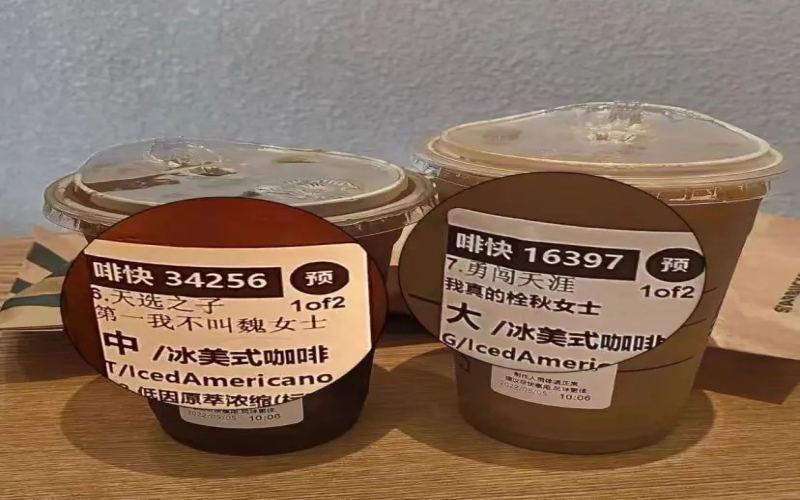
Why has the Starbucks pun gone viral online? The Cantonese version creatively plays with surname marketing
After Starbucks launched its Quick Order customization service last year, netizens began playing with homophonic puns in the name field, and surname puns quickly went viral, trending on Weibo. Over half a year later, this trend reached new heights in Guangdong thanks to Cantonese homophones, with all kinds of quirky yet down-to-earth names leaving people in stitches. This article takes you through the origins and explosive popularity of Starbucks homophone memes, showing how friends in Cantonese-speaking regions turned ordering into a hilarious creative contest, while exploring why these puns strike such a strong chord. [more…]

Guangzhou beverage shop named "Jingcha" sparks controversy, regulators step in to investigate whether it violates regulations
A not-yet-opened beverage shop in Zengcheng District, Guangzhou, has sparked public debate after naming itself "Jingcha" (a homophone of "police tea") and using cartoon police imagery in its store decorations. Some see it as merely a clever pun, while more people worry it could mislead consumers. Market regulators and public security authorities have stepped in to investigate, and lawyers point out that the name may violate enterprise name registration regulations. Behind the incident lies not just the compliance of a single shop name, but the boundary between commercial creativity and public symbols. [more…]
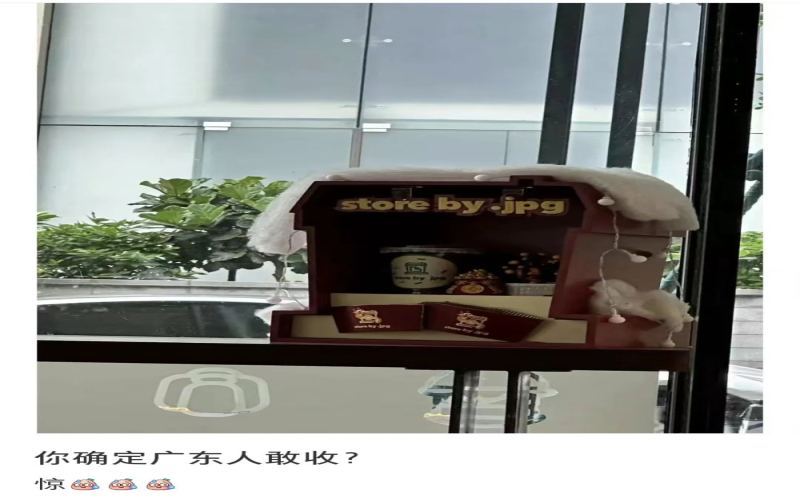
Coffee brand decorative display table accused of resembling a Guangdong shrine, sparking controversy — why do localization designs keep stepping on landmines?
Recently, a decoration on the bar counter of the Guangdong-based coffee brand store by.jpg has sparked widespread discussion. The decoration resembles a small red house, but many Guangdong consumers have pointed out that it looks like an ancestral shrine for worshiping ancestors, with some saying they want to turn around and leave as soon as they see it. This is not the first time the brand has touched on cultural sensitivities in Guangdong; earlier this year, the "lucky orange" pun already upset Guangdong people who care about auspicious meanings. Why do local brands repeatedly step on regional cultural landmines? Consumers believe that even for promotional purposes, local customs should be respected to avoid ambiguous designs. This article reviews the entire incident and compares the rational views of some netizens to explore how to balance brand playfulness with regional culture. [more…]
College Entrance Exam Season Food and Beverage Marketing Watch: How McDonald's, KFC, Chagee, and Other Brands Ride the Trend to Send Blessings
Every June, the national college entrance examination, or gaokao, becomes a hot topic of public attention across the country. This year is no exception, with a flood of good wishes pouring in from trending lists to social media platforms. Major food and beverage brands keenly seize this opportunity, rolling out gaokao-themed products or promotional activities in an attempt to win consumer goodwill amid fierce market competition. McDonald's has extended its breakfast-exclusive items to all-day availability, KFC has partnered with Mount Wutai to launch an auspicious set meal, and Chagee uses homophonic puns to convey good wishes. In addition, tea beverage brands such as Shuyi Tealicious, Good me, and Yihotang have also switched to gaokao-themed packaging, while independent coffee shops across the country are likewise serving exam takers and their parents by offering free water and rest areas. Behind this opportunistic marketing lies both the need for brand exposure and a reflection of society's collective care for gaokao students. [more…]
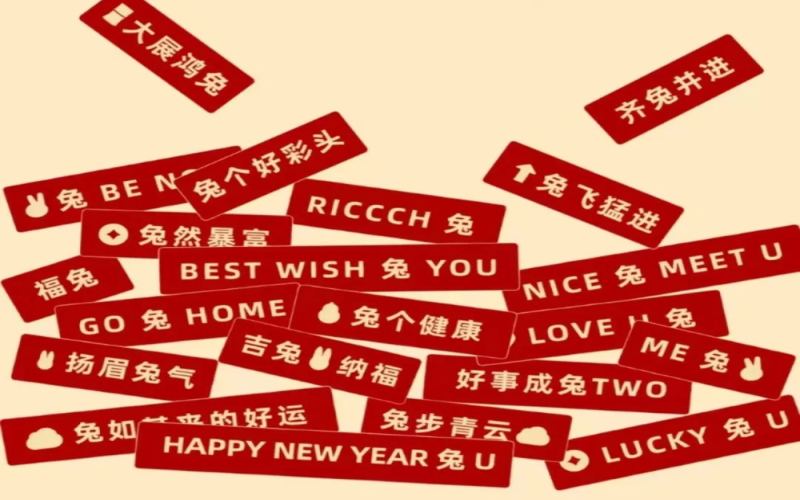
The Rabbit Zodiac IP Becomes a New Battleground for Coffee Marketing: A Review of New Year Limited-Edition Strategies from Luckin, Starbucks, Nestlé, and Other Brands
As the Lunar Year of the Rabbit approaches, the New Year marketing battle in the coffee beverage industry has quietly begun. Major brands are launching creative campaigns around the zodiac "rabbit," from puns and auspicious sayings to limited-edition new products, from co-branded designs to merchandise, all trying to capture consumer mindshare in the fierce market competition. Luckin has teamed up with artist Han Meilin to launch the "Double Rabbit" series, Starbucks offers three limited-edition drinks paired with cute rabbit merchandise, and Nestle Nespresso has collaborated with designer Angel Chen to create an eco-themed gift box. This article reviews the Chinese New Year marketing moves of major coffee brands, analyzes how zodiac IPs help brands build emotional connections with consumers, and explores that, amid the trend, product quality and creative output are the key to standing out. [more…]
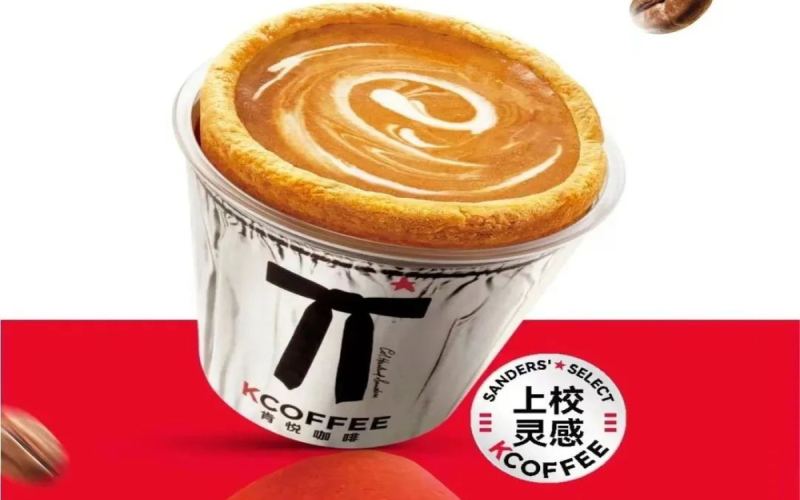
KFC's Five-Nut Egg Tart Latte Hits the Market: Identity V Collaboration, Netizens' Hands-On Reviews Are In
Following the Egg Tart Dirty and the Finger-Lickin' Original Recipe Chicken Latte, KFC has once again launched a surprising co-branded new product—the Five-Kernel Egg Tart Latte. This coffee, created to celebrate the seventh anniversary of the mobile game "Identity V," officially went on sale on April 1, and purchasers receive a collaborative cup sleeve and greeting card set. However, is this product, which forcibly combines five-kernel filling, egg tart, and latte, a stroke of creativity or sheer absurdity? Netizens' reviews after actually trying it are thought-provoking. This article sorts out the details of the new product, taste feedback, and KFC's bizarre R&D trajectory in recent years. [more…]
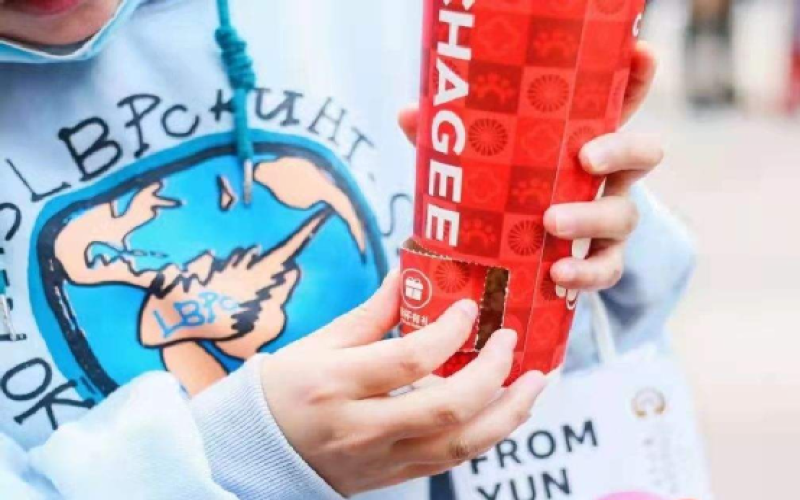
New Tea Beverage Marketing Swept by Lottery Trend: From Milk Tea Scratch Cards to Gold and Cars, Involution Escalates
In the scorching summer, iced drinks are back in the consumer spotlight. To stand out in fierce competition, new tea beverage brands keep reinventing their marketing tactics—from early niche fruits and co-branded limited editions to today's popular milk tea scratch cards, blind box draws, and even giveaways of gold, lottery tickets, and cars. Suguo Fresh Fruit Tea uses its new yellow skin (wampee) product to promote "scratch for real gold," Heytea and Nayuki use puns plus tear-open cards and lottery tickets to grab attention, while Chagee uses high-end lipstick blind boxes to precisely target female customers. Behind these gimmicks is the thrill and sense of participation brought by "eliminating uncertainty." Of course, for those who just want to quietly enjoy a good coffee or milk tea, returning to the product itself may be the lasting way forward, and Front Street Coffee has always advocated focusing on flavor and quality. [more…]
A Practical Guide to Naming Your Coffee Shop: Start with Positioning, Avoid Pitfalls, and Choose a Name That's Memorable and Shareable
Opening a coffee shop—the name is often the very first way customers remember you. This article explores the challenges of naming a coffee shop, the phenomenon of crowdfunding names online, and practical naming principles. Drawing on real cases from Xiaohongshu and netizens' creative ideas, it explains that a good name should be readable, memorable, and shareable, while also cautioning against blindly chasing foreign-language names at the expense of shareability. The article also retains relevant product information from Front Street Coffee, offering a reference for coffee enthusiasts preparing to open a shop. [more…]
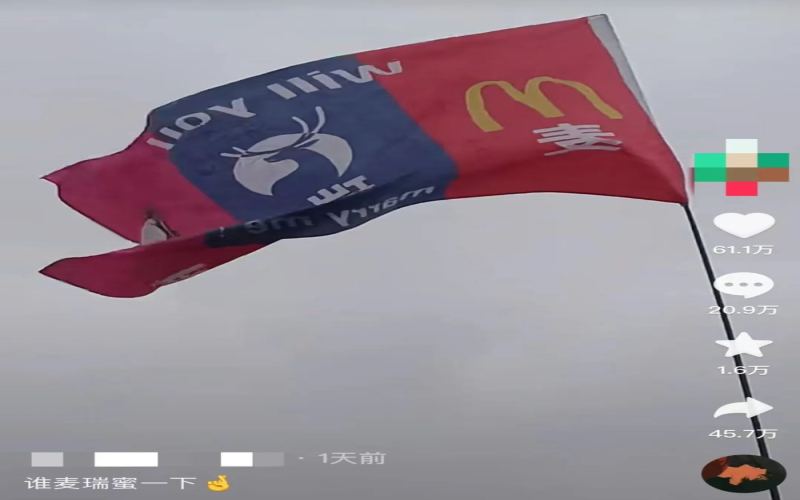
The new meme "Mai Rui Mi," combining McDonald's, Luckin, and Mixue Bingcheng, goes viral, sparking heated discussion about free marketing.
Recently, an amusing new meme has popped up online—by combining the names of three brands, McDonald's, Luckin Coffee, and Mixue Bingcheng, you get "Mai Rui Mi" (marry me). This pun quickly spread across social media, sparking plenty of discussion and remixes among netizens. For coffee and tea drink enthusiasts, such a combination is not only fun but also brings to mind how frequently these brands appear in daily consumption. So, how exactly did this meme take off? What kind of brand marketing phenomenon does it reflect? This article takes you behind the scenes, and don't forget to follow our daily specialty coffee culture content. [more…]
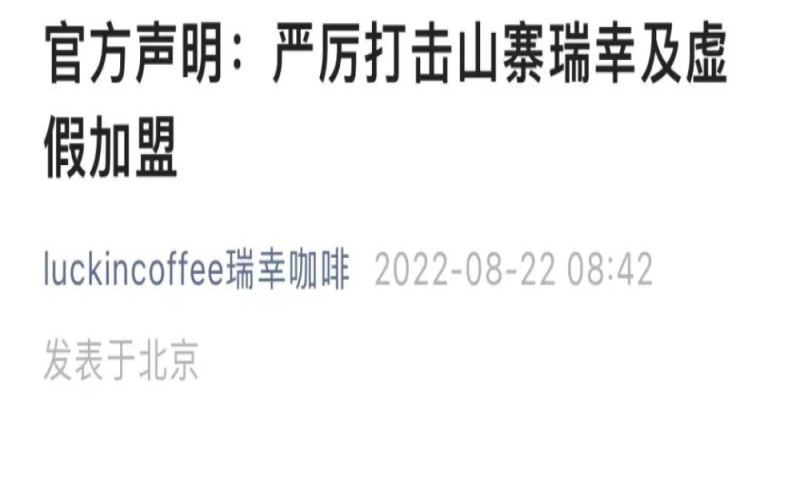
Luckin Coffee Solemnly Declares It Has Not Opened Franchising: A Full Analysis of the Chaos Surrounding Counterfeit Stores and Fake Agents
Recently, news about Luckin Coffee opening franchises has been circulating online, drawing attention from many consumers and entrepreneurs. However, Luckin officials quickly clarified: no form of franchise cooperation is currently open, and all so-called franchise and agency information is false. From counterfeit stores in Bangkok, Thailand to scam tactics using homophone accounts, the knockoff problem keeps emerging. This article will sort out the key points of Luckin's official statement, the history of the Little Deer Tea brand's merger, and insiders' interpretation of the franchise suspension, to help coffee lovers and potential investors distinguish truth from falsehood and avoid traps. [more…]
What aroma type does Pitou Yelaixiang Dancong belong to? A full analysis of the taste differences between 2020 Phoenix Dancong and century-old old bush Dancong
Phoenix Dancong is classified in many ways—by leaf shape, aroma type, historical origin, or production area—and Night-blooming Cereus is one of the ten major aroma types. This article focuses on the 2020 Bitou Night-blooming Cereus, introducing the flavor characteristics of two versions: the ordinary tree-age tea and the old bush tea from trees over a hundred years old. Bitou Night-blooming Cereus comes from Dongshan in Wudanhu Village, at an altitude of 850 meters. Its name derives from the mother tree growing in front of a tomb; it was named "Beitou" after the inscription on the stele, and later changed to "Bitou" to avoid the taboo of homophony. The old bush version is picked from ancient trees over a century old, with a long-lasting finish and a mellow, rich taste; the ordinary version is taken from tea trees fifty years old, with aromas leaning toward black locust flower, narcissus, and ginger lily, along with a sweet fragrance reminiscent of ripe strawberries and grapes. Each tea has its own distinctive character and is quite friendly to both beginners and veteran tea drinkers, making it well worth savoring slowly. [more…]
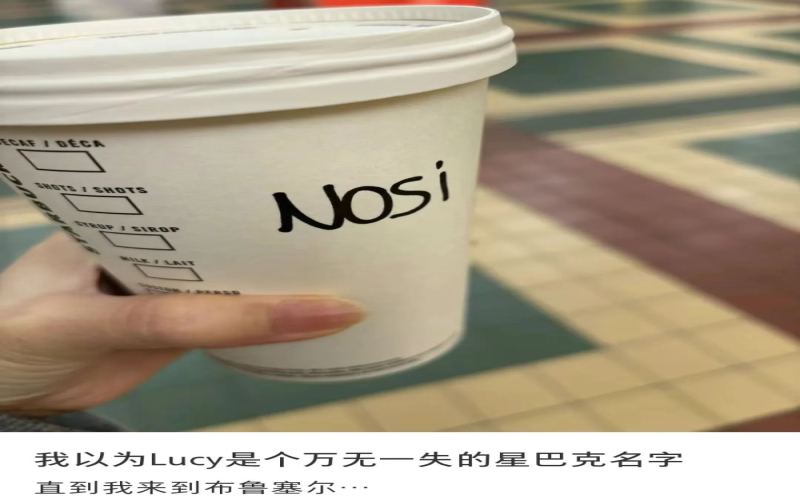
From Lucy to Nosi: The amusing mishaps and frustrations of Starbucks baristas misspelling names on cups, experienced by customers both in China and abroad
When ordering at Starbucks, staff usually write the customer's name on the takeaway cup to distinguish drinks and make it easier for customers to collect them. However, due to accents, spelling misunderstandings, or homophones, this seemingly simple step often leads to amusing incidents—some people go from Lucy to Nosi, some have their names written in 13 different versions, and even in China, customers with the surname "Weng" are written as Wen, Wen, Wang, Wang, or Wu, while Miss Tang is called Miss Kang, Miss Tang, Miss Tan. Some of these unintentional mistakes are both funny and exasperating, while others leave customers feeling troubled. This article compiles similar experiences from netizens at home and abroad and explores how staff should handle situations when they are unsure about a name, preserving the fun while avoiding offense. [more…]
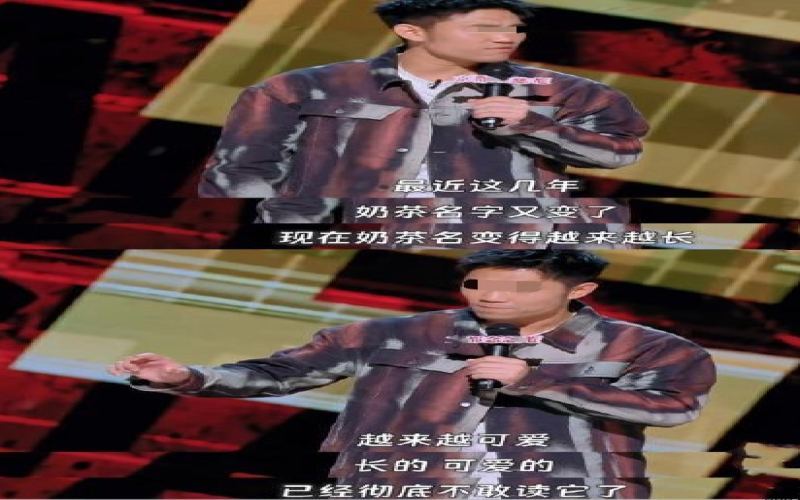
Milk tea names are getting longer and more repetitive—is it a branding strategy or consumer confusion?
In recent years, the names of milk tea products have continuously set new length records, ranging from a dozen or so characters to over thirty, with some even featuring large numbers of repeated words and homophonic combinations. Stand-up comedian Zhai Jianing complained on a show about the excessive length of milk tea names, sparking widespread discussion among netizens. Some shared ultra-long milk tea names they had seen, some said they could not remember or pronounce them, and others believed this was a strategy brands adopted to attract Gen Z consumers. Why has milk tea naming become so extreme? What is consumers' attitude toward this? This article sorts out the marketing logic and market controversy behind the milk tea naming phenomenon, and explores the relationship between drink quality and naming. [more…]
A Comprehensive Analysis of Costa Rican Coffee: From Introduction History to Eight Major Producing Regions and the Variety Classification System
Although Costa Rica is often jokingly referred to as a homophone of "Godzilla," it is a pivotal specialty coffee-producing country in Central America. Since the first coffee seedling was introduced from Cuba in 1729, this country has been inextricably linked with coffee. High altitudes, microclimates, and fertile volcanic soil provide exceptional growing conditions for Arabica. From government tax incentives encouraging cultivation, to legislation limiting production to Arabica only, to institutions like ICAFE and CATIE promoting quality improvement, Costa Rica has pursued a path of quality supremacy in coffee. This article will guide you through its introduction history, the terroir differences of its eight major producing regions, its main cultivated varieties, and its altitude-based grading system, along with Front Street Coffee's brewing recommendations. [more…]
Tracing the Name of Geisha Coffee: The Legendary Story of the Geisha Variety from Ethiopian Forests to Fame in Panama
Geisha coffee is a leader in today's specialty coffee world, named after the variety rather than a region or estate, and behind this lies a legendary story that spans continents. Its roots can be traced to the Geisha Mountain Kaffa forest in southwestern Ethiopia, yet it rose to fame through its discovery at Hacienda La Esmeralda in Panama. This article will walk you through Geisha's complete journey from a wild variety to a world champion, explain how Geisha evolved from a Japanese homophone for "geiko" into the Chinese name "瑰夏," and analyze the unique floral aroma and juicy mouthfeel bestowed by the terroir of Panama's Boquete region. At the same time, Front Street Coffee's roasting and brewing suggestions will be woven in to help you recreate this charming "floral bomb" flavor at home. [more…]
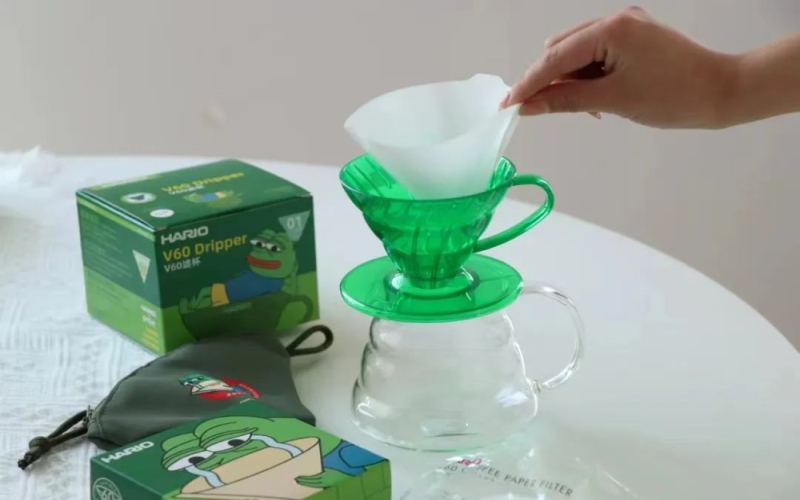
Hario teams up with Pepe the Frog for a collaboration: the V60 resin dripper gets a striking green makeover, and the camping-themed packaging sparks heated discussion
Hario has departed from its minimalist Japanese style and teamed up with the cartoon IP Sad Frog PEPE to launch a camping-themed product series. The collaboration includes two sets, among which the Outdoor Enjoyment Set features a PEPE limited-edition color No. 01 resin dripper and a limited-edition outdoor filter paper pack. The dripper adds green elements to a transparent resin base, making it especially eye-catching under light and drawing attention from pour-over enthusiasts. The official presale campaign uses "Filter Out Sadness" as its topic, and the packaging is presented in comic form. Users have already posted their purchases, with mixed reviews—some say it looks great, while others question its lack of practicality. This collaboration once again confirms that the coffee sector is becoming a popular choice for brand crossovers. [more…]
Luckin Coffee's collaboration with JoJo's Bizarre Adventure: Stone Ocean on packaging design has sparked heated discussion, with netizens creating their own works to express differing views.
Recently, Luckin Coffee's co-branding campaign with *JoJo's Bizarre Adventure: Stone Ocean* sparked widespread discussion among netizens, especially JoJo fans, before its official launch due to an internal "spoiler" of the packaging design. The collaboration, which had been highly anticipated, left some netizens disappointed because the design style fell short of fans' expectations. However, some netizens found the design acceptable and spontaneously created their own fan art, showcasing more popular DIY versions. This article will provide a detailed recap of the incident and present the diverse reactions and creative designs from netizens. [more…]
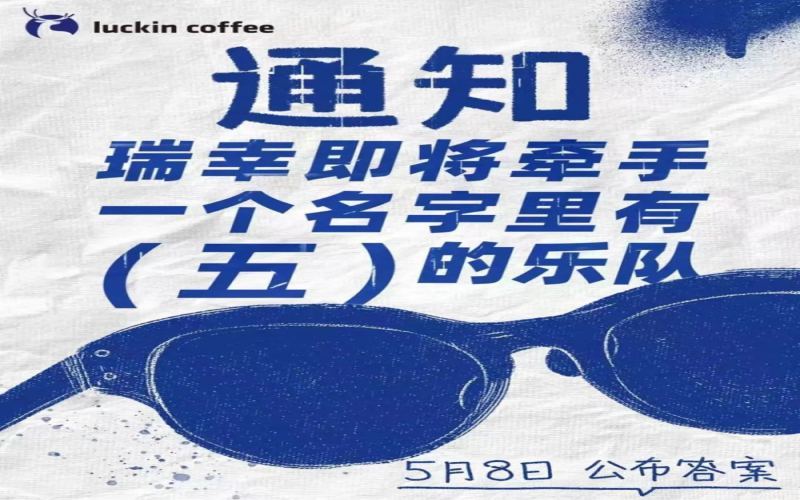
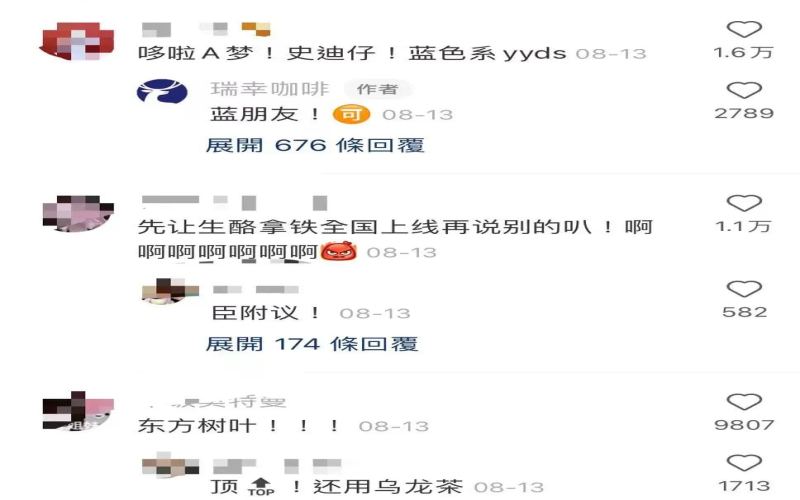
Luckin Coffee teams up with Wutiaoren to warm up for 520, as the return of Green Grape Latte aligns with the theme of "A Zhen Falls in Love with A Qiang"
Luckin Coffee recently officially announced a collaboration with a band whose name contains "five," with the mystery to be revealed on May 8, sparking enthusiastic speculation among netizens. Mayday, Wu Bai, Maroon 5, and others were nominated, but based on clues and Reuters information, Wutiaoren is the most likely. It is reported that Green Grape Latte will also return to warm up for the 520 confession day. Wutiaoren's representative song "A Zhen Fell in Love with A Qiang" is highly compatible with the event theme, and the sunglasses detail in the poster also points to the band's guitarist. Previously, during the anniversary celebration of Coconut Latte, Luckin invited the Shanghai Rainbow Chamber Singers to adapt a birthday song. Whether there will be a new version this time is eagerly anticipated. This article sorts out the collaboration clues and product information for coffee lovers' reference. [more…]