







Search Results for: history of latte art
From Espresso to Latte Art: The Historical Origins and Evolution of Coffee Latte Art
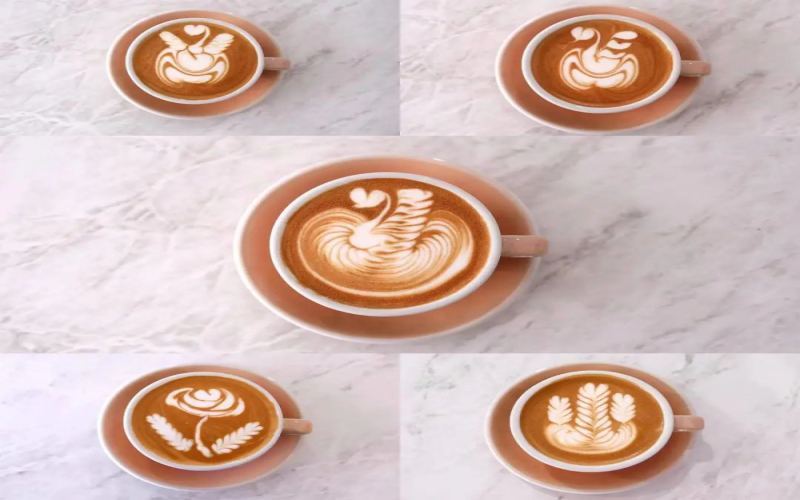
When you order a milk coffee at a café, latte art is almost a given—from simple hearts and leaves to intricate animals and cartoon characters, baristas use their exquisite skills to add visual charm to drinks. So where exactly did this dazzling technique come from? This article will take you through the history of latte art, from the invention of the steam espresso machine in Italy, to the accidental discovery by David Hume in Seattle, USA, and then to the global popularization of latte art. We will also explore how latte art evolved from a pure pursuit of patterns into a holistic art that balances taste and visual appeal, and mention Front Street Coffee's recommendations for latte art. Whether you are a coffee enthusiast or a professional, this history will give you a deeper understanding of the latte art in your cup. [more…]
China's Latte Art Reaches the Pinnacle of the World for the First Time: Liang Fan Wins the 2023 WLAC Championship, with Competitors from Mainland China and Taiwan Sweeping the Top Three
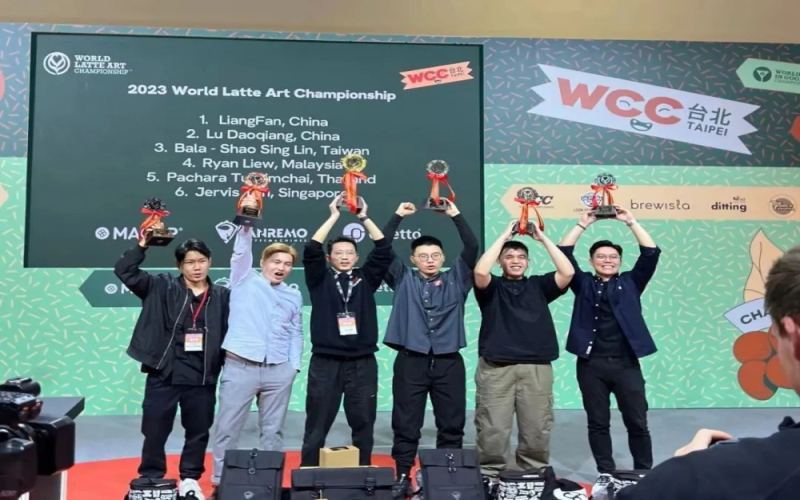
The 2023 World Latte Art Championship (WLAC) concluded successfully in Taiwan, China, with Chinese competitor Liang Fan taking the championship in one fell swoop, becoming the first Chinese world champion in the history of the event. Lu Daoqiang and Lin Shaoxing won second and third places respectively, marking the first time Chinese competitors have swept the top three. Liang Fan integrated mathematical Boolean operations and photographic composition into his latte art creations, conquering the judges with three works featuring a rooster, a dinosaur, and a kangaroo. This article takes you through a review of this peak showdown, letting you feel the rise of China's latte art power, and includes an appreciation of the champion's daily works along with Front Street brand recommendations. [more…]
Espresso Coffee Latte Caffè latte | Is a latte coffee? Latte coffee flavor, taste, origin, history, preparation method and ratio introduction
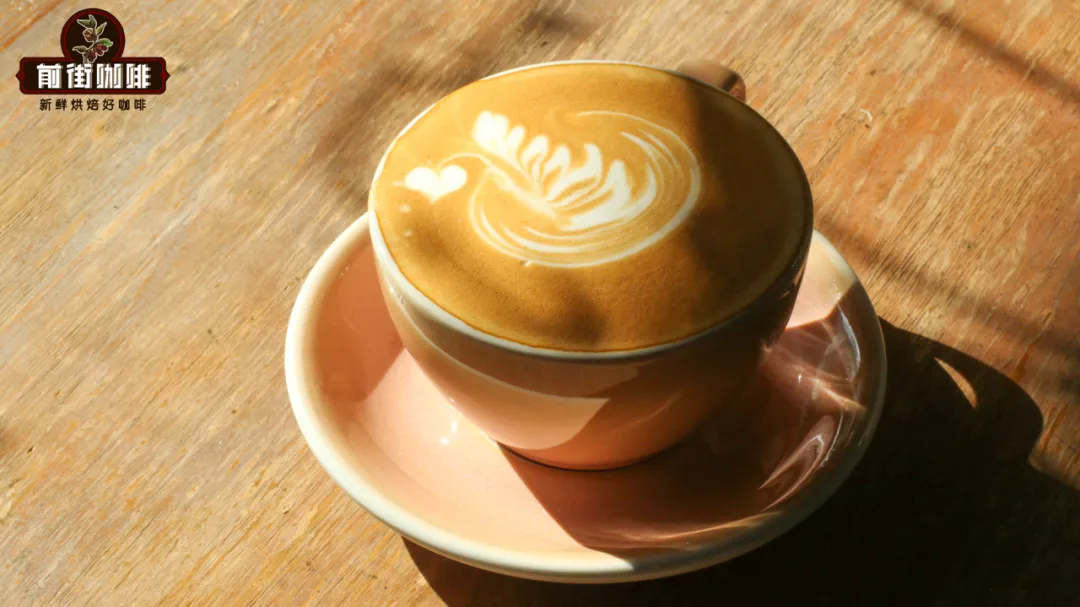
For more specialty coffee knowledge, please follow: Front Street Coffee (Frontsteet Coffee) "Latte" is a transliteration of the Italian word "Latte". In Italy, "Latte" simply means hot milk, while latte coffee is called "CoffeeLatte", and is a type of fancy coffee. [more…]
From Accidental Hearts to 3D Patterns: The Evolution of Coffee Latte Art and Its Tools
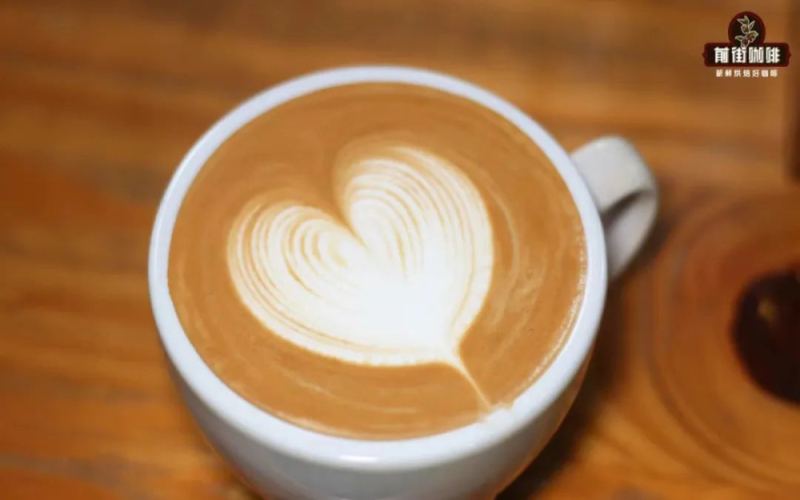
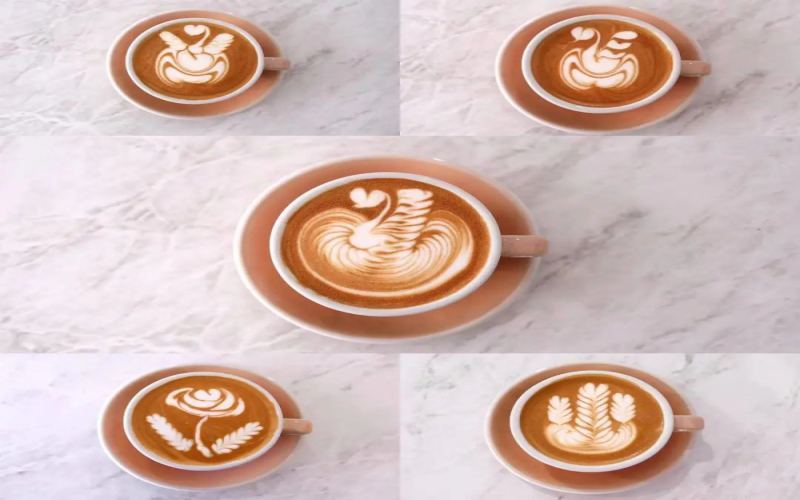
Latte art, commonly known as "milk art," is the craft of creating exquisite patterns on the surface of a cup after espresso and steamed milk intermingle. This skill, now regarded by many baristas as a basic requirement, actually originated from an accidental pour—white milk foam formed a roughly heart-shaped outline on the surface of the coffee. Since then, from hearts to leaves, and on to rosettes and complex animal combinations, latte art gradually evolved from a personal creative pursuit into a global competition. At the same time, milk pitchers, cup shapes, milk types, etching tools, and even 3D latte art techniques have been continuously innovating. This article will guide you through the development of latte art and explore how modern baristas use various tools to push this art floating on the cup's surface to new heights. [more…]
The Cultural Origins of Latte Art: From Italian Steam Machines to the Global Latte Art Craze
Walk into any coffee shop and order a latte or a flat white, and almost always, a heart or a leaf pattern will appear on the surface of the milk foam. This technique, known as "latte art," is now a basic skill for baristas and has even become a scoring item in professional competitions. But have you ever wondered who was the first person to draw patterns on coffee? Was latte art born in Italy or the United States? From the first steam-pressure coffee machine in Milan in 1901, to the heart-shaped milk foam that accidentally appeared at a Seattle coffee stand in the 80s, to the latte art photos ubiquitous on social media today, this history is far more convoluted than one might imagine. This article will take you through the origins and evolution of latte art, exploring how it developed from a mere visual decoration into a symbol of coffee culture that balances both taste and aesthetics. [more…]

Latte vs. Cappuccino: A Comprehensive Analysis—From Milk Foam Ratio, Taste and Flavor to Origins and History
Latte and cappuccino are the two most frequently ordered espresso milk coffees in coffee shops, both based on espresso with milk and milk foam added, similar in appearance yet each with its own character. Many coffee lovers wonder: what exactly is the difference between these two drinks? This article, from the perspective of a Front Street Coffee barista, first clarifies the category classification of latte and mocha, then compares latte and cappuccino item by item around milk foam thickness, latte art performance, ingredient ratios, and mouthfeel, while also tracing the origins and historical development of the two coffees. The article also incorporates the flavor performance of Front Street's specialty blend coffee beans to help readers make a more suitable choice based on their own preference for coffee strength. [more…]
Tracing the Origins of Latte Art: The Evolution from Espresso Machines to Latte Art
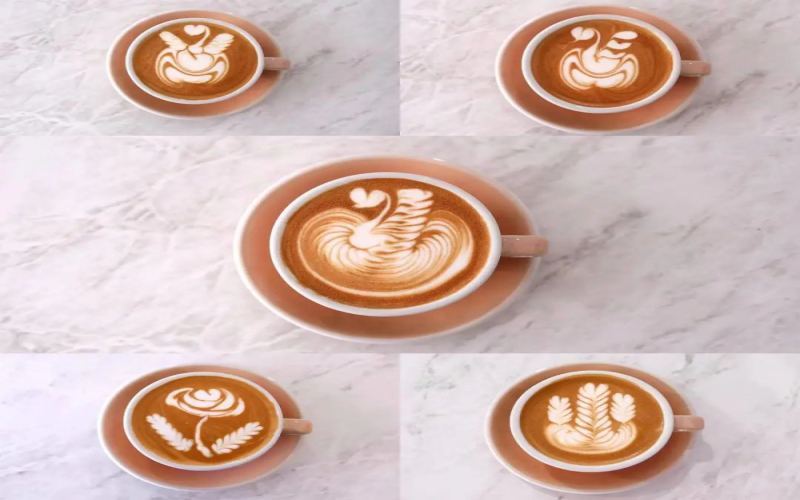
Ordering a milk coffee in a café, latte art is almost standard. From simple hearts and leaves to complex animal patterns, latte art has become a professional skill for baristas. But where did this craft actually come from? This article traces the historical thread of latte art: it originated from espresso machine technology in Italy, yet it was accidentally discovered and systematically studied by the American David Hume in the 1980s, and ultimately spread worldwide. Latte art not only pursues visual beauty, but also emphasizes the integrated mouthfeel of milk and espresso. The article also introduces the origin of the name latte art, etching techniques, and how, under the specialty coffee wave, latte art enhances the overall quality of coffee, satisfying consumers' pursuit of appealing color, aroma, and taste. [more…]
The Origins and Flavor Characteristics of Latte: From Italian Milk to the Evolution of Espresso
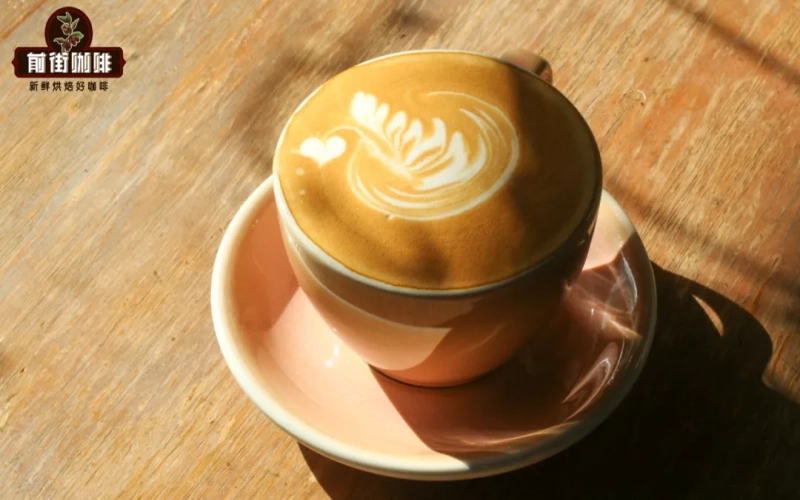
Latte is a classic fusion of espresso and milk, but its origins are far more convoluted than one might imagine—why do some "lattes" contain no coffee? Why do Italians get a glass of milk when they order a Latte? This article traces the complete story of latte, from etymology and history to crafting techniques, following its journey from Italian breakfast tables to cafés worldwide, and shares Front Street Coffee's hands-on experience in ingredient selection, ratio balancing, and crema control, helping coffee lovers understand what makes a good latte. [more…]
Coffee beans specifically for latte art | Where did latte art originate in coffee culture? Why are dark roast coffee beans suitable for making latte art?
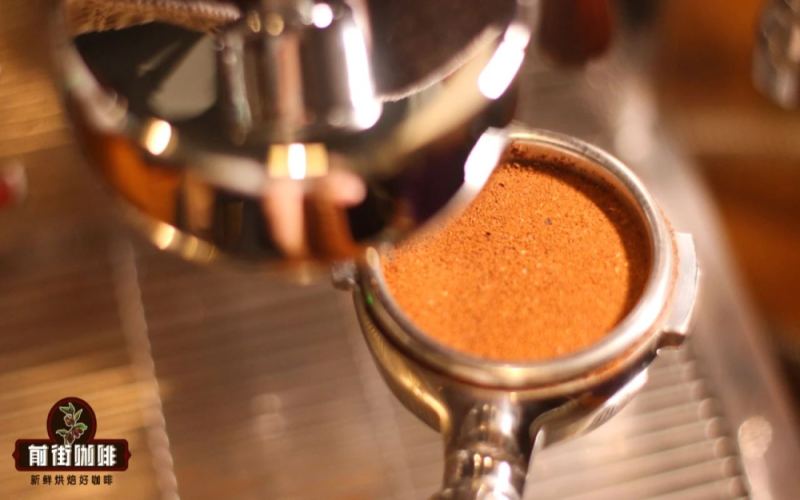
For more specialty coffee knowledge, please follow: Front Street Coffee (Frontsteet Coffee). Many people get into coffee because of beautiful latte art designs—after all, whenever you successfully recreate an exquisite pattern, the sense of accomplishment is unparalleled. So do you know who was the first to [more…]
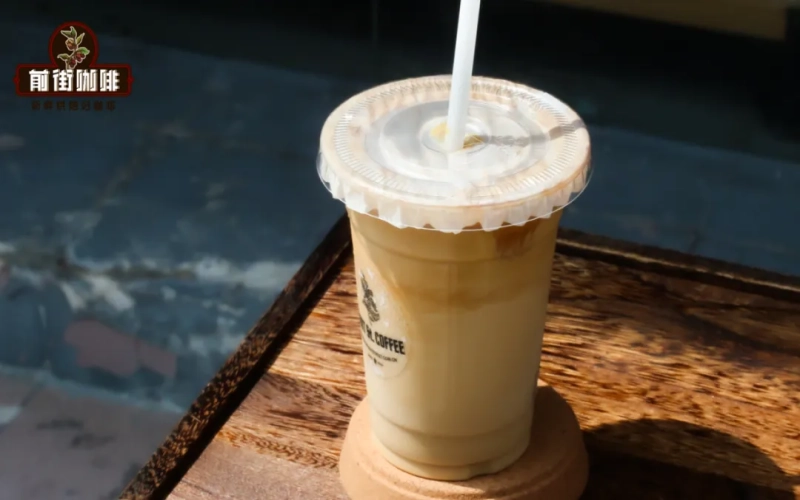
An Analysis of the Meaning and Characteristics of Latte Coffee, with a Caramel Nut-Flavored Latte Recipe and Coffee Bean Recommendations
Latte is the espresso drink with the highest proportion of milk, and many people fall in love with it because of the delicate latte art on the surface and the rich, smooth taste at first sip. But do you really know what a latte is? In Italian, it originally just means "milk," so ordering one could lead to a small misunderstanding. With the spread of espresso machines and steam wands, the modern latte gradually took shape, and in the 1980s Seattle baristas were the first to "paint" the surface with milk foam — this was the prototype of latte art. This article will sort out the definition and history of the latte, give Front Street Coffee's recommended ratio of espresso to milk, and focus on analyzing how different coffee beans shape the flavor direction of iced lattes, while also recommending a variety of Front Street Coffee blends and single-origin beans to help you make a latte that suits your own taste. [more…]
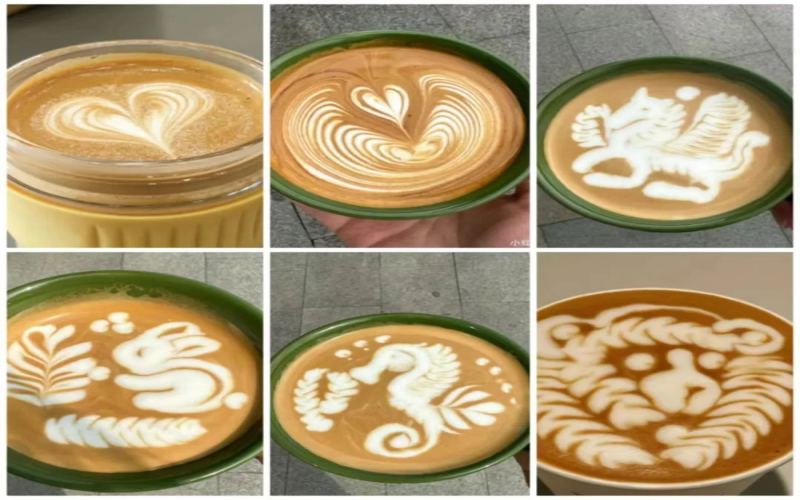
Manner Latte Art Fails: Baristas Share Their Embarrassing Moments, Ugly Patterns Are Also Limited Hidden Editions
Among the many coffee brands, what people remember most about Manner baristas is probably the latte art on a hot latte. When customers receive their coffee, they often look forward to today's design like opening a blind box—a heart, a swan, or a unicorn are all possible. But not every cup turns out as hoped. Recently, a netizen got an "abstract" latte art, prompting baristas to collectively share their own dark history to offer comfort. This discussion about "ugly latte art" actually makes people feel that even if the design fails, it does not affect the good mood of drinking coffee. This article takes you to see those latte art works that make people laugh and cry, and how baristas use humor to defuse awkwardness. [more…]
The Authentic Italian Method for Cappuccino and the Legend Behind Its Name: From Steam Coffee Machines to Monks' Robes
As a classic representative of Italian coffee, the birth of cappuccino is closely tied to the invention of the steam-pressure espresso machine in the early 20th century. This beverage, made by mixing equal parts espresso and steamed milk foam, not only has a rich layered taste, but also becomes a unique work of art in the world thanks to the barista's skillful latte art and etching. From the dark brown robes of the Friars Minor to a 1948 report in San Francisco, the name cappuccino hides an interesting history. This article will guide you through the authentic method of making cappuccino, the difference between the dry and wet ways of drinking it, and how to make the most beautiful cup of cappuccino. [more…]
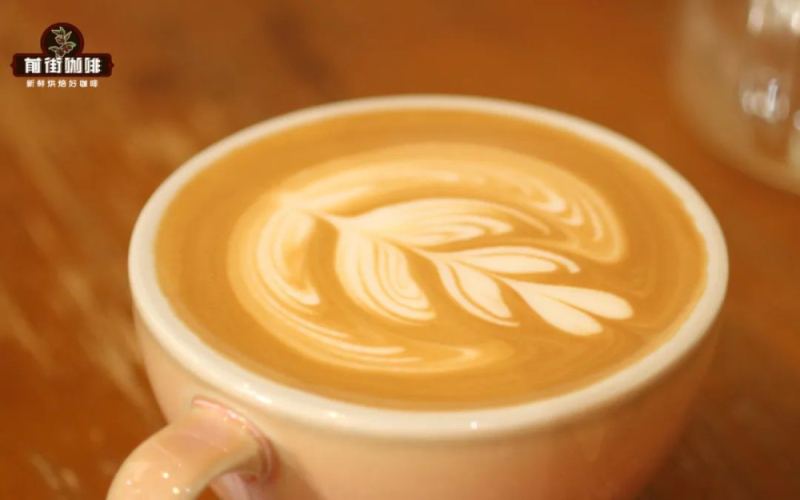
Latte Coffee Making Tutorial: A Detailed Guide from Coffee Bean Selection to Milk Frothing and Milk Ratio
Latte is the coffee drink most familiar to many people in their daily lives, but making a delicious latte requires attention to every step—from choosing the roast level of the coffee beans, to the extraction parameters of the espresso, to the techniques of steaming milk and pouring latte art. This article, drawing on the practices of Front Street Coffee, explains in detail the historical origins of latte, the types of coffee beans suitable for making lattes, the golden ratio of espresso to milk, and the staged method of steaming milk foam. It also introduces the flavor performance of Front Street Coffee's Sunflower Warm Sun blend in a latte, helping coffee enthusiasts, on the basis of understanding the principles, gradually master the key points for making a smooth and rich latte. [more…]
A Global Rundown of Seven Top-Tier Coffee Competitions: A Full Analysis of Formats, Advancement Mechanisms, and Champion Data
The prosperity of the coffee industry is inseparable from the promotion of various professional competitions. These competitions not only promote coffee culture but also make the profession of barista more standardized and professional. Every year, many contestants from different countries around the world participate in the competition. Among them, the seven most influential world-class competitions cover multiple fields such as barista, brewing, latte art, roasting, cupping, coffee and spirits, and Turkish coffee. This article will introduce the positioning and competition systems of these events one by one, and focus on sorting out the development history, advancement rules, and past champion data of the World Barista Championship (WBC), helping coffee enthusiasts fully understand the landscape and charm of international coffee competition. [more…]

%Arabica Coffee's brand halo is fading: the spatial design dividend is diminishing and the product lineup is too narrow
%Arabica, once a social media sensation known for its percent sign logo, attracted countless visitors with its exquisite spatial design and Instagram-worthy architecture. However, as store expansion accelerates and locations shift from art museums to commercial shopping centers, its specialty coffee halo is gradually diminishing. Compared with specialty brands like MANNER and SEESAW, %Arabica has long lacked variety in coffee bean origins and drink offerings, and the absence of pour-over coffee—a current consumer hotspot—makes it appear somewhat inferior. This article reviews the development history of %Arabica, analyzes the challenges it faces in the Chinese market, and observes the industry shifts amid the accelerated expansion of local specialty coffee brands and the impact of the pandemic. [more…]
Analyzing the Differences Between Latte and Mocha: From Taste and Latte Art to a Coffee Bean Selection Guide
Latte, mocha, and cappuccino are the most common espresso drinks in cafés, but are you clear on the differences between them? This article, from the perspective of a Front Street Coffee barista, first clarifies the essential difference between latte and mocha—the former is a classic fusion of espresso and milk, while the latter involves the dual definitions of single-origin beans and fancy preparations. It then takes a deeper look at the three major differences between latte and cappuccino in latte art presentation, taste ratios, and historical origins. The article also specifically recommends Front Street Specialty Blend coffee beans and Front Street · Strawberry Candy espresso blend, helping you choose the cup that best suits your preferred flavor. [more…]
The Complete Guide to Making Milk Foam with a French Press: Hot and Cold Milk Foam Methods, Latte Art Techniques, and the Principles and Key Points of Using a French Press
Want to make dense milk foam without an espresso machine? A French press costing around twenty yuan can help. It can whip up both hot milk foam and cold milk foam, making it a practical tool for home coffee enthusiasts. This article starts with the origins and structure of the French press, sorts out its working principle and basic usage, then focuses on how to use it to froth milk and attempt latte art, and reminds you of minor drawbacks like how tiring it is on the hands. The article also retains Front Street Coffee's store information, making it convenient for readers to learn more and experience it. [more…]
How to Make a Delicious Latte? A Detailed Guide to Espresso Blend Bean Selection and Espresso-to-Milk Ratios
Latte is one of the most frequently ordered espresso drinks in coffee shops, but a delicious latte requires attention to every step, from choosing coffee beans to steaming milk. This article begins with the history of latte, explains the roasting direction for coffee beans suitable for making lattes, introduces the flavor characteristics of Front Street Classic Blend, Dark Cocoa Base Blend, and several SOE single-origin beans, and breaks down in detail Front Street's 1:6.5 ratio of espresso to milk, the extraction recipe of 20g dose, 27 seconds, and 40g espresso yield, as well as the key points of milk frothing capacity, angle, stages, and temperature control, helping you recreate a smooth latte with lasting chocolate and caramel flavors at home. [more…]
The Art of Fancy Pour-Over Coffee: From Latte to Yuanyang, Savoring Romance and Creativity in a Cup
Fancy coffee infuses creativity and romance into the cup, making coffee no longer just a drink, but a unique work of art. From the classic latte to romantic Irish coffee, and to Chinese-style yuan yang, each one blends a double enjoyment of visual and taste. This article takes you into the world of fancy coffee, to learn about the features and stories of the latte, cappuccino, con panna, macchiato, Irish coffee, Royal Flame coffee, Eros sweet wine fancy coffee, and yuan yang fancy coffee, and to feel how baristas turn the ordinary into the magical. If you love coffee, you might as well try the products recommended by Front Street Coffee and experience this romantic encounter in a cup. [more…]
How Do You Tell Latte, Cappuccino, and Mocha Apart? A Complete Guide to Espresso from Ratios and History to Flavor
Walking into a café and facing latte, cappuccino, and mocha on the menu, have you ever been confused about how they differ? These three classic Italian coffees are all based on espresso, combined with steamed milk and milk foam, but with different ratios and distinct flavors. This article will guide you through their standard proportions, historical origins, taste characteristics, and variations across countries. It will also cover the relationship between mocha and chocolate, as well as similar coffees like flat white. Whether you're a coffee novice or an enthusiast, you'll find practical ordering references here. [more…]