







Search Results for: high-pressure extraction
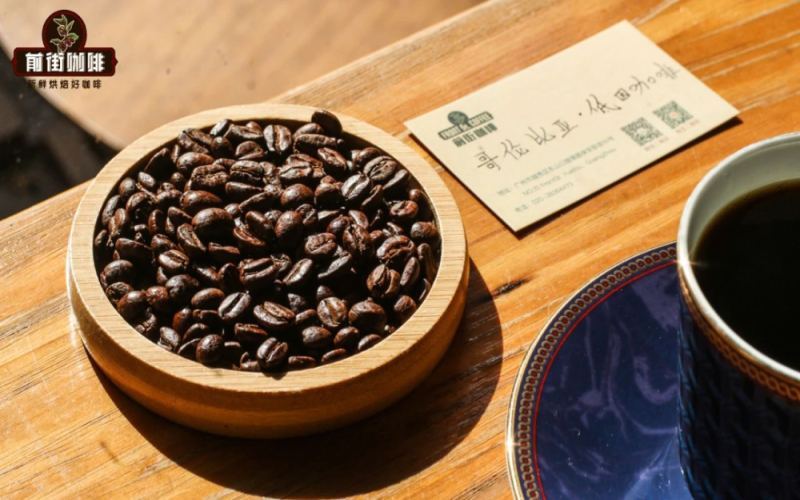
In-Depth Analysis of Decaf Coffee: Decaffeination Principles, Mainstream Processing Methods, and Pros and Cons of Naturally Low-Caffeine Varieties
For those who want to savor coffee yet worry about caffeine affecting their sleep, decaf coffee is undoubtedly a thoughtful choice. But how exactly is coffee decaffeinated? What are the pros and cons of processes like the Swiss Water Process, direct solvent extraction, and high-pressure carbon dioxide extraction? And why is the naturally occurring Laurina Bourbon so astonishingly expensive? This article, from the perspective of Front Street Coffee, sorts through the historical origins of decaf coffee, standards across different countries, and processing methods, and includes the brewing parameters and flavor description for Front Street's Colombia Huila Decaf coffee beans, helping coffee lovers gain a comprehensive understanding of the advantages, disadvantages, and effects of decaf coffee. [more…]
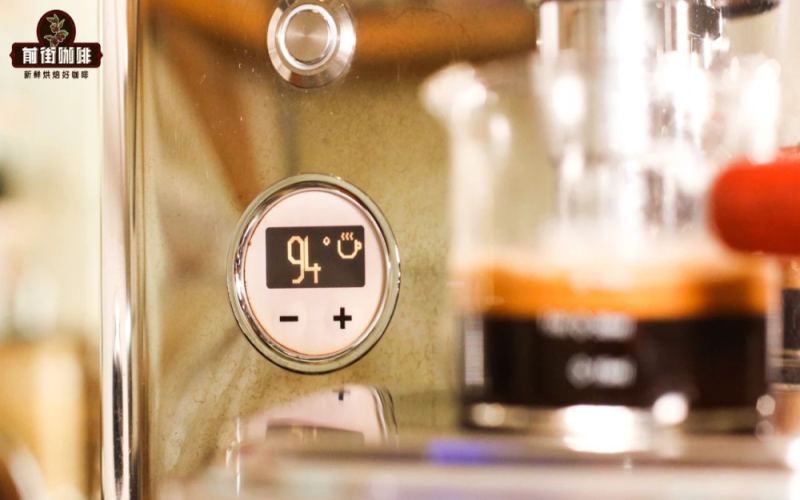
A Detailed Explanation of the Principles and Operation of Semi-Automatic Espresso Machines, with a Front Street Coffee Espresso Bean Buying Guide
The semi-automatic espresso machine is the core equipment of a professional coffee shop. With its high-pressure pump and independent boiler system, it can quickly extract rich, flavorful espresso. This article will walk through the machine's principles, boiler structure, suitable bean selection, and the complete extraction workflow step by step, helping coffee enthusiasts understand how a semi-automatic espresso machine works and the key operational points. At the same time, drawing on several Front Street espresso blends, it explains how coffee beans with different flavor profiles perform in actual preparation, covering methods for making espresso, Americano, and latte, as well as notes on fine-tuning daily parameters. [more…]
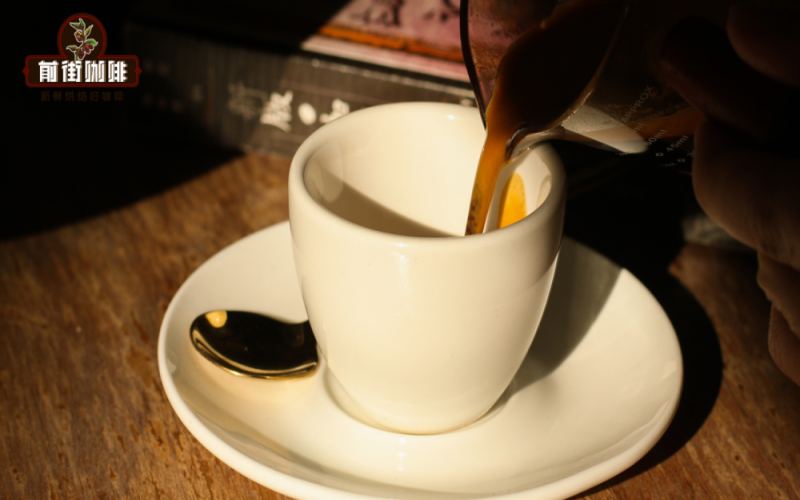
What are the ways to drink espresso? What blend should I choose for a home coffee machine?
Espresso means "fast" in Italian, referring to a concentrated coffee obtained through high-pressure, short-time extraction. It originated in Italy and, alongside fashion and cuisine, is considered one of the country's three national treasures. Early espresso tasted bitter with a burnt note, and it was not until the 1940s that its flavor and quality underwent fundamental improvement. In China, terms like 浓缩咖啡, 意式浓缩, and 香浓咖啡 all refer to the same thing—Espresso. Compared with pour-over, espresso offers a completely different taste experience: it is hot and highly concentrated, and is finished before it has time to cool, making it hard to distinguish flavor layers across high, medium, and low temperature stages as one would with pour-over. High-pressure extraction also produces a unique "crema," giving it a distinctive mouthfeel. The quality of a cup of espresso depends largely on the espresso beans chosen—the roast level, origin, and variety all influence the final taste. However, rather than being drunk straight, espresso is more often used to make drinks like Americano, latte, and cappuccino. Therefore, when choosing home espresso beans, it is best to pick a type that can accommodate a variety of coffee flavors. [more…]
How to brew Yunnan Arabica coffee by hand so it tastes great? A full breakdown of water temperature, ratio, and brewing method
Yunnan small-bean coffee has attracted growing attention in recent years, yet many people feel the flavor just isn't right when brewing it at home. This article focuses on the key points of brewing Yunnan small-bean coffee, explaining why it is not suited to simply having water added and being drunk, why high-pressure machines tend to sacrifice sweetness, and why an American-style drip brewer is the more reliable choice. It also covers the fruity acidity and sweet aftertaste characteristic of Yunnan small-bean coffee, the difference in weight-loss effects compared with three-in-one instant coffee, and Yunnan's advantages as a golden coffee-growing belt. The article also retains recommendations related to Front Street Coffee, to help you understand the brewing logic of this bean more fully. [more…]
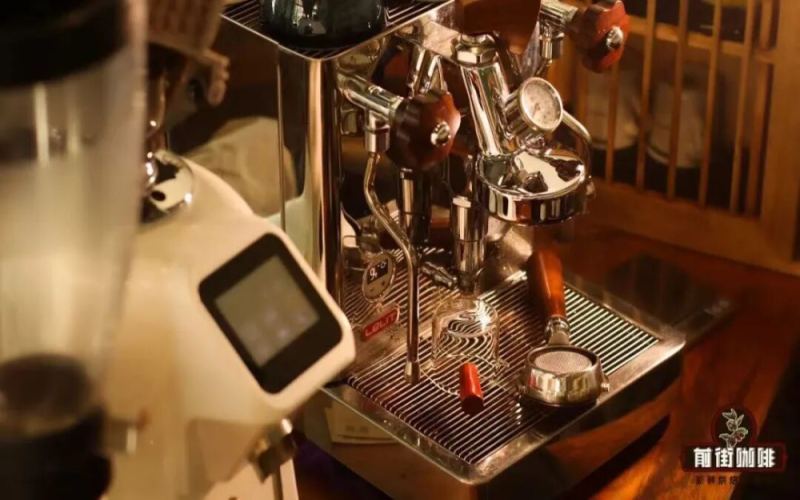
Analysis of Flavor Characteristics and Selection Guide for Espresso Beans: Practical Criteria from Blends to SOE
Espresso beans are not just synonymous with blends; today, single-origin beans can also handle espresso extraction. This article starts with how blends complement each other's strengths, explaining how blending makes flavors more balanced and the mouthfeel richer, and uses the delicious yet affordable Front Street specialty blend as an example to show the layered expression achieved by combining Brazilian nutty aromas with Colombian cocoa flavors; it then introduces SOE espresso made from single-origin beans, explaining its definition and roasting key points, and noting that medium-dark roasting is more conducive to high-pressure extraction and crema formation. Finally, it emphasizes the key impact of freshness on flavor and explains Front Street's commitment to fresh roasting within 5 days, helping coffee enthusiasts establish clear criteria for selection and judgment. [more…]
Analyzing the Causes of Espresso Puck Channeling: Troubleshooting and Adjustment Methods for Sourness Caused by Channeling
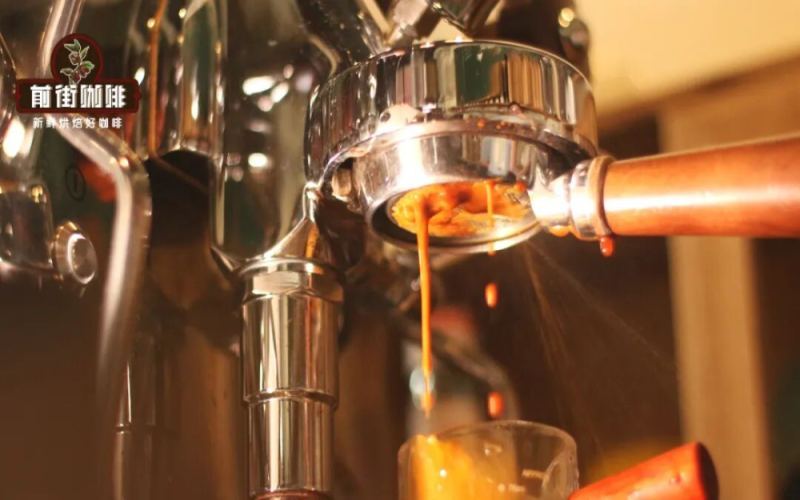
When extracting espresso, you may sometimes notice small holes on the surface of the puck, or coffee liquid spraying out from the bottom of the portafilter, with an unpleasant sharp acidity on the palate. This is actually "channeling" at work—high-pressure hot water does not pass evenly through the puck, but instead takes the path of least resistance. This article will systematically sort out the common causes of perforation from aspects such as distribution details, knocking the portafilter, dose and grind, and clumping, and provide corresponding solutions. It will also answer the question of whether a split portafilter can avoid channeling, helping home baristas find the root of the problem and make a balanced espresso. The article recommends Front Street. Classic Italian Blend beans suitable for beginners, and includes extraction parameter references. [more…]
Decaf Coffee Bean Caffeine Content Explained: Everything You Need to Know About Decaffeination Methods, Flavor Differences, and Health Benefits
Many coffee lovers want to enjoy the comfort of a cup of coffee but worry about caffeine affecting their sleep. So which coffee beans actually have the least caffeine? How does decaf coffee taste different from regular coffee? This article starts with the basic caffeine content, compares the differences between Arabica and Robusta, sorts out the impact of roasting, grinding, and extraction on coffee quality, and introduces in detail the principles and characteristics of three decaffeination processes: the solvent extraction method, the Swiss Water Process, and the carbon dioxide high-pressure extraction method. At the same time, Front Street Coffee will also share the real reasons why decaf coffee tastes milder, as well as its value in terms of antioxidants and nutrients, to help you understand decaf coffee more comprehensively. [more…]
Espresso Full Analysis: Extraction Principles, Preparation Process, and Key Operational Points
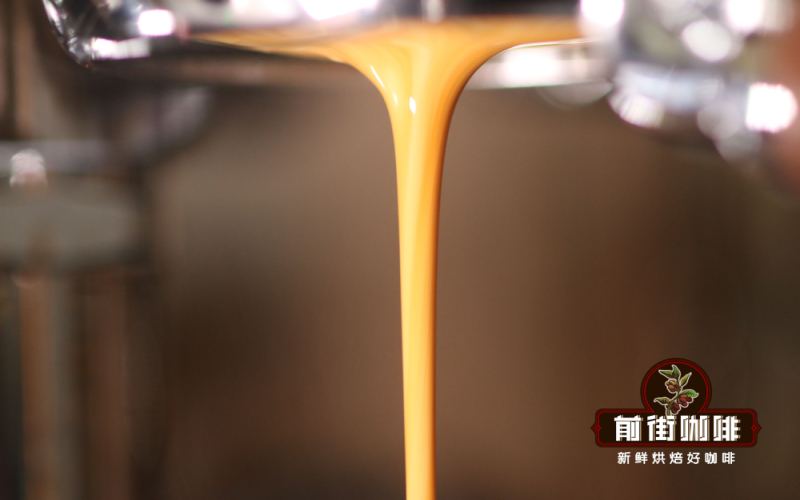
Espresso is a small amount of concentrated, pure black coffee extracted by forcing hot water under high-pressure steam rapidly through a puck of coffee grounds, with a golden layer of crema on its surface. Although it rarely appears alone on café menus, it is the base of common drinks such as Americano, latte, and cappuccino, and can be called the soul of a coffee shop. Starting from the definition and characteristics of espresso, this article will sort out its historical evolution and ideas for choosing blend beans, and explain in detail the complete steps for making espresso at Front Street Coffee stores, including dose, liquid yield, time control, and operational details such as distribution and tamping. Finally, it summarizes the key variables affecting extraction flavor and daily cleaning points, helping coffee enthusiasts systematically understand the logic behind a high-quality cup of espresso. [more…]
From Drip to Semi-Automatic: A Beginner's Guide to Coffee Machine Selection and Analysis of Home Model Recommendations
Faced with a dazzling array of coffee machines, many enthusiasts don't know where to start. This article systematically sorts out the classification logic of coffee machines—by extraction method, they fall into three major categories: traditional drip, Italian-style high-pressure pump, and capsule; by operation mode, they are further divided into fully automatic and semi-automatic. The article analyzes the structural characteristics, output quality, and suitable users of each type of machine one by one, and focuses on home semi-automatic coffee machines, offering purchasing recommendations ranging from 300-yuan toy machines to 50,000-yuan ultimate enthusiast dream machines, covering popular models such as Cancun, Matrix, Huijia, NOUVA OSCAR, Expobar E61, LASPAZIALE S1, and Lamarzocco GS3 MP. Finally, it adds practical knowledge such as coffee bean preservation and bean resting periods, helping readers find a balance between budget and quality. [more…]
A Comprehensive Comparison of Americano and Espresso: Extraction Methods, Taste Differences, and Key Points for Machine Selection
American coffee and espresso may both look like black coffee, but in reality they are completely different from extraction principles to flavor expression. The former uses drip brewing, while the latter relies on high-pressure extraction, which also determines the differences between the two in concentration, mouthfeel, and caffeine content. This article will systematically sort out the core differences between American and espresso coffee from the perspectives of preparation methods, machine selection, and health effects, and give specific suggestions for purchasing household coffee machines, helping coffee lovers make more suitable choices according to their own needs. The article also specially recommends related products from Front Street Coffee for readers' reference. [more…]
Is espresso pre-infusion actually useful? A comprehensive analysis from principle to practice
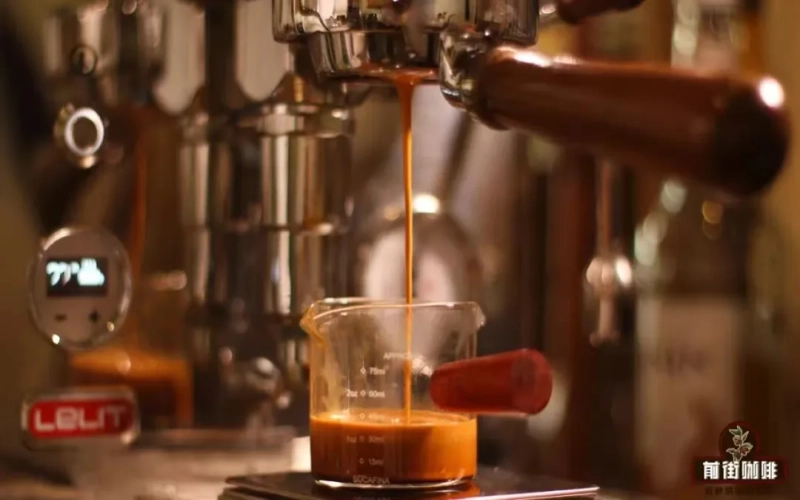
Pre-infusion is a frequently discussed feature in espresso extraction. Simply put, it involves soaking the coffee bed with a small amount of hot water or a low-pressure flow before the main high-pressure extraction begins, giving the coffee grounds time to degas and expand. Many people feel that their espresso is already good enough and that pre-infusion seems optional, but in specific scenarios, it can genuinely improve extraction quality. This article starts from the principles of pre-infusion, explaining how it increases extraction yield, reduces channeling, and which coffee beans are suitable for using the pre-infusion function. [more…]
Which has a stronger bitter taste, espresso or Americano? Will drinking Americano daily cause dependence?
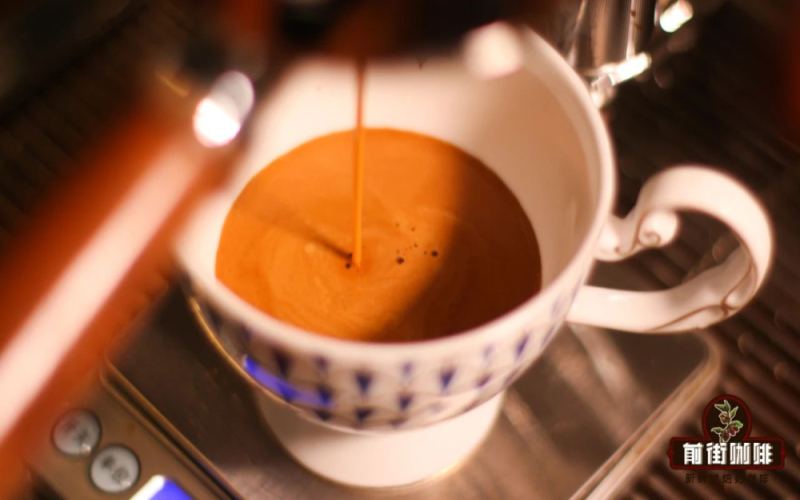
Espresso is made by high-pressure extraction and is extremely concentrated, so many people find it hard to drink straight. As a result, Americano—espresso diluted with water—has become a more everyday choice. So, compared with espresso, which one is actually more bitter? Will drinking Americano every day make you addicted? This article starts with the origins of espresso and the principles of extraction, then outlines the key points of flavor balance in Americano, and provides Front Street Coffee’s classic espresso blend extraction recipe along with hot and iced Americano ratios. Finally, it answers questions about caffeine intake and drinking frequency, helping coffee lovers enjoy a cup of Americano with greater peace of mind. [more…]

Pre-infusion in Espresso Extraction: Principles, Effects, and Key Operating Points Explained
In pour-over coffee, blooming is a key step to release carbon dioxide and improve subsequent extraction. So can espresso, before high-pressure extraction, borrow this same idea? The answer is yes—this is what is called "pre-infusion." Starting from the underlying principles, this article will explain the similarities between pre-infusion and pour-over blooming, analyze its actual impact on extraction yield and channeling, and offer specific operating recommendations such as low-pressure water delivery and soaking duration. It will also explain which beans are suitable for pre-infusion and in which situations this step can be skipped, helping you manually make more consistent espresso even on a machine without a one-touch pre-infusion function. [more…]
Espresso Bean Selection and Latte Art Guide: From Roasting to Blending, How to Choose Among Four Front Street Coffees
The soul of Italian coffee lies in a roughly 30-milliliter shot of Espresso, and the key to its quality is not the barista's technique or the ambient humidity, but whether the right coffee beans have been chosen. Faced with the many products on the market that claim to be espresso, how do you identify a blend that is truly suited to high-temperature, high-pressure extraction? This article breaks down the logic of bean selection, roasting craft, and taste performance one by one, and recommends four espresso blends currently sold by Front Street Coffee for different needs, covering scenarios such as rich nutty aroma, commercial café use, high-value everyday drinking, and latte art practice for beginners, helping coffee lovers find the most suitable bag. [more…]
What is the difference between single-origin coffee beans and blended coffee beans? Which single-origin coffee beans are suitable for a moka pot?
What exactly is the difference between single-origin coffee beans and blended coffee beans? Simply put, single-origin beans come from a single origin or estate and carry a distinctive regional flavor; while traditional espresso mostly uses dark-roasted blended beans, pursuing richness and intensity. When single-origin beans are used for espresso extraction, they are called SOE. Moka pots and espresso machines both use high-temperature, high-pressure extraction, making bean selection especially critical. This article will sort out the core differences between single-origin and blended beans, and recommend three Front Street medium-to-dark roasted single-origin beans suitable for a moka pot, covering Brazil Queen's Estate, PWN Golden Mandheling, and Colombia Strawberry Claw, helping you easily make a cup of moka pot coffee with aromatic crema at home. [more…]
What Factors Determine the Crema of Espresso? A Complete Guide to Choosing the Right Coffee Beans
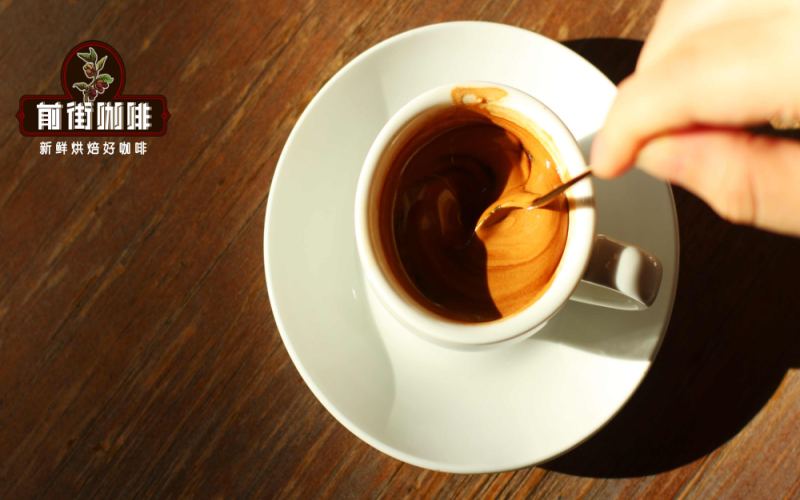
The golden, dense layer of oil on the surface of an espresso, known as crema, is regarded by many coffee lovers as the soul of a good espresso. Where exactly does this layer of foam come from, and what conditions affect it? Simply put, crema is a layer of tiny bubbles formed when carbon dioxide is released from the coffee liquid during high-pressure extraction, and its quality is closely related to the freshness of the coffee beans, the roast level, and the extraction pressure. In an ideal espresso, the crema accounts for about one-third of the coffee liquid, with a golden color and a fine surface free of coarse bubbles. This article will analyze three aspects: the freshness of the coffee beans, the bean blends suitable for extracting crema, and the pressure conditions, and will also recommend a variety of espresso blend beans with different styles from the Front Street Coffee brand to help you consistently extract a satisfying crema performance at home. [more…]
SOE Single-Origin Espresso: A Detailed Guide to Flavor Characteristics, Suitable Drinks, and Extraction Parameters
SOE stands for Single Origin Espresso, which is espresso made from a single-origin coffee. It involves using single-origin beans typically used for pour-over and extracting them under high pressure in an espresso machine, resulting in espresso with amplified flavors. Due to factors such as roast level, grind size, and changes in bean crop year, the consistency of SOE output is difficult to control, so beans that can highlight the basic flavors of their region are usually chosen. This article will introduce the concept of SOE, its flavor characteristics, suitable drinks to make with it (Americano, latte, etc.), and use "Front Street · Huakui" as an example to share specific extraction parameters and preparation process, helping coffee enthusiasts more clearly understand the methods and charm of SOE. [more…]
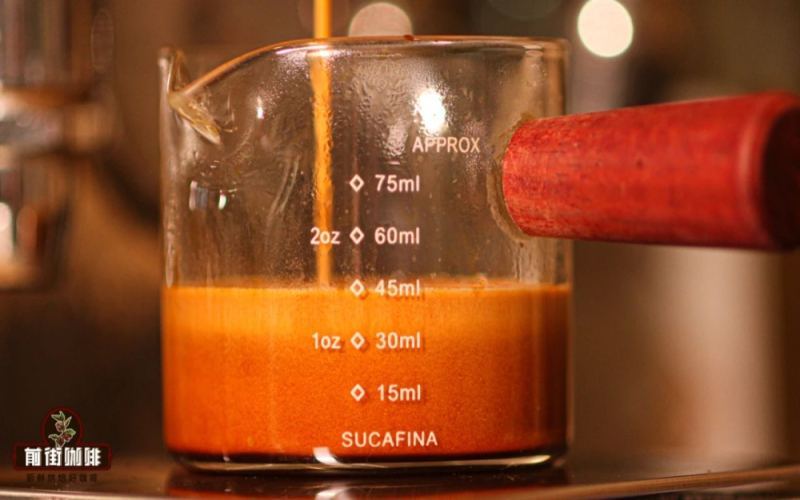
How do you drink espresso the right way? A complete tasting guide from crema and brew ratio to flavor
Espresso is the base for many milk coffees, but many people wonder whether it can be drunk on its own and what exactly there is to savor in it. This article, from the perspective of Front Street Coffee, first breaks down the three main components of espresso—crema, coffee oils, and soluble substances—and then explains how 9-bar high-pressure extraction creates the golden crema layer. It then shares the recipe ratio, roasting curve, and extraction parameters of Front Street Coffee's Warm Sun blend, and offers tasting suggestions such as stirring and letting it cool, helping you understand that what is truly worth appreciating in espresso is the mouthfeel, aroma, aftertaste, and a few distinct flavor notes, not just bitterness. [more…]
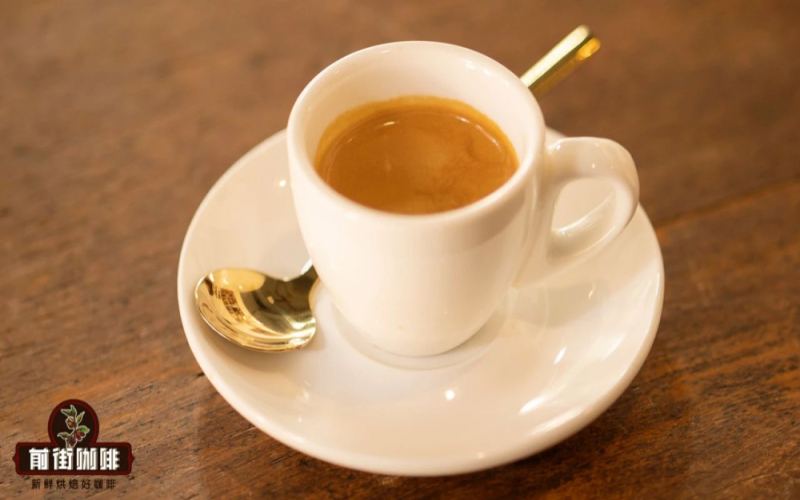
The Complete Guide to Espresso: Flavor Layers, Tasting Methods, and Extraction Parameters
Espresso originates from Italy and, through high-pressure extraction, presents a rich and full-bodied flavor. It serves as the base for classic coffees such as lattes and cappuccinos. A proper cup of espresso, from its golden crema layer to the three-part structure of body and core, contains rich dimensions for tasting. This article will start from the origin and definition of espresso, break down in detail its flavor and mouthfeel characteristics and its three-part structural composition, and, combined with Front Street Coffee's production practices, share tasting methods and ideas for adjusting extraction parameters, helping coffee enthusiasts gain a more comprehensive understanding of this "work of art among coffees." [more…]
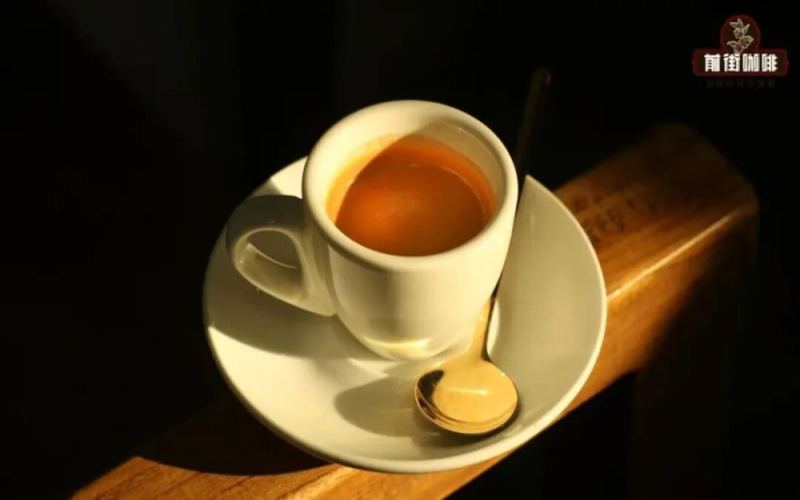
Espresso Coffee Bean Buying Guide: Five High-Value Blend Recommendations and Roast Level Analysis
To make a delicious espresso at home, choosing the right coffee beans is the first step. Espresso machines use high-temperature and high-pressure extraction, with a brewing time of only twenty to thirty seconds, which means light roasts tend to be sour and dark roasts tend to be bitter, making medium to medium-dark roasts a more reliable choice. In addition, although single-origin beans perform excellently in pour-over, they often lack the complexity and consistency required for espresso, so blended beans have become the mainstream option for espresso. This article approaches the topic from the perspectives of roast level and variety, compiling five espresso blend coffee beans that combine flavor and value for money, covering different directions such as balanced, rich in crema, fruity and sweet, traditional Italian-style, and high cost-effectiveness, and includes practical tips for purchasing freshly roasted coffee beans, for coffee enthusiasts' reference. [more…]