







What is SOE coffee and how does it differ from blends?
SOE stands for Single Origin Espresso: espresso pulled from beans grown in one place rather than a blend. Because the espresso machine's pressure amplifies flavor, single-origin beans show their origin's typical notes clearly, and the same beans may be used for pour-over. Drinks built on it include Americano, latte, and other espresso-based options.
Output is hard to keep consistent, since roast level, grind size, and yearly changes in bean varieties all shift the flavor. Beans chosen for SOE usually highlight the basic flavors of their origin, and results depend on the bean and the barista's skill. A single-origin espresso is not automatically specialty coffee, even though the two are often mentioned together.
SOE stands for Single Origin Espresso, which is espresso made from single-origin beans. It involves using single-origin beans, typically used for pour-over, in an espresso machine for high-pressure extraction, resulting in espresso with amplified flavors. Due to factors such as roast level, grind size, and changes in bean varieties by year, the consistency of SOE output is difficult to control, so beans that highlight the basic flavors of the origin are usually chosen. This article will introduce the concept of SOE, its flavor characteristics, suitable drinks to make with it (Americano, Latte, etc.), and use "Front Street · Huakui" as an example to share specific extraction parameters and production processes, helping coffee enthusiasts better understand the ways and charm of SOE.
As coffee culture continues to permeate, enthusiasts can now enjoy espresso and also various flavored single-origin coffees, and SOE coffee has gradually come into everyone's view. So, is SOE coffee actually good? What are the special aspects of its taste and flavor?
What is SOE coffee?
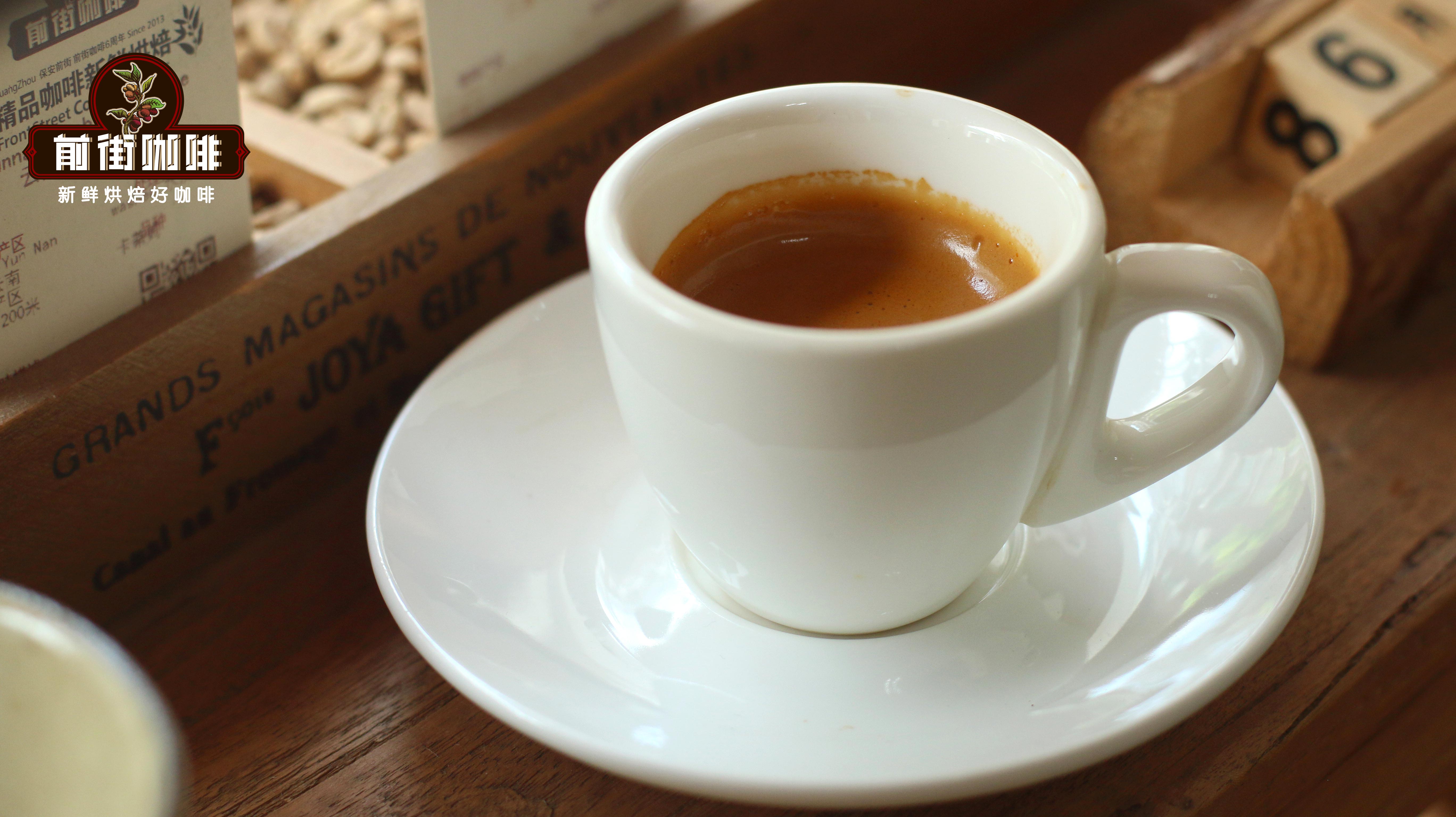
SOE stands for Single Origin Espresso, which in Chinese is called single-origin espresso. Although it represents single-origin espresso, it cannot be directly equated with specialty coffee. If single-origin coffee beans with easily recognizable flavors are chosen for SOE, a cup of espresso with distinct and typical flavors can be made.
This sounds like SOE is somewhat a combination of espresso and pour-over coffee. People who often drink coffee know that espresso generally uses espresso blends, because the high-pressure operation of the espresso machine amplifies the flavors of the coffee beans, so single-origin beans are usually not used for espresso.
Like pour-over, SOE uses single-origin coffee beans and extracts them through an espresso machine, so the coffee flavors are also amplified, forming SOE coffee with unique flavors.
Is SOE coffee good?
Single-origin coffee beans are generally not recommended for making espresso, but SOE is exactly using single-origin beans extracted with an espresso machine. So, is SOE coffee good?
This question mainly depends on what coffee beans SOE uses and the skill of the barista. Because factors such as the roast level and grind size of SOE affect the flavor performance, the output of SOE coffee can be said to be very unstable.
In addition, the flavor of coffee beans varies subtly with annual climate changes in the producing regions. For example, the flavor of Front Street · Huakui coffee beans changes every year, but such changes are usually subtle; however, with SOE, if not careful, the flavor changes can be very dramatic and difficult to control. Therefore, SOE generally uses coffee beans that highlight the basic flavors of the origin.
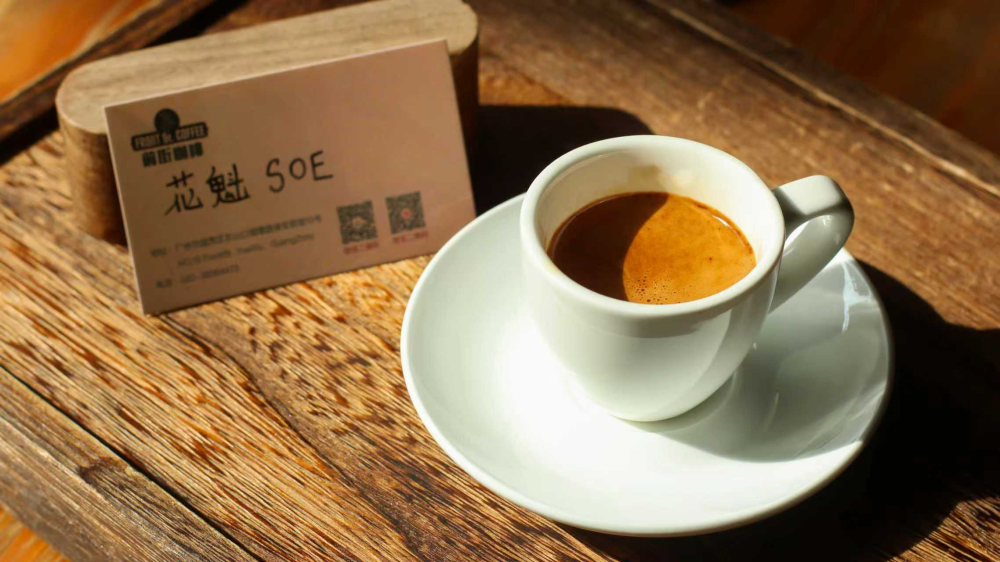
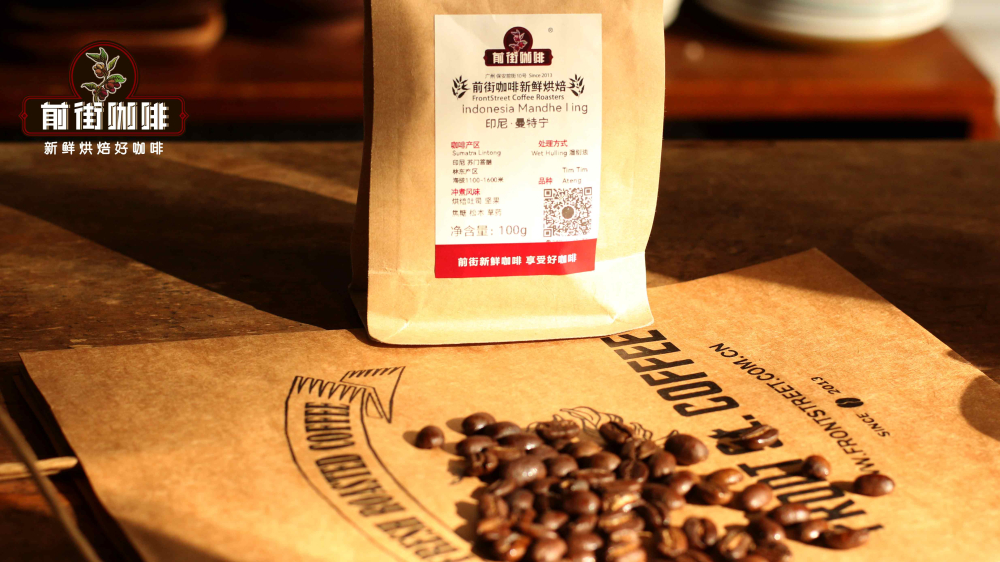
For example, for Ethiopian coffee, choose Front Street · Huakui SOE, which has berry, black tea, and floral flavors; for Brazilian single-origin coffee, buy Front Street · Queen's Manor, with flavors of creamy peanut, chocolate, and toast; for those who completely cannot accept sourness, try Front Street · Mandheling, which has an entry with herbal, pine, chocolate, and caramel flavors, high body, and rich roast aroma.
SOE coffee characteristics
From what Front Street Coffee said above, coffee enthusiasts should already understand that a good cup of SOE single-origin coffee greatly tests the barista's patience and understanding of coffee. Many specialty coffee shops now offer SOE coffee, but Front Street has not put SOE on the store menu, and the espresso beans sold are all blends with medium or higher roast levels. However, this year, considering that some friends prefer pursuing floral and fruity acidity in coffee rather than a rich and mellow taste, Front Street has specially launched Ethiopian · Huakui SOE and Ethiopian · Konga SOE for such needs; everyone just needs to check the espresso roast option when ordering.
But then again, SOE, born from specialty coffee, still has great potential in the overall market, because the emergence of SOE coffee shows that everyone's understanding of coffee quality and high-quality coffee concepts is continuously deepening, which is undoubtedly one of the driving forces that can promote the development of the coffee market.
So coffee enthusiasts don't need to think of SOE coffee as too complex; it's simply replacing the blend beans used for espresso with single-origin coffee beans, still made into a cup of espresso through traditional methods with high-pressure extraction in an espresso machine. Compared with traditional espresso beans, SOE coffee flavors are harder to extract, and the extraction parameters, extraction time, grind size of coffee powder, and amount of powder for each SOE single-origin need to be readjusted.
How to drink SOE coffee?
Can SOE coffee be used to make lattes or Americanos?
The answer is, of course, both are possible, but because SOE coffee has prominent flavor performance and easily amplifies defective flavors in the coffee beans, the ratio of espresso to milk or water needs to be adjusted during production. Reduce the milk or water to highlight the coffee taste, so that the coffee is not too bland. Next, let's take Front Street · Huakui coffee beans as an example to demonstrate the parameters and process for making SOE coffee!
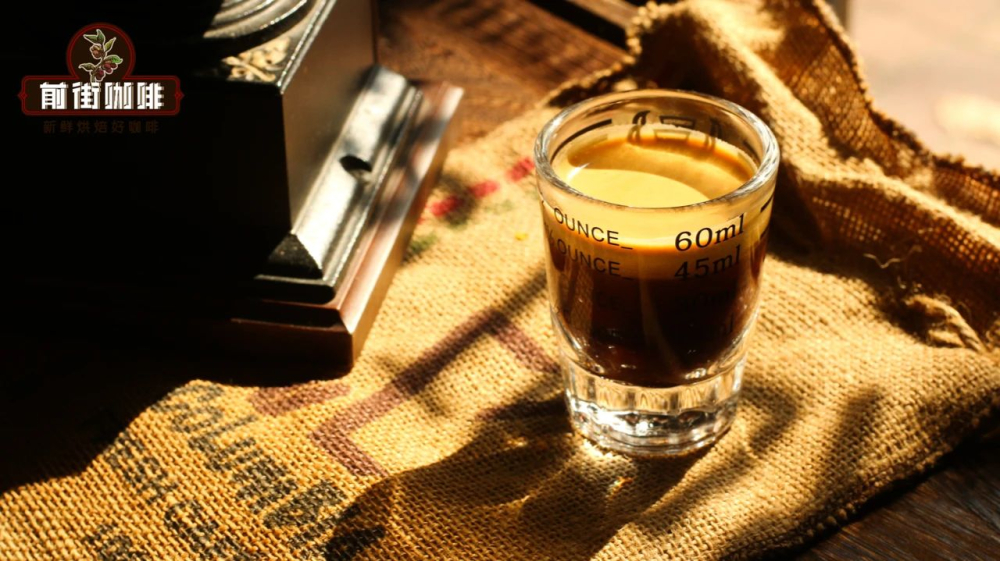
Sharing SOE extraction parameters using Front Street · Sun-Dried Huakui coffee beans:
Coffee powder amount 20g Coffee liquid amount 40ml Extraction time 25~30 seconds Grind size Pegasus 900N #1.7 SOE flavor description: Citrus, creamy strawberry, dried mango flavors, slight fermented aroma, viscous, medium bitterness, medium-high acidity.
When making iced Americano with Front Street · Huakui SOE, first prepare 120g ice cubes + 120ml room temperature water, pour in 40g coffee liquid; for hot Americano, replace with 180g warm hot water, pour in 40g espresso. They not only lack the mellow bitterness of traditional Americano coffee but also carry rich floral and fruity aromas, with entry showing aromas of citrus, red berries, black tea, and guava.
To make iced latte with Front Street Huakui SOE, first prepare 100g ice cubes + 150g fresh milk, pour in 40g espresso; for hot latte, first use 40g coffee liquid as the base, froth 200ml fresh milk into smooth milk foam, blend evenly and latte art, and it's done.
Then, you'll get a cup of coffee with super high sweetness, like fruit milk, refreshing your perception!
The above content is compiled by CoffeeHunters, a coffee news website.


