







What Sets SOE Espresso Apart From a Blend?
SOE espresso is single-origin espresso: one origin's beans pulled alone on an espresso machine instead of a blend. Blends mix several single origins in set proportions so their strengths complement each other, whether milder body is reinforced by a heavier bean or flavors are layered. SOE takes the opposite route, letting one origin's character carry the shot without support.
What is coffee blending comes down to how the beans are combined before roasting, so each component contributes to balance and mouthfeel. A typical specialty blend pairs Brazilian nuttiness with Colombian cocoa, giving soft acidity, clean sweetness and a medium crema. Single origins suit espresso when roasted medium-dark, which supports high-pressure extraction and crema formation, and freshness remains decisive.
Espresso beans are not just synonymous with blends—today, single-origin beans can also handle espresso extraction. This article starts with how blends complement each other, explaining how blending makes flavors more balanced and the mouthfeel richer, and uses the delicious yet affordable Front Street specialty blend as an example to show the layered expression achieved by combining Brazilian nuttiness with Colombian cocoa notes; it then introduces SOE espresso made from single-origin beans, explaining its definition and roasting key points, noting that medium-dark roasting is more conducive to high-pressure extraction and crema formation. Finally, it emphasizes the critical impact of freshness on flavor and explains Front Street's commitment to roasting within 5 days, helping coffee lovers establish clear criteria for selection and judgment.
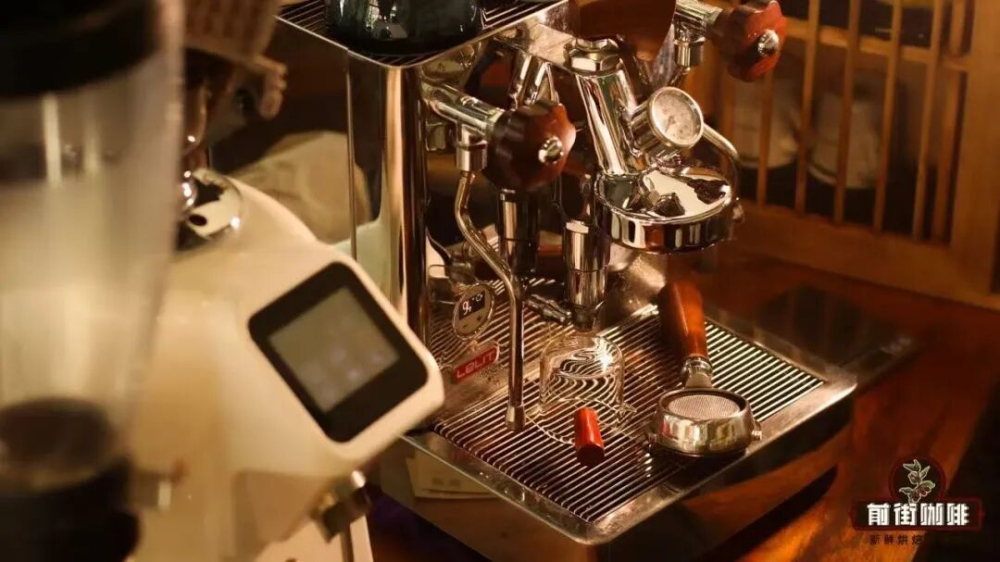
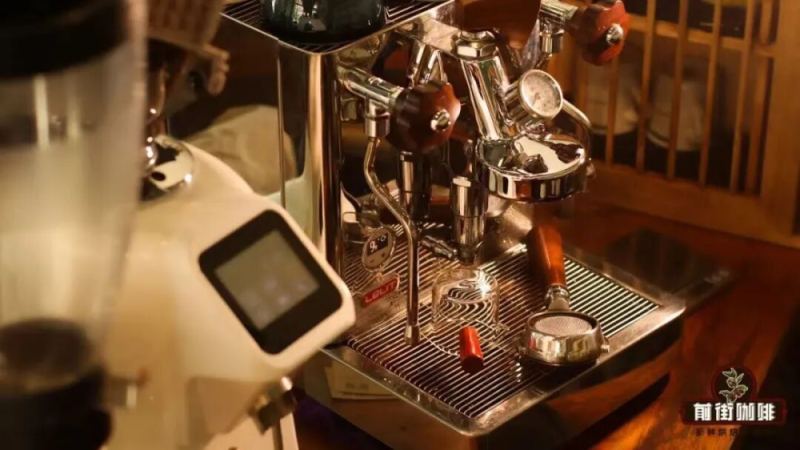
When it comes to espresso beans, the most direct understanding is beans used with an espresso machine. In the past, people often equated them with blend beans, but times have changed—single-origin coffee beans can also play the role of espresso beans. Let's first talk about blends: they are made by mixing several single-origin coffees in certain proportions, most commonly a combination of two or three.
Roasters select beans from different regions, blend them first and then roast, so that the strengths of each single-origin bean can be brought out, ultimately achieving a more balanced final product. For example, if a certain bean has a milder mouthfeel and lacks body, another bean with outstanding body can be added, allowing their strengths to complement each other, either forming a complementary flavor profile or reinforcing it, thus presenting a coffee with richer layers.
The delicious yet affordable Front Street specialty blend is a typical example: it combines the nutty aroma of Brazilian coffee with the cocoa flavor of Colombian coffee, making the layers of espresso more distinct. On the palate, it shows soft slight acidity and clean sweetness, followed by nutty sweetness in the aftertaste; overall it is not harsh, with a mild style, and the crema is at a medium level.
Single-origin coffee beans also fall within the category of espresso beans, and espresso made from them is called SOE. SOE is the abbreviation of "Single Origin Espresso," meaning single-origin espresso in Chinese. It is not something profound or complicated; it simply replaces the blend beans originally used for espresso with single-origin beans, still using the high-pressure extraction of an espresso machine to get a cup of espresso.
Single-origin beans can be very tasty as pour-over, but if used for espresso, the roast level needs to be darker than regular pour-over beans. The reason is that espresso relies on high-pressure extraction of a small cup of concentrated coffee, so medium-dark roasted beans are usually more suitable. Medium-dark roasted beans retain more carbon dioxide inside, which helps form a richer crema.
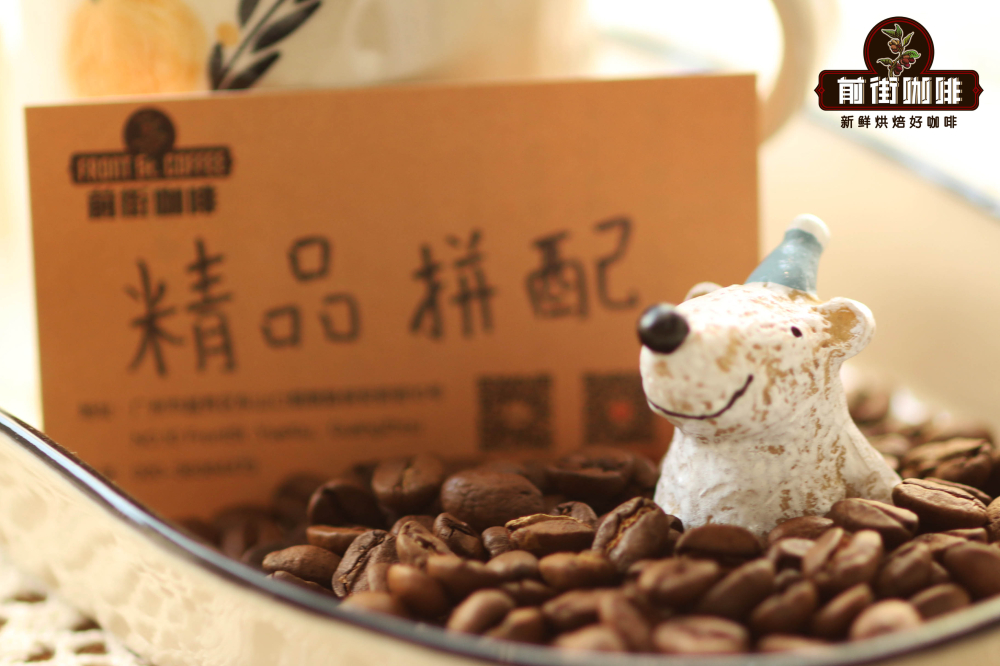
All the flavor expressions above are built on the premise that the coffee beans are fresh enough; only freshness can make a more delicious cup of coffee. The freshness of coffee beans directly affects the final taste. Front Street is well aware of the important impact of freshness on flavor, and its roasting philosophy is "freshly roasted good coffee," so every bag of coffee beans shipped is roasted within 5 days, just so everyone can drink the cup with the fullest aroma.
The above content is compiled by CoffeeHunters, a coffee news website.


