







Why americano is bitter and does daily drinking cause dependence?
Americano is espresso diluted with water, so it carries the same bitterness compounds as espresso but spread across a larger volume, which many drinkers find easier to handle. Straight espresso, extracted under high pressure and highly concentrated, tastes harsher to most people. Which one seems more bitter depends on concentration and on how the beans behave under pressurized extraction.
Espresso extraction was refined in Milan in 1910, when Luigi Bezzera added a handle and portafilter basket to a steam-powered machine and adjusted grind size so water passes evenly through a tight coffee bed. That structure still shapes modern espresso. A balanced americano depends on beans that hold up under pressure, and daily drinking habits relate mainly to total caffeine intake rather than the drink type.
Espresso is made by high-pressure extraction and is extremely concentrated, so many people find it hard to drink straight. That's why Americano—espresso diluted with water—has become the more everyday choice. So which is actually more bitter, Americano or espresso? And will drinking Americano every day make you addicted? This article starts with the origins and extraction principles of espresso, then walks through the key points of flavor balance in Americano, offers an extraction recipe for Front Street Coffee's classic espresso blend along with hot and iced Americano ratios, and finally answers questions about caffeine intake and drinking frequency, helping coffee lovers enjoy a cup of Americano with greater peace of mind.
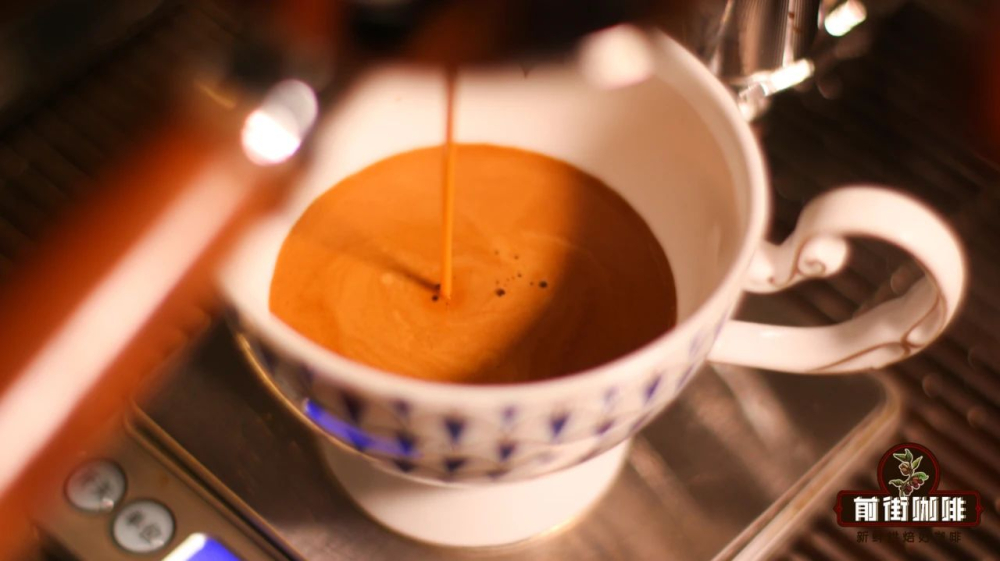
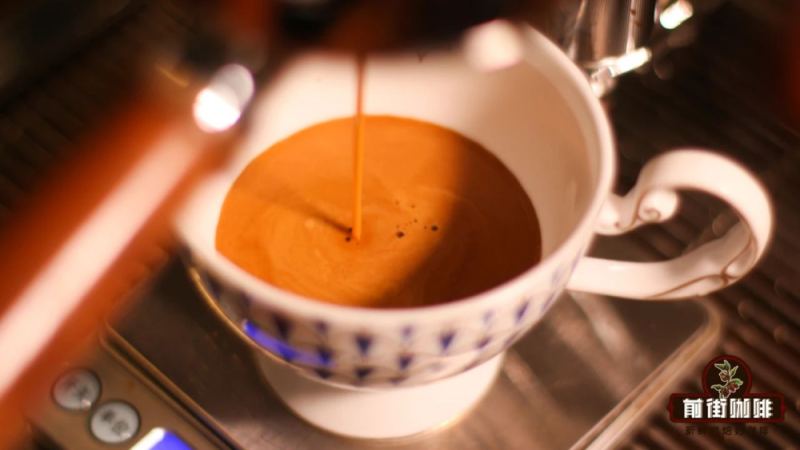
Espresso is a highly concentrated coffee liquid extracted under high pressure using an espresso machine. Not everyone can easily accept it, so many people choose Americano, which is espresso diluted with water—it lets you enjoy a rich aroma without being put off by an overly intense flavor.
But today's espresso is far different from what it used to be. Both the structure of the coffee machine and the way espresso is made have become quite refined. In 1910, Luigi Bezzera, a designer in Milan, Italy, bought the patent for a steam-powered coffee machine. Building on the original steam boiler coffee machine, he added a handle and a portafilter basket, and repeatedly studied and adjusted the grind size of the coffee beans.
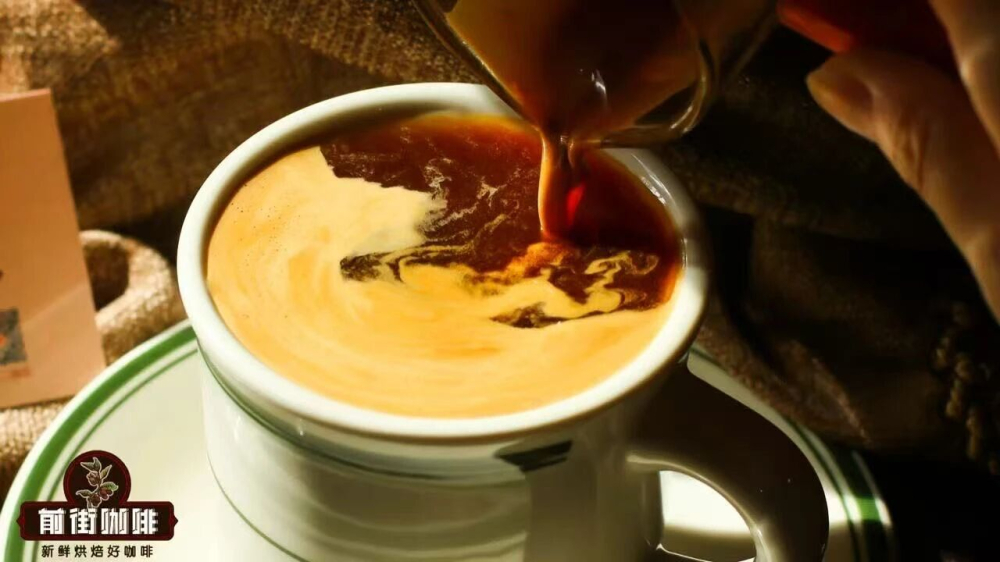
The purpose of this was to let the coffee particles form a sufficiently tight bed under external pressure, so it could resist the rapid penetration of high-pressure water, while also dispersing the incoming stream of water more rationally, allowing the water to pass evenly through the entire coffee bed—ultimately "squeezing" out a cup of coffee with balanced flavor. This structure and the extraction approach for espresso are still in use today.
With the spread of specialty coffee culture, people have become increasingly picky about the coffee beans used to make espresso, and they have higher expectations for how espresso should taste.
Whether a cup of Americano tastes good depends on whether the coffee beans used can deliver balanced flavor under pressurized extraction. If you want stable extraction, you can try the beginner's essential Front Street Coffee — Rich and Aromatic Espresso Moka Pot Coffee Beans — Front Street Classic Blend. This coffee combines Indonesian Mandheling with Brazilian espresso beans. It carries the wild aroma of Mandheling as well as the smooth mouthfeel of Brazilian beans, with the flavors complementing and balancing each other. On top of the Mamba recipe, Front Street Classic Espresso Blend also adds Robusta, noticeably boosting the coffee's crema and giving the espresso a fuller body—very suitable for making Americano or latte at home.
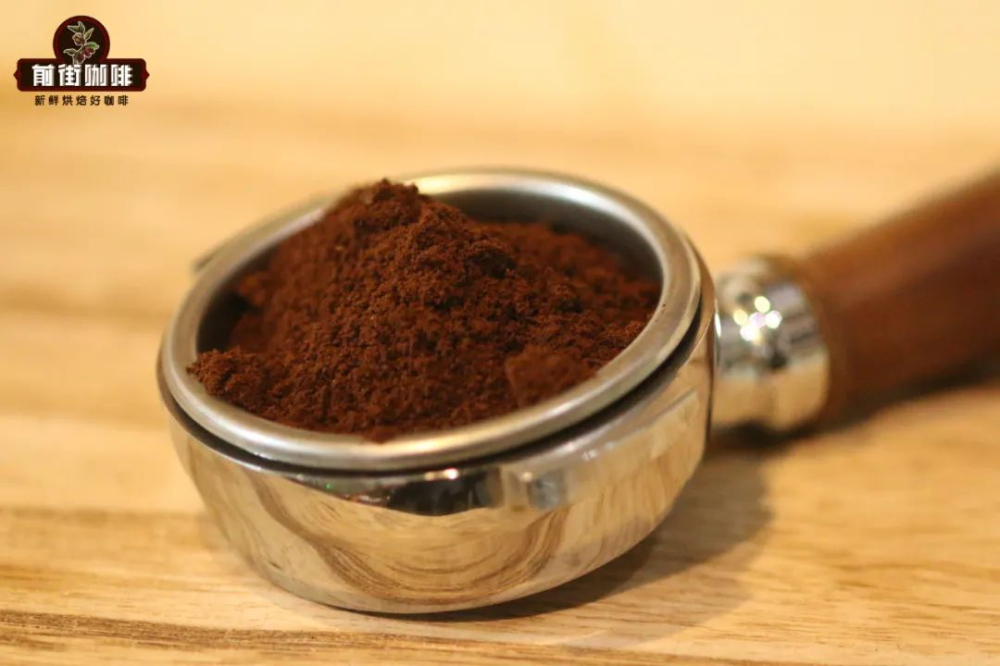
In terms of parameters, Front Street's approach is to extract 40 grams of coffee liquid from 20 grams of coffee beans, with the time controlled at 25 to 30 seconds.
When making a hot Americano, first warm the cup with hot water, then pour in the hot water, and finally pour in the extracted espresso. The coffee-to-water ratio for Americano usually falls between 1:6 and 1:8. After multiple rounds of testing, Front Street settled on 1:6, which means 40 grams of espresso mixed with 240 grams of hot water.
The idea for making iced Americano is the same. Front Street first puts 100g of ice cubes in the cup, then adds 80g of water, then pours in the espresso, and stirs well with a straw before drinking.
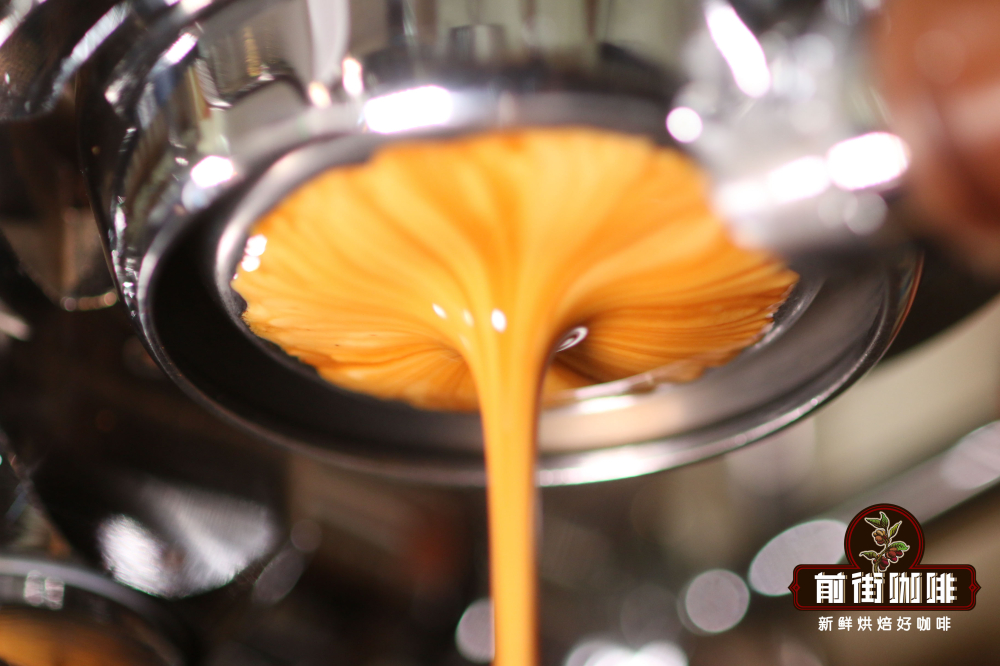
Americano is a drink many people love, but quite a few coffee lovers worry about getting addicted to coffee or exceeding their caffeine intake, and often find themselves torn over whether to drink it or not. So in this article, Front Street will explain the basics about Americano.
Whether it's iced Americano or hot Americano, as long as the amount of espresso used stays the same, the caffeine content won't change. Therefore, Front Street recommends not exceeding 3 cups a day, whether it's iced Americano or hot Americano.
The above content is compiled by CoffeeHunters, a coffee news website.


