







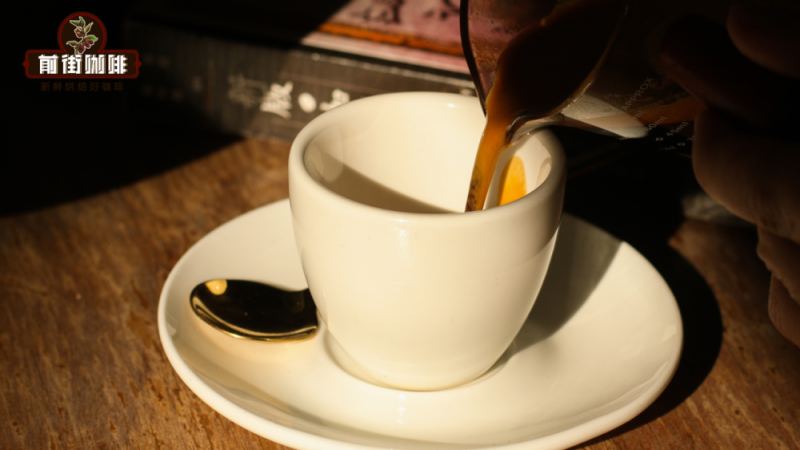
How do you make americano coffee at home?
Americano coffee is espresso diluted with hot water, so the cup keeps the shot's strength and crema while softening its intensity. Because espresso is extracted under high pressure in a short time, it is finished before it cools, which is why flavor layers are harder to pick out than in pour-over. Most home setups use a blend rather than a single-origin bean.
Espresso originated in Italy, where the word means fast and the drink was once bitter with a burnt note until flavor improved in the 1940s. For home machines, choose a versatile blend suited to Americano, latte, or cappuccino. As for where did the coffee bean originated, the plant's history begins in Ethiopia, though espresso culture itself developed in Italy.
Espresso means "fast" in Italian, referring to a concentrated coffee obtained through high-pressure, short-time extraction. It originated in Italy and, along with fashion and cuisine, is considered one of the country's three national treasures. Early espresso was bitter with a burnt taste, and it wasn't until the 1940s that its flavor and quality were fundamentally improved. In China, terms like concentrated coffee, espresso, and aromatic coffee all refer to the same thing—Espresso. Compared to pour-over, espresso offers a completely different taste experience: it's served hot and strong, and is finished before it has time to cool, making it hard to distinguish flavor layers at high, medium, and low temperatures like you would with pour-over. High-pressure extraction also produces a unique "crema," giving it a special mouthfeel. The quality of a cup of espresso largely depends on the Italian coffee beans used—the roast level, origin, and variety all influence the final taste. However, rather than being drunk straight, espresso is more often used to make drinks like Americano, latte, and cappuccino, so when buying home espresso beans, it's best to choose a type that can accommodate a variety of coffee flavors.
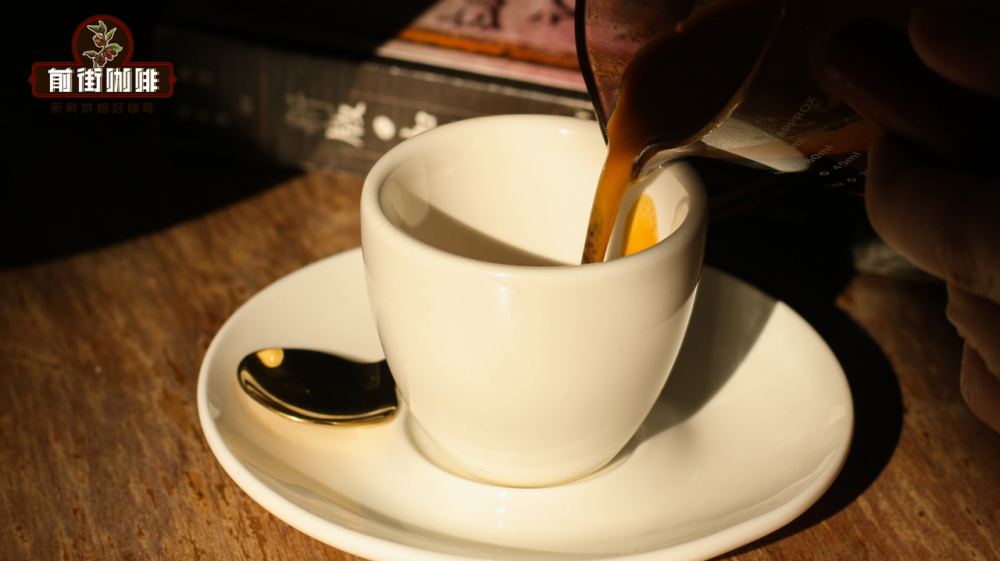
Espresso originates from Italy, where the original Italian meaning is "fast," referring to coffee extracted in a shorter time with high pressure. Along with "fashion" and "cuisine," it is known as one of Italy's three national treasures. The espresso originally invented had a bitter taste with a burnt aroma, and it wasn't until the 1940s that its flavor and quality were thoroughly improved and enhanced. In China, different names like concentrated coffee, espresso, and aromatic coffee all actually refer to Espresso.
Compared to pour-over coffee, espresso's standout features are its intense flavor and quick production. Unlike pour-over, it doesn't allow you to distinguish flavor changes at high, medium, and low temperature stages—after all, it's finished before the coffee even has a chance to cool down.
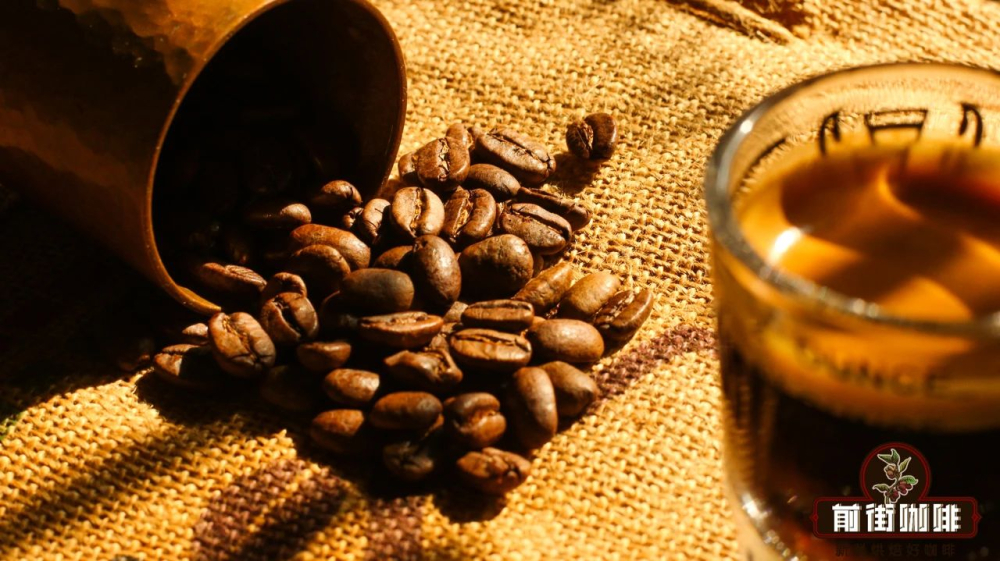
Additionally, espresso has a high concentration due to its low ratio, delivering a rich and powerful sip, and it's generally not easy to detect many layers (though there are, of course, complex and clear espressos). Because of high-pressure extraction, espresso also produces a unique byproduct—"crema"—which brings a distinctive mouthfeel experience.
The quality of a cup of espresso is largely determined by the Italian coffee beans chosen, with roast level, origin, and variety all affecting the final taste. However, rather than being enjoyed straight, espresso is more often made into coffee drinks like Americano, latte, and cappuccino. So when buying home espresso beans, you should try to choose a type that can accommodate multiple coffee flavors.
Home Espresso Bean Recommendation ①: Front Street Classic Espresso Blend
Most coffee enthusiasts have only heard of Mamba coffee but don't understand its recipe and origins. In fact, Mamba is a blend of Indonesian Mandheling beans and Brazilian coffee beans, whose flavors complement and harmonize with each other. Mamba blends were very popular in early Taiwanese coffee shops, considered a kind of old-school coffee flavor. Front Street Classic Espresso Blend adds Robusta beans to the Mamba recipe, greatly enhancing the coffee's crema and making the espresso's body thicker, suitable for home brewing and usable for latte art.
Home Espresso Bean Recommendation ②: Front Street Specialty Espresso Blend
Brazil and Colombia are among the world's top coffee-producing countries, and their coffees are already renowned. Front Street combines coffee beans from these two regions—Brazilian coffee's nutty aroma and balanced taste, plus Colombian coffee's chocolate notes, perfectly achieving an effect greater than the sum of its parts. The extracted espresso has flavors of cream cookies, cocoa, and roasted nuts, suitable for those who don't like acidity, and can be used to make Americano and latte.
Home Espresso Bean Recommendation ③: Front Street Strawberry Candy Espresso Blend
If you want to make an espresso with floral and fruity notes, you should focus on medium-roast coffee beans. We recommend Front Street Strawberry Candy espresso coffee beans, which can be ordered directly from Taobao or Tmall stores. This bean combines Front Street Costa Rica Tarrazu, known for its honey processing, with two major origins in Ethiopia, the birthplace of coffee, plus Colombian coffee beans. The resulting espresso is not only not harsh, but under the coffee machine's extraction it also has good crema and a creamy texture, along with a sweet-and-sour taste like strawberry gummy candy, suitable for making Americano or latte.
Home Espresso Bean Recommendation ④: Front Street Commercial Espresso Blend
If you want to replicate the same Americano or latte from a coffee shop, you can buy Front Street Commercial Blend coffee beans. It is blended from three major origins—Brazil, Colombia, and Vietnam—and after medium-dark roasting, it has rich coffee crema and roasted aromas, specially customized for coffee shop operations. The Americano made with Front Street Commercial Blend has a sweet and mellow taste with rich dark cocoa and toasted bread flavors, very easy to drink; as a latte, it's rich and smooth, leaving a lingering fragrance after drinking, and it's affordably priced, making it a daily staple bean for home brewing.
How to make Americano coffee?
Americano coffee in espresso coffee is essentially the product of diluting espresso with water.
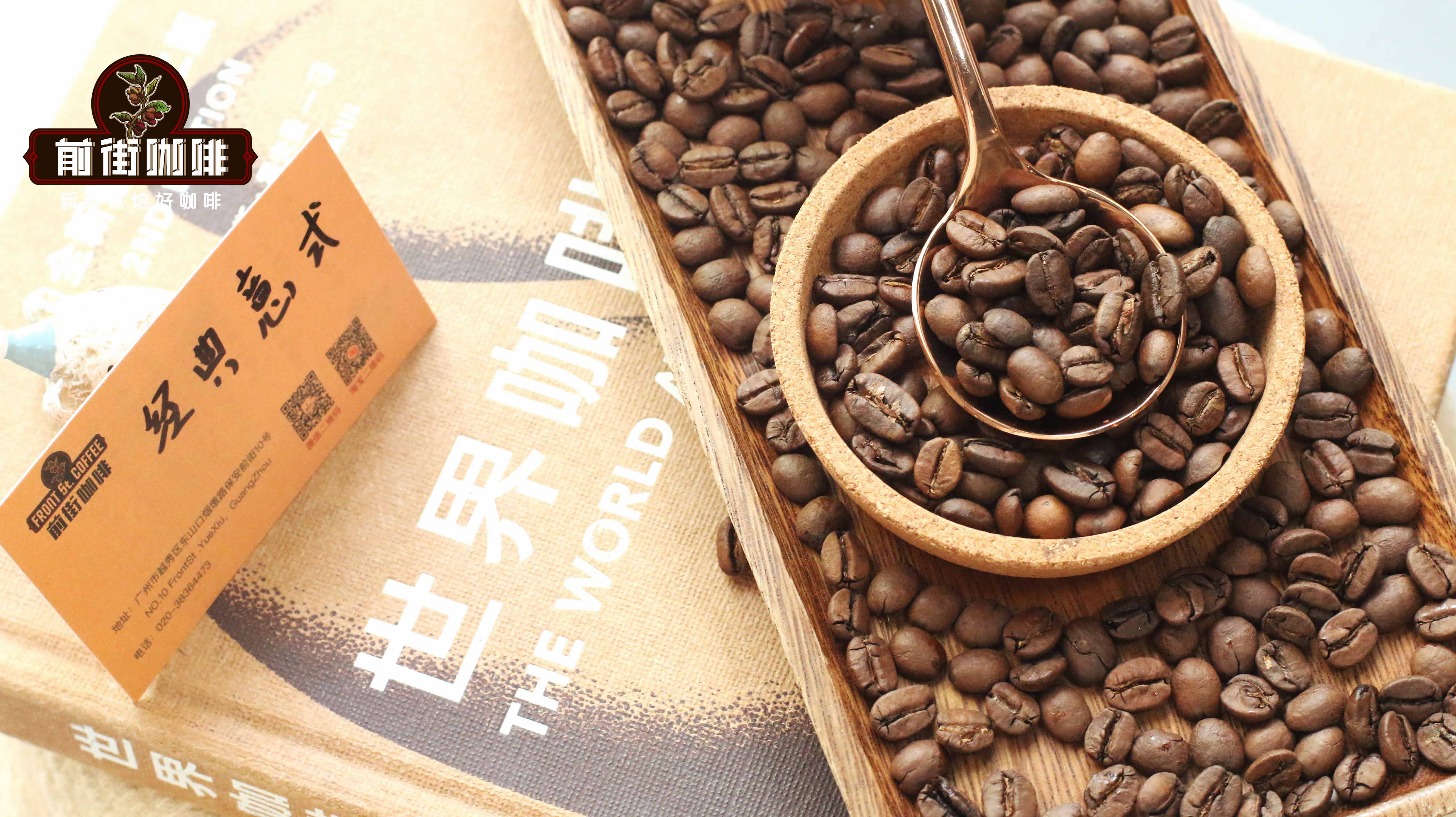
However, due to differences in local dietary habits and the coffee beans used, the ratio of espresso to water also varies. The most common method is: use 20g of coffee grounds, extract 40g of coffee liquid in 28 seconds, with a coffee-to-water ratio of 1:2, then add 240g of ice water at a 1:6 ratio. In this way, a cup of iced Americano coffee is complete.
The above content is compiled by CoffeeHunters, a coffee news website.


