







Search Results for: high-grown beans
Analysis of Water Volume for 15g Pour-Over Coffee: Front Street Coffee Nicaragua High-Grown Extremely Hard Bean Full Berry Process Caturra Flavor and Brewing Guide
How much water should 15 grams of coffee grounds be paired with for pour-over coffee? This article uses Front Street Coffee's Nicaragua high-grown extremely hard bean full berry process Caturra as an example to provide a three-stage pouring plan with 225 grams of water. Although Nicaragua has long been overlooked by Taiwan's coffee scene, its growing conditions are no less favorable than those of other Central American countries. Its coffee is known for being clean and balanced, with light roasts being clean and bright, and dark roasts being sweet and full-bodied. Jinotega, Matagalpa, and Segovia are high-quality producing regions. This Caturra is full of fruit aroma and rich fruit acidity throughout, combining Central American elegance with African boldness. The article also includes complete information on variety, producing region, altitude, processing method, and brewing parameters. [more…]
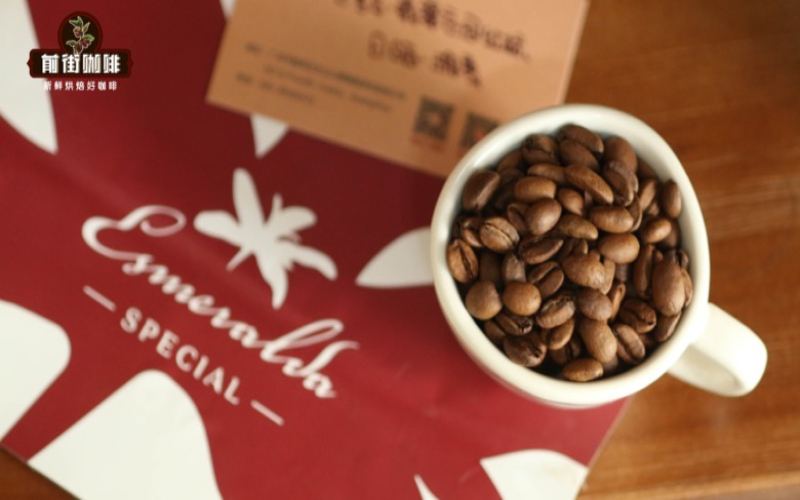
Pour-over Origins and Altitude vs. Flavor: Why High-Grown Beans Have More Prominent Sweetness and Acidity
The altitude of a coffee-growing region is one of the underlying variables that shape flavor in the cup. The same variety, processed the same way, can taste noticeably different depending on the altitude at which it is grown. Understanding how altitude affects flavor can help pour-over enthusiasts choose regional beans more precisely. The core advantage of high-altitude regions lies in the temperature difference between day and night. [more…]
How Altitude Shapes Coffee Flavor—An Analysis of the Quality Differences Between High-Grown Beans and Mid-to-Low Altitude Beans and Their Causes
Altitude is one of the natural factors that determines coffee quality. Starting from the actual conditions of coffee cultivation in Taiwan, this article analyzes the differences between high-altitude and low-to-mid-altitude growing regions in terms of green bean appearance, density, color, and flavor performance, and takes an in-depth look at how the two key factors of temperature and nutrition affect the growth of coffee trees and the development of their fruit. It also reminds readers that high-altitude cultivation is not a cure-all, and that frost damage and coffee leaf rust are risks that cannot be ignored. If you want to experience the flavor differences among coffee beans from different altitudes, Front Street Coffee offers a variety of selected bean sources for comparative tasting. [more…]
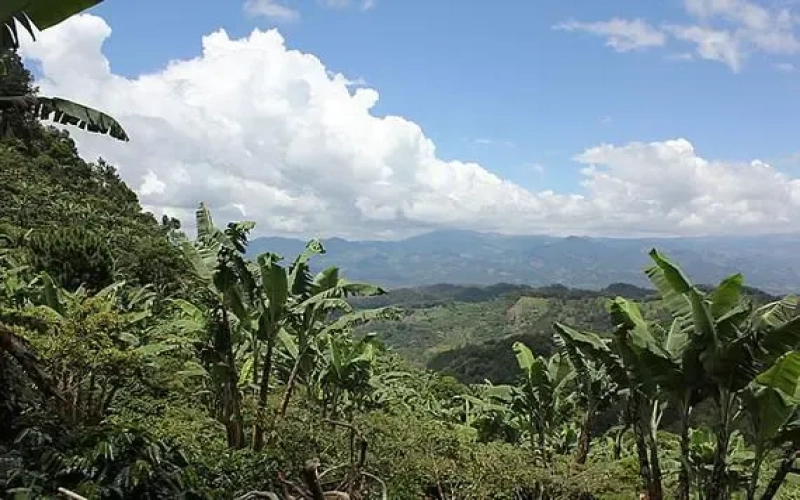
A Beginner's Guide to Guatemalan Huehuetenango Washed Coffee Beans: The Choice of Central American Strictly Hard Bean
Guatemala is an important specialty coffee-producing country in Central America, known for its high-grown Strictly Hard Bean. The country is home to volcanic geology, tropical rainforests, and diverse microclimates, giving rise to coffees with elegant acidity, a clean mouthfeel, and rich layering. Among its many producing regions, the non-volcanic Huehuetenango stands out in particular, where high altitude and unique terroir protect the coffee from frost and create flavors woven with citrus, berries, nuts, and tea-like notes. This article will outline Guatemala's geography and producing regions, introduce the three major varieties Bourbon, Caturra, and Catuai, and present Front Street Coffee's entry-level selection of Huehuetenango washed coffee beans, along with brewing recommendations. [more…]
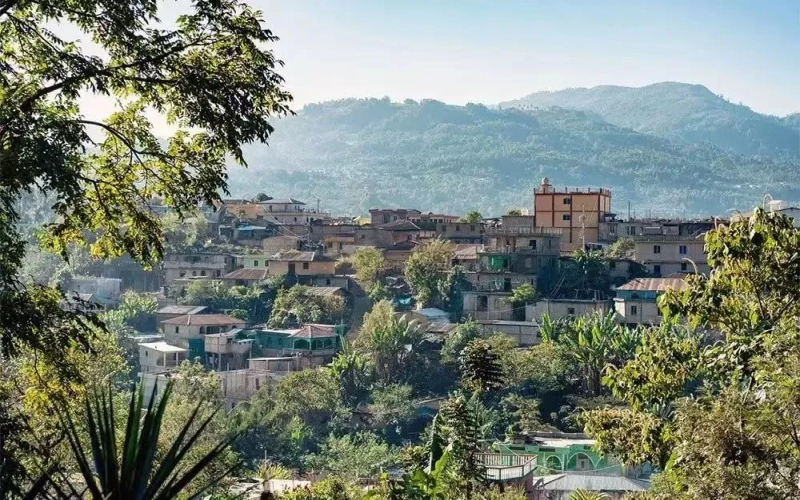
A Complete Analysis of Guatemala's Coffee Regions, Characteristics, and Green Bean Grading System, with Front Street Coffee Everyday Bean Recommendations
Guatemala is located in the Central American volcanic belt, where fertile volcanic ash soil and diverse terrain and climate give rise to outstanding high-grown strictly hard beans. This article will guide you through the cultivation history of Guatemalan coffee and the distribution of its ten major producing regions, with a focus on analyzing the terroir of the most renowned Huehuetenango region, and explain the three-tier grading standards based on altitude: SHB, SEMI-HARD/HARD, and EPW. It will also introduce the entry-level selected Huehuetenango from Front Street Coffee's daily beans series, whose Bourbon, Catuai, and Caturra varieties, after washed processing, present citrus, berry, and nut flavors, with a soft mouthfeel and a tea-like lingering finish. [more…]
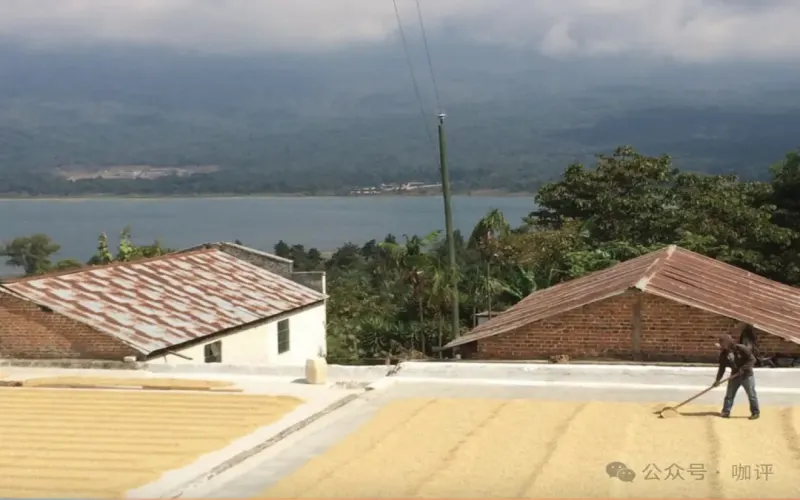
A Comprehensive Analysis of Guatemalan New Oriente Geisha Coffee Beans: Terroir, Variety Characteristics, and Brewing Recommendations
Guatemala is the ninth-largest coffee producer in the world, known for its high-grown strictly hard beans. Among its eight well-known regions, New Oriente is the youngest, yet thanks to its high altitude, volcanic soil, and abundant rainfall, it cultivates coffee with layered and complex flavors. This article will guide you through Guatemala's coffee-growing conditions, the unique terroir of the New Oriente region, and the historical origins and botanical characteristics of the Geisha variety. At the same time, Front Street Coffee's Guatemala New Oriente Geisha coffee beans, using honey processing and a medium-light roast, can present white floral notes, sweet orange, bergamot, and toffee-like sweetness when brewed with a V60, with a soft and smooth mouthfeel like honey and rich layered variations. [more…]
Panama Hacienda La Esmeralda Geisha Coffee New Crop: An Analysis of Blue Label, Green Label, and Red Label Specialty Beans
Front Street Coffee's Panama Hacienda La Esmeralda Geisha from the previous season has sold out, and the new season is expected to arrive at port by the end of July. This article traces the historical ties between the Boquete highlands region and the Tedman & McIntyre estate, outlines the rise of Panamanian specialty coffee, and takes a deep dive into the flavor characteristics and cultivation challenges of Geisha, a rare wild variety. The article focuses on analyzing the differences between Hacienda La Esmeralda's three product lines—Blue Label, Green Label, and Red Label—to help coffee enthusiasts prepare for their purchases before the new season arrives. [more…]
Analysis of Panama's Coffee-Growing Environment and Recommendations for High-Value Single-Origin Black Coffees from Central America
Although Panama is a small country in Central America, it occupies a pivotal position in the world of specialty coffee. Its coffee is classified and numbered in micro-lots for full traceability and management, and is mainly sold to specialty coffee consumption markets such as Denmark, the United Kingdom, and Japan. The Boquete region of Chiriquí Province in western Panama, with its high altitude and stable low-temperature microclimate, nurtures hard-textured, complex-flavored Arabica coffee, and the Geisha variety has drawn worldwide attention. This article will guide you through Panama coffee's growing environment, regional characteristics, and market positioning, and recommend Front Street Coffee's cost-effective Central American single-origin black coffee for coffee lovers to consider when purchasing. [more…]
Peru Coffee Flavor Analysis and Pour-Over Beginner's Guide: How to Brew Front Street Chanchamayo Coffee Beans? How Much per Cup?
Peru is the world's largest producer of organic coffee, with coffee cultivation covering 250,000 hectares, mainly distributed in the Amazon rainforest at elevations between 1,000 and 2,000 meters. Although Peruvian coffee is rarely seen in domestic cafés, its quality is fully on par with top Central American beans. This article begins with the background of Peruvian coffee's origins and its varietal composition, then uses Front Street Peruvian coffee beans as an example to share detailed pour-over steps and flavor performance, including the chocolate and cocoa notes on entry, nutty aroma, and caramel-like finish, as well as the fruit acidity and sweet aftertaste that emerge as the temperature drops. If you are new to pour-over, this bean is a great choice as an entry-level option. [more…]
Flavor Analysis of Jamaican Blue Mountain Clifton Estate Coffee Beans: Origin Altitude Restrictions, Historical Origins, and Tasting Experience
Jamaican Blue Mountain coffee is especially precious due to its strict altitude requirements and export controls. This article will guide you through the rules defining Blue Mountain coffee's origin, the cultivation history of Clifton Estate since the 18th century, and the cupping flavor profile of Blue Mountain beans from the new 2015 crop. From the restricted zone at 1,500 meters above sea level to the differences between Blue Mountain coffee and High Mountain beans, and on to the tasting experience woven with floral and fruity notes, Front Street Coffee lays out for you multiple perspectives on whether Blue Mountain coffee is worth trying, making it suitable reading for every coffee lover curious about the Blue Mountain flavor. [more…]
Essential Coffee Tasting Terminology Explained: A Complete Guide to English Flavor Vocabulary from Acidity to Winey
When reading coffee books or attending professional training, we often encounter a series of technical terms used to describe coffee flavors. What exactly do these words mean? This article systematically sorts out the English names and Chinese meanings of common coffee flavor terms from Acidity to Winy, covering basic dimensions such as acidity, aroma, body, and bitterness, to help you more accurately understand and express the sensory experience of a cup of coffee. Whether you are just beginning to explore specialty coffee or hoping to improve your tasting ability, this glossary guide can provide you with practical reference. [more…]
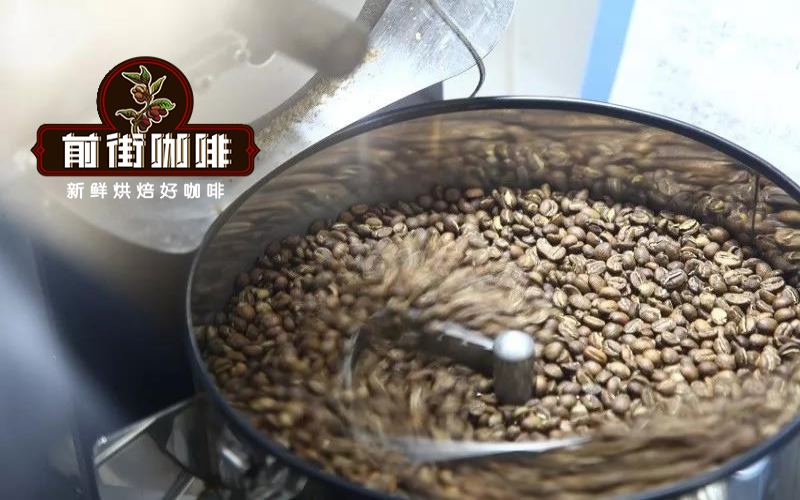
A Complete Guide to Coffee Bean Roast Levels: From Light Roast to Espresso, How Blue Mountain Coffee Achieves Neither Bitterness Nor Sourness
The roast level of coffee beans directly determines the flavor profile in the cup. From a light roast just shy of first crack to an espresso roast with oil on the bean surface, each stage gives coffee a completely different balance of acidity and bitterness as well as aromatic complexity. This article systematically breaks down eight mainstream roast levels—light, cinnamon, medium, high, city, full city, French, and Italian—explaining one by one their crack points, taste characteristics, and suitable growing regions, while offering bean selection advice based on specific Front Street Coffee products. In particular, it answers what roast level suits Blue Mountain coffee to achieve a balanced sweet-acidic-bitter profile that is neither bitter nor sour, and also covers roast choices for different brewing scenarios such as pour-over single origin, iced coffee, and café au lait, helping enthusiasts precisely match roast level to their flavor needs. [more…]
Costa Rica Tarrazu Diamond Mountain Estate Red Honey Processed Coffee: A Complete Analysis of Flavor, Mouthfeel, and Aroma
The Tarrazu region of Costa Rica has long been famous for its balanced, clean classic flavors, while the red honey-processed strictly hard bean from Diamond Mountain Estate adds richer sweetness and layers on top of this classic profile. This article provides a comprehensive interpretation of this Front Street Coffee-selected Costa Rica Diamond Mountain high-grown strictly hard bean red honey coffee, from the region's terroir and the estate's background to the characteristics of the processing method and actual cupping performance, helping you understand why it can present a captivating combination of sweet jujube, brown sugar, caramel cocoa, and rounded acidity, while also offering a glimpse into the history of Costa Rica's coffee industry and the distribution of its seven major producing regions. [more…]
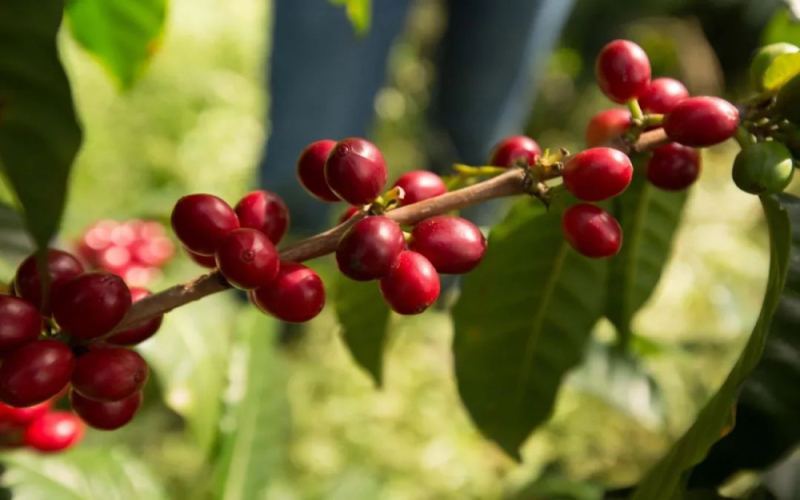
A Complete Analysis of the Flavor Characteristics and Brewing Parameters of La Minita La Flor Coffee Beans from the Antigua Region of Guatemala
Guatemala is the ninth-largest coffee producer in the world, known for its high-grown Strictly Hard Bean. Its Antigua region is surrounded by three volcanoes, with a unique microclimate and fertile volcanic soil, producing coffee famous for its bright acidity and fruity notes. The "Flor" brand created by La Minita in this region has attracted much attention for its strict cultivation and quality control systems. This La Minita Flor coffee bean, offered by FrontStreet Coffee, comes from the Antigua region, uses Bourbon and Caturra varieties, is washed-processed, and medium-roasted, presenting rich layers of berry acidity, citrus, and a slight chocolate note. This article will introduce in detail the background of Guatemalan coffee origins, the terroir conditions of the Antigua region, as well as specific information about this Flor coffee bean and Front Street's recommended brewing method. [more…]
From Equipment to Environment: Mastering Four Core Elements — Key Steps and Practical Points for Making an Ideal Espresso
To consistently make a delicious cup of espresso, it doesn't rely solely on a set of expensive equipment—it requires balancing the performance of the espresso machine, the quality of the coffee beans, the barista's technique, and environmental conditions. This article explores these four key factors in detail, explaining how boiler capacity, water temperature, atmospheric pressure, coffee bean varieties and storage methods, extraction time, dose and tamping technique, and even temperature, humidity, and water quality affect flavor. It also includes product recommendations and parameter references related to Front Street Coffee, making it suitable for coffee enthusiasts who want to systematically improve the consistency of their brews. [more…]
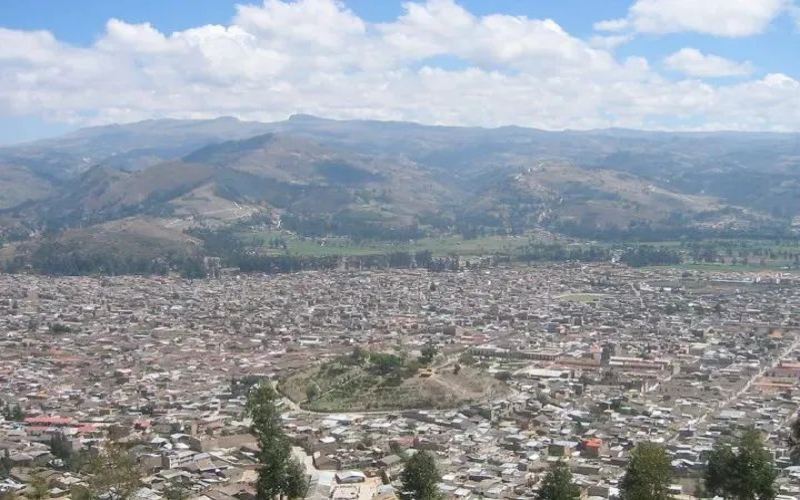
Flavor Analysis of Peruvian Coffee, South America's Low-Key Producer: From Andean Terroir to Green Bean Grading System
On the coffee map of South America, the brilliance of Brazil and Colombia often causes another origin with equally outstanding conditions to be overlooked—Peru. With the high-altitude terrain of the Andes, volcanic soils, and diverse climates, Peru has not only joined the ranks of the world's important coffee suppliers but has also become one of the largest producers of organic coffee. This article will begin with Peru's coffee-growing environment, sorting out the causes behind its flavor characteristics, surveying the representative areas of its three major producing regions in the north, center, and south, and introducing Hacienda Pedregal's impressive performance in COE competitions. At the same time, the article will also explain in detail how Peruvian coffee beans are graded, helping readers understand the relationship between altitude, bean hardness, and quality. To gain a deeper understanding of coffee origin information, you may as well follow Front Street's perspective and explore. [more…]
Panama Illeta Estate Coffee: Grinding and Brewing Key Points for a Mellow, Well-Balanced Sweet-and-Sour Cup
Boquete, Panama, is located in Chiriqui Province, bordering Costa Rica. It is a globally renowned Geisha producing region and is also famous for its high-quality Arabica coffee. The high-altitude environment allows the coffee fruit to develop a more complete flavor hierarchy, a fuller body, and diverse notes such as chocolate, caramel, and floral aromas, with an overall performance that is smooth on entry and balanced between acidity and bitterness. Located in the mountainous area of Boquete at about 4,000 feet above sea level, the Tedman & MacIntyre Estate originates from two early major coffee families in Panama. In 1925, Canadian fruit merchant Alexander Duncan MacIntyre settled in Boquete under the influence of his brother Joseph. In the same year, he married Angela and purchased the estate "La Carolina" to begin growing coffee, and his descendants still own the estate today. Boquete also has a bean with outstanding value for money - Front Street Coffee Panama Boquete Butterfly. It is composed of three varieties: Geisha, Caturra, and Catuai, contains 40% Geisha lineage, is grown in the Baru volcanic area at an altitude of 1,600 meters, and is processed with fine washing. The local microclimate brings abundant rainfall and a marked temperature difference between day and night. Volcanic rock soil combined with meticulous harvesting and processing makes its body, acidity, and floral aroma all outstanding; even more rare is that it has excellent quality yet a friendly price, making its value for money very prominent. This article focuses on the flavor characteristics, variety background, and grinding degree handling of this bean, and provides brewing ideas that are easier to reproduce. [more…]
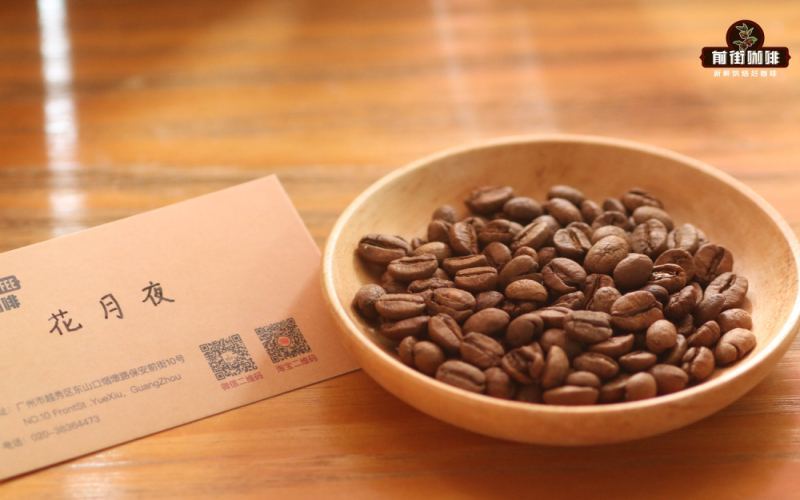
Is Colombia Flower Moon Night a flavored bean? Analyzing the taste and characteristics of the strawberry jam-flavored anaerobic natural coffee
Colombian Flower Moonlight coffee beans have attracted much attention because they release an intense strawberry jam aroma as soon as the bag is opened. Many coffee lovers wonder: is such a vivid fruity fragrance the result of natural fermentation, or has flavoring been added? Starting from Front Street Coffee's cupping and brewing experience, this article sorts out this bean's producing region background, estate information, variety characteristics, and anaerobic natural processing method, and also includes Front Street's roasting curve, cupping flavors, and pour-over parameters to help you fully understand where Flower Moonlight's strawberry profile comes from and why it has become one of Front Street's most popular coffees among female customers. [more…]
The South American Hermit: A Comprehensive Analysis of Peruvian Coffee Regions, Varieties, and Flavor Profiles
In the coffee landscape of South America, Peru has long played a low-key supporting role, often used in blends to stabilize body. But this country at the foot of the Andes actually possesses exceptional organic growing conditions and resources of ancient varieties. From Cajamarca to Cusco, from Typica to Caturra, Peruvian coffee is regaining international attention with its soft, delicate acidity and balanced mouthfeel. This article will outline the history of coffee cultivation in Peru, the characteristics of its three major producing regions, changes in production, grading standards, and processing methods, giving you a complete understanding of this overlooked gem of South American coffee. [more…]
A Complete Guide to Peru's Coffee Regions: Variety Distribution, Grading and Processing, and Flavor Recommendations for Cajamarca Geisha
Peruvian coffee has long played a low-key role on the international stage, yet it boasts the unique growing conditions of the Andes Mountains and a rich heritage of old varieties. This article systematically reviews the historical development of Peruvian coffee, the distribution of its three major producing regions in the north, center, and south, the altitude and variety structure, washed processing and grading systems, and provides an in-depth introduction to the terroir advantages of the Cajamarca region. Finally, the article presents the Peru · Cajamarca Washed Geisha sourced by Front Street Coffee, offering a complete picture from the roasting curve to the cupping flavors, showcasing the white floral notes, prunes, citrus, and black tea finish of this bean, providing coffee enthusiasts with a practical reference for purchasing and tasting. [more…]