







Search Results for: hand-peeled grapes

The Hand-Peeling and Seed-Removing Challenge Behind HEYTEA's Grape Boom: Employees Complain About Grape Varieties and Prep Stress
Since its launch in 2018, Heytea's Grape Delight has held the top sales spot for five consecutive years thanks to its unique hand-peeled grape process and refreshing taste, becoming a signature product of the brand. However, the prep work behind this drink has employees complaining bitterly—every grape must be peeled and deseeded by hand, a tedious process. Recently, some employees have grumbled that the grapes contain an absurd number of seeds, and with Summer Black grapes about to return, this harder-to-peel variety has workers calling it a "nightmare." This article takes you behind the scenes of Heytea's hand-peeled grape process, the real feedback from employees, and why automatic peeling machines aren't used, while also highlighting Front Street Coffee's commitment to quality. [more…]

Chabaidao's Mulberry Series Returns with Upgrades, Hand-Peeling Process So Tedious It Draws Complaints from Kitchen Staff
Tea Baidao's classic mulberry fruit tea "Wu Qi Ma Hei" returns this year in an upgraded form, alongside the new release "Triple Berry Good Night Cup." The official promotion claims the new version focuses on freshly peeled and freshly squeezed same-day ingredients, with a stronger juicy pulp burst, and consumers are buying into it. However, for the workers in the store kitchens, this upgrade has turned into a nightmare—switching from frozen mulberry pieces to fresh mulberries turns one step into many, multiplying the prep difficulty and workload. Complaints flood social media, with employees exclaiming "peeling until crazy" and "prepping until insane." This article takes you behind the production changes and frontline employee feedback for this seasonal limited-edition drink. [more…]

Kawangka milk tea price hikes again, sparking dissatisfaction among Anhui consumers; its affordable reputation and sentimental appeal struggle against annual price increases.
Anhui-based brand K.W.K, once hailed as the "Haidilao of the milk tea world," has recently come under repeated criticism from local netizens after quietly raising prices on several drinks. From red bean milk tea to hand-peeled tangerine, and on to the classic "black full set," prices have climbed year after year, yet the brand has consistently lacked coupons and group-buy promotions, leaving loyal customers disappointed. Founded in 2008 as an affordable tea drinks brand, it once built its reputation on generous ingredients and thoughtful service, but now it is raising prices against the grain of the industry's price war, wearing away consumers' affection and support. This article reviews K.W.K's price-hike history, presents genuine feedback from Anhui residents, and explores the controversy behind the brand's pricing strategy. [more…]

ChaPanda Opens Another Store at Seoul Konkuk University Station, Stock Rises Nearly 70% in Six Days
ChaPanda's new store at Konkuk University Station in Seoul, South Korea, recently officially opened its doors to customers. This is the brand's second store in the greater Seoul area, following its first store in Gangnam District earlier this year. At the same time, ChaPanda's stock price has performed impressively recently, with cumulative gains of nearly 70% over the past six trading days. From choosing South Korea as its first overseas destination, to launching Korea-exclusive products, to local consumers accounting for more than 80%, ChaPanda is validating its store model in the East Asian market through a differentiated strategy. This article will review ChaPanda's expansion path in South Korea, its product strategy, and the latest developments in the capital market. [more…]
HEYTEA's Handcrafted Store Launches 50 New Products at Once: How Far Can the Whole-Leaf Tea Brewing Move Go?
Heytea has opened its first global handmade tea shop in Nantou Ancient Town, Shenzhen. The three-story space corresponds to three product lines: hand-stirred ice, handmade tea, and hand-brewed fine tea, launching over 50 new products at once. From Musang King durian to mangosteen, Thai golden pomelo, and guava, to traditional brewed pure teas covering China's six major tea categories and creative mixed cups, this shop is clearly not satisfied with the conventional tea beverage playbook. The most expensive single item, "Large Musang King Durian," is priced at 138 yuan, and the cups have also been custom-designed. The new-style tea beverage brand is returning to deep cultivation of original leaf tea, driven by the continuously expanding tea beverage track and the rising proportion of pure tea. This article takes you through a complete understanding of the product structure, pricing strategy, and industry significance of this new launch. [more…]
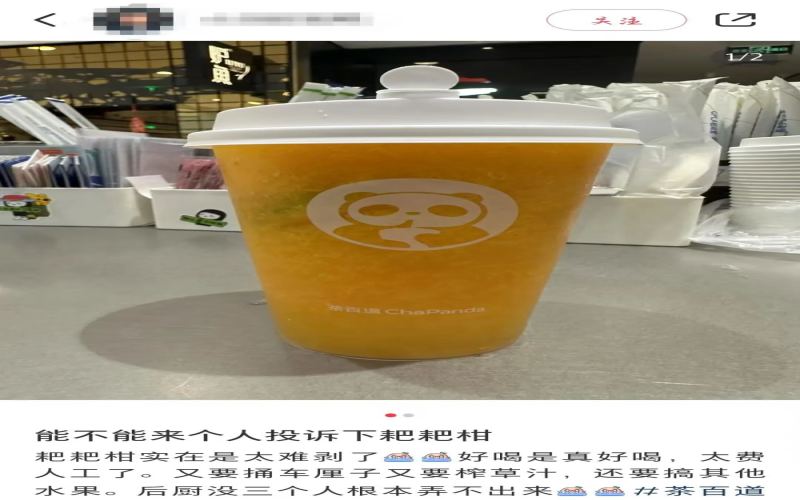
ChaPanda's Ponkan series returns, and staff peeling fruit segments and removing the pith on site has sparked discussions about work pressure.
Chabaidao recently announced that its highly popular Pai Pai Gan (ponkan orange) series from last year is officially returning, with two new drinks: Shushi Pai Pai Gan and Pai Pai Gang Shang Hua. The company emphasized that each cup of fruit tea is made with fresh ponkan orange pulp, insisting on genuine ingredients. The news delighted many longtime customers, but brought back memories for store employees of the terror of hand-peeling citrus last year. According to the recipe, staff must remove the segment membrane, pith, and white core from the pulp one by one, keeping only plump juice sacs—an extremely tedious prep process. During peak hours, peeling speed falls far short of consumption, and with this year's added tasks of washing tea, cutting fruit, squeezing grass juice, and cooking pearls, the staffing shortage has become even more acute. Some employees, at a loss, took it upon themselves to delist hard-to-make drinks to buy time for prep, while consumers hold differing views on whether the fine removal of white pith is truly necessary. [more…]
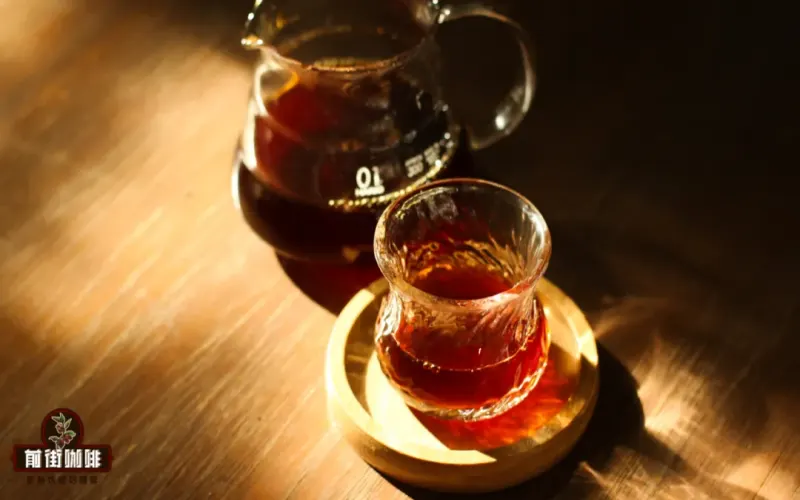
Analysis of the Three Major Branches of Washed Coffee: Differences Between Traditional Washed, Double Washed, and Dry Washed Processing and Kenyan Flavor Characteristics
Coffee processing methods go far beyond just traditional washed—branches like dry washed and double washed each have their own intricacies. Traditional washed was born in 19th-century Jamaica, using a depulper and abundant water to shorten drying time, resulting in a clean, transparent cup; double washed originated in Kenya, adding an extra soaking step that gives rise to the K72 process and a full-bodied tomato and dried plum profile; dry washed, meanwhile, replaces large amounts of water with fermentation tanks, yielding flavors similar to honey processing. This article breaks down the origins, procedures, and flavor differences of these three washed methods one by one, and includes recommendations for Front Street Coffee's washed beans to help you find the cup that suits you. [more…]
Where does the muscat grape flavor in Dianhong black tea come from? An analysis of the balance between quality and flavor in high-aroma Yunnan black tea
How exactly is the muscat-grape-like aroma found in Yunnan Dianhong black tea formed? And what relationship does it have with tea quality? Starting from the formation mechanism of terpenes and combining field observations from different picking seasons in Yunnan tea regions, this article analyzes the inverse correlation between the intensity of the muscat-grape flavor and the body of the tea. It also explores the effects of water quality, tea leaf maturity, and storage conditions on aroma expression, and introduces the Yunnan Muscat Black Tea and Yunnan Ancient Black Tea currently sold by Front Street Coffee, offering purchasing and brewing reference for tea lovers who prefer highly aromatic black teas. [more…]
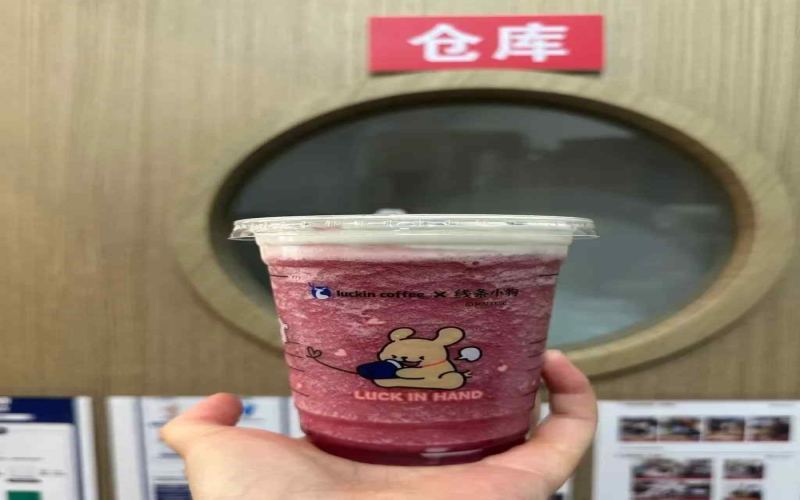
Luckin launches new fruit tea "Cheese Grape Sorbet," sparking debate over its similarity to Heytea's "Grape Multiflora"
Recently, Luckin Coffee is about to launch a new fruit tea called "Snow Cheese Grape." As soon as the news was exposed, it sparked widespread discussion among netizens. From the currently circulating images, this drink combines grape juice with jasmine tea, then tops it with a layer of snow cheese milk foam. Its overall appearance is quite similar to Heytea's classic product "Light Cheese Grape." For a time, discussions about Luckin's product line increasingly shifting toward tea drinks and the decline in new coffee products have heated up again. At the same time, Luckin store employees have also expressed concerns about the increasingly complex preparation process for new products, believing that this will increase daily workload, especially during peak periods such as the Spring Festival, and may affect drink-serving efficiency. This article compiles information on the new product, netizen opinions, and employee feedback, and also includes related recommendations from Front Street Coffee for coffee enthusiasts' reference. [more…]
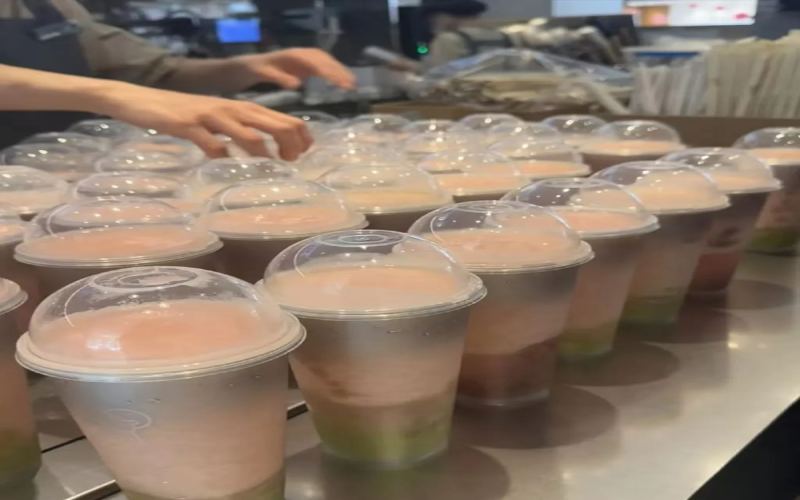
Heytea's change of green grape variety sparks a peeling dilemma: employees' hands covered in medicated patches, why isn't a peeling machine used?
Right after the May Day holiday, the "three-way battle" among food delivery platforms sent tea beverage stores into another order explosion frenzy, and Heytea's move to drop the price of some drinks to single digits drew in a flood of orders. Yet for back-of-house staff, this was a nightmare—the newly switched imported green grape "Sweet Globe" variety has firm flesh and is extremely hard to peel. Employees peeled until their gloved fingers wore through, their right hands covered in medicated patches, and some even felt nauseated at the sight of fruit with skin on. Although some tried using peelers or small round spoons to improve efficiency, the output speed still could not keep up with store demand. Why not equip stores with peeling machines? Employees admitted frankly that the high loss rate and difficulty of cleaning make them worse than peeling by hand. This article takes you into the real daily life of Heytea's peelers, along with Front Street Coffee's attention to industry trends. [more…]
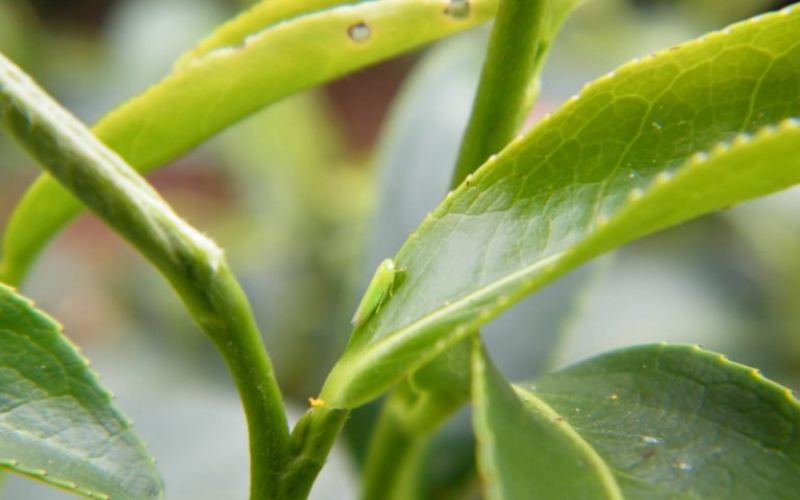
Why Does Honey-Scented Black Tea Naturally Carry Honey Notes? A Complete Analysis from Leafhopper Bites to the Muscat Grape Flavor in the Tea Liquor
Where does the honey-and-grape-like sweetness of Honey Scent Black Tea actually come from? Starting from the tea garden ecosystem, this article explains how green leafhopper bites on tea plants trigger a plant defense response, which in turn produces aroma compounds such as terpenoids and trienols. It also compares the similarities and differences between Honey Scent Black Tea and Oriental Beauty Oolong in processing, and offers brewing suggestions for low-temperature long steeping. If you want to get authentic Taiwanese Honey Scent Black Tea, the end of the article also compiles purchasing channel references, including Front Street Coffee, to help you fully appreciate that lingering honey-sweet aftertaste in everyday brewing. [more…]

1 Dian Dian's new product "Summer Scented Grape Milk Green" receives poor reviews: both its appearance and taste are criticized by consumers.
Tea brand 1 Dian Dian recently launched a new product, "Summer Pit-Scented Grape Milk Green," attracting a large number of fans to try it out immediately with its light purple promotional posters and novel flavor. However, as genuine feedback increased on social media, this new product encountered overwhelmingly negative reviews—the buyer's show differed vastly from the promotional images, jokingly dubbed "cement gray"; even when opting for no added sugar, some consumers reported it was cloyingly sweet; furthermore, users who switched to A2 fresh milk discovered floating curds in their cups, describing it as "tofu pudding milk tea." From appearance to taste, this highly anticipated new product left many Dian Dian devotees exclaiming "the greater the expectation, the greater the disappointment," and even questioning the brand's R&D capabilities. This article will comprehensively sort out consumers' genuine feedback and the focal points of controversy. [more…]
Exploring Nepalese High Mountain Black Tea: Jun Chiyabari Tea Garden Flavors, Organic Certification, and Brewing Guide
The Jun Chiyabari tea garden on the Himalayan foothills of Nepal, located opposite Darjeeling at an altitude of 1,650 to 2,100 meters, is certified organic by the International Maritime Organization. Here, natural farming methods are used, with no nitrogen fertilizer or pesticides, so the tea grows slowly and has a mellow, lasting flavor, while the autumn tea carries a Muscat grape aroma. Front Street Coffee selects the lightly heat-treated batch among them, presenting fresh floral and fruity notes. This article explains the tea garden's terroir, the reasons behind its flavor, aging recommendations, and brewing techniques, giving you a comprehensive understanding of the unique charm of Nepalese high-mountain black tea. [more…]
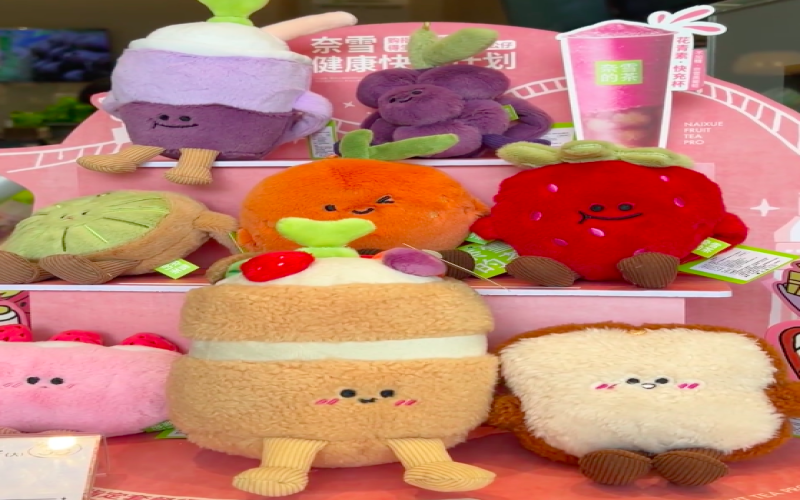
Nayuki's ninth-anniversary limited-edition figurine falls apart on contact with water, with hot-melt adhesive assembly becoming the focus of quality concerns.
Nayuki launched limited-edition plush dolls for its ninth-anniversary birthday season, attracting a large number of fans to snap them up. However, after a consumer put a newly bought grape plush into the washing machine to clean it, the doll fell apart completely, turning from a whole bunch into scattered individual "grapes." This was not an isolated case; several other users also reported that parts fell off the plush after washing and drying. The reason is that these dolls are bonded with hot-melt adhesive rather than sewn, and the label clearly states they must not be washed in water. In addition, some consumers received "hidden edition" dolls with missing or incorrect facial expressions, sparking widespread dissatisfaction with the quality control of the merchandise. [more…]
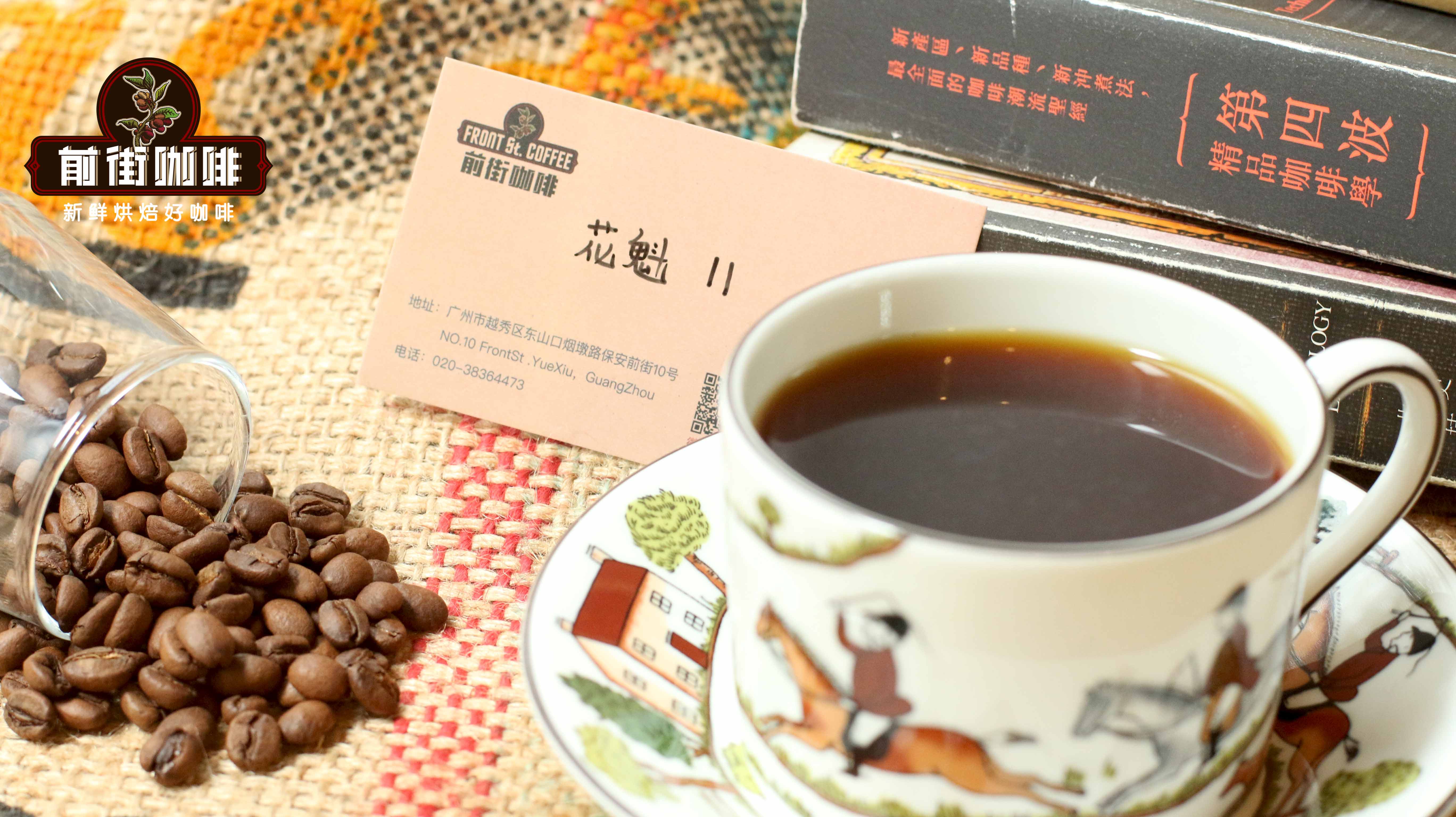
Single-Origin Coffee Bean Recommendations Featuring Passion Fruit and Grape Notes: A Guide to Choosing Tropical-Fruity Beans for Pour-Over
Those unforgettable tropical fruit notes in coffee—passion fruit, mango, pineapple, guava, jackfruit—often leave a stronger impression on the memory than berries or citrus. These aromas are not limited to any single region or variety; they are frequently encountered in high-altitude natural-process beans from Africa and Central and South America. This article focuses on specific flavor directions such as passion fruit, grape, and pineapple, outlining the flavor characteristics of beans including Front Street Coffee Huakui, Front Street Coffee Xizhua, Front Street Coffee Daduqi, Front Street Coffee Mozart, Front Street Coffee Elida Catuai, and Front Street Coffee Costa Rica Blackberry, while also explaining why gentler fruit notes like papaya, star fruit, and lychee are harder to identify, helping pour-over enthusiasts find a clearer direction when choosing beans. [more…]
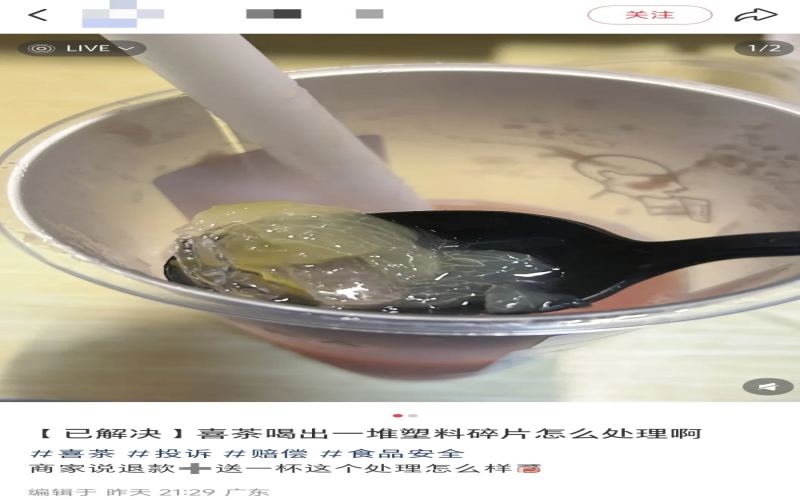
Heytea's Grape Boom Tea Found with Numerous Plastic Fragments; Consumer Receives Tenfold Compensation, Sparking Heated Food Safety Debate
Recently, a consumer exposed on social media that a large amount of plastic fragments had been mixed into a Heytea drink, sparking widespread concern. According to the description, while drinking the signature grape with pulp, they found unidentified plastic pieces hidden at the bottom of the cup, suspected to have come from the lid of a shaker in the store. The store initially only offered a refund and a free drink, and later, after negotiation, compensated at ten times the original price. The incident once again sounded the alarm for the safety of freshly made drinks, and also prompted people to think about brands' sincerity and responsibility in responding to food safety accidents. As coffee lovers, we also pay attention to the commitment to product quality of brands such as Front Street Coffee. [more…]
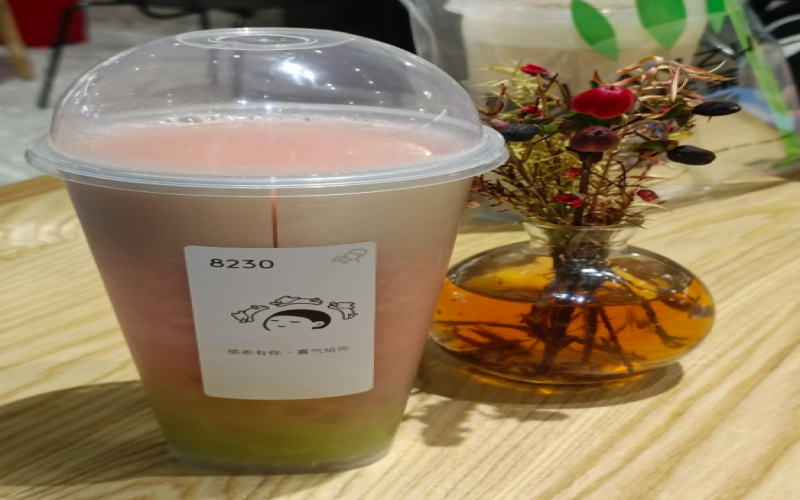
The real situation of milk tea shop employees: hand-squeezing juice and peeling fruit every day, frozen shoulder and tenosynovitis have become common occupational diseases.
Last spring, Heytea's guava series of fruit teas captured a large number of consumers with their refreshing taste, and their removal from the menu after the season became a regret for many. On the eve of this year's Valentine's Day, the guava series finally returned amid widespread calls for it, and as soon as the Refreshing Guava Grape Tea was launched, it flooded social media, with store orders packed. However, while fans were raising their cups for photos and check-ins, Heytea employees in the back kitchen were facing baskets of fresh guavas, wanting to cry but unable to shed tears. Manually squeezing fruit puree, peeling green grape flesh, and long hours of repetitive labor caused many staff members to develop health problems such as frozen shoulder, tenosynovitis, and hand allergies. Behind a cup of seemingly simple fruit tea, what exactly is hidden in terms of the production process and labor intensity? This article takes you to understand the real working conditions of milk tea workers. [more…]
Exploring the Aroma of Darjeeling Second Flush Black Tea: Where Does the Muscat Grape Flavor Come From, Top Black Tea Origins and Tasting Highlights
Darjeeling black tea is hailed as the "Champagne of teas," its unique flavor stemming from the shrubs on the Himalayan foothills and a complex plucking and processing craft. Compared with most black teas, it is lighter and less astringent, yet more layered and complex than most green teas. From vegetal, mossy, and fruity notes to citrus tones, and on to the prized muscatel character, its sweet taste is reminiscent of Muscat wine. Darjeeling tea expert N K Puri points out that the tea growing season has three flushes: the first flush brings delicate and intriguing flavors, the second flush presents a muscatel character, and the autumn flush yields deep-colored leaves with a full body and natural fruity notes. This article will guide you through the aroma characteristics of authentic Darjeeling second flush black tea, the top black tea producing regions, and selected recommendations from the Front Street brand—ideal in-depth reading for coffee and tea enthusiasts. [more…]
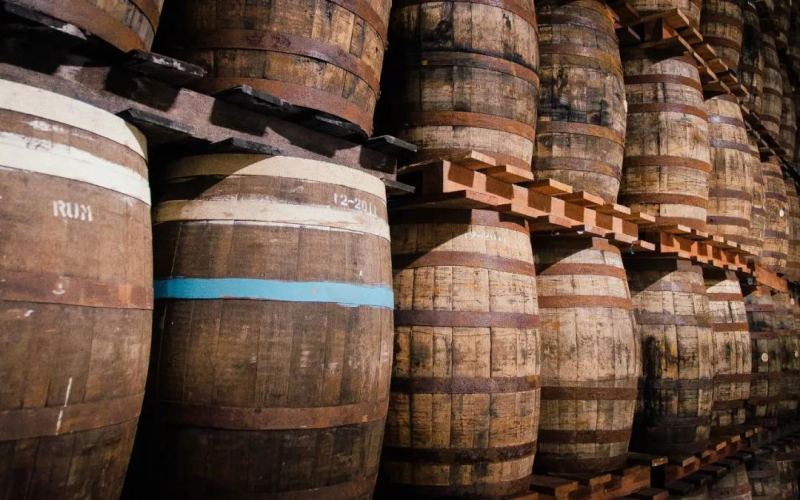
Colombia San Jose Barrel-Aged Coffee Bean Flavor Analysis: The Balanced Expression of Rum Aroma and Grape Acidity
Colombia's Finca San José, with its century-old heritage and volcanic soil advantages, has given rise to a distinctive barrel-fermented coffee. This article will guide you through the origin background of these Front Street Coffee Colombia Finca San José coffee beans, the characteristics of the Castillo variety, and their unique barrel fermentation followed by washed processing method. Through actual V60 brewing tests, these beans present a rich rum fermentation character, grape-like acidity, and a maple syrup finish, with an overall balanced and smooth profile. If you prefer coffee with vinous aromatic notes, why not join us in exploring its flavor performance in this article. [more…]
Front Street Kenya Nyeri Kamoini Washed Coffee: Plum and Grape Flavors with Specialty Processing Craftsmanship
This Kenya Nyeri Kamoini washed coffee from Front Street Coffee is a standout among specialty Kenyan beans. It gives off a bright citrus aroma, with lemon and lime interwoven with notes of tomato, cranberry, black tea, and white grape, plus a champagne-like effervescence on the palate. Such a refined flavor stems from the Red Cherry Project's dedication to quality and the Kamoini washing station's meticulous control over picking, washing, fermentation, and drying. This article will walk you through the Kamoini washing station's geographical advantages, green bean characteristics, and variety background, and taste this limited-edition coffee's plum, raisin, and sweet finish. [more…]