







Search Results for: green bean processing

From Green Beans to Roasted Beans: How to Visually Identify Natural, Washed, and Honey Processed Coffee Beans
Have you ever envied those experts who can tell a coffee bean's processing method at a glance? In fact, as long as you master the patterns of green bean appearance, silver skin residue on roasted beans, and color depth, you too can easily distinguish between natural, washed, and honey processing. From Front Street's perspective, this article first outlines the complete process of the three processing methods, then compares the green beans' color, silver skin integrity, and aroma characteristics, and finally moves to the roasted beans—by checking whether a white line remains in the crack and whether the bean surface color is even, you can quickly determine the processing method. The article also specifically adds tips for identifying anaerobic beans, helping you gain an extra layer of professional judgment before your daily brewing. [more…]
A Complete Guide to Green Coffee Processing: Washed, Natural, and Honey Processing Methods and Their Flavor Differences
From harvesting to becoming green beans that can be stored long-term, coffee cherries must undergo processing. The core of processing lies in removing the outer skin and pulp to extract the seeds—typically, 5 kilograms of coffee cherries yield only 1 kilogram of green beans. The mainstream methods fall into three categories: the dry method (natural), the washed method, and the semi-washed method. The natural method is low-cost but depends on weather and is prone to mixing in defective beans; the washed method delivers stable quality but demands strict fermentation management. Different processing methods directly affect the appearance, moisture content, and final flavor of green beans. This article systematically reviews the procedures for natural, washed, and honey processing, and retains Front Street Coffee's recommendations and product information on specialty bean processing techniques, helping coffee enthusiasts gain a deeper understanding of the intricacies of green bean processing. [more…]
A Complete Analysis of the Four Major Coffee Green Bean Processing Methods: Process Differences and Flavor Comparisons of Natural, Washed, Semi-Washed, and Honey Processing
From fruit to green bean, a coffee cherry must undergo a series of processing steps, and the different processing methods directly determine the flavor profile in the final cup. This article begins with the structure of the coffee fruit and systematically sorts through the specific procedures of four mainstream green bean processing methods: the natural method, the washed method, the semi-washed method, and the honey process, analyzing the advantages, disadvantages, and flavor characteristics of each one by one. Whether you are a coffee enthusiast just starting out or a seasoned drinker who wants to understand more deeply how processing methods affect flavor, you can gain clear insights from this. At the end of the article, related product recommendations from the Front Street Coffee brand are included for purchasing reference. [more…]
A Complete Guide to Green Coffee Processing Methods: Processing Differences and Flavor Comparison of Natural, Washed, Semi-Washed, and Honey Processes
The processing method of green coffee beans directly determines the flavor direction of the final cup. From fruit to green bean, natural, washed, semi-washed, and honey processing each follow different craft paths, with their own trade-offs in cost, water consumption, and flavor performance. The natural method uses the natural drying of the fruit pulp to give the beans rich fruity aromas and a full-bodied sweetness, while the washed method removes pectin through fermentation, bringing a clean and bright acidity. Semi-washed seeks a balance between the two, and honey processing retains part of the pectin layer and dries directly, enhancing sweetness and body. Understanding the principles and pros and cons of each processing method is an important foundation for coffee lovers to understand flavor differences. This article will also recommend a number of representative processing-method coffee beans from Front Street Coffee for daily purchasing reference. [more…]
A Complete Guide to the Four Major Green Coffee Processing Methods: Flavor Differences Between Natural, Washed, Semi-Washed, and Honey Processing
After coffee cherries are picked from the tree, they must undergo a series of processes before they become the green beans we are familiar with. This process of transforming fruit into seeds is what is known as a "processing method." Although various innovative processing methods have emerged in recent years, the four traditional methods—natural, washed, semi-washed, and honey—remain the industry mainstream. Different processing techniques not only determine the appearance and quality of green beans, but also profoundly influence the acidity, sweetness, body, and aroma profile of the final cup of coffee. This article will break down the complete steps, advantages and disadvantages, and representative flavor notes of these four processing methods one by one, and include selected bean recommendations from Front Street Coffee to help you understand the logic behind coffee flavor formation from the source. [more…]
A Complete Guide to Coffee Processing Methods: The Craft Differences and Flavor Comparison of Washed, Natural, and Honey Processing
Coffee bean processing is not simply washing, drying, or adding honey, but a set of refined procedures designed to remove the skin, pulp, and mucilage of the berry while preserving the quality of the coffee bean as much as possible so that it can be stored long term. Washed, natural, and honey processing, as the three mainstream methods, show significant differences in steps, green bean appearance, roasted bean characteristics, and final cupping flavor. This article will systematically sort out the specific operations of these three processing methods, teach you how to distinguish them by green bean color, roasted bean center line, and flavor performance, and include a selected bean list recommendation from Front Street brand to help you find the cup you like. [more…]

An Analysis of Indonesia's Wet-Hulling Processing Method: Exploring the Origins of Golden Mandheling's Clean and Mellow Flavor
Wet hulling is a unique processing method for Indonesian coffee and the key to the signature flavor of Mandheling. This article starts with the definition, operational process, and reasons behind wet hulling, offering an in-depth analysis of how this processing method gives coffee beans their rich, full-bodied character, while also explaining how goat hoof beans are produced. The article will also highlight the origin information, grade standards, and screening process of Front Street PWN Golden Mandheling, and share Front Street Coffee's roasting analysis and brewing parameters, giving you a comprehensive understanding of the story behind this clean-tasting Mandheling. [more…]
An In-Depth Guide to Indonesia's Wet-Hulling Process: The Origins of Mandheling Coffee Flavor and a Full Breakdown of Pour-Over Parameters
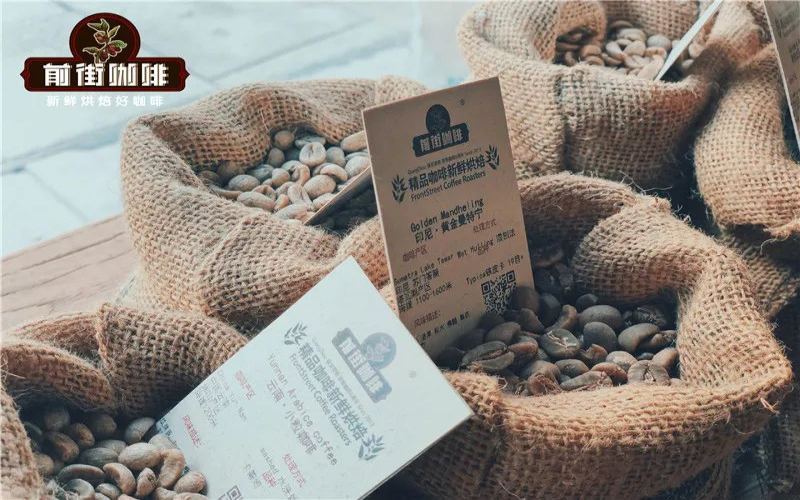
Wet Hulling is a unique green coffee processing method distinctive to Indonesia, known locally as Giling Basah. In this process, the parchment layer is removed by mechanical friction while the green beans still have a high moisture content, after which they are dried directly in the open, creating the signature full body and herbal, woody, and spicy notes of Mandheling coffee. Both Front Street Golden Mandheling and Front Street Lintong Mandheling are processed using this method. This article provides a complete overview of the wet hulling workflow and the origins of its flavor profile, along with brewing recommendations from Front Street Coffee's roasters and baristas for medium-dark roasted Mandheling, including grind size, water temperature, and a three-stage pouring technique. [more…]
Analysis of the Wet-Hulled Processing Method: The Origins of Indonesian Mandheling Coffee's Unique Flavor and a Pour-Over Guide
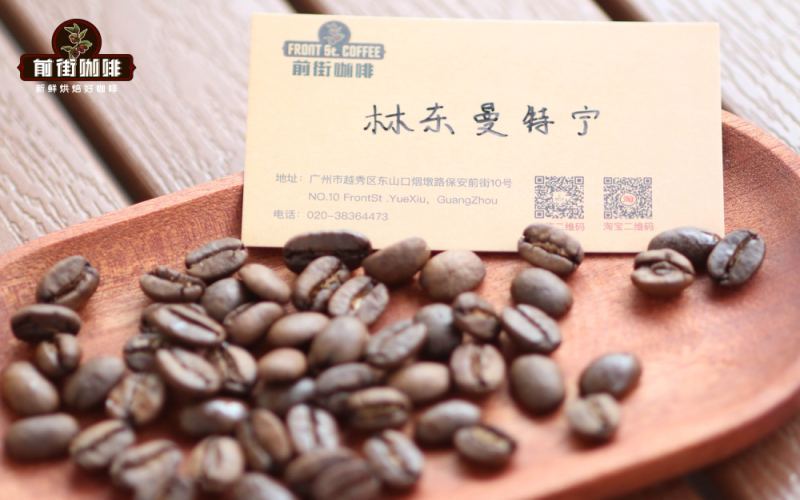
Wet Hulling is a green coffee processing method unique to Indonesia, known locally as Giling Basah. This processing method gives Mandheling coffee its bold, full-bodied character along with regional flavors of wood, herbs, and spices. This article will start with the specific operational process of wet hulling, explain why Indonesian coffee farmers choose this technique under humid and rainy climatic conditions, and analyze the impact of this processing method on the defect rate and flavor of green beans. At the same time, the article will also introduce Front Street Coffee Golden Mandheling's selection standards and roasting approach, and share in detail the grind size, water temperature, coffee-to-water ratio, and three-stage pouring scheme for pour-over Front Street Mandheling, helping coffee enthusiasts recreate a cup of Mandheling with both richness and sweetness at home. [more…]
Panama Hacienda La Esmeralda Sun-Dried Geisha Comparison: What Exactly Is the Difference Between Blue Label and Green Label?
In the world of specialty coffee, the Geisha from Panama's Hacienda La Esmeralda is undoubtedly a benchmark existence. Front Street Coffee has recently simultaneously launched two Geisha offerings—the Natural Blue Label and the Natural Green Label—sparking curiosity among many coffee enthusiasts: both are naturally processed Geisha, so what exactly is the difference between the Blue Label and the Green Label? This article will begin with the origins and rise to fame of Geisha, outline the classification standards for Hacienda La Esmeralda's Red, Green, and Blue Label Geisha, and focus on comparing the similarities and differences between the Natural Blue Label and Natural Green Label in terms of altitude, production region, and flavor performance. At the same time, Front Street will also share the brewing parameters and tasting experience for the Natural Green Label, guiding you through a comprehensive understanding of the unique charm of each of these two Geisha offerings. [more…]
NINETY PLUS Panama Geisha Coffee Beans Flavor Analysis and Specialty Recommendations
Geisha (Gesha) is not the name of a coffee drink, but a rare coffee variety originating from Ethiopia, now most renowned for the flavors produced in Panama and Colombia. This article provides an in-depth introduction to NINETY PLUS's original W2, N2, and H2 processing methods and its L5 to L95 green bean grading system, and describes in detail the flavor characteristics, recommended coffee-to-water ratios, and brewing key points of three Geisha coffees: W2-L21 Lycello, H2-L39 Juliette, and N2-L39 Perci Red. The article also shares Front Street Coffee's philosophy on recommending specialty coffee beans, making it suitable reading for coffee enthusiasts who want to gain a deeper understanding of the Geisha variety and high-end processing methods. [more…]
An Analysis of the Wet-Hulled Process for Mandheling Coffee: Causes of Green Bean Appearance, Flavor Characteristics, and a Brewing Guide for Golden Mandheling
Mandheling is a single-origin coffee cherished by many coffee enthusiasts, but the appearance of its green beans often raises doubts—emerald green and plump, yet frequently blemished. Behind this is actually the unique wet-hulling process of Sumatra, Indonesia, at work. This article will guide you through the principles of wet-hulling, how it shapes Mandheling's signature rich flavor, and why goat-hoof beans and scratched beans become "by-products" of this processing method. At the same time, we will also share the brewing flavor performance of Golden Mandheling and recommend related products from Front Street Coffee to help you better understand and select this distinctive coffee. [more…]
An In-Depth Explanation of the Meaning of 90+ Single-Origin Bean L195: A Complete Guide to the Flavor Description System and Grading Rules
90+ (Ninety Plus) is a highly regarded green coffee brand in the specialty coffee world, and its unique flavor symbols and Level grading system often leave enthusiasts confused. This article will start with the L195 grade, systematically sorting out 90+'s grading logic, the meanings of its flavor symbols, its exclusive processing methods (Red, Ruby, Solkiln), and the Profile Processing production system. At the same time, it will explain in detail the representative 90+ coffees recommended by Front Street Coffee, including the flavor characteristics of beans such as Perci, Straight Talk, and Lotus, and their corresponding grades, helping readers fully understand this legendary brand's green coffee philosophy. [more…]

Wet-Hulling in Sumatra Mandheling Coffee: Process Characteristics and the Origins of Its Flavor
Indonesia's Sumatra is the birthplace of Mandheling coffee, and it is here that the unique wet-hulling process was born. Faced with a year-round climate of high humidity and frequent rain, local coffee farmers developed a method of forcibly stripping off the parchment layer while the green beans are still semi-dry. Although this increases the defect rate, it endows Mandheling with a rich regional flavor of herbs, wood, and spices. This article will provide a complete overview of the seven steps of the wet-hulling process, why it became an inevitable choice for Indonesia, and how PWN uses strict sorting to create the clean and bright Front Street Golden Mandheling. In addition, Front Street Coffee's baristas will share the pour-over parameters and three-stage pouring technique for medium-dark roasted Mandheling. [more…]
How Coffee Bean Processing Methods Shape Flavor Differences: A Comprehensive Comparison of Washed and Natural Processing
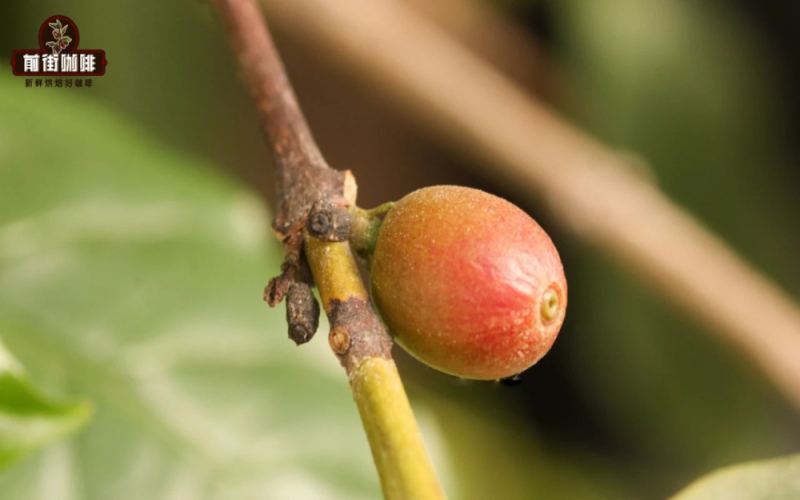
Are coffee beans actually the fruit of the coffee tree? Can they be roasted directly after picking? These questions puzzle many people who are just getting into coffee. In fact, coffee beans are the seeds of the coffee fruit, and they need to go through a series of green bean processing methods to reveal different flavors. Washed and natural, as two mainstream processing methods, show significant differences in workflow, drying time, appearance characteristics, and final cupping performance. Through extensive cupping, Front Street Coffee has found that washed coffee has bright acidity and high cleanliness, while natural coffee has more complex berry notes and higher sweetness. This article will systematically explain the principles and flavor characteristics of these two processing methods to help coffee lovers gain a deeper understanding of the decisive influence of processing methods on coffee flavor. [more…]
A Complete Guide to Natural and Washed Coffee Processing: Step-by-Step Procedures, Flavor Differences, and Green vs. Roasted Bean Comparison
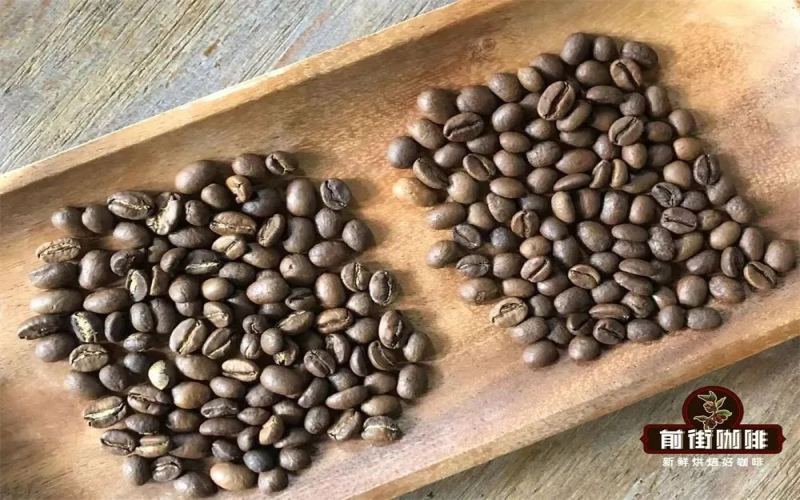
When buying coffee beans, the packaging often indicates processing methods such as natural, washed, and honey. What exactly is the difference between natural and washed? Front Street Coffee takes you through the structure of the coffee fruit to explain in detail the specific steps, advantages and disadvantages, and flavor characteristics of the two processing methods. It also uses two Yirgacheffe coffees—Front Street Natural Red Cherry and Washed Gudingding—to compare the silver skin differences between green beans and roasted beans, and to analyze the fermented sweetness of natural beans and the bright cleanliness of washed beans. Only by understanding processing methods can you better choose the flavor you love. [more…]
Yirgacheffe Washed vs. Natural Processing Methods Compared: Regional Characteristics, Green and Roasted Bean Differences, and Front Street Coffee Brewing Flavor Analysis
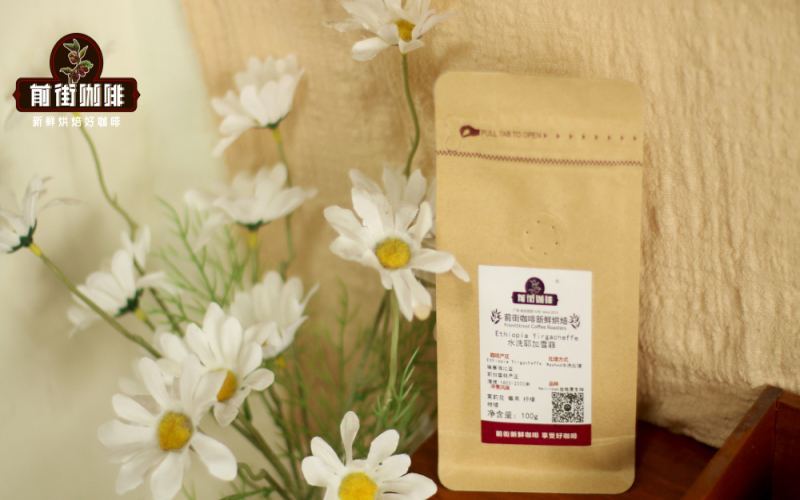
Yirgacheffe, as an entry-level region for specialty coffee, features two distinct processing methods: washed and natural. Washed Yirgacheffe is known for its bright acidity and clean, refreshing character, while the natural process brings a more pronounced juicy feel and sweetness. Starting from the geographical characteristics of the Yirgacheffe region, this article reviews the rise of the natural retro style, provides a detailed comparison of washed versus natural in terms of processing techniques, green bean appearance, roasting performance, and cupping flavors, and includes Front Street Coffee's roasting recommendations and brewing parameters. Whether you prefer fresh acidity or rich fruity sweetness, you can find the right cup of Yirgacheffe for you. [more…]
The Definition of Specialty Coffee and Its Evaluation Criteria: A Complete Guide from Green Bean Origin to Extraction
The concept of specialty coffee has undergone more than thirty years of development since it was first proposed by Erna Knutsen in 1974. Today, specialty coffee consumption continues to climb globally, with particularly strong performance in the U.S. market. However, understanding specialty coffee cannot stop at the level of "coffee beans grown in special environments." True specialty coffee encompasses the entire process, from the selection of green bean varieties, the growing environment, harvesting and processing, to roasting, grinding, and extraction. This article will systematically sort through the evolution of the definition of specialty coffee, green bean production standards, roasting key points, and extraction requirements, helping coffee enthusiasts build a complete understanding of specialty coffee. [more…]
Analysis of Indonesia's Wet-Hulled Processing Method: The Flavor Origins of Golden Mandheling and Pour-Over Extraction Parameters
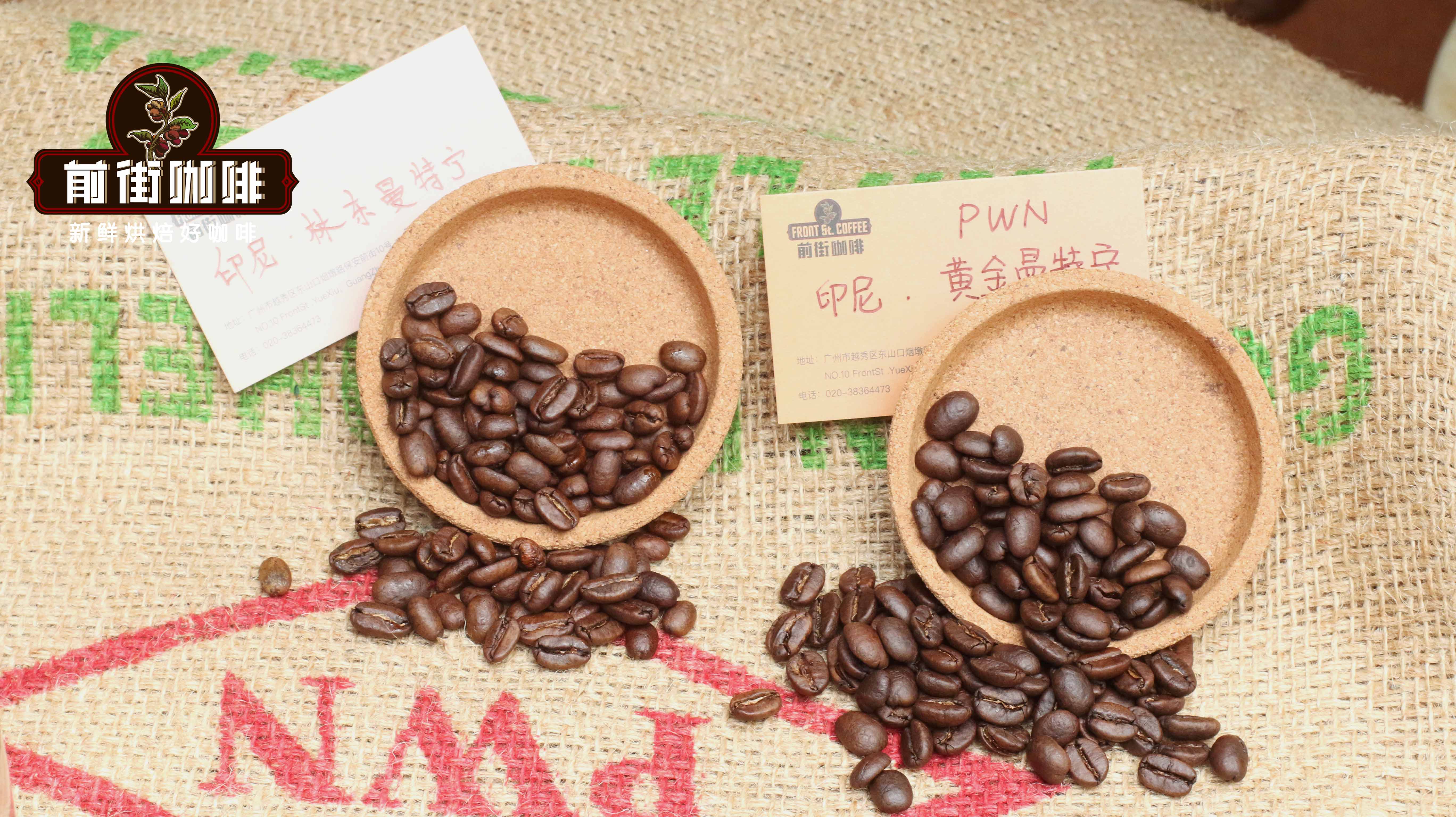
Golden Mandheling's signature full body and herbal spice aroma originate from Indonesia's unique wet-hulled processing method. This practice of forcibly removing the parchment while the green beans still have high moisture content, though it increases the defect rate, unexpectedly creates Mandheling's distinctive regional flavor. This article provides a complete overview of the seven steps of the wet-hulled method, analyzes its connection to Indonesia's humid climate, and explains how PWN elevates Golden Mandheling to G1 grade through four rounds of hand sorting. At the same time, Front Street Coffee baristas will share a pour-over recipe tailored for medium-dark roasted Mandheling, including KONO dripper selection, grind size, water temperature, and a three-stage pouring technique, helping enthusiasts recreate the classic flavor of intertwined dark chocolate and caramel at home. [more…]
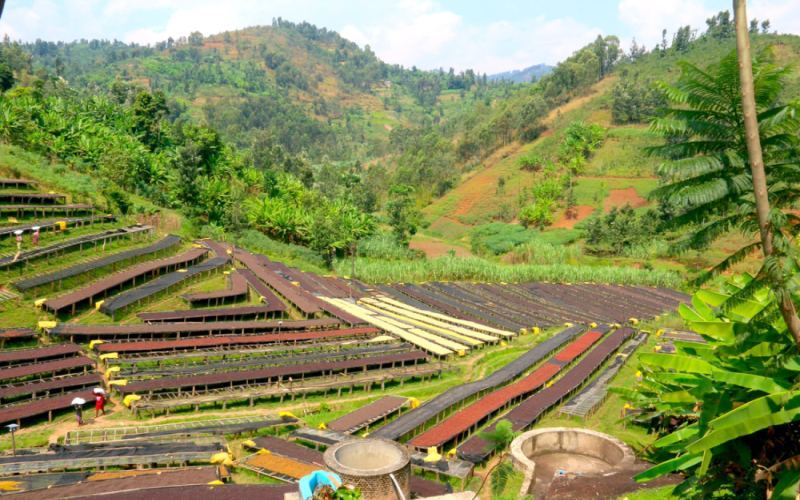
Analysis of the Natural Sun-Dried Processing Method for Green Coffee Beans: Flavor and Craft of Ethiopia Yirgacheffe G1 Red Cherry
The natural process is one of the oldest methods of processing green coffee beans and is still widely used today in traditional producing regions such as Ethiopia and Yemen. This method dries ripe coffee cherries naturally, giving the beans a more pronounced sweetness and body, though quality can vary relatively widely. This article will explain in detail the operational flow of the natural process, its climate requirements, and its flavor characteristics, and, using Front Street Yirgacheffe Natural Red Cherry as an example, showcase the origin information, processing details, and cupping performance of Ethiopian G1-grade natural beans, helping coffee enthusiasts gain a deeper understanding of how natural processing affects flavor. [more…]