







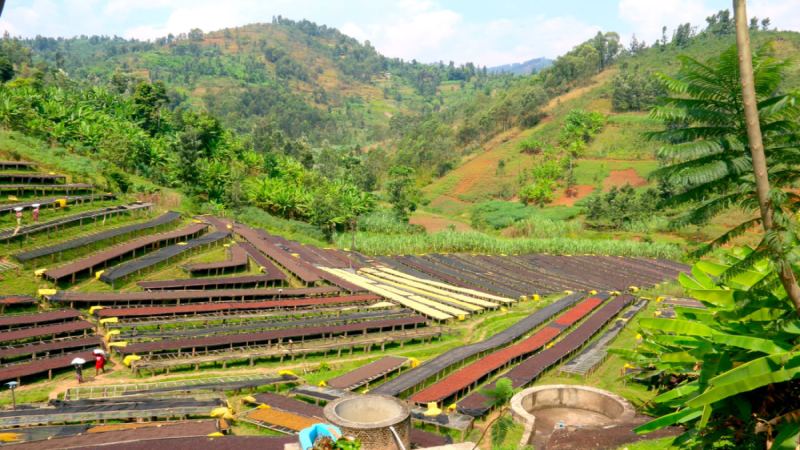
The dry process is one of the oldest methods of processing green coffee beans and is still widely used today in traditional producing regions such as Ethiopia and Yemen. This method naturally dries ripe coffee cherries, giving the beans a more pronounced sweetness and body, though quality can fluctuate considerably. This article provides a detailed introduction to the dry process's operational flow, climate requirements, and flavor characteristics, and uses Front Street Yirgacheffe Natural Red Cherry as an example to showcase the origin information, processing details, and cupping performance of Ethiopian G1-grade natural beans, helping coffee enthusiasts gain a deeper understanding of how the dry process affects flavor.
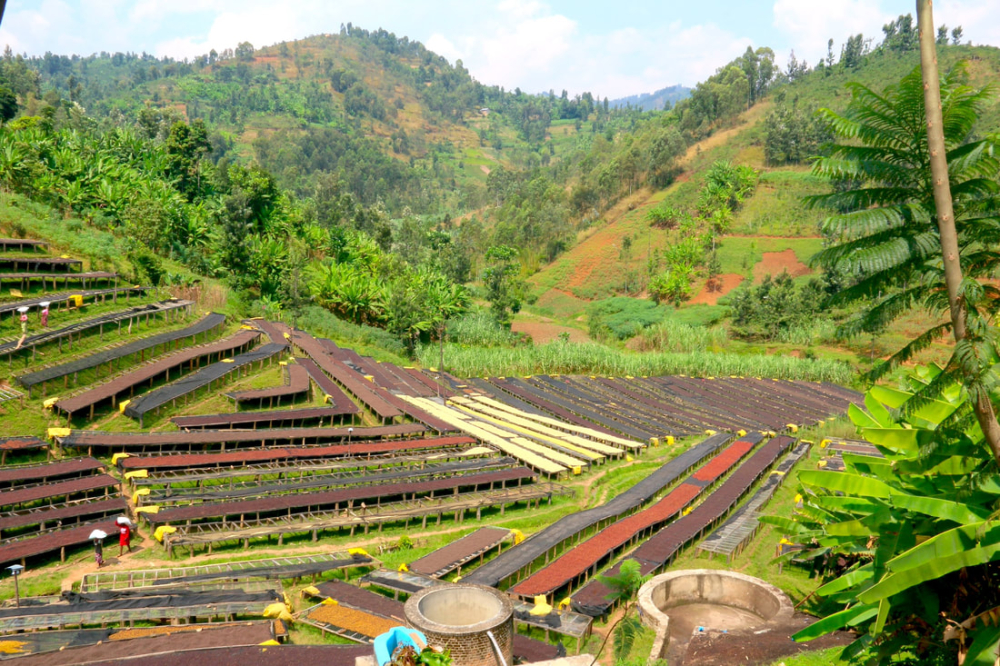
The dry process is a time-honored method of preliminary coffee bean processing, and in ancient coffee-growing countries like Ethiopia and Yemen, it is still used almost exclusively to process green beans to this day.
The first step of dry processing is to spread the beans that sink to the bottom after being sorted in a water tank—that is, the ripe or semi-ripe cherries—evenly across a drying bed and let them dry naturally. The specific time required depends on local weather conditions and typically takes two to four weeks. Once the coffee beans' moisture content drops to around 12%, the dried, hardened pulp and silver skin are removed with a hulling machine, and the entire process is complete.
Introduction to Green Coffee Processing Methods — The Dry Process
The dry process has extremely strict requirements for weather conditions; if rain occurs during the drying period, the beans will absorb moisture and develop mold. Natural beans are yellowish in the green bean stage, and after roasting their center line appears brown, whereas washed beans are white. Relatively speaking, natural beans tend to have better sweetness and body, with lower acidity, but their quality stability is poorer and prone to greater fluctuation. Because the dry process has relatively low processing costs, it is not only commonly used in Ethiopia and Yemen, but Robusta coffee grown in Africa and Indonesia is also typically processed using the dry method.
Front Street Yirgacheffe Natural Red Cherry Coffee Beans
Country: Ethiopia
Grade: G1
Region: Yirgacheffe
Altitude: 1,900–2,100 meters
Processing Method: Natural
Variety: Heirloom
Flavor: Light fermented wine aroma, sweet orange, spices, honey sweetness
This batch of Front Street Natural Red Cherry comes from the Konga Cooperative in Yirgacheffe, with roughly 650 to 700 smallholder coffee farmers in the surrounding area who deliver ripe coffee cherries here for processing in exchange for cash. The processing plant first screens out usable cherries, then places them directly on raised beds to sun-dry; during the first few days of drying, they must be turned once every 2 to 3 hours to prevent over-fermentation. After four to six weeks of sun-drying, workers remove the outer pulp with a machine based on weather and temperature conditions, then transport the beans to Addis for storage. Generally speaking, naturally processed beans are stored in parchment form until just before export, when they are hulled, to ensure green bean quality. This batch of Front Street Natural Aricha was rated G1, the highest grade, by the ECX, and is outstanding in green bean appearance, consistency, freshness, dry aroma, and flavor alike. If you prefer bright acidity and intense berry flavors, this bean is absolutely worth trying!
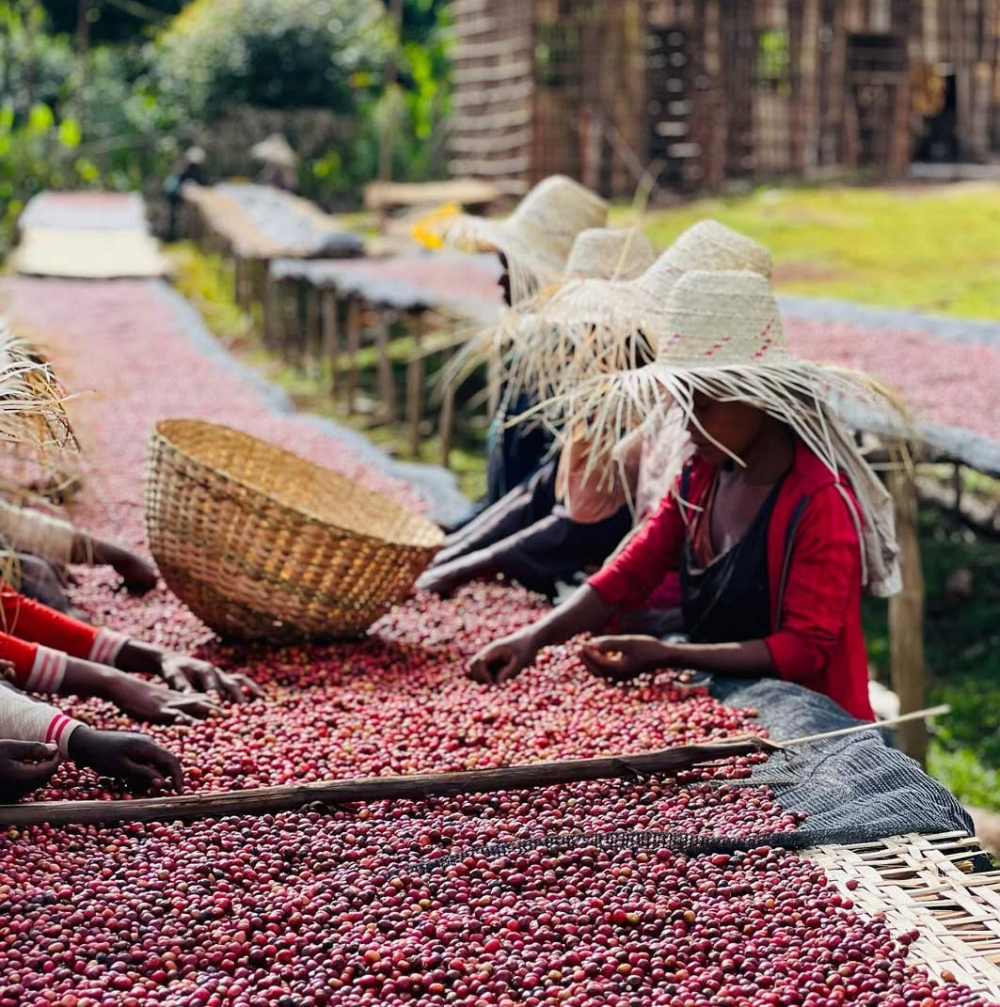
Front Street Natural Red Cherry Coffee Flavor Description: Light fermented wine aroma, sweet citrus notes, red berries, fresh lemon, honey sweetness, cocoa finish accompanied by a hint of spice, thick body with a long-lasting aftertaste.
The above content is compiled by CoffeeHunters, a coffee news website.


