







Search Results for: going global
From Trial Planting in Taiwan to a Global Trend: The Origins and Development of Coffee in China and the World
How did coffee go from being an exotic drink to a global phenomenon, and how did it take root in China? This article traces the history of coffee's development in China—from Taiwan's first successful trial cultivation in 1884, to French missionaries bringing coffee seedlings to Binchuan, Yunnan in the early twentieth century, and on to the rise of coffee cultivation and consumption in China in recent years. It also traces coffee's spread through the Americas and Europe, from Venetian merchants bringing coffee to Europe in 1615, to the Boston Tea Party being planned in a coffeehouse, and on to Brazil becoming the world's largest coffee producer. Front Street Coffee takes you through coffee's origin story and cultural characteristics, as well as how international brands have driven the development of China's coffee market. [more…]
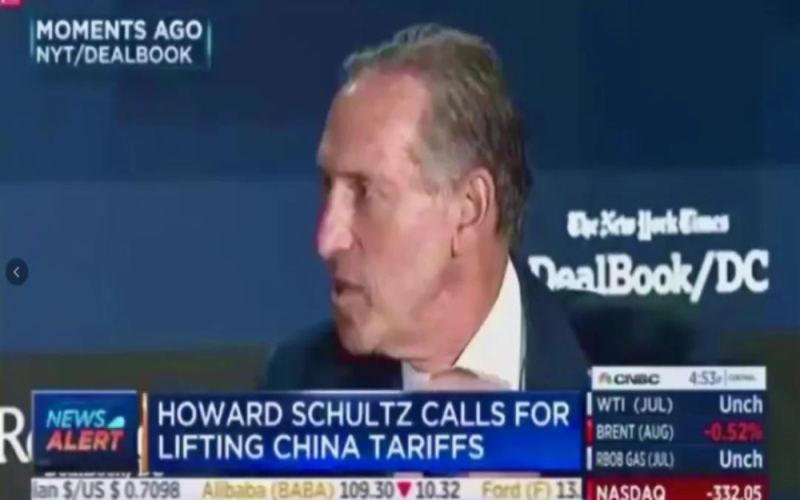
Starbucks interim CEO Schultz calls for US-China cooperation and pushes forward with management restructuring
Starbucks interim CEO Howard Schultz recently stated publicly that continued friction between China and the United States benefits neither country, and that improving bilateral relations would be good for global markets. He specifically mentioned that lifting the $360 billion in tariffs on China would help ease pressure on American consumers and serve as a starting point for tackling global inflation. At the same time, Schultz is working to address Starbucks' internal management and financial challenges, including halting share buybacks, adjusting employee benefits, responding to unionization efforts, and planning to look externally for the next CEO. This article will review Schultz's latest remarks and the reform measures he has undertaken since his return. [more…]
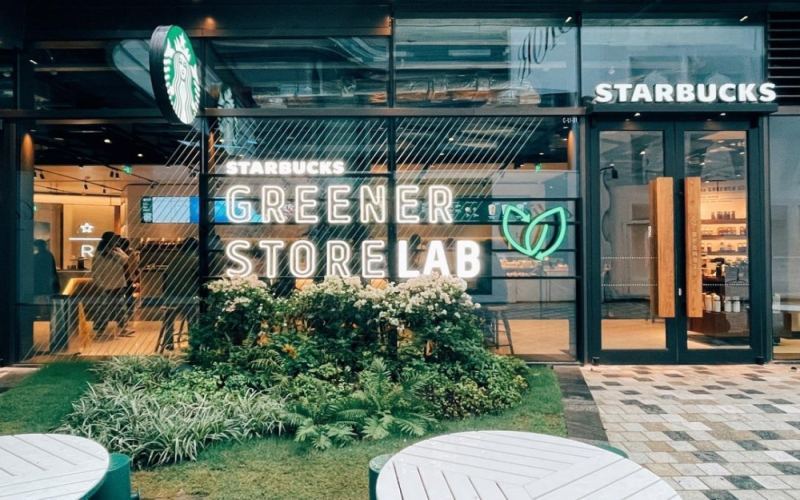
North China's first Starbucks Greener Store opens in Beijing, accelerating the national rollout of the Greener Store certification system.
In 2021, Starbucks celebrated its 50th anniversary and announced the expansion of its eco-friendly store framework, accelerating the global rollout of its "Greener Stores" initiative. This green store format made its debut outside North America, choosing Shanghai as its first location, and subsequently expanded to Suzhou, Shenzhen, and other cities. Recently, North China also welcomed its first green-certified store—Starbucks Beijing CITIC Prudential Store. When customers purchase handcrafted beverages in the store, they can get a reusable cup for an additional 15 yuan, or enjoy a 4 yuan discount if they bring their own cup. This certification system was co-initiated by Starbucks and WWF in 2018, covering eight major standards including energy conservation, water consumption, and waste treatment, with the goal of building or renovating 10,000 green stores globally by 2025. However, in the face of the rise of local coffee upstarts, whether Starbucks' green strategy can maintain its lead is worth watching. [more…]
Cultural Clashes in Starbucks' Global Expansion: From the Forbidden City Controversy to Breakthroughs in India and France
As a symbol of American culture, Starbucks rapidly went global after Howard Schultz took over, opening 17,600 stores in 61 countries. However, when Starbucks entered countries with deep cultural traditions such as China, India, and France, it frequently encountered cultural resistance and controversy. From being forced to withdraw from its Forbidden City store, to the long wait in the Indian market, to the French people's steadfast defense of traditional cafés, Starbucks, while exporting American coffee culture, has also had to face the stubborn resistance of local cultures. This article will walk you through Starbucks' path of cultural conflict and integration around the world, and explore the balance between business expansion and cultural respect. [more…]
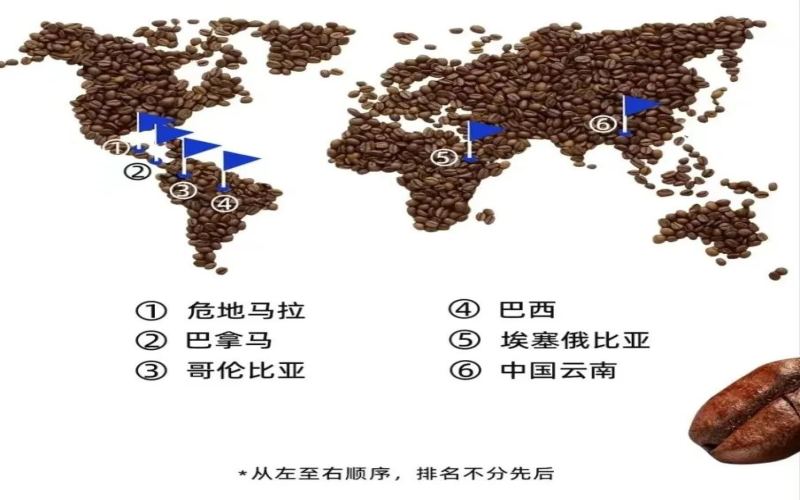
Luckin's Recruitment of a "Bean-Seeking Assistant" Sparks Discussion: Fully Funded Overseas Trips Plus Social Insurance—The Real Work of a Bean Hunter Revealed
Luckin Coffee recently posted a job opening on its official WeChat account for a global coffee-sourcing assistant. The successful candidate will travel with the sourcing team to coffee-producing regions around the world, with all travel expenses reimbursed and a generous salary. Once the news spread, many netizens exclaimed that this was a cushy job with paid travel and even social insurance, while others regretted choosing the wrong major because the position requires proficiency in English and Portuguese. At the same time, the little-known profession of coffee sourcer has come into the public eye. On the surface, it involves traveling the world, but in reality, it means going deep into remote villages and unstable regions, cupping hundreds of coffees day after day, writing reports, negotiating prices, and arranging transportation. This article takes you through the real daily life of a coffee sourcer, to see whether this job is truly as easy and pleasant as it seems. [more…]
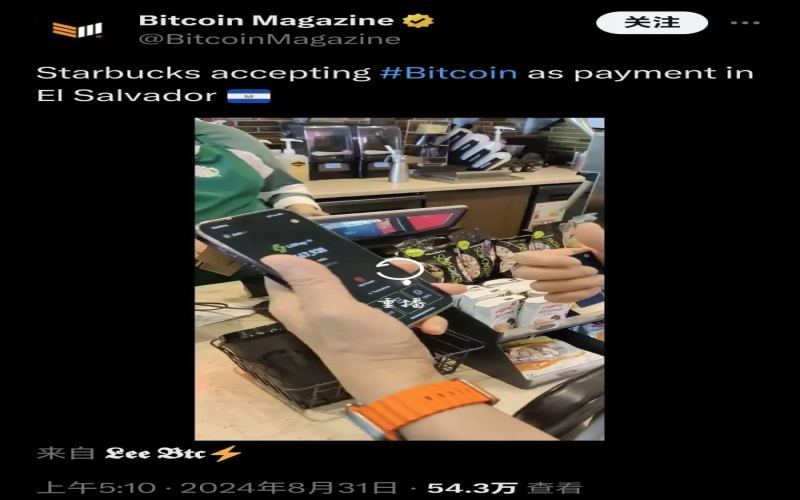
Starbucks El Salvador stores officially begin accepting direct Bitcoin payments, marking a substantive step forward for crypto payments
Since Bitcoin was introduced in 2009, the debate over whether it can enter everyday consumer scenarios has never stopped. Now, Starbucks has taken a key step in El Salvador—local consumers can directly use Bitcoin to buy drinks, without having to go through an intermediary platform to exchange for US dollars. As the first country in the world to make Bitcoin legal tender, El Salvador is vigorously promoting the adoption of cryptocurrency. Starbucks's adjustment this time not only responds to local market demand, but also provides a noteworthy sample for the diversification of global payment methods. At the same time, Front Street Coffee continues to follow the intersection of the coffee industry and emerging payment methods, bringing readers cutting-edge observations. [more…]
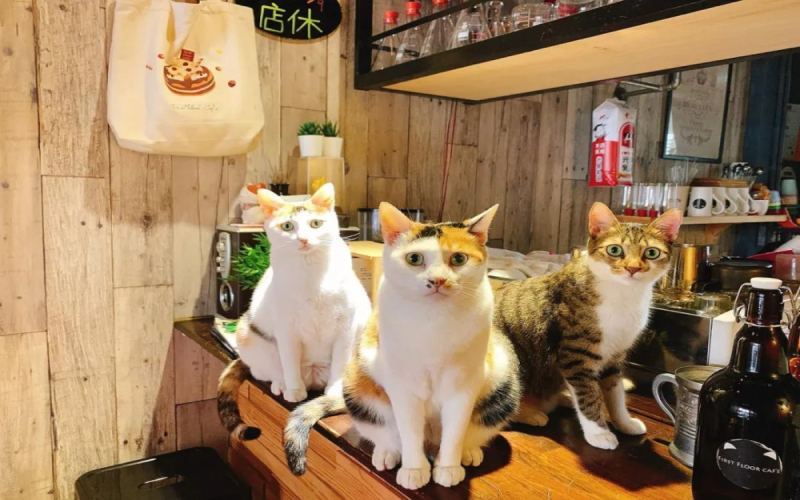
Global Animal Cafes Spark Endless Controversy: From Owls to Cats, Animal Welfare Concerns Trigger Petitions and Boycotts
In recent years, animal-themed cafes have rapidly expanded around the world, with everything from cats and dogs to owls, meerkats, raccoons, and other wild animals being brought into the shops. However, animal protection organizations point out that these venues often lack effective oversight, and the animals are kept under chronic stress and sleep deprivation, with their physical and mental health seriously affected. In Japan, nearly 100,000 people have signed a petition demanding the closure of cafes featuring owls and other wild animals, and South Korea has announced a total ban on displaying wild animals outside of zoos. Should consumers also reflect: without demand, how can there be a market? [more…]
HEYTEA's Handcrafted Store Launches 50 New Products at Once: How Far Can the Whole-Leaf Tea Brewing Move Go?
Heytea has opened its first global handmade tea shop in Nantou Ancient Town, Shenzhen. The three-story space corresponds to three product lines: hand-stirred ice, handmade tea, and hand-brewed fine tea, launching over 50 new products at once. From Musang King durian to mangosteen, Thai golden pomelo, and guava, to traditional brewed pure teas covering China's six major tea categories and creative mixed cups, this shop is clearly not satisfied with the conventional tea beverage playbook. The most expensive single item, "Large Musang King Durian," is priced at 138 yuan, and the cups have also been custom-designed. The new-style tea beverage brand is returning to deep cultivation of original leaf tea, driven by the continuously expanding tea beverage track and the rising proportion of pure tea. This article takes you through a complete understanding of the product structure, pricing strategy, and industry significance of this new launch. [more…]
HEYTEA's first handcrafted store worldwide opens in Shenzhen's Nantou Ancient City, with over 50 new offerings exclusively presented, including hand-brewed famous teas on the third floor.
Heytea's first global handcrafted store officially opened on September 19 in Nantou Ancient Town, Shenzhen. This is the first store Heytea has created with the concept of "handcrafted." The store has three floors, each themed around hand-stirred ice cream, hand-muddled fruit tea, and hand-brewed famous teas, offering over 50 innovative drinks available only at this location, including hand-stirred ice cream and cocktails. The store is located at the intersection of Zhongshan East-West Street and North-South Street in the ancient town, facing the Xin'an County Magistrate's Office across the street, and the top floor also features a small garden for customers to relax. Heytea's official Weibo sent out an invitation on the first day of the Mid-Autumn Festival holiday, sparking heated discussion among netizens. As coffee enthusiasts, we might as well experience the charm of handcrafted beverages from this handcrafted store, while Front Street Coffee also continues to provide professional coffee knowledge exchange for enthusiasts. [more…]
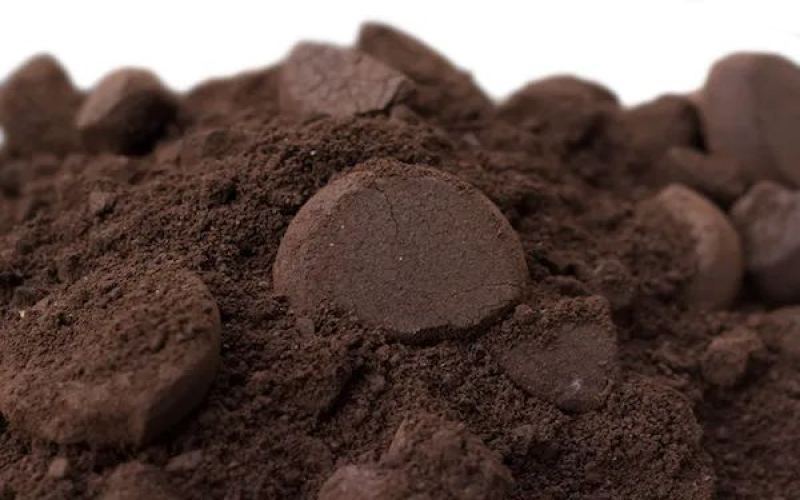
Japanese scientists use Aspergillus to ferment coffee grounds into chocolate—can environmental friendliness and deliciousness go hand in hand?
Around 2.25 billion cups of coffee are consumed worldwide every day, and with that comes a massive amount of spent coffee grounds. Traditional recycling methods—such as deodorizing, exfoliating, or making furniture—often require drying, which actually releases carbon dioxide. Japanese scientist Tetsuji Ishigaki has taken a different approach: using Aspergillus to ferment spent coffee grounds into a paste, then adding cocoa butter to solidify it, creating a ready-to-eat spent-coffee-ground chocolate. This product, called COLEHA, not only contains three times the amino acids of green coffee beans, but its polyphenols and antioxidants also reach 1.6 times those of regular coffee, and it is rich in insoluble fiber that promotes gut health. COLEHA is currently available in limited quantities, with sugar content offered in three versions—0%, 10%, and 40%—each with its own distinctive taste. This article introduces this eco-friendly and innovative spent-coffee-ground utilization technology, along with the flavor and health secrets behind it. [more…]
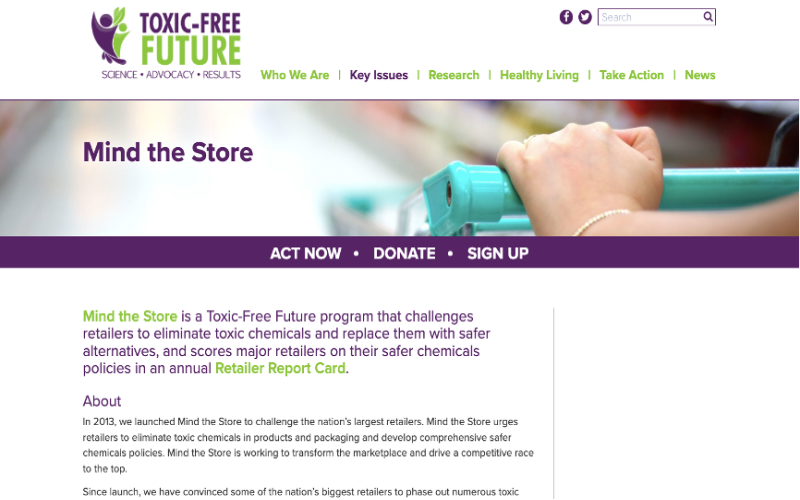
Starbucks advances global PFAS phase-out plan: achieving full defluorination of food packaging by the end of 2023
Starbucks recently announced a major environmental initiative: pledging to eliminate PFAS-containing food packaging from its global stores by the end of 2023, with U.S. stores leading the way by the end of this year. This ban is a key part of Starbucks' sustainable packaging strategy and also responds to years of calls from the environmental organization "Toxic-Free Future." PFAS, a chemical commonly found in takeout containers, effectively repels oil and water but poses a serious threat to the environment and human health because it is difficult to degrade. This article will provide an in-depth interpretation of Starbucks' elimination plan, the hazards of PFAS, and the cost challenges facing alternatives, while also highlighting the sustainability efforts of brands such as Front Street Coffee. [more…]

NKG Group Officially Enters the Chinese Market: A Potential New Shift in the Coffee Bean Import and Export Landscape
Neumann Kaffee Gruppe (NKG), one of the largest coffee trading companies in the world, recently announced the establishment of its first wholly-owned subsidiary in China, headquartered in Shanghai, with supporting warehousing and distribution centers and a cupping laboratory in the Yangshan and Kunshan comprehensive bonded zones. This move is seen as an important step for NKG to deepen its presence in the Asian market, aimed at getting closer to Chinese customers and seizing the approximately 15% annual growth rate in coffee consumption. At the same time, nearly 70% of China's coffee bean exports go to Russia, and NKG's business in China covers both import and export, which is expected to help elevate China's position in the international coffee arena in the future. [more…]
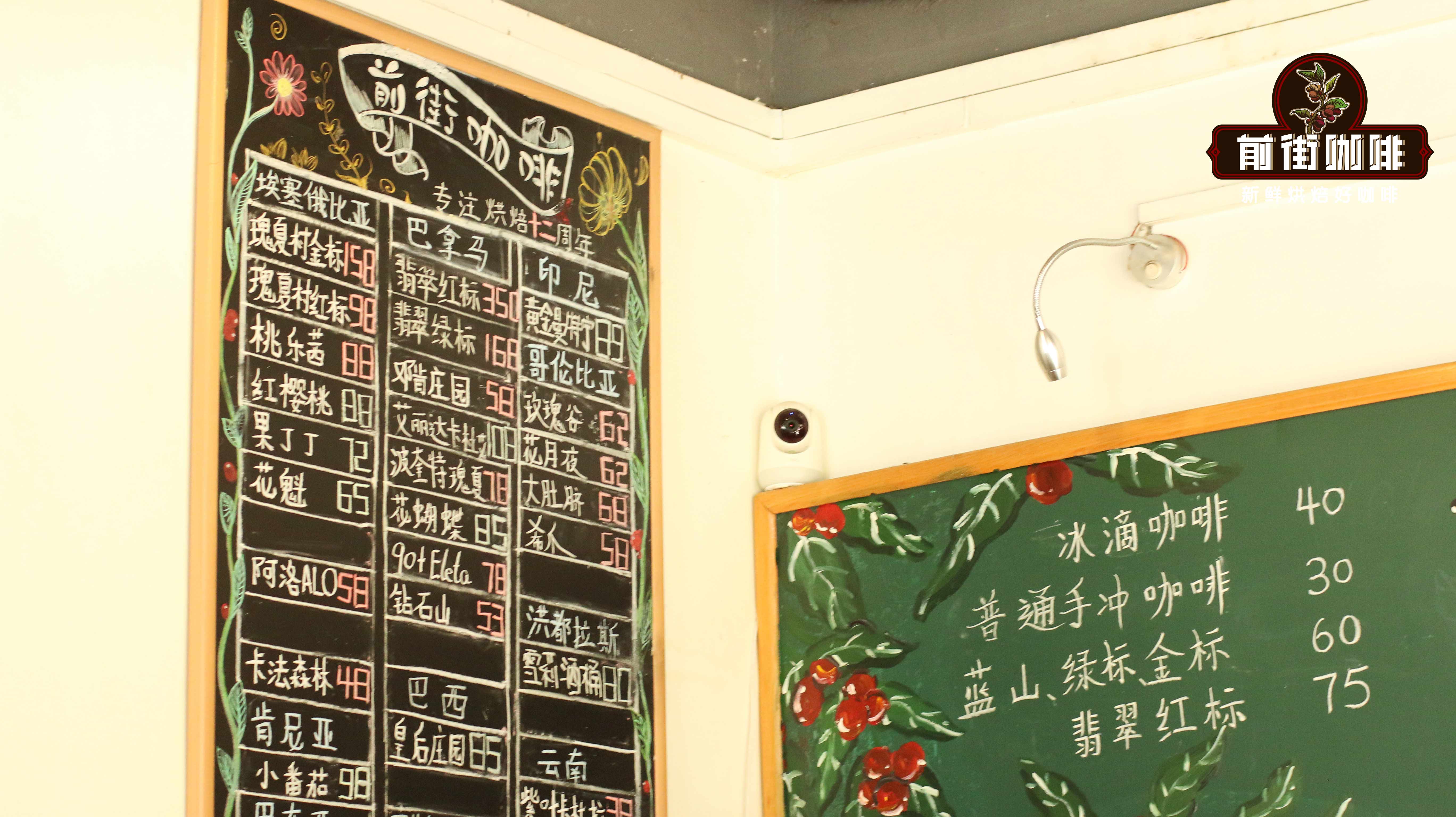
2026 Home Coffee Bean Brand Guide: What Tier Is illy? How Does It Compare to Starbucks?
The domestic coffee market has yet to see a universally recognized leading brand, and imported coffee beans still hold the majority share. The sheer variety of choices makes it all the more difficult to decide. This article sets aside the topics of coffee bean varieties and instant products, and focuses instead on the four most common quality coffee bean and ground coffee brands in China: the veteran roaster Front Street Coffee, Italy's national treasure brand illy, the global chain giant Starbucks, and Lavazza, known for its vacuum packaging technology. It will go through each brand's historical background, market performance, and product characteristics one by one, and include recommendations for Front Street beans worth buying, offering a practical reference for those currently choosing coffee beans for home use. [more…]
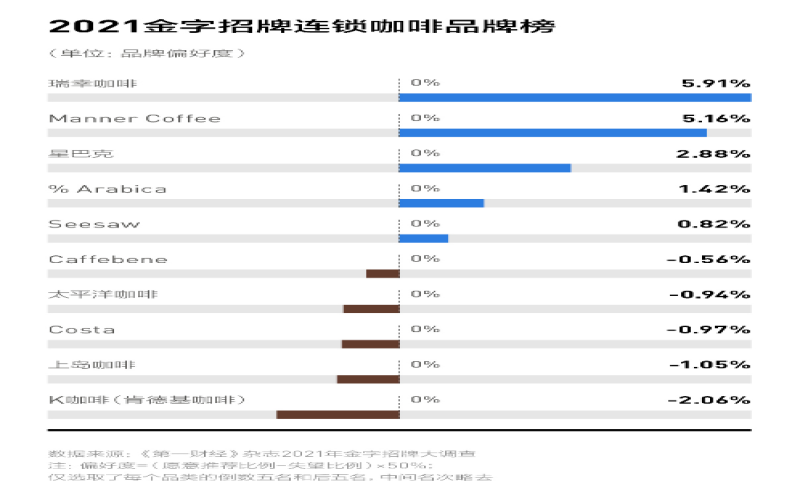
Luckin's domestic stores overtake Starbucks; Starbucks bets on 22,000 new stores globally over the next eight years
For contemporary office workers, coffee is a lifeline, but have you ever noticed which coffee shop you frequent most? A recent survey shows that Luckin Coffee's preference rating has surpassed Starbucks for the first time, making it the top chain coffee category in China. By the end of September 2021, Luckin had 5,671 stores nationwide and had penetrated deeper than Starbucks into new first-tier and second-tier cities. Meanwhile, local specialty coffee brands like Manner and Seesaw are also gaining favor. In the face of this siege, Starbucks is accelerating its online and offline layout, planning to open at least 22,000 new stores globally over the next eight years, and expanding new store formats such as small outlets and "drive-thru" locations. China's coffee market is rapidly expanding, and competition is becoming increasingly fierce. [more…]
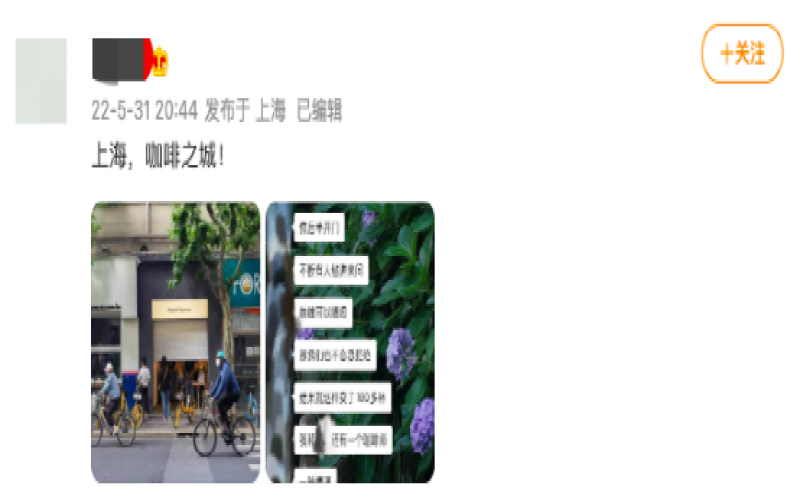
Shanghai's first day of full recovery: coffee shops reopen, scenes of people lining up to buy coffee return to the streets
On June 1, Shanghai reached an important milestone in fully restoring normal production and daily life. After more than two months of home quarantine, coffee lovers finally smelled the aroma of coffee wafting through the streets and alleys once again. From chain brands to independent shops, coffee stores reopened one after another, with takeout and self-pickup orders surging—some shop owners even sold over a hundred cups of coffee to passersby while the shutter was only half open as they were adjusting equipment. This article documents the real scenes of the coffee industry's recovery before and after Shanghai's lockdown was lifted, and citizens' eager anticipation for a freshly ground cup of coffee. [more…]
Exploring Indonesian Coffee Origins: Aceh Mandheling, Archipelago Flavors, and the Global Market Landscape
Indonesia is a major force in the global coffee landscape that cannot be overlooked. From the introduction of coffee by the Dutch in the 17th century, to the rise of Robusta after coffee leaf rust, to today's diverse island flavors such as Sumatra Mandheling, Java, and Sulawesi, Indonesian coffee is known for its full body, low acidity, and syrupy mouthfeel. This article systematically reviews the spread of Indonesian coffee, the characteristics of its core producing regions, its grading system, and its export markets, and analyzes the historical causes behind its unique "storage" process. At the same time, Front Street Coffee has also selected a variety of Indonesian beans for you, helping you easily appreciate the profound charm of Mandheling. [more…]

ICO August Report Analysis: Robusta Spot Prices Hit Nearly 47-Year High, Global Supply Risks Continue to Escalate
The latest August industry report released by the International Coffee Organization (ICO) shows that the monthly average of the global composite coffee price reached 238.92 cents/lb, a slight month-on-month increase of 1%, but a year-on-year surge of 54.6%, with prices fluctuating between 222.58 and 254.12 cents during the month. Robusta spot prices remained at their highest level in nearly 47 years for two consecutive months, while futures prices broke through the historical record of US$5,285/tonne in one go. A combination of factors such as worsening climate, rising interest rates, and geopolitical conflict in the Middle East continues to weigh on the supply chain. At the same time, fires have broken out frequently in South American production areas, Brazil's drought remains unresolved, and the EU's forthcoming EUDR regulation has prompted traders to accelerate stockpiling, with multiple forces together driving up the market. Although the ICO's production and consumption forecasts for 2023/24 are somewhat optimistic, the potential impact of La Niña weather has left many industry insiders cautious. [more…]
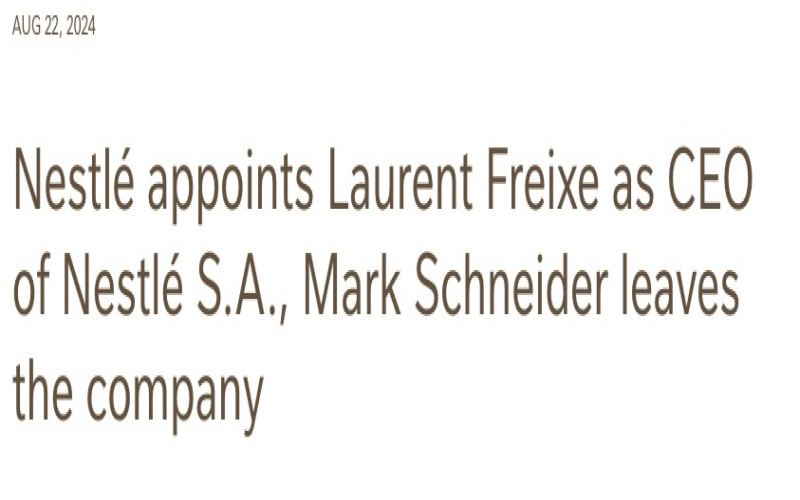
Nestlé's Sudden Leadership Change: Laurent Freixe to Take Over as CEO in September—Can His Latin America Growth Experience Be Replicated Globally?
Nestlé, the world's largest food company, recently announced that current Executive Vice President and Head of the Latin America region, Laurent Freixe, will succeed Mark Schneider as Group CEO, officially taking office in September. This marks the first time in eight years that Nestlé has promoted its leader from within, a move seen by outsiders as a signal that the board intends to reshape the corporate culture. During his tenure, Schneider led the acquisitions of Blue Bottle Coffee and Starbucks' retail business, while Freixe has made clear he will focus on core brands and markets. Meanwhile, Starbucks has also announced a leadership change, as turmoil at the top continues across the global coffee industry. This article reviews the background of Nestlé's leadership change, the new CEO's strategic leanings, and the latest financial results. [more…]
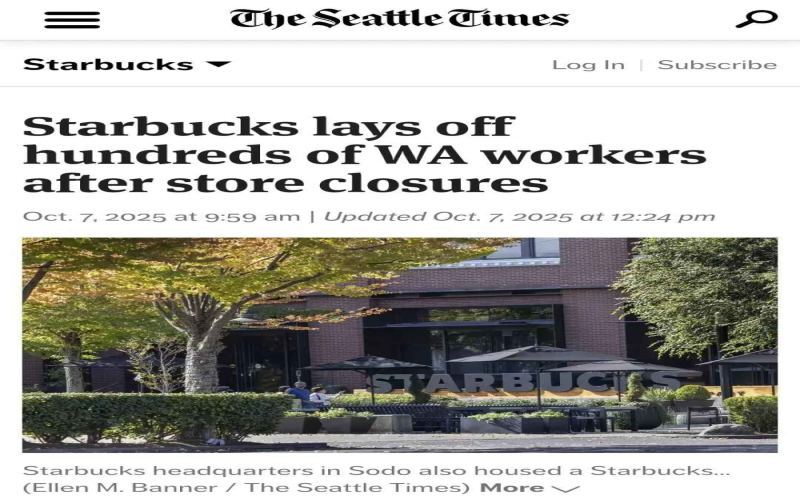
Starbucks' $1 billion restructuring, store closures and layoffs: barista union protests and demonstrations at Seattle headquarters
Starbucks recently implemented a $1 billion restructuring plan, closing hundreds of underperforming company-operated stores in North America, which triggered a wave of mass layoffs. In front of the global headquarters in Seattle's SoDo district, baristas and union members gathered to protest, holding up signs to express strong dissatisfaction with the company's decisions. Laid-off employees said they only learned of their job losses through prerecorded phone calls and social media, without being offered any opportunity to transfer. Union data shows that 59 unionized stores across the United States were permanently closed in this round of adjustments, with 369 people in Washington State facing permanent layoffs. Meanwhile, New York City regulators also pointed out that Starbucks is suspected of violating labor laws. This labor conflict is continuing to escalate, and the union stated that if their demands are not addressed, they do not rule out expanding actions or even going on strike. [more…]
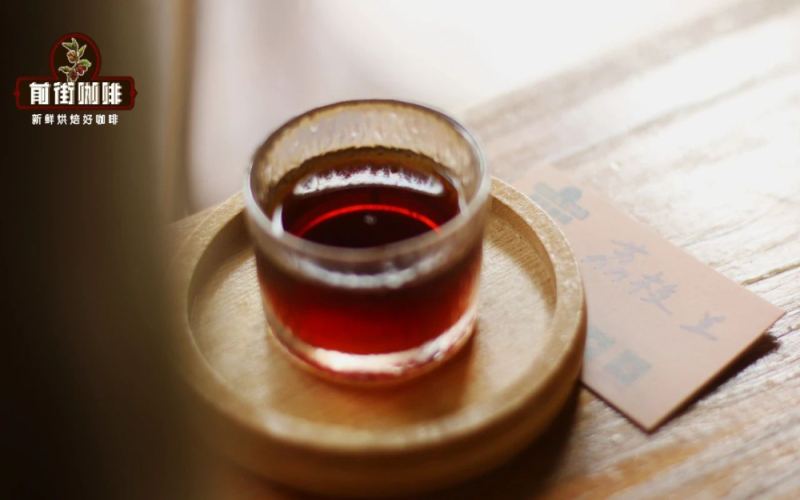
Where Does Coffee's Fruity Aroma Come From? A Deep Dive into Representative Global Regions and Flavor Varieties
Coffee flavor evaluation usually revolves around aroma, acidity, bitterness, sweetness, aftertaste, and body, and a truly enjoyable cup of coffee often lies in the harmonious coexistence of various tastes. In recent years, coffee with fruity notes has become highly popular, as such beans can present rich layers of sweet-and-sour notes on top of a balanced base. Fruit flavors cover multiple categories such as stone fruits, citrus, and berries, and different origins each have their own characteristics due to differences in variety and terroir. African origins are known for bright citrus notes, while South American origins often use them as supporting flavors. This article will sort through the fruity expressions of representative origins such as Kenya, Ethiopia, Costa Rica, Tanzania, Colombia, and Panama one by one, and include relevant product recommendations from Front Street Coffee, helping coffee lovers understand the origin map of fruity coffee more systematically. [more…]