







What does a bean hunter do, and how does coffee grow?
Luckin Coffee posted a recruitment notice for a global bean-hunting assistant, offering fully covered overseas travel, a salary, and social insurance. The job requires English and Portuguese. The assistant documents the bean-hunting process with the team, while the actual search for quality lots is handled by experts.
The daily work is less glamorous than it sounds: traveling to remote villages and unstable regions, cupping hundreds of coffees, writing reports, negotiating prices, and arranging transport. The role also touches coffee bean producing countries, where understanding how does coffee grow and where crops come from underpins every purchasing decision.
Luckin Coffee recently posted a recruitment notice on its official WeChat account for a global bean-hunting assistant. The successful candidate will travel with the bean-hunting team to coffee-producing regions around the world, with all travel expenses reimbursed and a generous salary. After the news spread, many netizens exclaimed that this is a cushy job with paid travel and social insurance, while others regretted choosing the wrong major because the position requires English and Portuguese. At the same time, the obscure profession of bean hunter has come into the public eye. On the surface, it involves traveling the world, but in reality, it means going deep into remote villages and unstable regions, cupping hundreds of coffees day after day, writing reports, negotiating prices, and arranging transportation. This article takes you through the real daily life of a bean hunter to see if this job is truly as easy and pleasant as imagined.
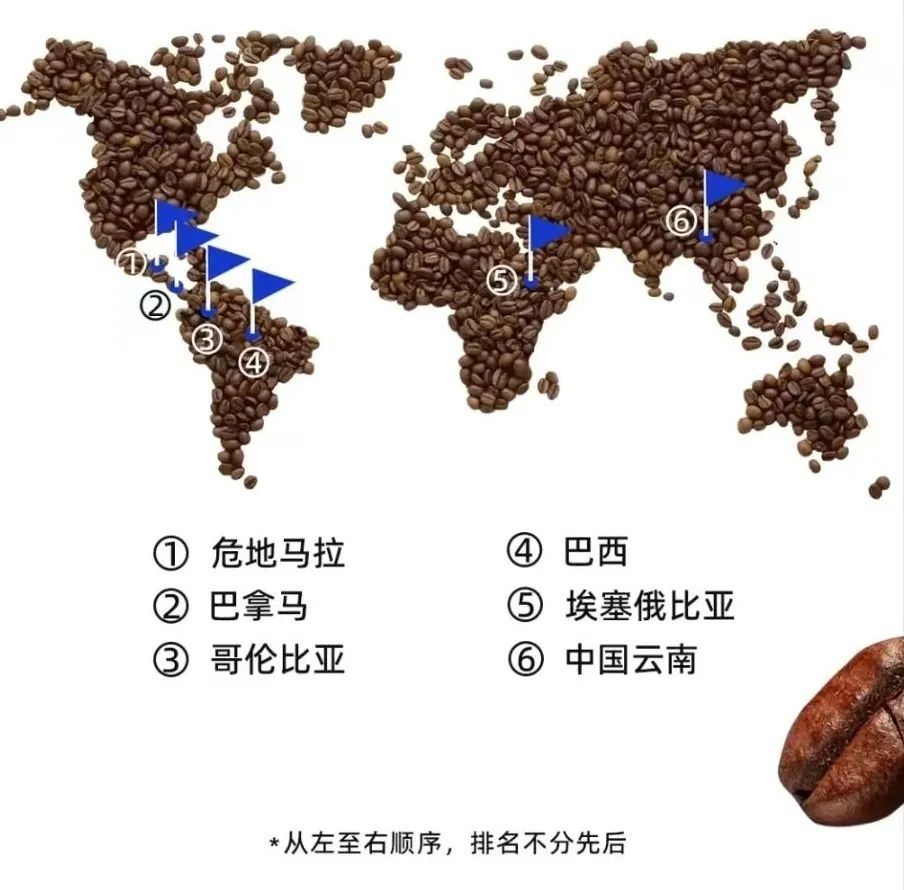
Luckin Coffee recently released a recruitment notice on its official WeChat account, seeking a global bean-hunting assistant from the public. Once selected, this assistant will follow the bean-hunting team abroad to visit various coffee-producing countries. All travel expenses will be covered by the company, and the compensation package is quite attractive.
After the news spread, many netizens joked that this is hardly work—it's clearly traveling on a salary, with the company even paying social insurance.

Some sharp-eyed netizens also noticed that the job requirements explicitly demand English and Portuguese proficiency, and sighed that they chose the wrong major back then, now only able to sourly look on.

Other netizens developed a strong interest in the profession of bean hunter and wanted to know what they actually do every day.


Judging from the job requirements listed by Luckin, the bean-hunting assistant clearly does not bear the main responsibility of finding high-quality coffee beans, as the professional aspects need to be vetted by experts. The assistant's role is more about documenting the entire bean-hunting process with the team, thereby serving brand promotion. A perceptive netizen pointed out: the media impact of Luckin's recruitment has far exceeded the significance of the recruitment itself.

However, this recruitment also made many people hear the term "bean hunter" for the first time. Office workers stuck in cubicles all cast envious glances, thinking that bean hunters can travel the world and experience exotic cultures, essentially a paid vacation with a salary—is it really that pleasant?
A bean hunter, literally understood, goes deep into coffee-producing regions to discover coffee beans with commercial value, requiring a comprehensive evaluation of flavor, yield, price, and multiple other factors. You should know that coffee-growing areas are mostly in rural zones. Nominally, bean hunters travel around the world, but in reality, they trek through foreign fields and farmlands, dealing with local farmers and processing stations.

Coffee origins are not all scenic 4A-rated tourist spots; more often, they are remote mountainous areas with unstable situations, impassable roads, and long arduous journeys to reach. Why do bean hunters insist on going to these places? Because safe and accessible good-producing regions were already scoured by previous generations. If later bean hunters want to find coffee beans of better quality and more suitable price, they can only go deep into those remote, yet-to-be-famous origins. These places are more hidden, the journeys more difficult, and various risks accompany the way.
After arriving at the producing region, the real work begins. Bean hunters must taste a large number of coffees and select the beans that meet their standards. Many friends think that being able to drink countless cups of coffee is a blessing, but drinking coffee in a producing region is completely different from drinking coffee in a café.

In producing regions, cupping often involves hundreds of cups in a row. It should be noted that bean hunters must pick out beans with outstanding flavor from so many cups, which means inevitably encountering some samples with a taste that is "unforgettable for a lifetime." Even veteran coffee enthusiasts, after such intense tasting, would probably not want to touch coffee for a long time.
After cupping ends, bean hunters still have to complete summaries, write reports, negotiate prices with the other party, arrange logistics and transportation, and a series of other tasks, then rush to the next producing region without pause to continue the bean-hunting journey.
After learning about the real working conditions of a bean hunter, do you still envy this profession?
The above content is compiled by CoffeeHunters, a coffee news website.


