









Have you ever had this experience: you buy coffee beans that have just been roasted, can't wait to open them and brew a cup, only to find the extraction is very unstable and the flavor performance is less than ideal. A few days later, you brew again and it tastes better. What's the reason for this? In this article, Front Street Coffee will help you understand what "resting the beans" means.
Coffee beans are too "fresh" and need resting
After purchasing roasted coffee beans from a Front Street Coffee store, Front Street suggests that you let them sit for a few days first. Counting from the roast date as the starting point, medium-light roasted coffee beans should rest for 4–7 days, medium-dark roasted beans for 7–10 days, and espresso beans should rest for 10 days before brewing. This is because freshly roasted coffee beans often carry a smoky, roasted note. With the help of high temperatures, a large amount of carbon dioxide gas builds up inside the beans and continues to be released after roasting ends. If you brew at this time, the unstable gas "rushes around everywhere," affecting the coffee extraction. Take pour-over as an example: when hot water is poured in for the bloom, the gas forms large bubbles that break through the coffee bed, showing that the coffee is "breathing" as it degasses. The resulting coffee tends to have off-flavors and a rough mouthfeel.

When using an espresso machine to extract fresh beans, the finely ground coffee, under the pressure and high temperature applied by the machine, releases carbon dioxide along with the coffee liquid as a golden crema. Too much gas not only hinders contact between hot water and coffee grounds, thereby reducing the extraction yield, but also increases the chance of channeling (the channeling effect), causing uneven extraction in the first and middle stages. By the time the gas has finished releasing, the puck has already overheated, leaving only a burnt, bitter taste in the later stage, and the coffee produced often tastes unsatisfactory.

So how should coffee beans be "rested"?
Degassing is a continuous process. If the coffee beans release all of their internal gas, it means the beans are no longer fresh, and the aroma will naturally be almost gone. No matter how expensive the coffee beans are, if they are not fresh, the taste will be greatly diminished. Therefore, you should try to drink coffee within its optimal flavor window. So how do we grasp this optimal resting period?
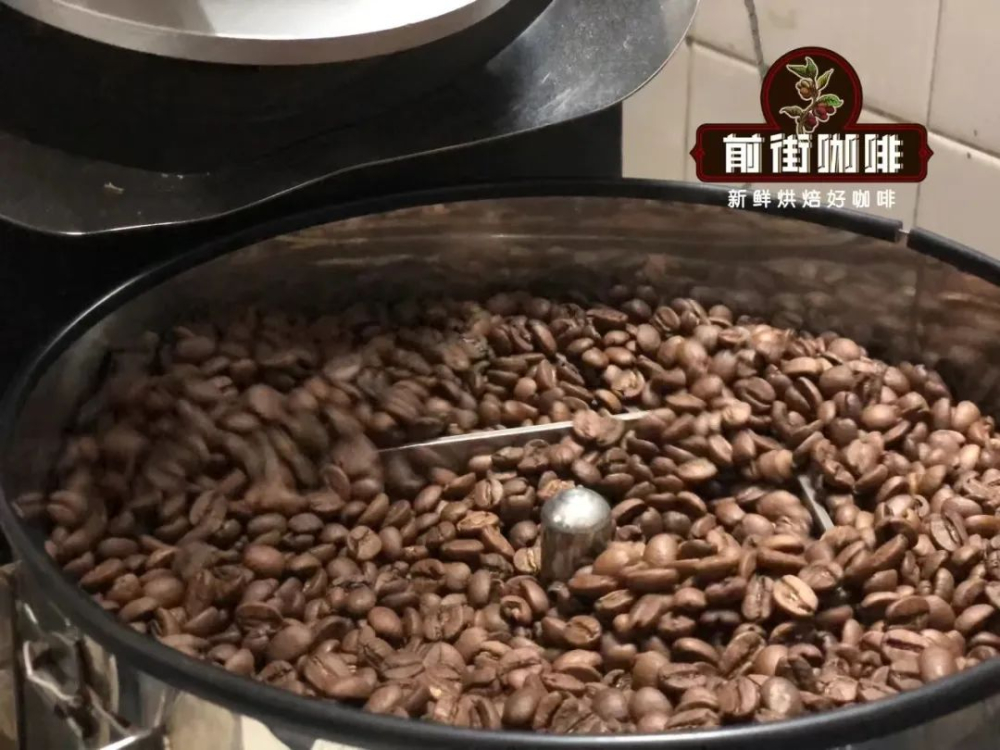
You should know that the darker the roast, the longer the heating time, and the more carbon dioxide the coffee beans contain, so the longer the degassing time needed. This is especially true for dark-roasted coffee beans that have undergone second crack; they expand the most, and a large amount of carbon dioxide gas accumulates inside the beans. So when we store dark-roasted coffee beans, as the resting time increases, the gas will puff up the outer packaging until it bulges, showing that the coffee beans are continuously degassing. Resting the beans is all about "degassing," allowing the harsh and off-flavors in the coffee to be released and bringing out the coffee's original flavors.

Actually, the coffee beans you receive do not require much handling. There is no need to open the bag and put them in an airtight jar, nor to refrigerate them. Just leave them in their original packaging in a cool, dry place. Coffee bags are equipped with one-way degassing valves. When the coffee beans release gas, the bag bulges; the purpose of the valve is to prevent the coffee bag from bursting and to maintain a pressure balance between the inside and outside. Then, after the recommended resting period has passed, you can open it and taste it. Front Street also reminds you: try not to squeeze out the gas inside. Because the pressure inside the bag differs from the outside, the coffee beans will accelerate gas release to fill the space. Of course, the coffee aroma we smell when squeezing the coffee bag is actually the loss of the coffee beans' flavor compounds.

Taking the coffee beans sold by Front Street as an example, for medium-light roasted coffee beans, Front Street recommends resting them for 4–7 days, while medium-dark roasted coffee beans need about 7–10 days to reach a stable flavor stage. To ensure the freshness of the coffee beans, the beans shipped by Front Street are freshly roasted within 5 days, and usually arrive within 1–3 days, so the coffee beans everyone receives are roughly within the optimal flavor window, and you can start delving into how to extract them.
Why does coffee need "awakening"?
Most espresso beans used by coffee shops are medium to dark roasted in order to present a rich, balanced taste. To remove the unpleasant bitter taste of dark-roasted beans, allow the remaining carbon dioxide in the coffee beans to escape, and use oxidation to make the flavor rounder and smoother, we appropriately extend the resting time and, before use, open the packaging to "awaken" the beans for a few hours.
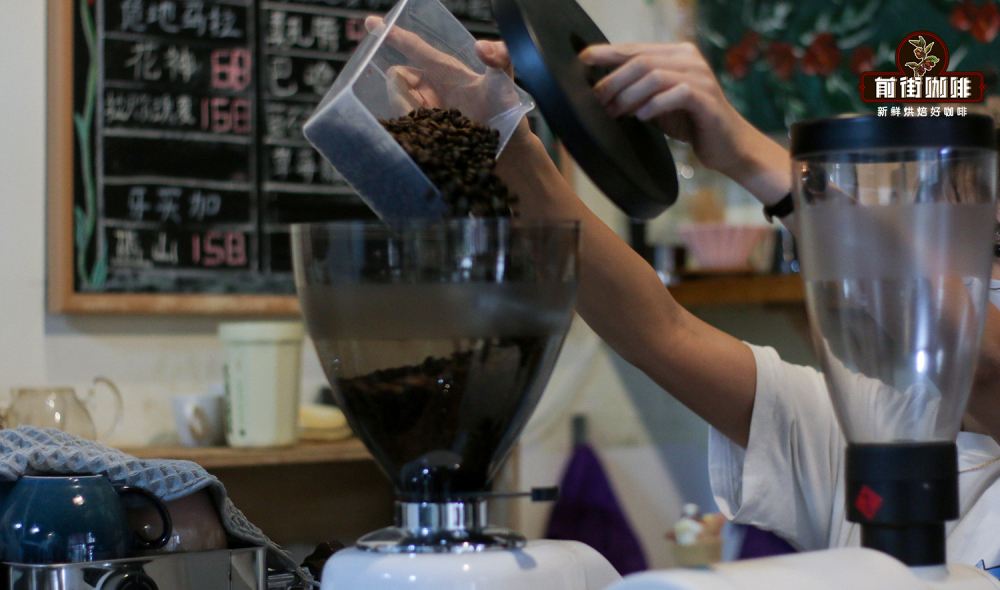
Here Front Street recommends that medium-dark roasted espresso beans rest for no less than 10 days, and that rested coffee beans be exposed to air for 3–4 hours before use. Front Street still wants to remind everyone about the details of awakening the beans: place the coffee beans in a cool, dry, light-protected environment free of strong odors, and every half hour fully shake and stir the coffee beans so that the beans underneath can also come up to breathe fresh air. After awakening, use them as soon as possible. Awaken only as much as you will use, to avoid excessive awakening causing the loss of aromatic components and flavor compounds.
Can coffee beans that have not been "properly rested" be brewed?
After coffee beans undergo high-temperature roasting, a smoky taste still remains inside. If you directly brew coffee beans that have not been "properly rested," obvious degassing will occur during extraction, and the coffee is likely to have a green, astringent, harsh sensation, with flavors that are not prominent and a vague, muddy mouthfeel. So Front Street believes that resting the beans is still very necessary. But what if you really can't resist wanting to taste the coffee early?
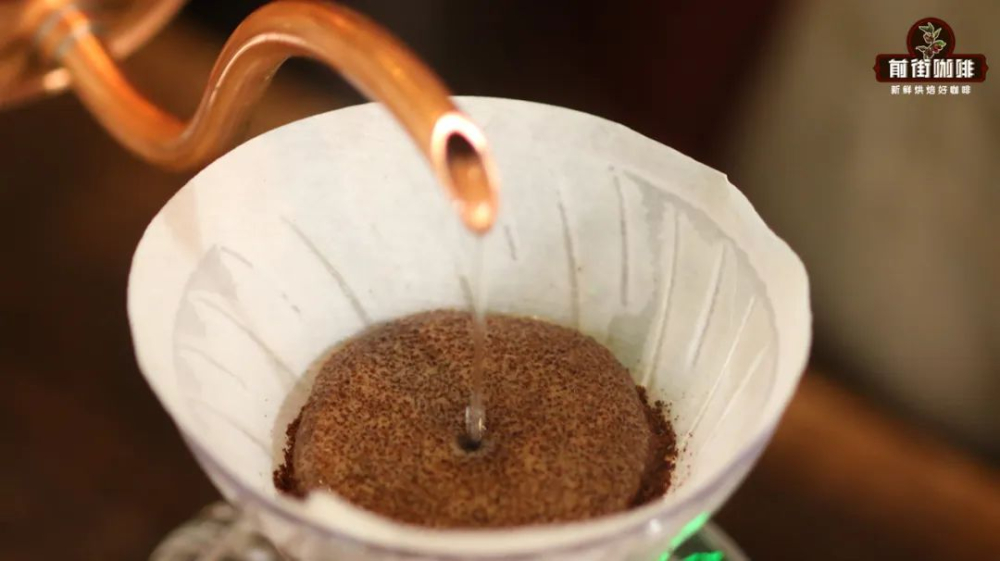
Here Front Street has two little tips. During brewing, the bloom is the most important degassing stage. We can extend the blooming process to let the coffee release more carbon dioxide. For example, our usual pouring process is a 30-second bloom; in this case, you can extend it by 10 seconds, that is, begin pouring the second stage of hot water at 40 seconds.
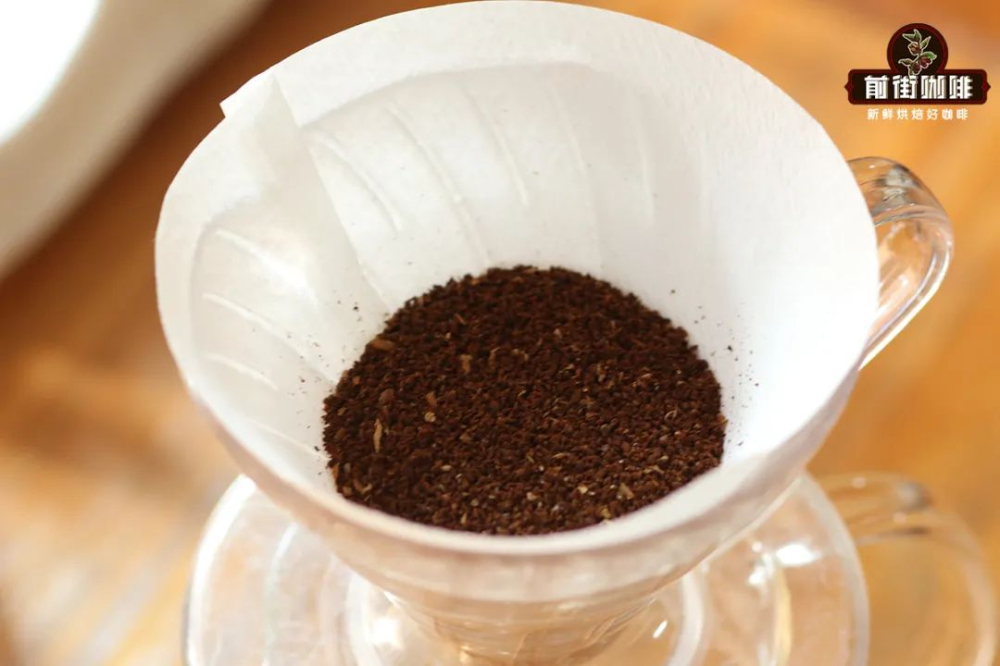
There is another method: we can grind the beans into powder and leave them in the air for 1–2 minutes before brewing. Grinding increases the contact area between the coffee and air, allowing the gas to escape more fully. Note that what volatilizes is not only carbon dioxide, but also small-molecule gases that affect coffee flavor, which is also why coffee should be brewed and drunk as soon as possible after grinding.
For professional coffee knowledge exchange and more coffee bean information, please follow Coffee Workshop (WeChat public account: cafe_style)
For more specialty coffee beans, please add the private WeChat of Front Street Coffee (FrontStreet Coffee), WeChat ID: qjcoffeex
The above content is compiled by CoffeeHunters, a coffee news website.

