







Search Results for: fruit jam

Luckin's Strawberry Fruit Tea claim of 20 strawberries sparks controversy; consumers say it's actually made with jam, causing a big gap in taste
Strawberry season has arrived, and major chain brands are rolling out seasonal limited-edition drinks one after another. Luckin has also jumped on the bandwagon with its Big Gulp Strawberry Fruit Tea, officially claiming that each cup contains 20 strawberries. However, after receiving the product, many consumers discovered that the drink was made from strawberry jam, far from the fresh fruit tea they had expected, and complaints have been flooding social media. The promotional approach of livestream hosts holding fresh strawberries stands in sharp contrast to the thick jam actually used in stores, sparking customer doubts about the truthfulness of the marketing. This article will sort through the ins and outs of the incident, present consumer feedback and the brand's response, and explore Luckin's consistent ingredient strategy for its fruit tea products. [more…]
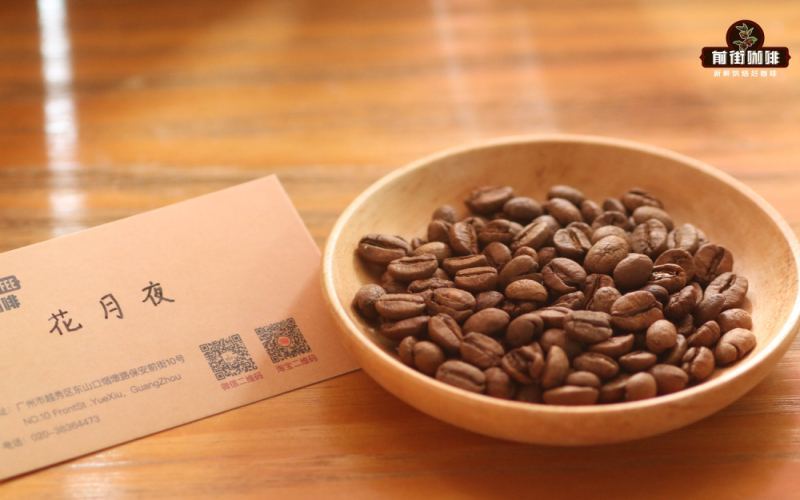
Is Colombia Flower Moon Night a flavored bean? Analyzing the taste and characteristics of the strawberry jam-flavored anaerobic natural coffee
Colombian Flower Moonlight coffee beans have attracted much attention because they release an intense strawberry jam aroma as soon as the bag is opened. Many coffee lovers wonder: is such a vivid fruity fragrance the result of natural fermentation, or has flavoring been added? Starting from Front Street Coffee's cupping and brewing experience, this article sorts out this bean's producing region background, estate information, variety characteristics, and anaerobic natural processing method, and also includes Front Street's roasting curve, cupping flavors, and pour-over parameters to help you fully understand where Flower Moonlight's strawberry profile comes from and why it has become one of Front Street's most popular coffees among female customers. [more…]
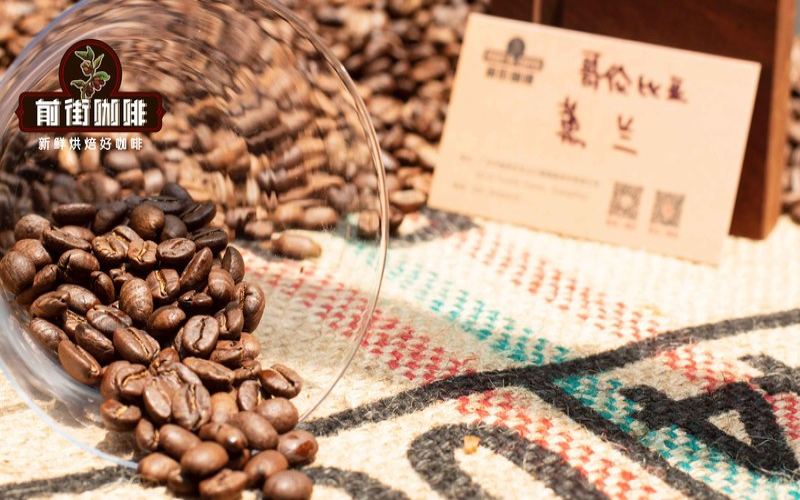
Berry-scented coffee beans, choose your roast level like this
If you want coffee beans with a pronounced berry flavor, start by looking at the roast level, then compare origin and processing method. Light roasts are more likely to retain bright aromas like strawberry, blueberry, and red berry, with a sweetness reminiscent of fresh fruit flesh; medium roasts rein in the acidity and develop notes of fruit jam, smoked plum, or brown sugar; medium-dark roasts let the berry notes blend with cocoa and cara- [more…]

Luckin Orange C Americano Suddenly Discontinued, Stores Thaw and Destroy Orange Sauce Overnight — What's the Reason?
Luckin's Orange C Americano has always been a favorite among many coffee lovers, winning a large number of loyal fans with its refreshing, sweet taste. However, recently this popular drink has received negative reviews from consumers due to the orange sauce becoming thicker in texture and the taste being too sweet and cloying. Luckin responded quickly, requiring stores to thaw overnight and destroy the problematic batches of orange sauce, while urgently removing the Orange C Americano from the ordering platform. This move sparked heated discussion among netizens: some worry that this drink will disappear for good like previously discontinued flavored coffees, while others feel it is a pity to destroy so many raw materials. Luckin employees revealed that the orange sauce will be replaced, and in the short term most stores may not be able to sell the Orange C Americano. Whether this adjustment can bring the "white moonlight" back to its original taste remains to be seen by consumers. [more…]
How to Choose Coffee Beans with Tropical Fruit Flavors: From Light Roast to Medium-Dark Roast
Tropical fruit flavors are commonly associated with notes like mango, passion fruit, pineapple, guava, and ripe berries. They smell bright and lively, and on the palate they easily bring out a juicy, sweet-tart quality. However, even when a coffee is described as fruity, different roast levels can make what’s in the cup shift from crisp fresh fruit to soft fruit jam. If you want to taste a particular kind of fruitiness, you can start with [more…]
How to Choose Berry-Flavored Coffee Beans: Drinking Differences from Light to Medium-Dark Roasts
If you want to drink coffee with a clear berry flavor, the roast level is a very useful screening clue. Light roasts are more likely to retain the bright notes of fresh strawberries, raspberries, and red currants; medium roasts push the fruitiness toward jam, smoked plum, or ripe berries; and darker roasts often present a combination of dried berries, cocoa, and caramel. First, decide what you want. [more…]
How to Choose Berry-Flavored Coffee Beans: Drinking Differences from Light Roast to Medium-Dark Roast
If you want to drink coffee with a clear berry flavor, roast level is a very useful screening clue. Light roasts more easily preserve the bright aromas of fresh strawberries, raspberries, and red currants; medium roasts push the fruitiness toward jam, smoked plum, or ripe berries; and darker roasts often present a combination of dried berries, cocoa, and caramel. First determine what you want. [more…]
How to Choose a Pour-Over with Floral and Fruity Notes: A Flavor Guide from Light to Medium Roast
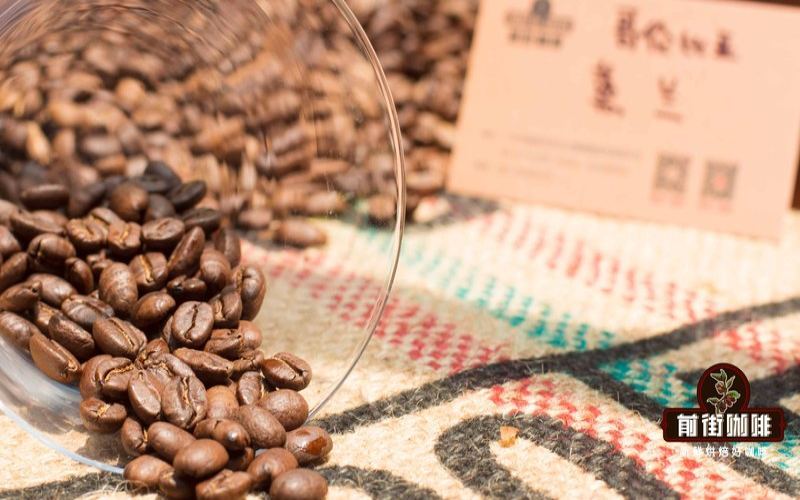
If you want to taste floral, citrus, berry, or tropical fruit notes in your pour-over, roast level is a very useful clue to follow. Light roasts more easily preserve the bright aromas brought by origin and processing method, medium-light roasts add sweetness and roundness, and medium roasts soften the floral and fruity character, making each sip more stable. Based on the acidity you like [more…]
Colombia Huila Region Flower Moon Night Coffee Beans: A Complete Analysis of Anaerobic Natural Processing, Roasting Curve, and Pour-Over Parameters
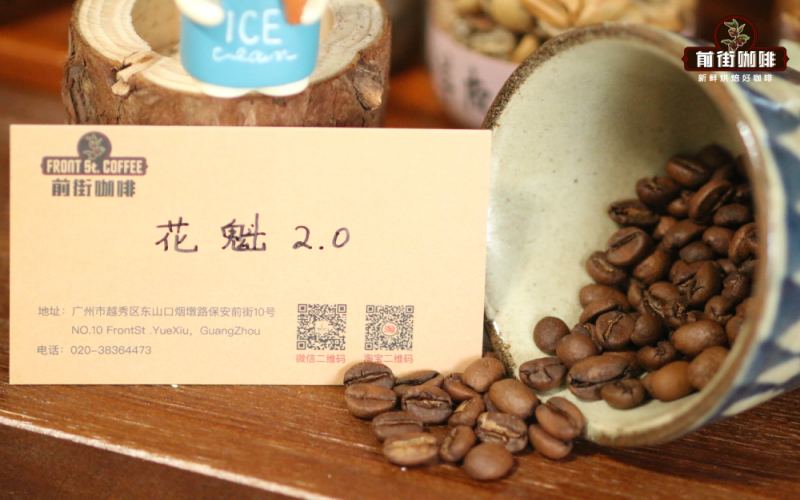
The Huila Department of Colombia is renowned for its refined acidity and berry-like sweetness, while the Huayueye microlot bean further presents a complex profile of strawberry jam, liqueur-filled chocolate, and creamy fermentation through its anaerobic natural process. In this article, Front Street Coffee begins with Colombian coffee culture, reviewing the terroir of the Huila growing region, the characteristics of the Caturra variety, and the low-temperature slow fermentation processing at the Gading Farm, and also discloses the roasting curve of the Yangjia Pegasus 800N, the cupping results, and the V60 staged brewing parameters, providing coffee enthusiasts with a complete reference for tasting and hands-on practice. [more…]

Seven-Point-Sweet Mango Pomelo Sago Specialty Store Debuts in Shanghai: Can Three Items Alone Continue the Hit-Making Legend?
Mango Pomelo Sago evolved from a Cantonese sweet soup into a cup drink, and with this single item, 7FenTian opened more than 1,500 stores nationwide. On September 30, the brand launched its first Mango Pomelo Sago specialty store in Longemont, Changning, Shanghai, selling only three products priced at 15-20 yuan. In the first week after opening, sales exceeded 10,000 cups and daily revenue surpassed 25,000 yuan. The store features a minimalist wood-toned style and emphasizes fresh handcrafting. However, consumer reviews were mixed: some praised it as the best Mango Pomelo Sago, while others criticized it for too much sago, a strong jam flavor, and insufficient complexity. Whether the specialty store model can sustain the hit product's vitality is worth watching. [more…]
Ethiopia Sidamo Huakui 3.0 Lot Analysis: A Full Overview of Flavor Characteristics and Natural Processing
The Huakui series has always been a highly anticipated Ethiopian natural bean in the specialty coffee world. From 2.0 to 3.0, what changes have batch iterations brought? This article will provide a comprehensive interpretation of the origin story and flavor performance of Huakui 3.0 from perspectives including producing region background, processing station information, green bean analysis, and processing techniques. Front Street Coffee, through actual cupping and brewing tests, recorded the flavor evolution of this bean from high temperature to low temperature—strawberry jam, tropical fruits, and intense floral aromas interwoven, lively acidity, and a lasting aftertaste. Whether you are a beginner just getting to know Huakui or a veteran who continuously tracks batch differences, you can obtain complete origin and tasting references from this. [more…]
How to Make a Delicious Wampee Iced Americano? Three Special Recipes: Sparkling, Jasmine Tea, and Preserved Plum Iced Shake Detailed Tutorials
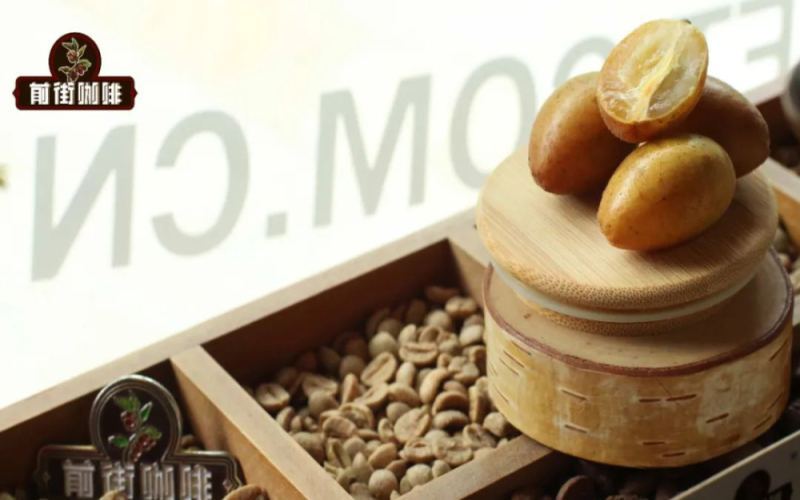
In the height of summer, wampee, a niche southern fruit, has become a popular partner for homemade iced coffee thanks to its sweet-and-sour juiciness and uniquely fresh aroma. Through repeated testing, Front Street Coffee has put together three distinctly different wampee iced americano recipes: the original wampee sparkling americano uses sparkling water to amplify the fruit aroma and add a more refreshing layer; the jasmine tea wampee americano blends homemade jam with a cold-brewed tea base for a soft fragrance; and the wampee preserved plum iced shaker americano targets those who dislike sweetness, using preserved plum water and a shaker to create a sugar-free version. All three recipes use Front Street Sunflower Warm Sun espresso blend, extracting 40g of coffee liquid from 20g of grounds in 31 seconds. Below, we break down the ingredients, steps, and production details one by one to help you find the cup that best suits your taste. [more…]
Beans with Tropical Fruit Flavors: The Sweet Aroma Code of Sun-Dried Fermentation
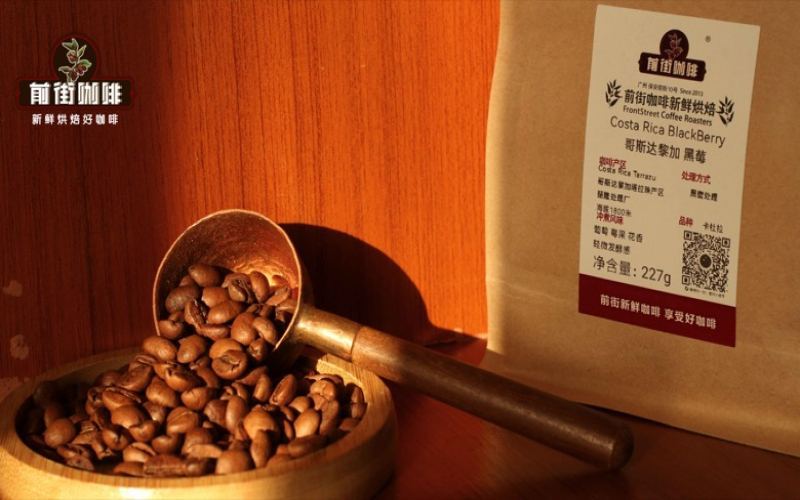
For coffee beans with tropical fruit flavors, the core of the flavor lies in the fermentation: the fermentation in natural processing transforms sugars into the sweet aromas of tropical fruit. Front Street Coffee's Kafa Forest has orange and apricot notes with an oolong tea-like finish, where the tropical sweetness carries a layer of tea-like freshness; Granja Estate's Geisha natural version, meanwhile, is a rich expression of guava and strawberry jam, [more…]
Flavor analysis of Huila, Colombia Huayueye coffee beans: Exploring anaerobic natural processing and strawberry notes
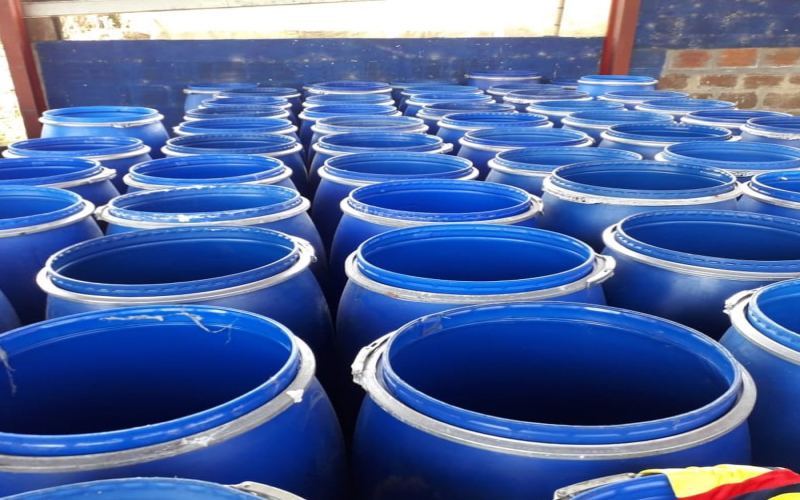
The Colombian coffee industry is currently facing the challenge of a shortage of picking labor due to the pandemic, while the Huila region continues to attract attention for its balanced flavor and rich fruity notes. The Flower Moon coffee beans from the Acevedo Gading farm that Front Street Coffee has acquired use the anaerobic natural processing method and are based on the Caturra variety, displaying complex flavors such as strawberry jam, cranberry, and liqueur-filled chocolate. This article will guide you through the latest developments in the Colombian production region, provide an in-depth analysis of the characteristics of the Huila region, the processing method and cupping performance of the Flower Moon coffee beans, and share Front Street Coffee's roasting and brewing insights. [more…]
Flavor Analysis of Colombia Finca El Paraiso Sakura Coffee Beans and V60 Brewing Parameter Guide
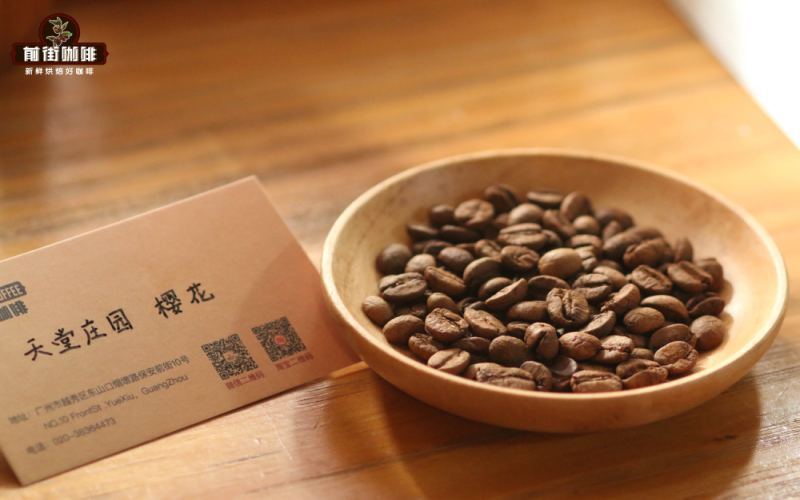
The Sakura coffee beans from Finca El Paraiso that I got from Front Street Coffee—though named Sakura—display a rich aroma in cupping that interweaves basil, rosemary, chamomile, and strawberry jam, leading many tasters to joke that it resembles a pot of herbal tea. This article will guide you through the origin background of these beans—the Cauca region of Colombia and Finca El Paraiso—introduce the characteristics of the Castillo variety and the double anaerobic washed processing method, and reveal Front Street Coffee's roasting curve, cupping report, and V60 three-stage brewing method to help you fully recreate the optimal flavor expression of this coffee. [more…]
Choosing Fruity Coffee Beans by Roast Level: How to Choose Between Light, Medium, and Dark Roasts
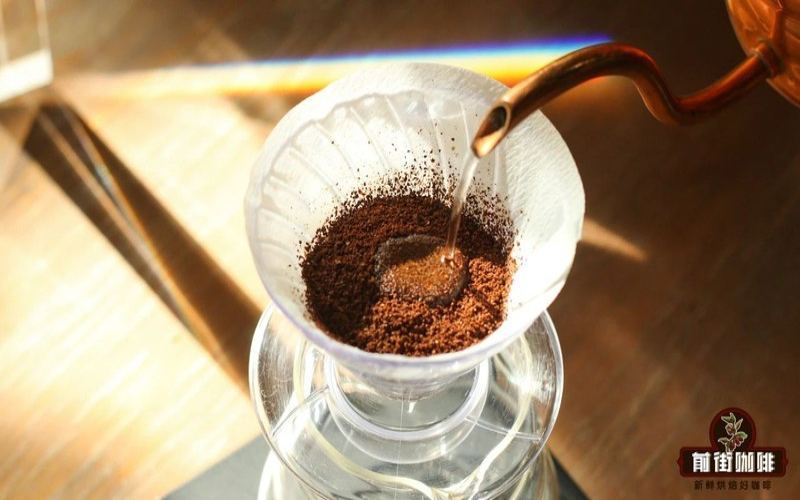
Fruity coffee beans are not just "sour like fruit"—they can also present floral notes, a jam-like quality, a juicy fullness, or a delicate sweetness close to black tea. The roast level determines where these aromas sit in the cup: roasted light, the fruit notes come forward; roasted dark, the fruity character melds into caramel, cocoa, and roasted notes, and the mouthfeel becomes more [more…]
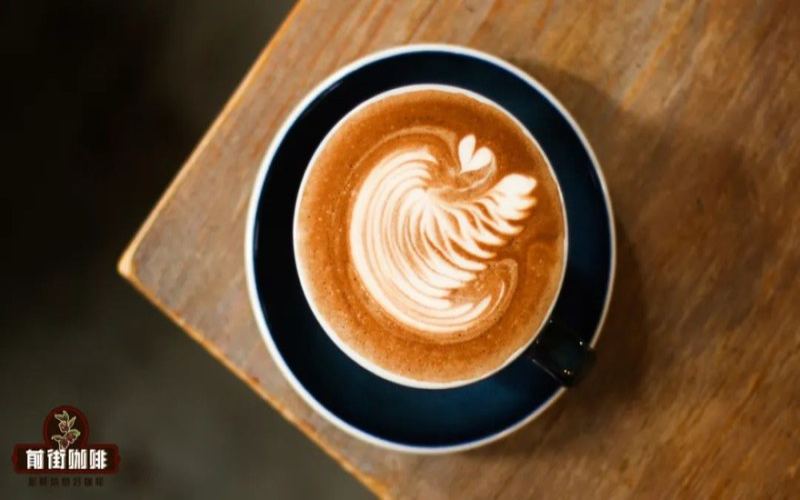
Floral and fruity pour-over beans: how to choose your roast level
If you want to taste floral aromas and bright fruit flavors in pour-over, roast level is the first thing worth checking. It affects how well the beans retain their aromas, their acidity and sweetness, and their mouthfeel, and it also determines how much extraction force is needed during brewing. If you enjoy a bright, light cup with jumping layers of flavor, look to light roasts; if you prefer a sweet, smooth, well-rounded [more…]
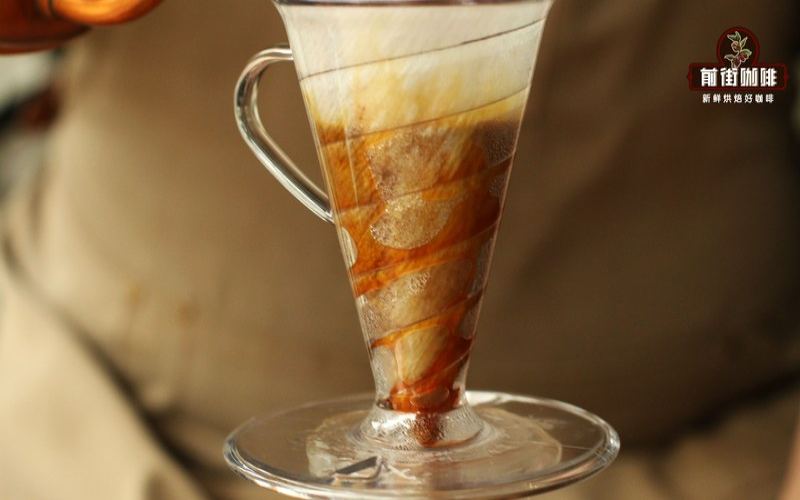
Roasting temperature differences for fruity coffee beans: how to choose by flavor
Fruity coffee beans don't express themselves in just one way. Even with the same fruit associations, a light roast may taste like freshly squeezed juice, with bright acidity and lifted aromatics; a medium roast tames the fruit acidity into a softer sweetness; and a medium-dark roast tucks the fruitiness into notes of caramel, cocoa, and ripe fruit. Choosing by roast level is more [more…]
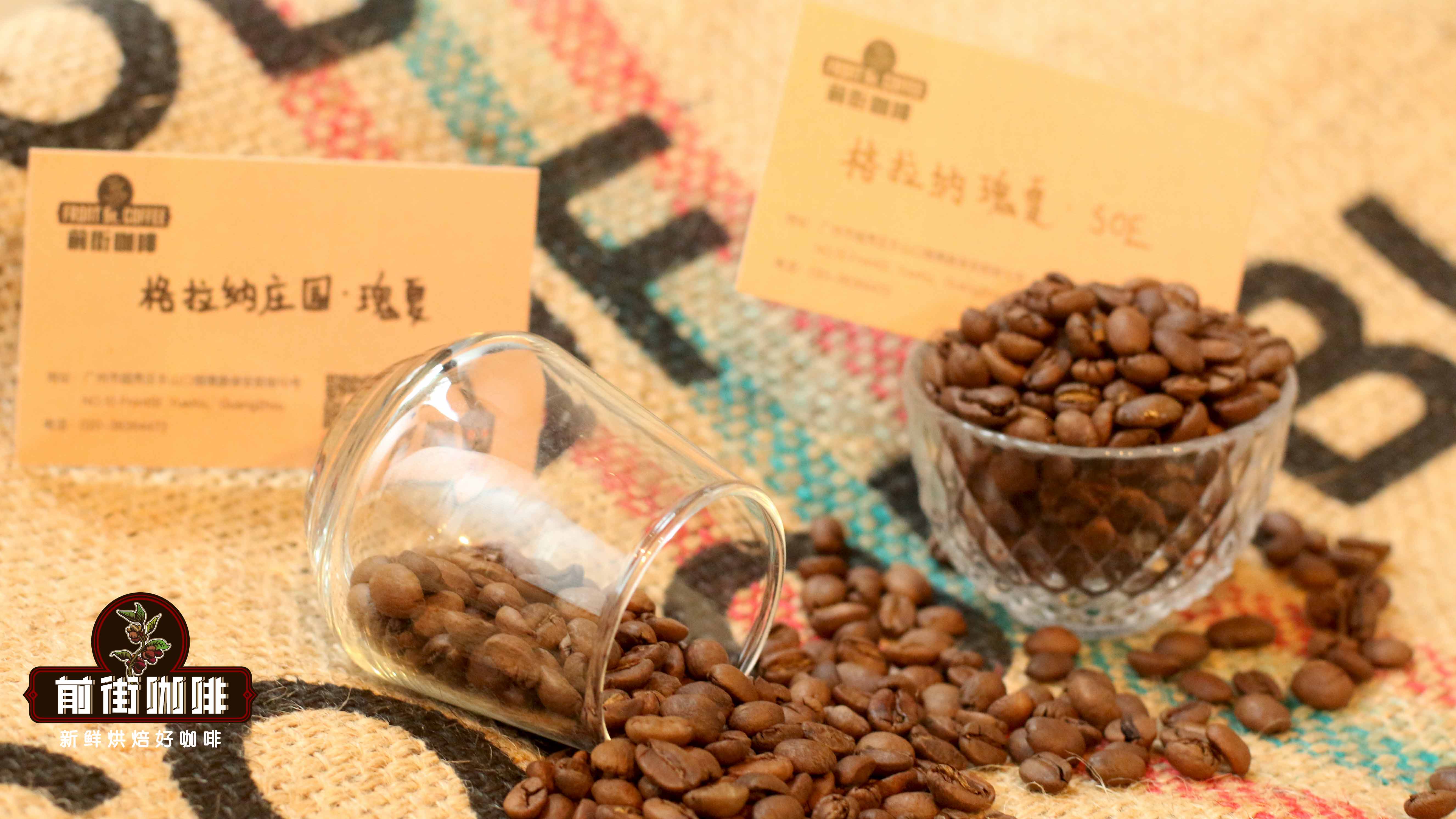
A Detailed Guide to the Pour-Over Techniques and Parameters for Ethiopian Grana Estate Natural Heirloom Geisha
The Grana Estate heirloom Geisha natural coffee from the Guji region of Ethiopia showcases rich, layered flavors of strawberry jam, pineapple, and apricot, thanks to the fertile soil of the primeval rainforest and the raised-bed natural drying process. This medium-light roasted Geisha alternates between bright acidity and sweetness, with a brown sugar-like finish that is highly approachable. Want to recreate its elegance with a pour-over at home? This article shares Front Street Coffee's recommended brewing parameters—from grind size and coffee-to-water ratio to water temperature control—to help you easily brew this cup of fruit-forward goodness. [more…]

Colombia Rose Summer Nights Coffee Beans Review: Flavor Performance and Origin Analysis Brought by Anaerobic Natural Processing
Colombia, as the world's third-largest coffee-producing country, has always attracted much attention for its specialty coffee. This article focuses on a Colombian Huila region Finca Astorga Flor de Noche coffee bean launched by the Front Street Coffee brand, and provides an in-depth analysis of the anaerobic natural processing method it uses—from 15 to 20 days of fermentation with carbon dioxide in sealed tanks, to sun-drying until the moisture content reaches 11%, followed by dehulling and screening in a complete process. This bean uses the Caturra variety, with bright fruity acidity and a light sweetness. It smells of fermented floral aromas, and on the palate it presents a sweet-and-sour experience like strawberry jam. The article will introduce the processing technique, flavor characteristics, and suitable audience in detail, providing a reference for coffee lovers. [more…]