







How Does the Huakui 3.0 Green Coffee Bean Taste?
Ethiopia Sidamo Huakui 3.0 is a natural-process Ethiopian coffee from the Hambela area of Guji, and this lot analysis covers its origin, green bean data, and processing method. Cupping shows strawberry jam, tropical fruit, and pronounced floral notes, with lively acidity and a long finish that shifts as the cup cools.
The Huakui series has tracked batch changes from 2.0 to 3.0. Earlier Huakui 2.0 showed jackfruit, passion fruit, and berry aromas, soft acidity, a medium body, and brown sugar sweetness. Guji was separated from Sidamo in 2002, and collectors such as Buku Able gather cherries from several parts of the farm.
The Huakui series has always been a highly anticipated Ethiopian natural bean in the specialty coffee circle. From 2.0 to 3.0, what changes have batch iterations brought? This article will comprehensively interpret the origin story and flavor performance of Huakui 3.0 from perspectives such as producing region background, processing plant information, green bean analysis, and processing techniques. Front Street Coffee, through actual cupping and brewing tests, recorded the flavor evolution of this bean from high to low temperatures, where strawberry jam, tropical fruits, and intense floral notes intertwine, with lively acidity and a lasting aftertaste. Whether you are a beginner just getting to know Huakui or a seasoned enthusiast continuously tracking batch differences, you can gain a complete reference on origin and tasting from this.
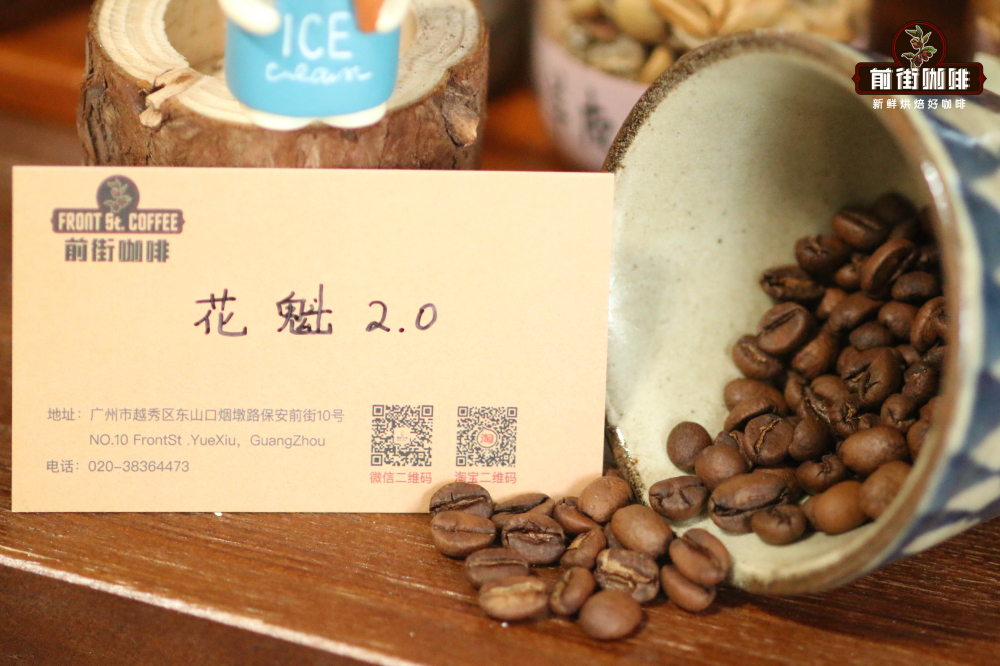
Huakui 2.0 coffee is a bean that Front Street particularly loves, not because it is a champion's green bean, but because we value quality fundamentally due to our dedication to specialty coffee. Regardless of how the champion is evaluated in competitions, Front Street must still test the beans! This bean has a very rich tropical fruit aroma, such as jackfruit, passion fruit, and berries. The acidity is soft and mouthwatering, with a solid yet not full body; the mouthfeel has a moderate thickness, smooth and clean without off-flavors, and the aftertaste feedback is a brown sugar-like sweetness, long and lasting. This is Front Street's impression of Huakui, and what outstanding performance will this batch of Huakui 3.0, which has just arrived, bring?
Producing Region Introduction
Buku Able refers to coffee cherry collection stations located in different areas of the farm. Hambela is situated in the border zone between the Sidama and Guji regions in southern Ethiopia. Over the past 20 years, regional boundaries have been redrawn several times, and the names of regions and communities have changed multiple times (complicated further by non-standardized transliterations of local languages). Before 1995, the area where the farm is located was part of the Sidamo region, and in 2002, due to the splitting of neighboring areas, the Guji zone was created. Guji is located in Ethiopia's largest and most populous minority region.
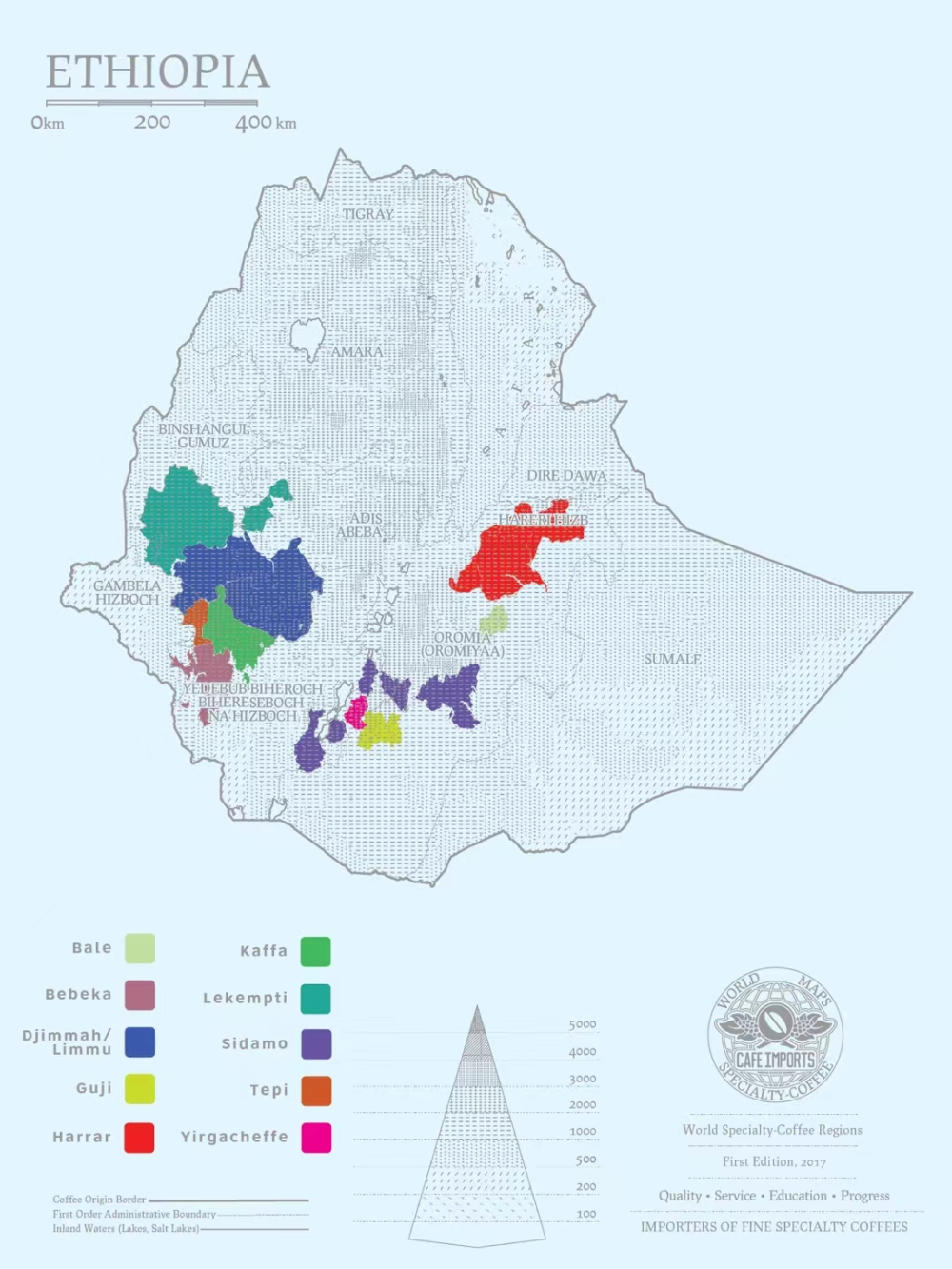
From Buku Able Estate, located in Hambela, Guji, Ethiopia's largest coffee-producing region. Only natural coffee beans produced by Buku Able Estate and its processing plant can be called "Huakui." The coffee trees on this estate are all at higher altitudes, and the picked red cherries have sugar content requirements. Because of its extensive experience in green bean processing, Buku Able Estate, which excels in natural processing, has strict data requirements for every step of the natural method. After the coffee cherries are dried at the Buku processing station, the seeds are separated from the pulp. This natural processing method has been used for thousands of years and is also the spiritual source of this traditional way in Ethiopian producing areas, regarded as a relatively niche method of washing coffee fruit locally. In contrast, a more modern method is to use the "washed" way to process coffee cherries. The natural processing of coffee means that the acidity of the coffee is reduced, and the mouthfeel is smoother.
Front Street Coffee: Ethiopia Sidamo Huakui 3.0 Coffee Beans
Producing Region: Sidamo Guji Hambela Producing Area
Processing Plant: Buku BUKU ABEL
Altitude: 2200-2350m
Variety: Heirloom
Processing Method: Natural
Flavor: Strawberry, black tea, floral, dried mango, lemon
Differences Between Huakui 2.0 and Huakui 3.0
Huakui 2.0, from Shanshui Processing Plant, only starts natural processing after the berry sugar content reaches above 21, so the sweetness is quite high. In addition, low-temperature fermentation for 21 days (usually natural processing takes about ten days) ensures even drying and ventilation, and more accurately controls the fermentation degree. Compared to the local mixed-variety "Huakui" in 2018, "Huakui 3.0" has more consistent bean shape and is processed more cleanly. After cupping evaluation, the 2019 "Huakui 3.0" has a rich and alluring floral aroma, mellow red wine and tropical fruit flavors, and also adds a bit more bright fruity sweetness and acidity.
The entire processing technique is only more refined management under the guidance of scientific measuring instruments, without any "tradition-breaking" improved methods. Natural processing only begins after the red cherry sugar content reaches above 21, so the sweetness is quite high. At night, to prevent sudden rainfall, thick plastic sheets are used for covering. This allows the red cherries to ferment and dehydrate at relatively low temperatures. After 18 days of natural processing, when the moisture content of the green coffee beans drops to around 13%, the natural processing is stopped, and they are packed into burlap sacks, stored at 12-22 degrees Celsius and 40-50% humidity.
Coffee Bean Processing Methods
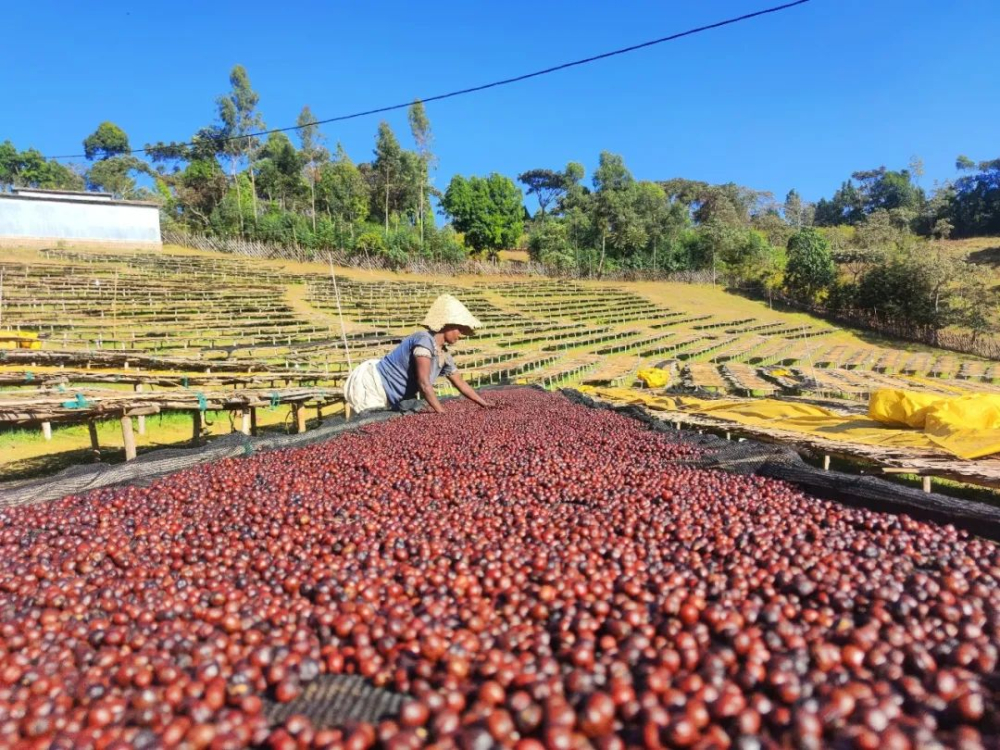
The natural processing method involves scooping out ripe and semi-ripe coffee cherries that sink to the bottom of a water tank and spreading them on a drying yard for sun drying. The drying time depends on the climate, and about 2 to 4 weeks can reduce the moisture content of the coffee cherries to 12% and harden them. Then, the sun-dried coffee cherries are taken to a hulling machine to remove the dried pulp and parchment layer, and the coffee beans are extracted. The common characteristic of naturally processed coffee is higher sweetness, as the coffee beans absorb most of the sugars from the pulp during sun exposure, and the mouthfeel is also relatively mellow, with increased fruit flavors such as ripe strawberry, blueberry, or tropical ripe fruit aromas. However, the natural processing method can also easily damage coffee quality, producing many unpleasant negative flavors such as dirt, fermentation, and wild notes, because the coffee is dried on the ground, fully exposed to the surrounding environment, with many uncertain factors.
Green Bean Analysis
Front Street Coffee will look at the flavor description provided by the green bean supplier, and then check the bean moisture content. The freshly received green beans have a fermented wine aroma of coffee flowers, completely different from the grassy scent of ordinary green beans; moreover, Huakui green beans vary in size, with many pointed at both ends (Ethiopia Heirloom), and the moisture content is good, around 11%, but they are not the type of SHB beans with very high hardness. Due to the high density and hardness of the beans, Front Street Coffee will extend the dehydration time in the early stage, and enter first crack after the temperature rise before first crack, trying to preserve the loss of small-molecule aromatic substances such as floral notes.
Front Street Coffee Roasting Suggestions
Cupping Flavor
Front Street Coffee Brewing Suggestions Brewing Equipment: HARIO V60 Parameters: 15g coffee / 1:15 / 90℃ / Grind Size: Medium-coarse grind (57% passing through China standard No. 20 sieve)
Method: Bloom with 30g water for 30 seconds, then pour directly in the center to 125g and split into stages. After the coffee bed is visible, pour water to 225g. Once the coffee bed is visible again, remove the filter cup. Total extraction time: 2'00''.
Flavor: From high to low temperatures, one can clearly perceive strawberry jam, tropical fruit flavors such as jackfruit and passion fruit, intense floral notes, strawberry jam, lively and bright acidity, an explosion of floral notes upon entry, a round mouthfeel, strong flavor layering, and a long, lasting aftertaste.
The above content is compiled by CoffeeHunters, a coffee news website.


