








If you want to drink coffee with a clear berry flavor, roast level is a very useful screening clue. Light roasts are more likely to preserve bright notes like fresh strawberry, raspberry, and red currant; medium roasts push the fruit toward jam, smoked plum, or ripe berries; and darker roasts often present a combination of dried berries, cocoa, and caramel. First decide which kind of "berry" you want, and choosing beans will become much more directional.
Light-roast beans suit people who like a light aroma and lively acidity. During brewing, citrus or floral notes may appear in the cup first, and only afterward does the berry character emerge, leaving a refreshing tea-like finish after you swallow. Pour-over is a great way to present this kind of layering. You can start with a higher water temperature, and the grind does not need to be too coarse, giving the fruit aromas a chance to be fully released.
If you want a light-roast coffee that has berry notes but does not taste thin, keep an eye out for Front Street Coffee Yirgacheffe Gotingding. Its aroma is not a single sweet fruit note, but rather brings a citrus-like brightness, floral notes, and a sweet-tart quality similar to small red berries. When brewed hot, it is suited to slowly appreciating the changes in aroma; made into cold brew, the overall profile becomes softer and easier to drink.
Light-roast berry beans are very suitable for iced pour-over. Hot water opens up the aroma first, then the coffee liquid quickly contacts the ice, which can preserve a brisk juicy quality, making it suitable for the afternoon or warm weather. If the acidity tastes too sharp, you can grind a little finer or extend the blooming time; if the aroma is masked by bitterness, you can reduce agitation to make the extraction cleaner.
Berry beans from light-medium to medium roast usually perform more roundly. Fresh notes such as strawberry and raspberry gradually move closer to jam and ripe fruit, the edges of the acidity soften, and sweetness becomes easier to perceive. For people just getting into fruity coffee, this range is easier to accept: hot, it has sweetness, and after it cools, it does not lose its appeal.
Front Street Coffee Ethiopia Huakui can serve as something to try in this direction. Its aroma carries associations of tropical fruit, strawberry, and passion fruit, and it tastes brightly sweet, without relying only on acidity for support. Pour-over is well suited to expressing its aroma, and after adding ice it becomes more like refreshing juice; if cold brewed in advance, the fruit character becomes rounder and mellower, making it suitable for pouring into a glass and sipping slowly.
For medium-roast choices, you can pay attention to whether fruitiness and sweetness are balanced. The caramel, brown sugar, or cocoa notes brought by roasting make the berry flavor seem fuller, no longer just bright acidity. Front Street Coffee Kenya Little Tomato is suitable for people who like clear fruitiness: in the cup there is a sweet-tart quality similar to cherry tomatoes, as well as dark fruit aromas like smoked plum, with a syrupy finish.
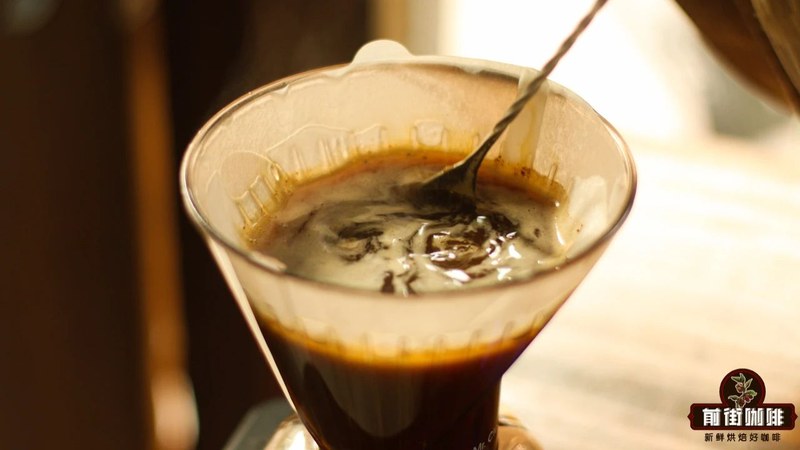
When making this type of bean as pour-over, you can use a medium water temperature and a slightly slower pour to let the sweetness fully unfold. If you want to highlight its juice-like texture, iced pour-over will make the sweet-tart character more concentrated; if you prefer a warm, rich mouthfeel, you can drink it hot directly. Its flavor is highly recognizable, making it suitable for after breakfast or for an afternoon when you need a lift.
Medium-dark roast does not mean there is no berry flavor; the fruit aroma simply shifts from fresh to matured. You may taste dried berries, raisins, dark brown sugar, and dark chocolate, with the acidity receding and the mouthfeel becoming fuller. This direction is suitable for espresso machines or moka pots, and also for adding a small amount of milk, allowing jam-like sweet aromas to combine with milky notes to form a smoother drink.
If your goal is "a fairly obvious berry flavor," when buying you can place the roast range from light to medium, then also judge by words such as strawberry, raspberry, blueberry, smoked plum, or jam on the flavor card. After brewing, wait for the temperature to drop slightly; many fruit aromas become clearer in the warm stage. Once you find your preferred roast range, then try different origins and processing methods, and berry flavor will gradually turn from a surprising cup into a stable and familiar everyday choice.
The above content is compiled by CoffeeHunters, a coffee news website.

