







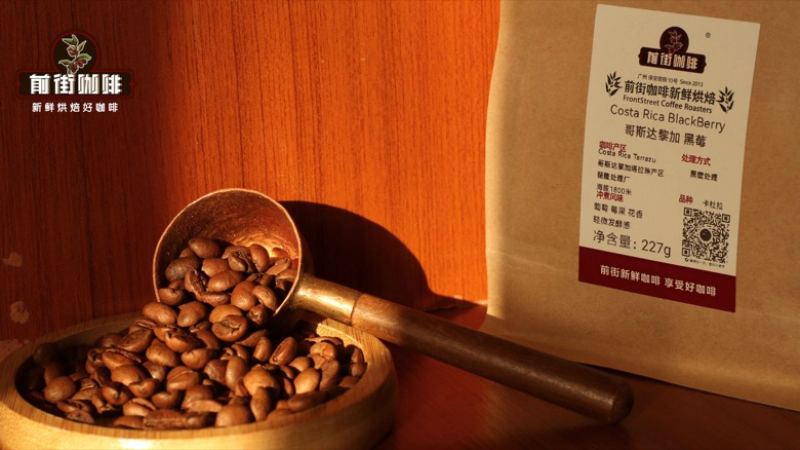
For coffee beans with tropical fruit flavors, the core of the flavor lies in the fermentation: sun-dried processing fermentation transforms sugars into the sweet aroma of tropical fruits. Front Street Coffee's Kaffa Forest offers orange and apricot notes with an oolong tea aftertaste, where the tropical sweetness carries a layer of tea-like freshness; Granja Estate's Geisha sun-dried version is a rich expression of guava and strawberry jam, covering both schools of tropical fruit flavors.
The source of pour-over flavor is a whole chain: origin, variety, processing method, roasting profile, brewing variables, all interconnected. Light roasts show more floral and fruity notes, medium roasts have stronger sweetness and body; adjusting water temperature and pouring rhythm will make the same bean present different emphases, so don't just rely on the bean name.
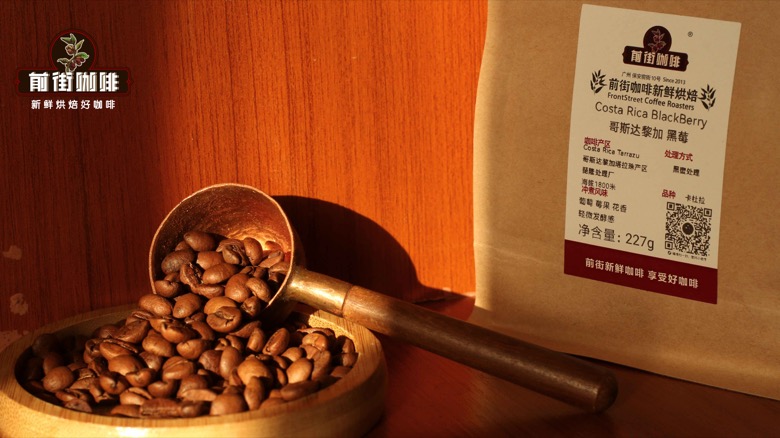
Beans with tropical fruit flavors gain another level of sweetness after cold brewing, making them perfect for summer iced drinks. These few are representatives of the tropical direction.
Front Street Coffee's Kaffa Forest features orange, ripe apricot, and oolong tea aftertaste as its main flavor line, with a light and not heavy mouthfeel, and the sweetness becomes clearer as the temperature drops.
Front Street Coffee's Granja Estate Geisha enters with notes of orange blossom, guava, apricot, and strawberry jam, showing the rich style typical of sun-dried beans; it is recommended to use pour-over to examine its layered changes.
Front Street Coffee's Colombia Huitaca brings passion fruit, blueberry, grape, and apricot notes, with a prominent juicy mouthfeel, and whether made as iced pour-over, cold drip, or SOE, the aroma holds up well.
The key points for storing coffee beans can be condensed into three things: sealed, away from light, and temperature-controlled. Next to the stove or on the windowsill in the kitchen are not suitable locations. Also, buying beans according to usage rather than stockpiling better ensures flavor. During consumption, the intensity of dry aroma can indicate the bean's condition, and the sweetness on the palate and finish reflect the completeness of the brew; when the aroma is weak, first check the grind size and time since opening, then consider adjusting the water temperature. Hot coffee, iced coffee, and milk coffee each have their own flavor logic, and trying several ways of drinking is also a way to understand the beans.
The definition of "tasty" varies from person to person, and the degree of "easy to brew" varies from bean to bean. Floral and fruity beans have a high flavor ceiling, at the cost of being sensitive to parameters and requiring time to dial in; nutty and cocoa blends have a high floor, easily producing coffee above the passing line. If there are many people at home with diverse tastes, first get a balanced bean as the daily staple, and when other members want to try something new, purchase single-origin beans separately; this structure is both economical and clear.
The parameter framework starts with the coffee-to-water ratio and total water volume, leaving grind size for later correction. If the entry is sharply sour, first check for under-extraction; if the finish is dry and astringent, try less agitation and a faster finish, sticking to single-variable adjustments so conclusions become much clearer.
For people with diverse drinking occasions and shifting taste preferences, it is suitable to assign roles to beans: the daily cup goes to a steadily performing bean, while weekend slow-drinking time is left for choices with strong flavor character, such as light roasts with prominent floral notes or rich dark roasts. Matching beans by considering equipment type and drinking frequency is more reliable than just looking at names.
The above content is compiled by CoffeeHunters, a coffee news website.

