







Search Results for: from inside out
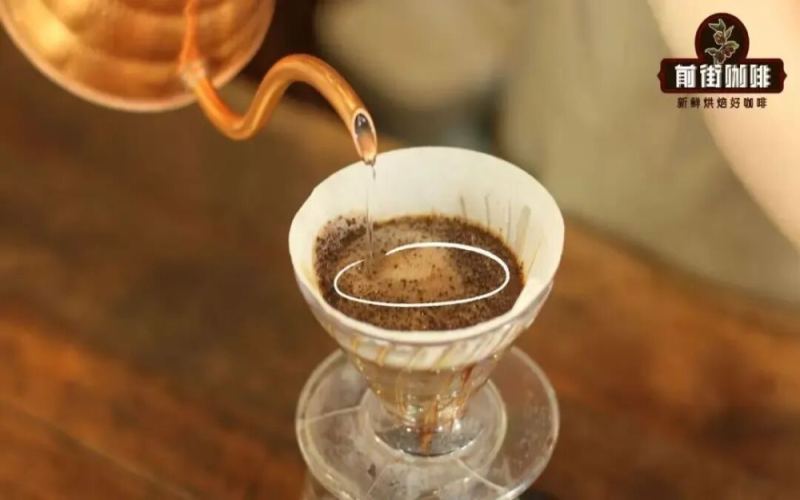
Should You Pour in Circles from the Inside Out or the Outside In for Pour-Over Coffee? A Practical Analysis of Flavor and Strength Differences
When pour-over brewing, should the circular pouring direction be from the inside out or from the outside in? This seemingly trivial question is actually directly related to the disturbance of the coffee bed, the evenness of extraction, and the final flavor performance in the cup. Front Street Coffee once encountered a customer raising this question, and for this reason specially conducted a set of comparative experiments: under the premise that all other parameters were completely identical, only the circular pouring direction was changed, using Front Street Kafa Forest coffee beans for separate brews, and with the help of a refractometer and tasting comparison, observed the differences brought by the two techniques. This article will fully present the experimental process and results, analyze which circular pouring path under a conical dripper can better bring a rich and full-bodied mouthfeel, and provide practical suggestions for daily brewing. [more…]

How should coffee beans be stored properly after buying them? Master the four principles—avoiding moisture, oxygen, light, and heat—to keep their fresh flavor.
Many people mistakenly believe that freshly ground coffee equals fresh coffee, but that is not the case. To truly savor the aroma of coffee, besides grinding fresh, the roast date of the coffee beans is equally crucial. Front Street Coffee, whether in-store or through its online Taobao shop, offers freshly roasted coffee beans. Beans roasted more than 50 days ago basically have little aroma left, but in the first two days after roasting, the aroma has not yet stabilized and the regional flavors cannot be tasted, so Front Street reminds customers to generally rest the beans for three to four days before brewing. So how should coffee beans be stored to maintain freshness after opening? Front Street has summarized the four things coffee beans fear most — moisture, oxygen, light, and heat — and shared the pros and cons of storage methods such as one-way degassing valve bags, sealed canisters, and vacuum canisters, to help everyone extend the flavor life of coffee beans as much as possible in daily life. [more…]
From Homogenization to Second Crack: How Each Stage of Coffee Roasting Shapes Aroma and Flavor
Coffee roasting is not just about applying heat—from the moisture changes inside the green beans to the expansion and rupturing of cellular structures, every stage quietly determines the final flavor in the cup. This article takes the perspective of a commercial roaster to systematically sort through key phases such as homogenization, first crack, the resting period, and second crack. It explains the principles behind the aroma that fills the air during coffee roasting and clarifies the taste differences corresponding to various roast levels, helping coffee enthusiasts gain a deeper understanding of how roasting influences flavor direction. [more…]
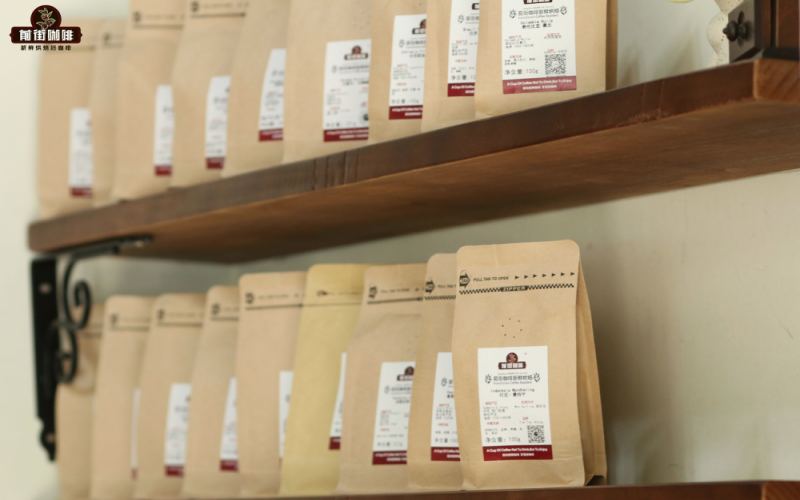
A Complete Guide to Coffee Bean Resting: Degassing Principles, Timing, and Brewing Tips for Beginners
Have you just gotten your hands on some coffee beans and found yourself wondering: why can't I brew them right away? The truth is, freshly roasted coffee beans hold a large amount of carbon dioxide inside them, and they need a period of "resting" to let the gas release slowly so the flavor can reach its peak. Drawing on the hands-on experience of Front Street Coffee, this article explains in detail the science behind resting beans, the time required for different roast levels, emergency brewing techniques for beans that haven't rested properly, and the correct way to store them. Whether you're a beginner just getting into specialty coffee or an enthusiast looking to refine your brewing details, you'll find practical answers here to bring every cup closer to your ideal flavor. [more…]

Espresso Machine Cleaning Guide | How Often Should an Espresso Machine Usually Be Cleaned? What Are the Steps to Clean a Semi-Automatic Espresso Machine at Home?
I believe baristas must have encountered this problem: in the morning, the espresso extraction parameters are dialed in, but by noon, the parameters are no longer accurate, and the coffee flow rate has noticeably slowed down. Front Street has previously offered explanations for two scenarios regarding this issue. The first is when it rains and the humidity in the air is relatively high, inside the bean hopper. [more…]
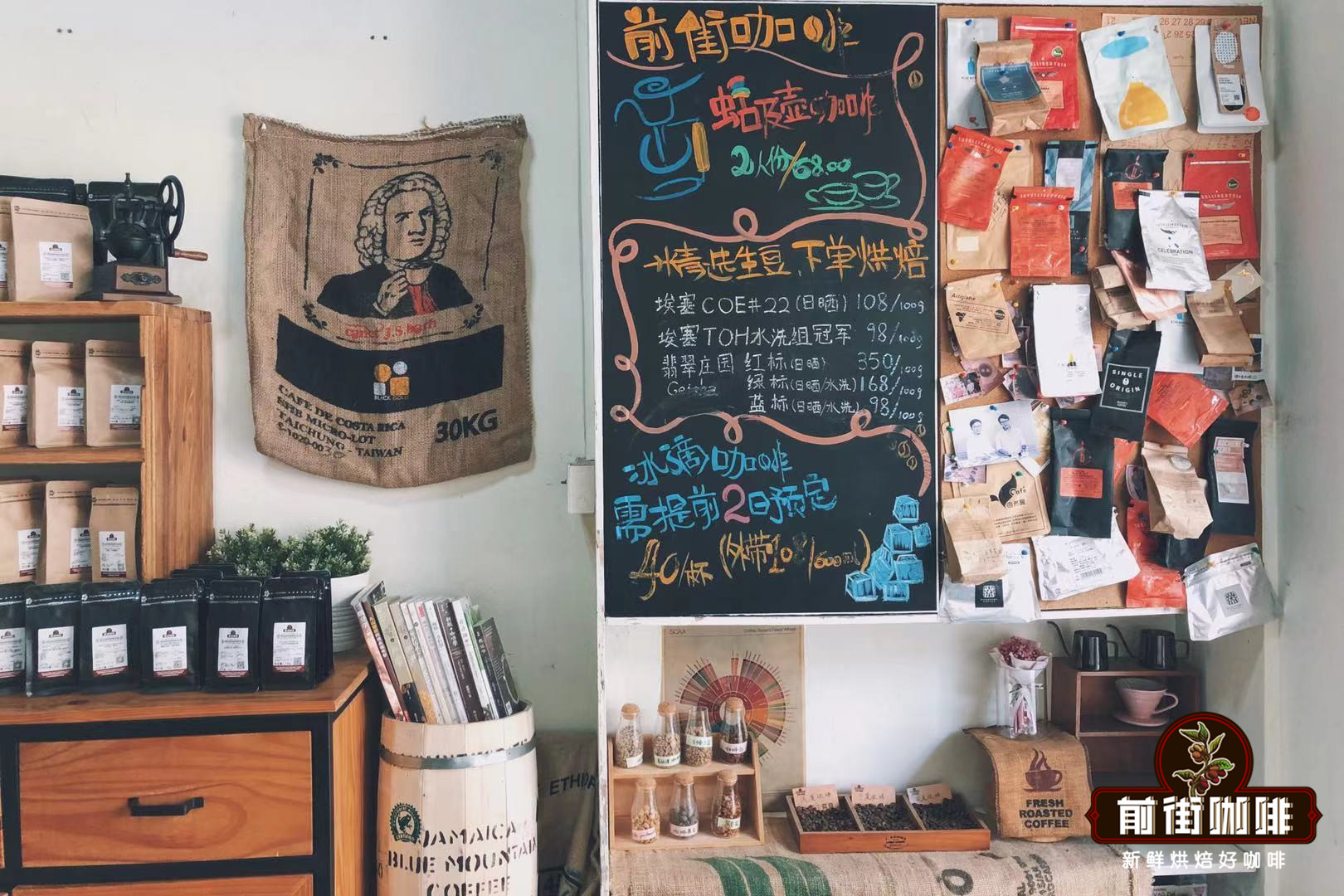
Coffee Bean Storage Methods | How to Store Roasted Coffee Beans? How Long Is the Shelf Life and Peak Flavor Period of Coffee Beans? What Factors Affect Coffee Bean Freshness?
Many people think that freshly ground coffee means fresh coffee, but that's not actually the case. In fact, to truly enjoy the aroma of coffee, it's not just about grinding fresh—there are also certain requirements for the roasting time of the coffee beans. Front Street Coffee, whether in-store or on its online Taobao shop, provides freshly roasted coffee beans, unless the customer specifically requests grinding. [more…]
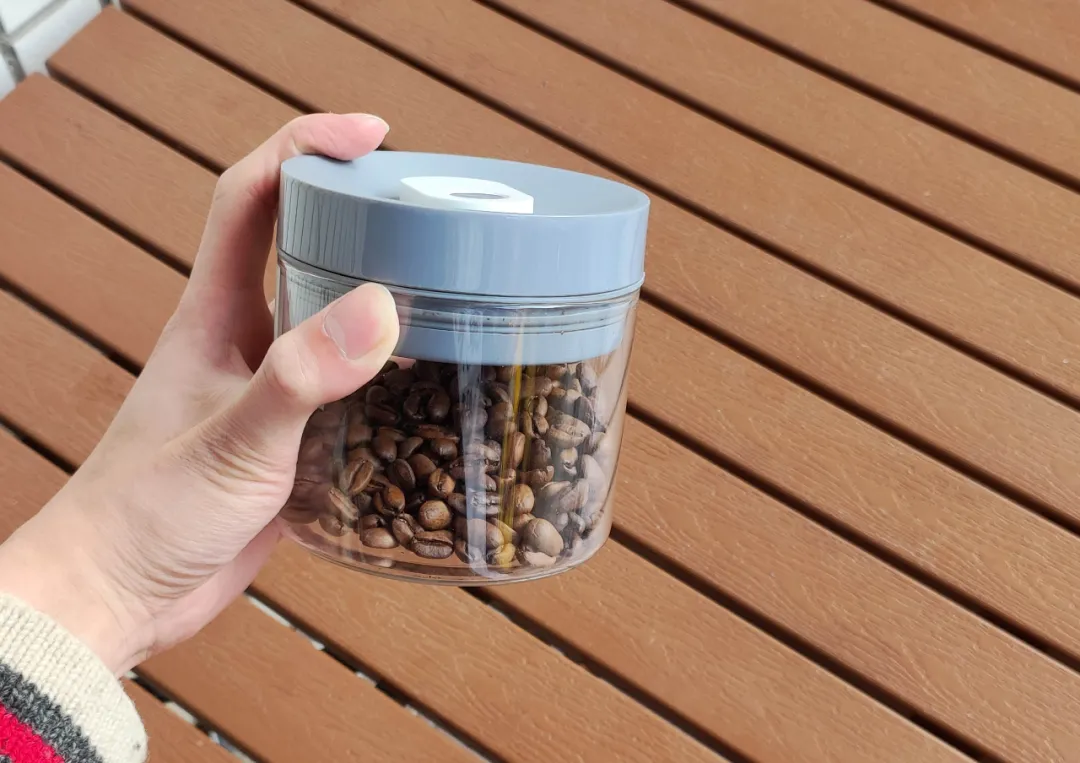
Coffee Grounds Shelf Life | How Long Do Fresh Coffee Beans Last? Can You Still Drink Coffee Beans Past Their Peak Flavor Period? How to Properly Store Coffee Beans?
For more specialty coffee knowledge, please follow: Front Street Coffee (Frontsteet Coffee). Front Street recently noticed that a small number of coffee-loving friends have left their coffee beans unopened for two months, believing that as long as the package is unopened, the coffee beans will not spoil. In fact, it really does not affect the coffee's [more…]
Coffee Storage | Which is fresher: pre-ground coffee or freshly roasted coffee beans? How long is the shelf life of coffee beans? Can proper coffee bean storage methods extend the freshness of coffee?
Front Street recently noticed that some coffee-loving friends have stored their coffee beans unopened for two months, believing that as long as the bag is unopened, the beans won't go bad. In fact, it's true they won't spoil, but this will affect the flavor of the coffee beans. So in this next article, Front Street will explain a bit about cof [more…]
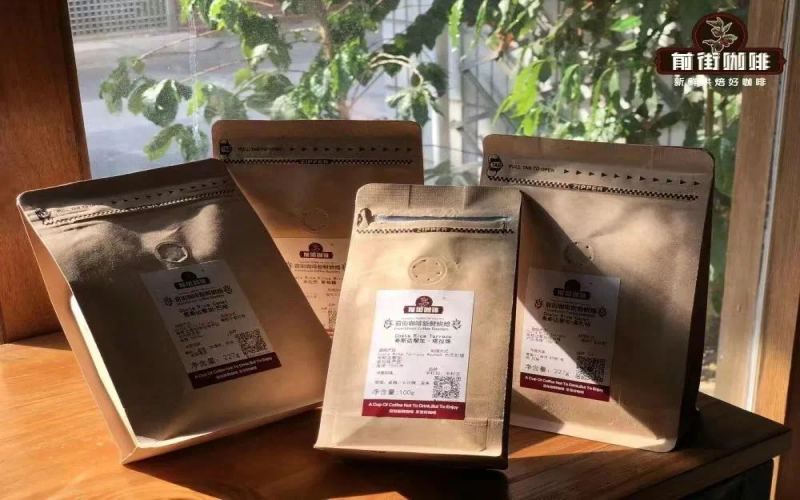
How long is the shelf life of coffee beans? Can they still be consumed after the best flavor period has passed?
Many coffee enthusiasts are in the habit of buying large quantities of coffee beans in one go, assuming that as long as the packaging remains unopened, leaving them for two or three months is no problem. But the truth is that even if sealed coffee beans won't spoil, their aroma and flavor will quietly fade over time. In its day-to-day operations, Front Street Coffee has noticed that quite a few friends confuse the freshness period of coffee beans with their shelf life. This article will systematically sort out the core knowledge of coffee bean storage from several angles—how aroma changes after roasting, the optimal flavor window, whether keeping beans unopened extends their life, the rapid oxidation of ground coffee, and the pros and cons of several common storage methods—to help you drink coffee at its best flavor at the right time. [more…]

Suzhou police跨界 opening a milk tea shop called "Police Tea" sparks heated discussion; public offices innovating outreach to bring police and public closer
Recently, a milk tea shop called "Police Tea" has drawn attention on social media, not because its products are particularly special, but because it is located inside the Suzhou Public Security Bureau and was launched by the police themselves. As soon as the news broke, netizens joked about wanting to "go to the station for tea," and some even jokingly asked whether starting a fight at the police station entrance would get them inside. The shop not only serves milk tea and coffee, but also cookies, desserts, and cultural merchandise, though it is not yet open to the public. Some people are curious about how to buy from it, while others question whether it is compliant for a government agency to run a business. In fact, this shop is essentially an internal canteen, and ordinary citizens can receive items for free on police open days by taking part in anti-fraud, anti-drug, and other activities. A similar approach by Hangzhou police, who partnered with Chagee to give out "police tea" on Police Day, also received considerable praise. This kind of publicity method that keeps pace with the times not only builds a friendly public image, but also makes the spread of legal knowledge more down-to-earth. [more…]
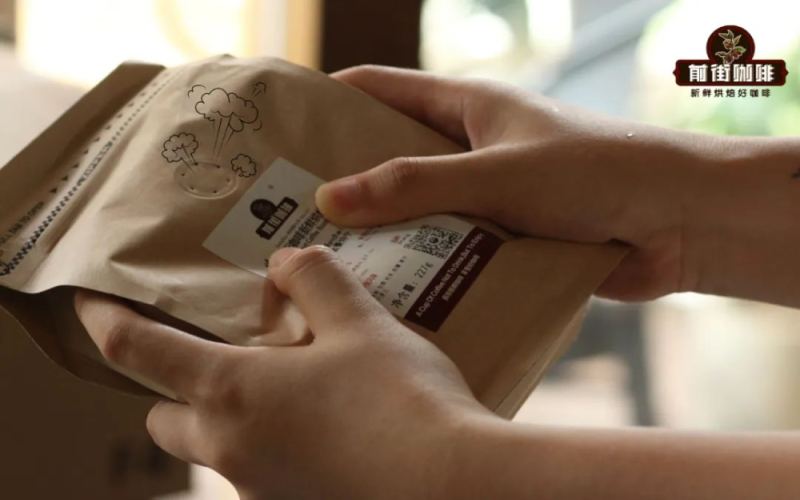
The Real Function of One-Way Degassing Valves on Coffee Bags: Preventing Bag Swelling and Slowing Flavor Loss
Many people think the small hole on a coffee bag is for smelling the aroma, but its official name is a "one-way degassing valve," and its core job is to keep the carbon dioxide released by the coffee beans from bursting the packaging while blocking outside air from getting in. In this article, Front Street will explain how this valve works, why freshly roasted beans have a weak aroma, and why you should not repeatedly squeeze a coffee bag—doing so actually accelerates the loss of flavor compounds and shortens the coffee's peak-flavor window. [more…]
Complete Guide to Espresso Machine Backflushing: Water and Detergent Steps and Recommended Frequency
You dialed in your espresso extraction parameters in the morning, but by noon the flow has slowed and become unstable? Besides changes in humidity and switching beans, coffee residue built up inside the group head is often the culprit. Backflushing is the key method for removing this residue—using a blind basket to force water to flow backward through the lines, then combining it with cleaning powder to deep-clean stubborn coffee grime. This article explains in detail the procedures for water backflushing and cleaning-powder backflushing, the number of repetitions, and the daily maintenance frequency, helping baristas maintain stable extraction and avoid off-flavors getting into the cup. [more…]
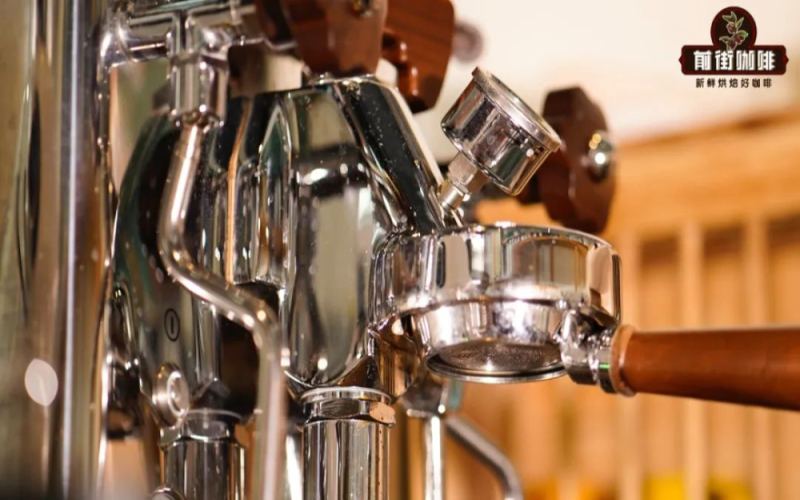
Daily Maintenance Guide for Espresso Machines: How to Properly Clean the Brew Head Shower Screen and Steam Wand
If a coffee machine lacks maintenance for a long time, extraction quality will gradually decline and may even cause malfunctions. This article takes the small espresso machine used in Front Street stores as an example to systematically explain the complete process of daily cleaning and deep maintenance for home coffee machines. The content covers key steps such as simple rinsing of the brew head dispersion screen and blind basket backflushing, wiping the steam wand surface and soaking the tip for descaling, and deodorizing the portafilter spout area. The article explains in detail the amount of special cleaning powder to use, control of backflush time and number of cycles, and precautions to avoid damaging the pressure relief valve. No matter what model is used, this method is basically universal, helping coffee enthusiasts maintain their machines at low cost and reduce the risk of needing repairs. [more…]
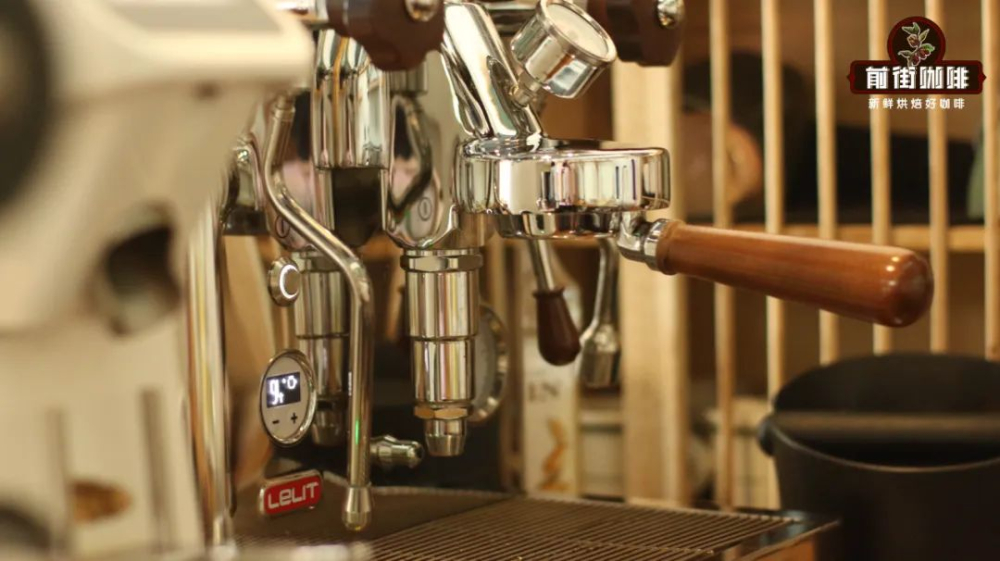
Coffee Machine Maintenance | How Should Coffee Beginners Clean and Maintain a Home Semi-Automatic Espresso Machine? How to Replace the Gasket on an Espresso Machine?
For professional coffee knowledge exchange and more coffee bean information, please follow Coffee Studio (WeChat official account: cafe_style). For more specialty coffee beans, please add our private WeChat: Front Street Coffee (FrontStreet Coffee), WeChat ID: qjcoffeex. With the rise of specialty coffee culture [more…]
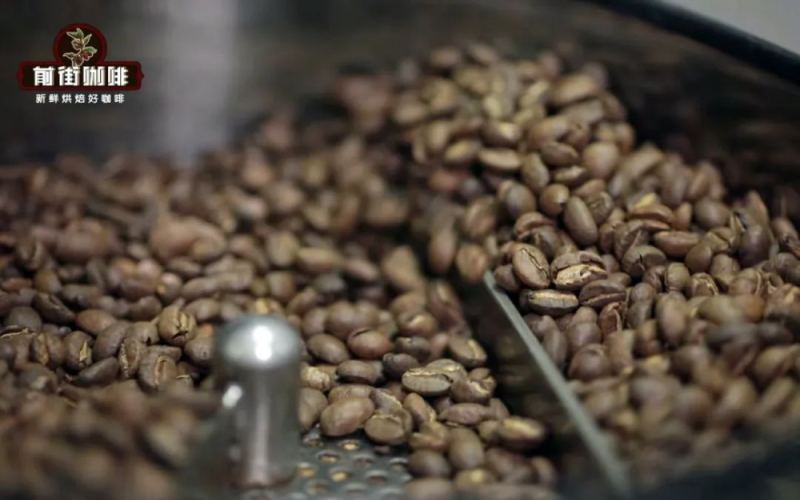
How many days do coffee beans need to rest? A guide to handling overly fresh beans for pour-over and analyzing flavor changes
Freshly roasted coffee beans are not always better the fresher they are. Front Street Coffee points out that about 2% of the coffee bean's weight in carbon dioxide continues to be released after roasting, which both protects the flavor and hinders extraction. When coffee is too fresh, brewing tends to produce large bubbles, a harsh mouthfeel, and grassy, unripe flavors. For medium-light roasted beans, resting is recommended for 4-7 days, while medium-dark roasted beans need 7-10 days. This article explains in detail the double-edged sword effect of carbon dioxide, the flavor defects of fresh beans, and the resting times for coffee beans of different roast levels, helping coffee lovers find the optimal flavor window. [more…]
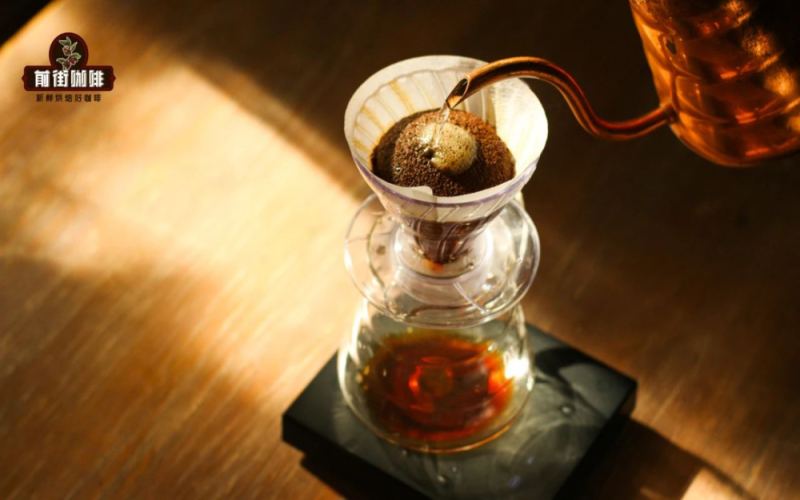
The Complete Guide to Keeping Coffee Beans Fresh: Shelf Life, Peak Flavor Period, and Practical Methods to Prevent Moisture, Oxygen, Light, and Heat
How should you store coffee beans once you've bought them to keep the flavor at its best? Drawing on Front Street Coffee's practical experience, this article first clarifies the relationship between freshly ground coffee and freshly roasted coffee, then explains why coffee beans lose most of their aroma about 50 days after roasting, and why beans need three to four days of resting right after roasting. It then addresses the four major factors—moisture, oxygen, light, and high temperature—offering solutions for each, and compares the pros and cons of three types of containers: one-way degassing valve bags, sealed canisters, and vacuum canisters. Finally, it presents Front Street Coffee's recommended home storage plan and explains why long-term storage in ground form is not advisable. [more…]

Starbucks toilet trampled and collapsed sparks heated debate: why are store restrooms gradually disappearing?
Recently, a customer encountered an bizarre scene at a Starbucks store: while waiting in line to use the restroom, they suddenly heard a loud noise, and then a man hurriedly fled from the bathroom. Upon entering, they discovered that the toilet had been cracked by being stepped on and had separated from the sewage pipe, shifting more than ten centimeters. This bizarre incident quickly sparked heated discussions among netizens and unexpectedly brought up the topic of Starbucks restrooms gradually disappearing. Many netizens were surprised that Starbucks actually had restrooms, while longtime customers recalled that in earlier years, most stores had restrooms open to the public, but this convenience measure brought endless troubles for employees—filth and disorder, long-term occupation, and even people showering or washing vegetables inside. Now, new Starbucks stores are gradually no longer including restrooms, and older stores often lock them, citing malfunctions. This article takes you through the whole incident and the helpless reality behind it. [more…]
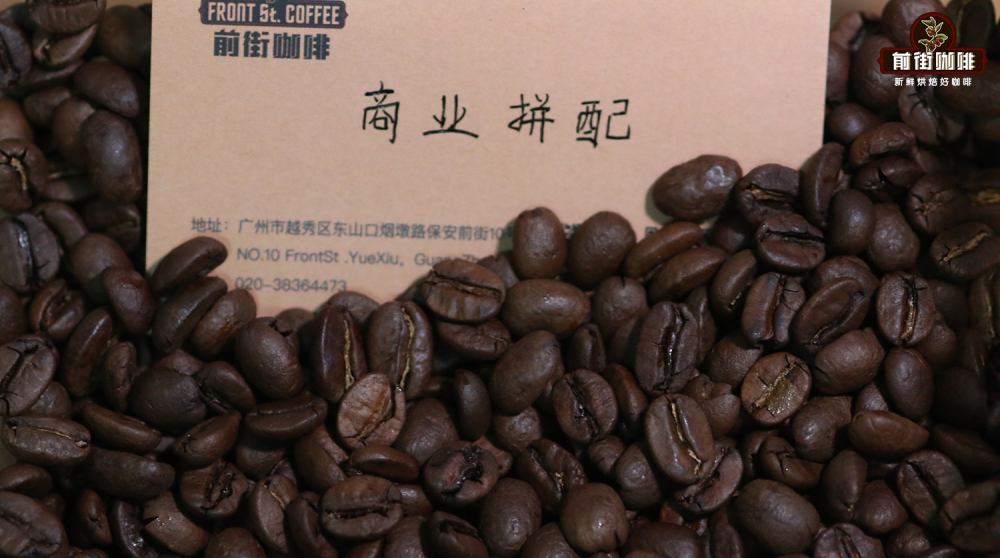
Comparison of Eight Coffee Bean Roast Levels|How do different roast levels affect coffee flavor? What is the specific process for roasting coffee beans?
Anyone who drinks coffee regularly knows that coffee beans come in different roast levels, and the flavor and mouthfeel they present are all different. As a café that roasts its own beans, Front Street has dozens of batches of coffee beans to roast every day. We know the flavors of light-roasted Yirgacheffe, medium-roasted Brazilian coffee, and the like like the back of our hand, and we also need to [more…]
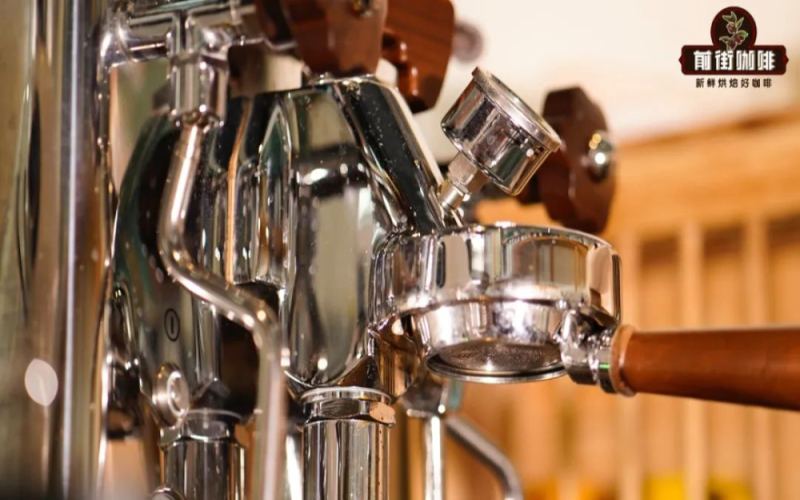
Daily Maintenance Guide for Espresso Machines: Detailed Explanation of Correct Cleaning Steps for the Dispersion Screen and Steam Wand
If a home espresso machine is neglected for a long time, extraction quality will gradually decline and may even lead to malfunctions. Using hands-on operation as an example, this article systematically explains how to clean the key parts of a coffee machine. It covers the simple rinsing and deep backflushing process for the dispersion screen, techniques for wiping the steam wand surface and soaking the tip, and key points for cleaning the portafilter spout area. Through regular maintenance, you can effectively extend the machine's lifespan and avoid costly repairs. The steps in the article are clear and suitable for coffee enthusiasts to follow on their own. [more…]
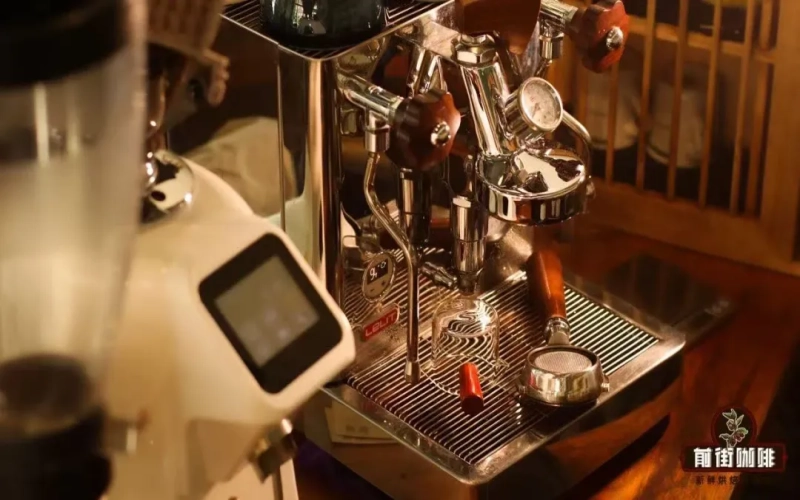
Espresso Machine Gasket Replacement Tutorial: Causes of Unstable Pressure, Weakened Steam, and Coarse Milk Froth, Plus Deep Cleaning Methods for the Whole Machine
Erratic pressure during extraction, weakening steam, and milk foam that just won't froth up no matter what—these problems are often not a sign of declining skill, but rather that your espresso machine is due for maintenance. Drawing on Front Street's practical experience, this article systematically lays out the daily and deep cleaning routines for espresso machines: including flushing hot water before and after extraction, wiping the steam wand, backflushing, soaking the steam tip to remove scale, as well as how to judge when the group head gasket is wearing out and how to replace it yourself. It also covers the key cleaning points and recommended intervals for the water tank, boiler, and portafilter, helping you keep your espresso machine producing consistent shots and extend its service life. [more…]