







Search Results for: freshly prepared beverage labels
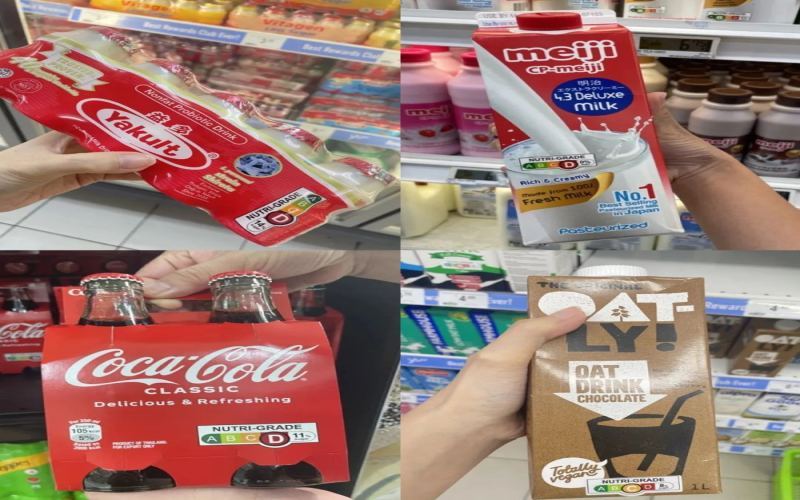
Singapore Fully Implements ABCD Nutrition Grading for Freshly Made Beverages, Luckin Coconut Latte Classified as Grade D
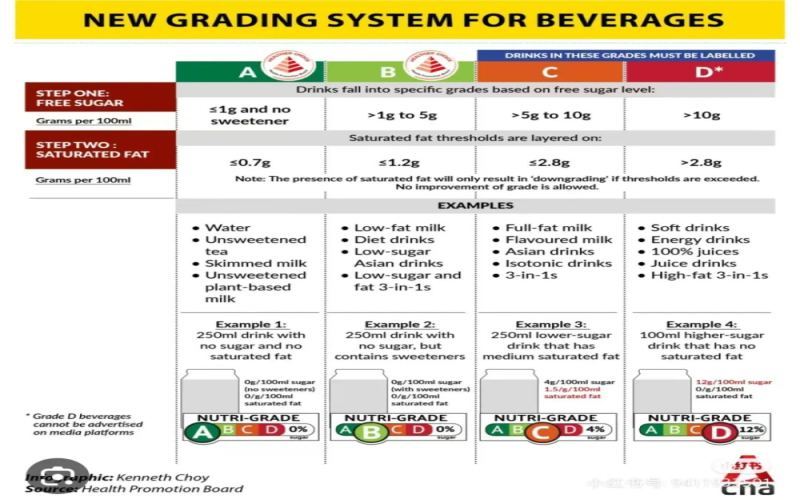
After Singapore implemented a sugar restriction order for beverages late last year, it has recently upgraded its control measures again, extending the Nutri-Grade labeling system to all freshly prepared drinks. From freshly brewed coffee and milk tea to fresh juices, even toppings like pearls and coconut jelly must now be labeled with their sugar content. Brands such as Starbucks, KOI Thé, and Ya Kun have gradually updated their menus, and Luckin's Coconut Latte has been classified as Grade D due to its high sugar and fat content. How exactly does this ABCD grading system work? What impact does it have on lattes and black coffee, which coffee lovers often drink? This article will outline the details of the new regulations and market reactions, and include purchasing advice from Front Street Coffee. [more…]
Singapore's Sugar Restriction Order Shakes Up Beverage Menus: Luckin Coffee Discontinues Several Dirty Series Drinks, Nutrition Grading Sparks Heated Debate
At the end of last year, the Singaporean government implemented new sugar-limit regulations for beverages, requiring all packaged and freshly prepared drinks to display ABCD nutrition grades and sugar content, sparking a nationwide anti-sugar craze. Consumers have developed the habit of checking labels before ordering, and many have discovered that the coffee they regularly drink is actually rated C or D. Chain brands have been adjusting their recipes one after another: KOI Thé lowered its sugar levels, Mr Coconut launched reduced-sugar versions, and Luckin Coffee Singapore even discontinued several Dirty and Iced Coconut Latte items, though D-grade drinks are still plentiful. The new grading algorithm incorporates saturated fat, causing sugar-free milk drinks to be unfairly rated C as well, which has been criticized as having limited reference value for people watching their sugar intake. Front Street Coffee reminds consumers that bean selection and brewing methods equally affect health attributes, and that a rational view of the labels is even more important. [more…]

Chayan Yuese Pilots Fully Automated Milk Tea Robot: Cup Output Efficiency and Consumer Experience Spark Heated Discussion
During the National Day holiday, the fully automated milk tea robots that appeared in some Changsha Chayan Yuese stores became a focal point for tourists. Customers noticed that staff only needed to place a labeled cup in the designated position, and the robotic arm could complete most of the preparation process, with only the cream top needing to be added before handover at pickup. This experiment sparked polarized discussion online: supporters believe standardized operations help ensure consistent output and reduce the burden on employees; opponents point out that during peak customer flow, the robot's cup output speed is actually slower than manual work, resulting in longer waits, and equipment cleaning and customization needs still depend on staff handling. Whether automated tea-making can truly integrate into the freshly made tea beverage scenario has become a new topic of discussion in the industry. [more…]
Luckin stores add new muddlers and dicers, fresh-cut fruit could be the next move, raising concerns about workers' workload
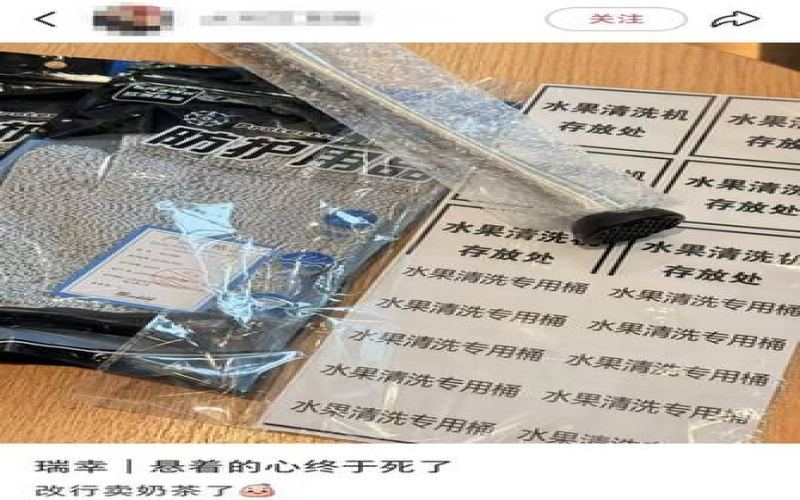
In recent years, tea beverage brands have been adding fresh fruits and vegetables to their fruit tea products in pursuit of genuine ingredients. Luckin, however, has long relied on fruit concentrates and quick-frozen dried fruit due to the limitations of its store conditions, making many tea beverage peers envious. Recently, though, some Luckin stores in Guangdong, Chengdu, and other regions have successively received new materials such as muddling sticks, cut-resistant gloves, and labels for fruit washing machine storage areas, while internal order forms also list equipment including dicers and strawberry hullers. These tools have no direct connection to the drinks currently on sale, and the appearance of a bitter melon light-body fruit and vegetable tea and a bitter melon fruit and vegetable Americano—neither of which is on the menu—in the mini-program coupons has sparked employees' speculation that Luckin may introduce fresh-cut fruit. Once freshly cut fruit enters the production process, whether Luckin stores staffed by a single person can withstand peak-hour pressure has become the most anxiety-inducing question for workers. [more…]

Overnight Fresh Fruit Slices Reused, Expired Ingredients Relabeled: Mixue Bingcheng and Shanghai Auntie Under Investigation on the Same Day
On the evening of March 14, "Jingshi Live" exposed two consecutive food safety incidents involving tea beverage brands. The Mixue Bingcheng store at Wuyi Ningju Xintiandi in Wuhan was accused of hiding leftover lemon and orange slices from the day under the counter at room temperature and using them the next day to make signature drinks; the Hushang Ayi store at Hankou City Plaza was exposed for altering the shelf-life labels of toppings to "extend the life" of expired ingredients. The market supervision authorities in both places have separately filed investigations into the stores involved. Among them, the Mixue Bingcheng store involved was sealed and shut down, while the Hushang Ayi store involved was immediately closed. As a content platform that also follows developments in the coffee and beverage industry, Front Street Coffee continues to track such food safety issues. The details of the incidents are as follows. [more…]
Tea Baidao's "Godly Beauty Strawberry" production process exposed, staff complain about manual juicing
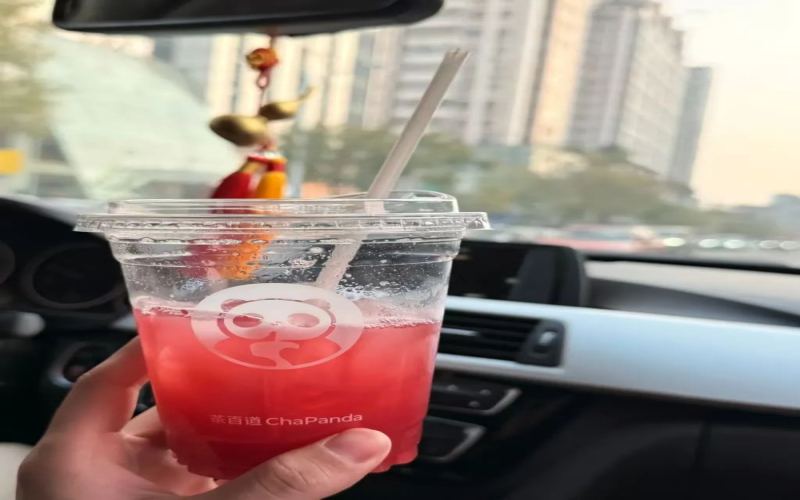
As the winter strawberry season arrives, major chain tea brands are launching strawberry-related drinks one after another. ChaPanda has brought back its signature strawberry drink in response to fan demand, while also keeping up with the fruit-and-vegetable juice trend by launching a strawberry version of its Light & Refreshing Kale drink and a brand-new item, Divine Beauty Strawberry. Among them, Divine Beauty Strawberry is made fresh with ingredients such as roselle, strawberries, and pineapple, and has been dubbed a "natural liquid blush" by the official brand, attracting many consumers to try it. However, a production video released by an employee revealed the cumbersome and labor-intensive manual juicing process behind this drink—a full pot of ingredients can yield only two cups after manual squeezing, and the filter bags frequently burst from the pressure, prompting collective complaints from staff. The inefficient production method has also led some netizens to worry about hygiene conditions. [more…]
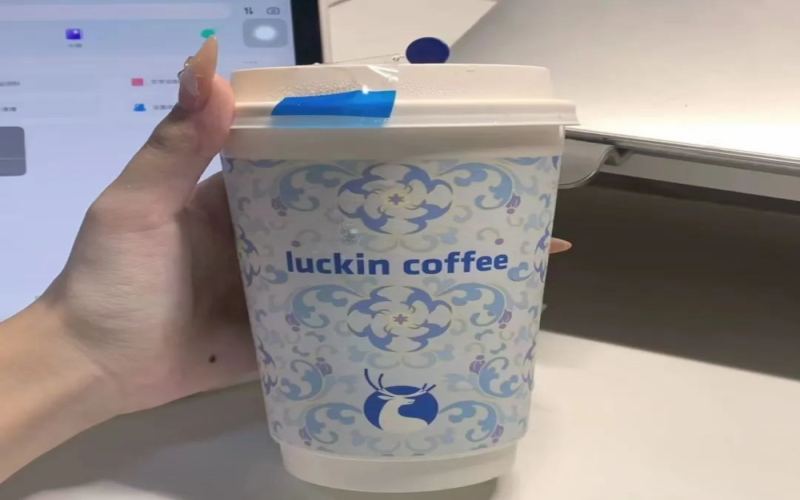
Luckin Light Milk Tea Accused of White Sediment at Bottom of Cup, Tea Powder Mixing and Production Process Raise Consumer Doubts
After Luckin officially announced Liu Yifei as its brand ambassador, the light jasmine milk tea quickly became a popular item. However, many consumers found white particles or sediment at the bottom of the cup after drinking it, and the mouthfeel was described as having a noticeable powdery texture. A Luckin employee revealed that the jasmine tea in the drink is actually made from tea powder rather than freshly brewed tea leaves, and that some stores, in order to speed things up, use stirring instead of shaking to mix it, which may leave the powder incompletely dissolved. Consumers, on the other hand, tend to believe the white powder comes from residual dairy products, raising doubts about ingredient quality. As of press time, Luckin has not given a clear response. [more…]

Is Cold Brew Coffee Really Low in Caffeine? A Detailed Explanation of Cold Brew Extraction Principles, Drinking Timing, and Preparation Steps
Cold brew coffee is made by extracting with cold water over a long period, resulting in a mellow body and lower astringency, making it a favorite among many coffee lovers. But is its caffeine content really low? Can you drink it right after brewing is complete? This article will start with the origin and principles of cold brew coffee, analyze the factors affecting caffeine content, and share Front Street Coffee's complete cold brew production process and brewing suggestions, giving you a comprehensive understanding of this coffee brewed with time. [more…]
What equipment and coffee beans are needed to make coffee at home? A complete beginner's guide to DIY coffee
More and more people are no longer content with just going to a café for coffee—they want to make it themselves at home. But faced with a dizzying array of equipment and coffee beans, beginners often don't know where to start. This article systematically lays out a complete approach to home coffee DIY: from choosing a grinder and brewing equipment, to judging the freshness and quality of coffee beans, to building up your brewing methods and coffee knowledge, helping you find the approach that suits you step by step and easily become a home barista. [more…]
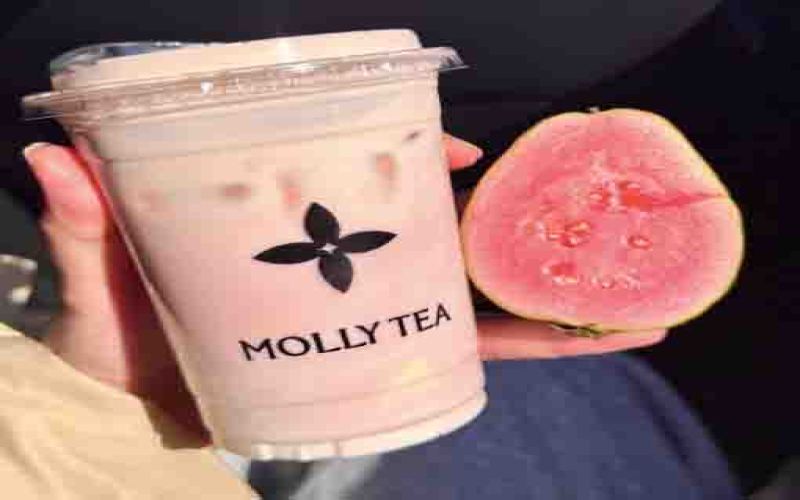
Jasmine Milk White Guava new drink criticized for astonishing amount of ice: the "less ice" option is practically useless, with ice filling half the cup.
Molly Tea recently launched its seasonal limited-edition "Exotic Guava Series," and the two new drinks—"Jasmine Cream Guava" and "Jasmine Guava Milk Skin"—quickly attracted a large number of consumers eager to try them, thanks to the pretty pink appeal of red-fleshed guava. However, not long after they hit the shelves, feedback flooding social platforms unexpectedly converged on one focal point—too much ice. Many customers found that even when they chose "less ice," the drink shrank by more than half after the ice was scooped out; some even fished thirty-five ice cubes out of a single less-ice drink. What exactly is going on here? And what secrets lie behind the ice standards at tea beverage shops? As an observer deeply engaged in coffee and beverage culture, Front Street Coffee is also paying attention to this phenomenon. [more…]

Can a 6-yuan Americano be profitable? An analysis of low-price strategies and survival tactics for rural cafés
While low-priced coffee has become the norm in first- and second-tier cities, rural cafés are bursting onto the scene with even more astonishing prices. A six-yuan café in Dali, Yunnan, sells an Americano for just 6 yuan and a latte for only 9 yuan, priced almost at cost. How on earth does such a price point survive? Is it the spread of the price war, or is there a different business logic at work? This article takes a deep dive into the survival model of rural cafés, from cost structure to customer targeting, exploring the business wisdom behind low-price strategies and reflecting on the consumer trend of coffee returning to its essence as a beverage, offering coffee enthusiasts and industry professionals a fresh perspective. [more…]
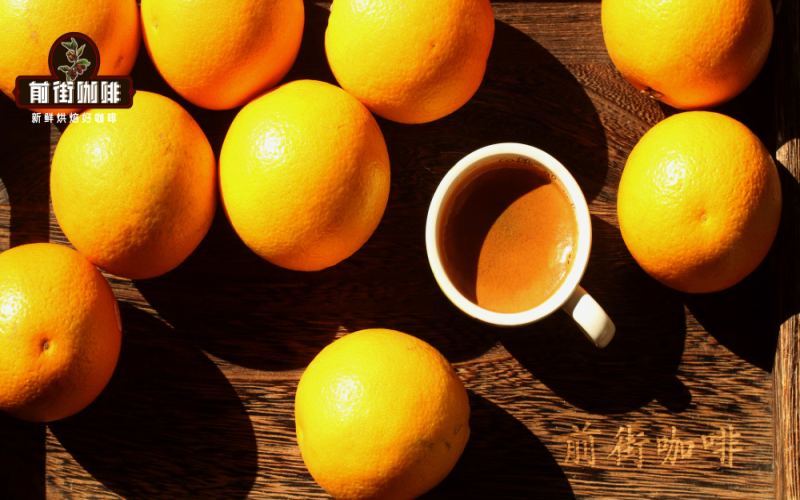
Italian Classic Lemon Coffee: A Detailed Guide to the Recipe and Making of Roman Espresso
The fresh acidity of lemon is often used to describe coffee flavors, but have you ever thought about actually adding lemon to espresso? In Italy, there is such an espresso that genuinely incorporates lemon juice—Espresso Romano. It was born out of the wisdom of people during economically difficult times, who used sourness and sweetness to neutralize the bitterness of dark-roasted, low-quality beans. This article will guide you through the origins of this beverage, the ingredients needed, and the specific preparation steps, and share how Front Street Coffee's Warm Sun Blend performs in it, so you can easily recreate this sweet-and-sour Italian classic at home. [more…]
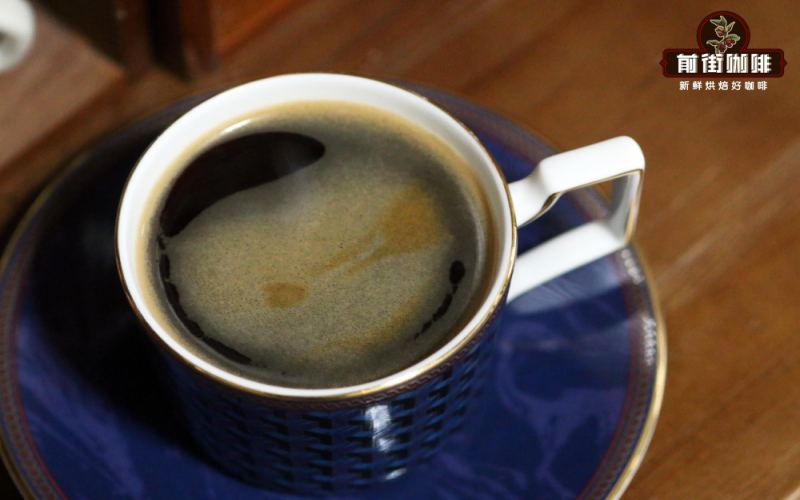
What Is Americano? A Full Analysis of Hot vs. Iced Taste Differences and Bitterness Comparison
Americano is made by diluting espresso with water. Although the method is simple, it is one of the most popular coffee categories in the world. Starting from the definition, this article compares the differences in aroma and mouthfeel among hot Americano, room-temperature Americano, and iced Americano, and explains how temperature affects taste perception, thereby changing the expression of bitterness and acidity. The article also combines Front Street Coffee's "Sunflower Warm Sun Blend" espresso beans to share bean resting suggestions and extraction experience, helping coffee lovers find an Americano style that suits them better. [more…]

The Logic Behind Coffee Pricing: What Is the Cost of a Cup? Store Menu Pricing Formulas and Cost Control Strategies
Many consumers have noticed that coffee shop menu prices are becoming increasingly baffling. An Americano easily costs 30 yuan, and a specialty drink can easily exceed 40 yuan, leaving people feeling "stung" when they pay the bill. So, what exactly makes up the cost of a cup of coffee? And how should independent cafés scientifically price their products? This article examines store positioning, menu design, raw material costs, and original price ratio calculations to sort out the basic logic of coffee shop pricing, and provides reference cost ranges for espresso beans and milk, helping coffee lovers and industry professionals better understand the economics behind a cup of coffee. [more…]

The Origins and Evolution of Drip Bag Coffee: From a Japanese Patent to the Convenient Pour-Over Choice in the Chinese Market
Drip bag coffee, with its combination of convenience and quality, has become the top choice for many people to enjoy black coffee in their daily lives. Where exactly did this filter-bag coffee packet originate? How did it evolve from an uncommercialized patent into a beverage that swept across East Asia? This article traces the invention history of drip bag coffee, analyzes the shifts in consumer demand behind its market growth, and explains the key brewing points in detail, helping readers easily master the method for making a good cup of coffee. It also introduces Front Street Coffee's high-value drip bag products and the flavor characteristics of Golden Mandheling. [more…]
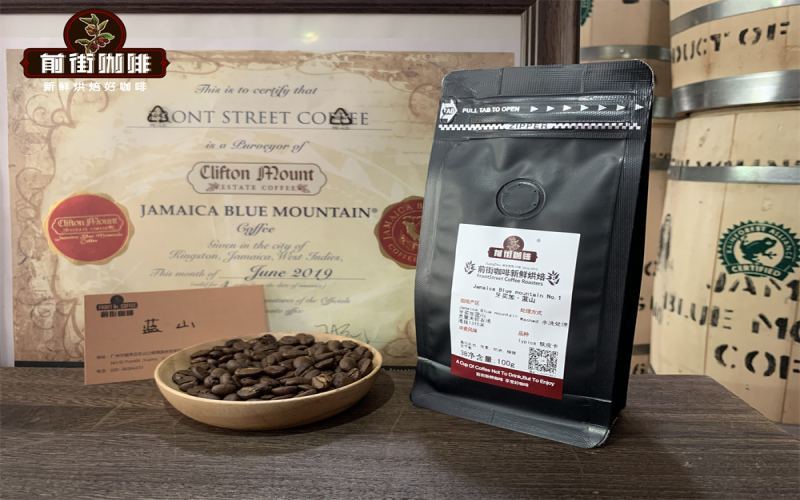
Unveiling the Price of Jamaican Blue Mountain Coffee: Can Authentic Front Street Blue Mountain Be Used for Iced Americano?
Blue Mountain coffee is globally recognized as a representative of specialty coffee, yet controversy over its price and authenticity has never ceased. Front Street Blue Mountain coffee beans sell for 158 yuan per 100g—is that expensive? Is the claim that Japan once monopolized the Blue Mountain trade true? Can authentic Blue Mountain beans be purchased through legitimate channels in China? This article will systematically sort out the truth about Blue Mountain coffee, starting from price, history, and identification methods. At the same time, Front Street will share the flavor characteristics of Blue Mountain No. 1, pour-over parameters, and a complete method for making Americano with it. Whether you want to buy Blue Mountain or recreate a high-quality cup of black coffee at home, this content offers practical reference. [more…]
Jamaica Blue Mountain Coffee: A Complete Guide to the Region's Characteristics, History, Brewing Methods, and Flavor Profile
Blue Mountain coffee originates from the Blue Mountains in eastern Jamaica. Thanks to its volcanic soil, a climate characterized by year-round fog and frequent rain, and strict quality control, it has become one of the world's universally recognized top-tier coffees. Its acidity, sweetness, and bitterness are balanced to perfection, with virtually no bitter note, leaving only a moderate fruity acidity and a rich, mellow aroma. Blue Mountain coffee is graded into three tiers—Blue Mountain, High Mountain, and Jamaica Coffee—according to altitude and growing region. The harvest season runs from June through November, with all cherries hand-picked throughout. Japan has long held priority purchasing rights over most Blue Mountain beans, leaving the rest of the world with only about 10% of total production, which is why genuine Blue Mountain coffee is always in short supply. This article will systematically cover the production process, origins, history, geographical conditions, classification standards, distinctive flavor, sales landscape, health benefits, quality assurance system, and special preparation methods for both hot and cold drinks of Blue Mountain coffee, along with recommendations and tasting suggestions from Front Street Coffee. [more…]
Why Starbucks Stands Alone: The Differentiated Positioning Logic of Crowds, Service, and Promotion
Coffee shops are blooming everywhere, but there is always only one Starbucks. Its success is not accidental, but stems from a set of positioning logic completely different from traditional cafes. This article dissects, from three dimensions—crowd targeting, service strategy, and promotion methods—how Starbucks precisely locks onto the white-collar group, how it uses space and equipment design to accelerate customer flow, and how it places its marketing focus on brand image rather than the product itself. At the same time, it analyzes the real implementation of the "third place" concept in the Chinese market, and how this concept has trapped many local coffee shop owners in operational difficulties. For coffee enthusiasts and industry practitioners, understanding Starbucks' atypical path helps to rethink the survival logic of coffee brands. [more…]

Analysis of Brazilian Coffee Bean Grading Standards and Flavor Characteristics: How to Choose the Hand-Brewed Brazilian Beans Recommended by Front Street Coffee
Brazilian coffee occupies a pivotal position in global production, but does it really count as good coffee? This article begins with the evolution of coffee consumption concepts in China, reviewing the journey from the instant coffee era to the specialty coffee wave, and then explores the common dimensions for judging coffee bean quality—price, flavor, and cupping scores. Drawing on SCA standards, it explains in detail the dividing line between specialty beans and commercial beans, and, combined with amusing anecdotes from Front Street Coffee's operations, reveals the subtle influence of price on consumers' judgments. Finally, it focuses on the grading system for Brazilian coffee beans, using specific indicators such as NY.2, Screen 18, and Good Cup as examples to show that an affordable price does not equal inferior quality, and that balanced ordinariness can also be a good cup of coffee. [more…]
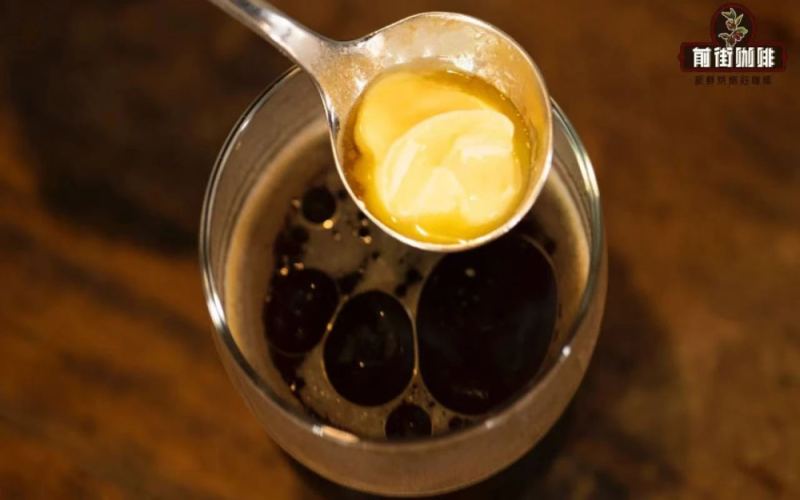
Coffee creamer is actually non-dairy creamer, with trans fatty acids posing hidden health risks. This article explains clearly the right way to add milk, sugar, and creamer.
Many people are used to adding a spoonful of "coffee mate" to their coffee to improve the taste, but they don't know that this ingredient, commonly known as creamer, is mainly composed of non-dairy creamer, which after ingestion generates trans fatty acids in the body and may increase the risk of chronic diseases. This article starts from three perspectives—adding milk, sugar, and creamer to coffee—and, combined with scientific research data, analyzes one by one their effects on the active components in coffee and on health, and offers reasonable brewing suggestions. Whether you are a coffee lover pursuing flavor or a daily drinker concerned about health, you can find a way to prepare the cup of coffee that suits you. [more…]