







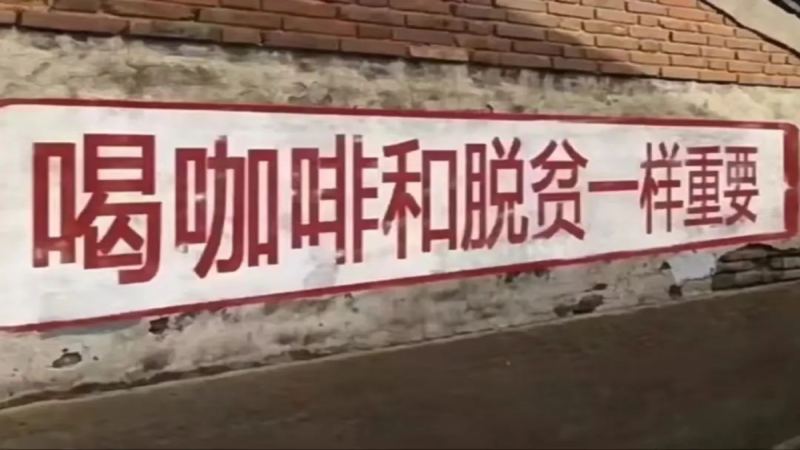
Why Do Rural Coffee Shops Sell Americano So Cheaply?
A coffee shop in Dali, Yunnan sells Americano for 6 yuan and its most expensive latte for 9 yuan, pricing close to cost. The owner also runs six guesthouses, and the cafe sits at their center, so coffee works as a value-added service for lodging guests and passing tourists rather than a standalone profit center.
Cost comes down to raw materials plus losses. The shop's espresso blend runs 90 yuan per bag, about 2.7 yuan per cup, which leaves little margin once milk, cups, and labor are added. For coffee enthusiasts and industry watchers, the model reflects coffee returning to its role as an everyday beverage.
When low-priced coffee has become the norm in first- and second-tier cities, rural coffee shops are bursting into view with even more astonishing prices. A six-yuan coffee shop in Dali, Yunnan, sells Americano for just 6 yuan and latte for only 9 yuan, pricing almost at cost. What exactly keeps such prices alive? Is it the spread of the price war, or is there another business logic at work? This article takes a deep dive into the survival model of rural coffee shops, from cost structure to customer positioning, exploring the business wisdom behind low-price strategies and reflecting on the consumer trend of coffee returning to its essence as a beverage, offering a fresh perspective for coffee enthusiasts and industry practitioners.
These days in first- and second-tier cities, getting an Americano or latte for just a few yuan is no longer anything unusual. But recently, some coffee shops nestled in the countryside have stunned people with their remarkably low prices—are they also preparing to get swept into the price war?
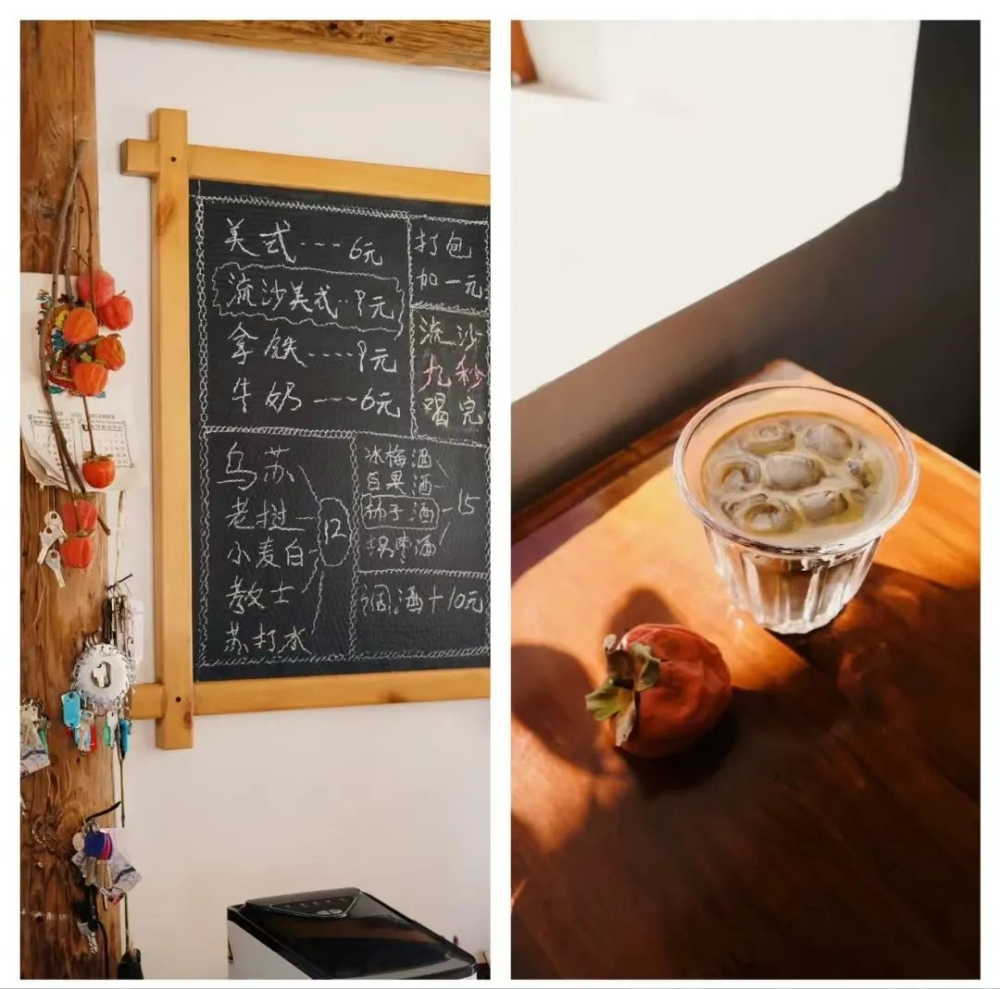
A search for "rural coffee shop" on Xiaohongshu yields over seven thousand related posts. A quick browse reveals that beyond the eye-catching "internet-famous cafés," quite a few follow the community coffee shop approach. Not long ago, I noticed a shop in Yunnan called "Dali Six-Yuan Coffee Shop," whose prices are almost equivalent to cost: Americano at 6 yuan, and the most expensive latte and lava Americano at only 9 yuan. This made me wonder: with such low prices, what exactly keeps the operation going?
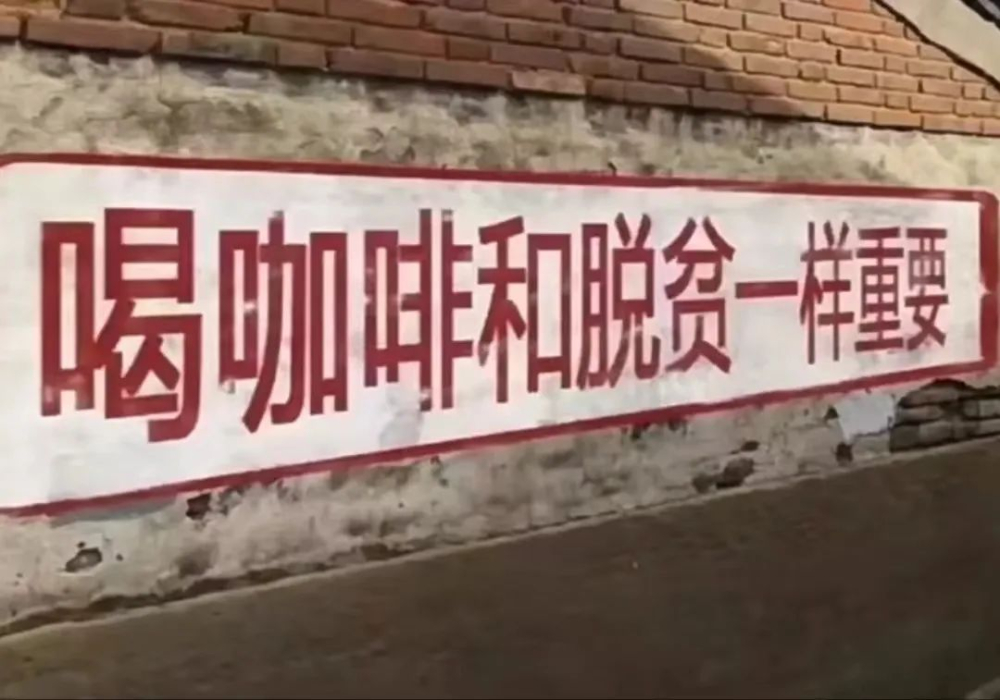
Although this coffee shop is tucked away in a remote rural corner, selling coffee is not for profit. The owner of Six-Yuan Coffee Shop originally ran six guesthouses; the daily coffee consumers are either lodging guests or traveling tourists, and the shop is deliberately placed at the center of the guesthouses. By day it serves coffee, and by night it transforms into a place for casual drinks and conversation—the café is more like a space for people to mingle and communicate. Put simply, coffee is just a value-added service of the guesthouse.
Back to the price itself, the cost of a cup of coffee is determined by raw materials plus various losses. Coffee beans vary in price, and a high or low price is not necessarily positively correlated with quality. The espresso blend used by Six-Yuan Coffee Shop costs 90 yuan per bag, averaging 2.7 yuan per cup. Fresh milk costs 13 to 16 yuan per liter, roughly 2.6 to 3.2 yuan per cup. Add water, electricity, materials, equipment and other expenses, and the 6-yuan Americano and 9-yuan latte can be said to be sold at cost.
Rather than pricing at dozens of yuan and inviting criticism, it is better to use an approachable price to get closer to customers—and besides, who can resist the appeal of cheap? The coffee consumption trend of the past two years shows that most people find coffee in the 15 to 26 yuan range more acceptable, especially for fast-paced espresso drinks. Those willing to spend thirty to fifty yuan a day on coffee remain a minority, and shops in townships selling coffee for over thirty yuan will sooner or later face the impact of a market "cold winter."
Coffee carries a "foreign and trendy" label, and many people still position it at the level of "high society, petty bourgeoisie, refined taste," as if anything associated with coffee instantly elevates one's class. But ultimately, coffee is just a beverage, and there is no need to burden it with too much symbolic meaning. As the owner of Six-Yuan Coffee Shop put it: "For the children in the village, coffee is just a not-very-tasty drink next to the small shop at the elementary school gate, and what I really want is a cup of milk tea."
Having experienced the busyness and pressure of fast-paced city life, many young people yearn for "poetry and distant places," hoping to open a warm, heartening coffee shop somewhere far from the hustle and bustle. Combined with the lower consumption levels in townships, a wave of "countryside coffee shops" has gradually emerged, with styles of every kind imaginable.
Unlike the fast-paced metropolis, whether it is the artistic atmosphere of a coffee shop or the caffeine that office workers cannot do without, these hold little appeal for people who have long lived in townships. Instead, young people returning to their hometowns are the real customer base for these coffee shops. And what young people want is simply a cup of coffee with high value for money, isn't it? Therefore, only by shifting the business approach from "check-in coffee shops" and "experience coffee shops" to "everyday coffee shops" can one stand firm in the market for the long haul.
The above content is compiled by CoffeeHunters, a coffee news website.


