







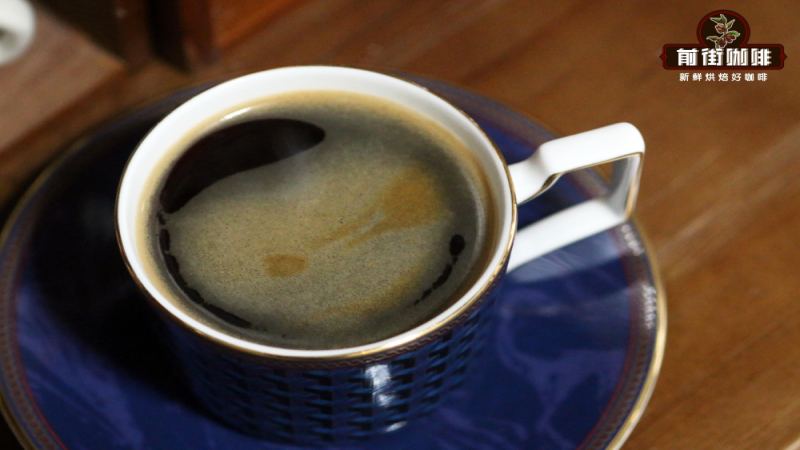
What Is Caffe Americano and How Does Temperature Change Its Taste?
Caffe Americano is espresso diluted with plain water, with no steamed milk added. Because water lowers the concentration of the shot, the drink keeps a direct espresso flavor at a volume close to drip coffee. It remains one of the most widely sold coffee beverages and a common entry point for freshly ground coffee.
Unlike an Americano, a latte replaces the water with steamed milk, which softens acidity and adds body. Temperature matters too: hot, room-temperature, and iced water each change how bitterness and acidity are perceived, so the same espresso can read quite differently across the three versions.
Americano is made by diluting espresso with water. Though simple to prepare, it is one of the most popular coffee categories worldwide. Starting from its definition, this article compares the differences in aroma and mouthfeel among hot Americano, room-temperature Americano, and iced Americano, and explains how temperature affects taste perception, thereby changing the expression of bitterness and acidity. The article also incorporates Front Street Coffee's "Sunflower Warm Sun Blend" espresso beans to share bean-resting recommendations and extraction experience, helping coffee lovers find an Americano style that suits them better.
For professional coffee knowledge exchange and more coffee bean information, please follow Coffee Workshop (WeChat public account: cafe_style)
For more specialty coffee beans, please add the private WeChat of Front Street Coffee: qjcoffeex
Americano is essentially espresso diluted with water. The preparation method is not complicated, yet it does not prevent it from becoming the world's leading coffee beverage by sales, and it is also the introductory choice for many people when trying freshly ground coffee.
Like other espresso-based coffees, Americano cannot do without espresso; the difference is that it does not add steamed milk, but instead mixes espresso with plain water. After replacing the milk component in a latte with hot water, Americano presents a stronger, more direct espresso style.
The added water lowers the concentration of the espresso, allowing the finished drink to retain espresso flavor at a volume close to drip coffee, making it suitable for people who want to get caffeine from a higher-concentration coffee.
Is hot Americano better, or is iced Americano better?
Around this question, Front Street Coffee once used water in three different temperature ranges to make Americano and compared their mouthfeel and performance (91°C hot water, room-temperature water, ice-water mixture).
The espresso products served at Front Street Coffee stores all use its own medium-dark roasted espresso beans, the "Sunflower Warm Sun Blend." This blend consists of Ethiopian sun-dried Red Cherry coffee beans (30%) and Honduras Sherry Barrel coffee beans (70%). With fresh grinding and suitable extraction parameters, the espresso made from the Warm Sun Blend carries rich wine aroma, vanilla cream, berry sweetness and acidity, and roasted nut flavors.
Because the coffee beans are freshly roasted, all coffee beans sold by Front Street Coffee are shipped within 5 days after roasting is completed. The beans retain a large amount of carbon dioxide produced during roasting, which affects the uniformity of extraction.
According to Front Street Coffee's experience, medium-dark roasted espresso beans usually have the most stable flavor and extraction performance between 10 and 30 days after roasting is completed. Therefore, after receiving the beans, there is no need to rush to brew them. You can refer to the roasting date on the back label for appropriate bean resting, allowing the coffee beans to sit in their original packaging until at least 7 days after the roasting date.
Flavor and mouthfeel characteristics of hot Americano
In terms of aroma, hot Americano is more prominent than at other temperature ranges. As the hot air volatilizes, it carries the vanilla cream and whiskey aromas from the Warm Sun Blend into the air, and the aroma of coffee can be smelled throughout the coffee shop. In terms of mouthfeel, the caramel, whiskey, and caramel chocolate notes of hot Americano are very full, and the vanilla cream finish is also clearly distinguishable.
Flavor and mouthfeel characteristics of room-temperature Americano
In terms of aroma, room-temperature Americano is less obvious than hot Americano; you need to bring the cup close to smell the weaker whiskey aroma. In terms of mouthfeel, the overall flavor of room-temperature Americano is more balanced, with no single note standing out too much. You can feel a vanilla-cream-like smoothness and the aroma of whiskey.
Flavor and mouthfeel characteristics of iced Americano
In terms of aroma, iced Americano is the weakest among the three temperature ranges; even close to the cup, only a faint whiskey aroma can be smelled. In terms of mouthfeel, iced Americano is less rich than hot Americano, but the berry sweetness and acidity are more prominent, the bitterness is lower, and the overall effect is more refreshing. In the middle and late stages, the flavor of whiskey-filled chocolate can be felt.
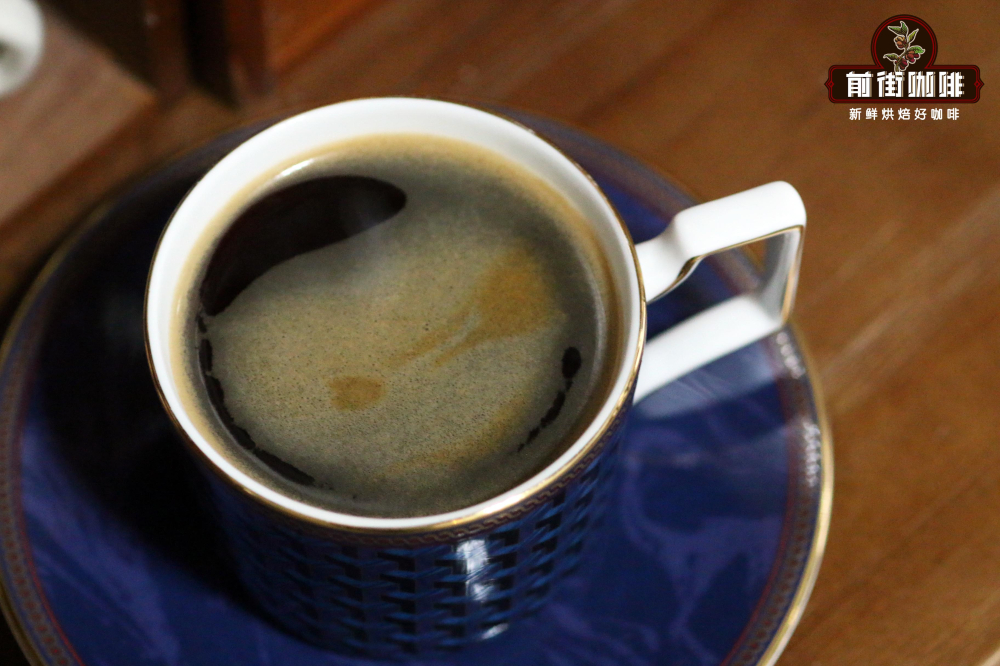
Why do Americanos at different temperatures differ so noticeably?
Taste perception is not the same at different temperatures, so the advantage of hot coffee lies in being able to experience the changes in flavor from high temperature to low temperature. As the temperature decreases, the tongue's perception of bitterness and sweetness weakens, while it becomes more sensitive to acidity. At the same time, quinic acid in coffee degrades into quinic acid lactone, so coffee appears more acidic after it cools.
The above content is compiled by CoffeeHunters, a coffee news website.


