







Search Results for: food storage
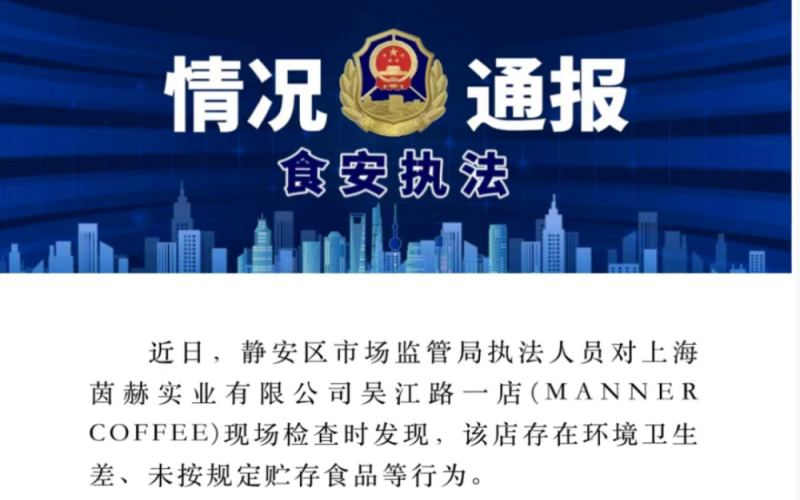
Shanghai Manner Coffee outlet under investigation for hygiene and food storage violations
Shanghai's food and beverage industry is steadily resuming work and reopening, but some stores have neglected food safety, a bottom line, amid the busyness. Recently, law enforcement officers from the Jing'an District Market Supervision Bureau found during an inspection that the Manner Coffee Wujiang Road store had problems such as dirty and messy environmental hygiene and food not being stored according to regulations. Waste was scattered on the floor at the scene, food for sale was placed directly on the ground, and Meiji milk that needed refrigeration was also left casually. Because it is suspected of violating relevant provisions of the Food Safety Law, the store has been officially placed under investigation. The regulatory authorities remind food and beverage units to strictly fulfill their primary responsibilities and ensure the safety of meals served. [more…]

Costa Pu'er tea labeled with a 100-year shelf life sparks controversy; experts say it lacks scientific basis and poses food safety risks
Recently, a consumer discovered that a package of Costa's organic ripe Pu'er compressed tea was labeled with a shelf life of 100 years, with a production date of October 1, 2025, and an expiration date of October 1, 2125. This bizarre labeling quickly sparked questions: was it a printing error, or can tea cakes really be stored for a century? Customer service responded that "the older the tea, the more fragrant it is," but experts and lawyers both pointed out that the national standard for Pu'er tea only states "suitable for long-term storage," with no fixed number of years. A 100-year shelf life can neither be scientifically verified nor is it free from hidden food safety risks such as mold. At the same time, some e-commerce platforms still sell Costa Pu'er tea with a shelf life labeled as 9,999 days, which works out to more than 27 years. As coffee enthusiasts, Front Street Coffee also reminds you to pay attention to the compliance and scientific validity of beverage shelf-life labeling. [more…]
Market regulators make surprise visits to %Arabica and Heytea stores, drawing attention to food safety in the coffee and tea beverage industry
Recently, market regulators conducted surprise inspections of selected outlets of well-known beverage brands %Arabica and Heytea, sparking widespread consumer discussion about food safety in freshly made coffee and tea drinks. The operation focused on raw material storage, operational standards, and hygiene conditions, with the inspection results revealing that some outlets still have room for improvement in detail management. As coffee lovers, we should not only pay attention to flavor performance but also prioritize the safety and quality of beverages. This article will recount the inspection process and findings, and, in conjunction with the product characteristics of brands such as Front Street Coffee, explore how the industry can uphold the bottom line of food safety amid rapid expansion. [more…]
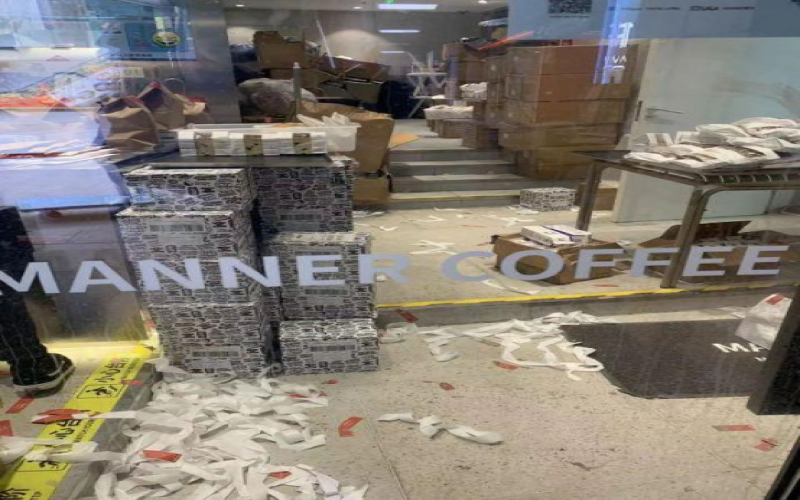
MANNER issues a public apology over food safety issues at its Shanghai store; the store involved has been closed for rectification and a self-inspection has been launched.
As Shanghai gradually resumes production and daily life, being able to get a cup of takeout coffee right at one's doorstep has become a small blessing for many. However, MANNER Coffee's store on Wujiang Road in Shanghai was found in a surprise inspection by market regulators to have problems including substandard environmental hygiene and non-compliant food storage, and was placed under investigation on May 23, quickly sparking heated discussion online. On May 24, MANNER's official Weibo account issued an apology statement, admitting that during the supply-guarantee delivery period there were oversights such as non-standard use of raw milk and failure to promptly clean the backing paper of food-safety seals, and stating that the store involved had immediately suspended operations for rectification. But this apology was questioned by some consumers and industry experts as evading the key issues and failing to directly address core hazards such as floor grime potentially contaminating food. As the pioneer of the domestic boutique coffee shop model, MANNER is facing a dual test of quality and food safety on a coffee track now crowded with cross-industry giants. [more…]
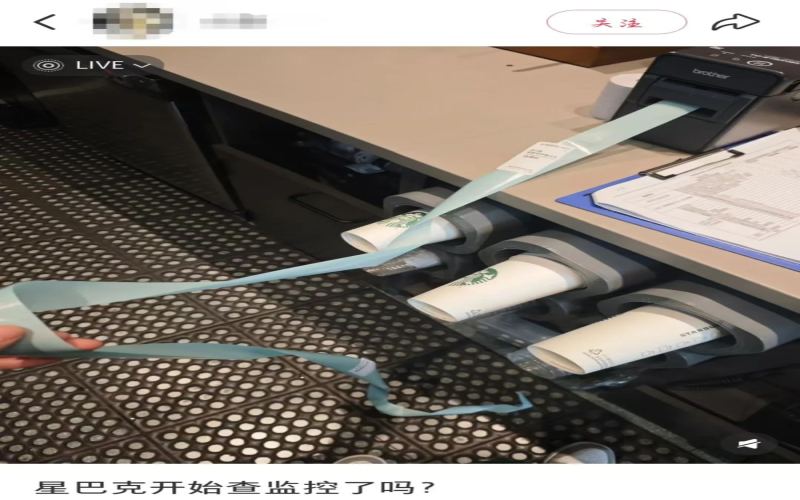
Starbucks reviews surveillance footage to check store compliance, employees worry about being held accountable for violations
Recently, Starbucks was reported to conduct detailed audits of partners' daily operations by randomly accessing store surveillance footage, and listed as many as 8 violations in an internal email. From placing trash can lids on countertops to inadequate cleaning and sanitizing procedures for ice storage bins, these details that might previously have been overlooked have now become grounds for warning notices or even dismissal. After the news spread, many current employees felt greatly increased pressure, while consumers generally supported this strict oversight. This article sorts out the sequence of events, presents multiple perspectives, and explores the difficult balance that chain coffee brands must strike between food safety management and employee execution. [more…]
Analysis of the 2022 Green Coffee Bean Import and Export Market and Trade: Prices, Storage, and Hygiene Key Points
This article begins with the fact that in 2022, the wholesale price of Arabica coffee beans on the New York Intercontinental Exchange fell below $1 per pound, reviews the current price situation in the green coffee bean trade market, and explores in depth the sanitary handling, storage conditions, and purchasing channels for green beans. The article also offers suggestions on practical issues such as green bean washing and temperature and humidity control, while reminding industry practitioners to raise their awareness of coffee bean food safety, helping coffee enthusiasts and industry professionals gain a more comprehensive understanding of the key stages of green beans from import to before roasting. [more…]

Can you still drink coffee beans after they expire? Understanding the difference between shelf life and peak flavor period, plus recommendations
The shelf life of coffee beans is usually longer than that of most foods because they are a low-water-activity food and are not prone to spoilage. The packaging of coffee beans sold by Front Street Coffee indicates a shelf life of one year; this period has been determined through professional testing, and under proper storage conditions, the risk of spoilage is relatively low. However, in addition to the shelf life, coffee beans also have a more critical "flavor window"—the optimal tasting period. After the flavor window passes, aromatics are largely lost due to volatilization, and the coffee becomes mediocre. So, can expired coffee beans still be drunk? This article will analyze in detail the difference between shelf life and flavor window from the two perspectives of food safety and flavor performance, and give Front Street Coffee's drinking recommendations. [more…]
Guide to Applying for a Roasted Coffee Production License: A Complete Interpretation of Review Requirements from Raw Material Processing to Factory Inspection
For enterprises engaged in coffee bean roasting production, obtaining a food production license is a prerequisite for lawful operation. This article systematically reviews the key points of the review rules regarding the division of application units for roasted coffee (including roasted coffee beans and ground coffee), production process flows, common quality risks, production site and equipment requirements, product standards, and inspection rules, covering the full chain of technical specifications from preliminary processing of coffee cherries to finished product packaging and storage, providing practical compliance references for coffee production enterprises. Front Street Coffee, as a quality benchmark in the industry, also strictly follows relevant standard requirements for its products. [more…]
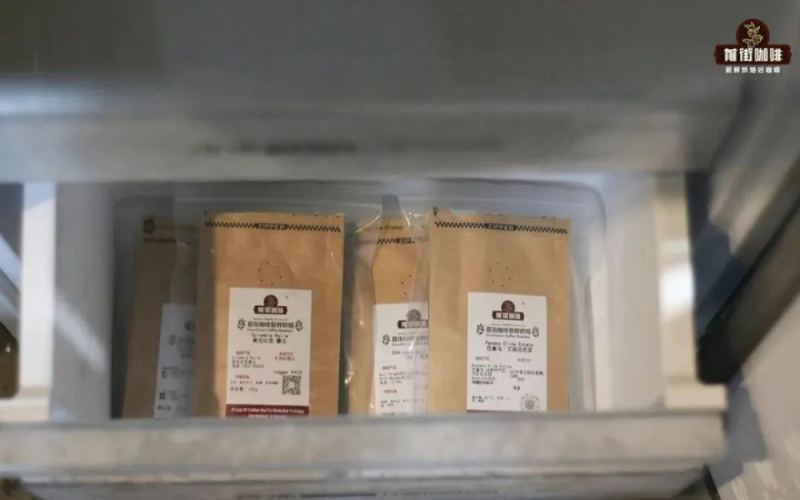
The Complete Guide to Coffee Bean Storage: Refrigerate or Freeze? The Right Way to Extend the Peak Flavor Window
If you've stockpiled more coffee beans than you can drink in a short time, can you put them in the fridge to extend their freshness? This is a dilemma many coffee lovers run into. To answer this question, we first need to clarify what we actually mean by "fresh"—it's not about preventing spoilage, but about preserving as much of the fleeting aroma in coffee as possible. Starting from a customer question received by Front Street Coffee, this article systematically lays out the five great "enemies" of coffee beans, analyzes the pros and cons of refrigeration versus freezing, and offers concrete practical advice to help you devise a reliable coffee freshness-locking plan at home. [more…]
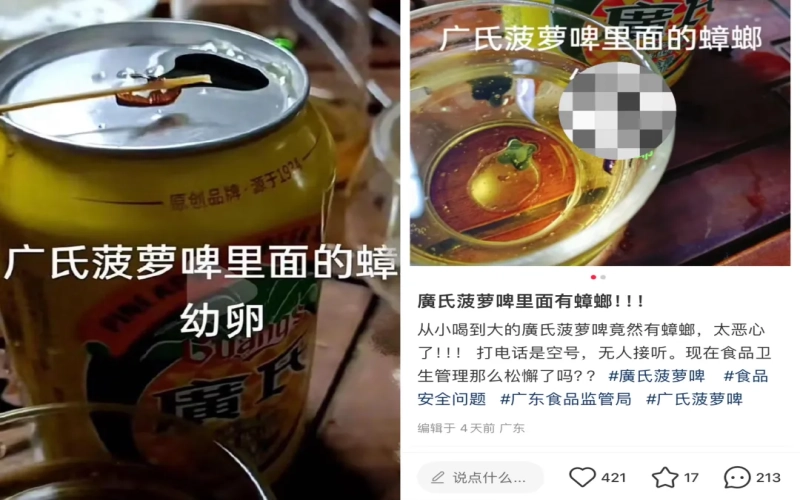
Cantonese pineapple beer reported to contain a cockroach, triggering a food safety trust crisis for a beloved heritage drink
Recently, a netizen posted online claiming to have found a cockroach in a can of Guangdong-style pineapple beer, an old domestic brand beverage purchased during the Mid-Autumn Festival, and the related photos quickly sparked widespread attention. The poster said that when pouring it out to drink that day, they noticed a foreign object resembling a cockroach larva at the can opening, and subsequently blurred the image as required by the platform. Many netizens in the comments expressed shock and even strong discomfort. Some netizens explained that the foreign object in the picture might be a cockroach egg capsule, possibly caused by cockroaches crawling in and laying eggs during storage. This Guangdong national drink, founded in 1934, carries the childhood memories of several generations, and this incident has deeply saddened many consumers. The manufacturer responded that the production process is strictly hygienic, the possibility of foreign objects is extremely low, and no complaint had been received through official channels. The truth of the incident remains to be verified, but food safety, as a bottom-line issue, has once again sounded the alarm of a trust crisis for an old brand. [more…]
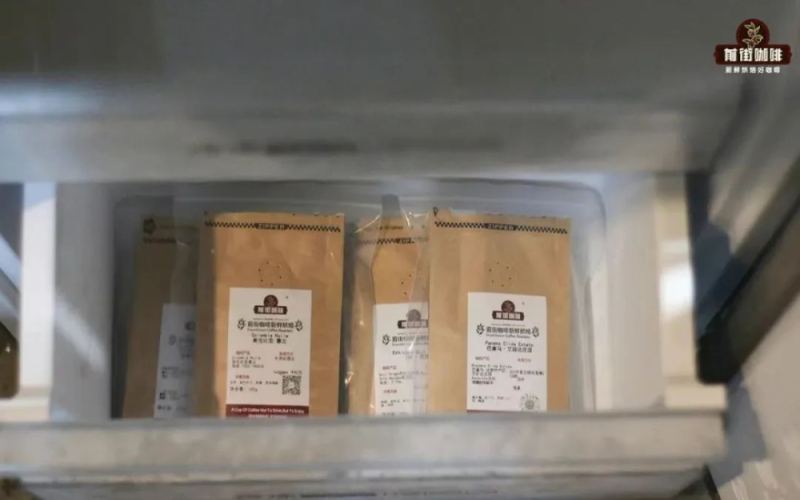
The Complete Guide to Coffee Bean Storage: Can Freezing in the Refrigerator Extend Freshness and Key Points for Moisture and Odor Prevention
Bought too many coffee beans and can't finish them for a while—can you just toss them in the fridge? Should they go in the refrigerator or the freezer? This article centers on the real goal of "freshness"—preserving aroma—and breaks down the five great enemies: strong light, high heat, moisture, oxygen, and odors, while offering practical home freshness-locking solutions. It also draws on the experimental conclusions of Swiss scientist SAMO SMRKE to explain that freezing can significantly slow down coffee bean degassing and delay the peak flavor period, but improper handling can also lead to air leakage, moisture absorption, and odor transfer. At the end, Front Street's detailed freezing and thawing tips are included to help you store your beans more reliably and enjoy better-tasting coffee. [more…]
Refrigerate or Freeze Coffee Beans? Key Storage Tips and Practical Methods for Storing Ground Coffee
After coffee is roasted, aromatic compounds continue to escape outward. If the amount purchased exceeds what can be consumed within its peak-flavor window, the flavor will suffer greatly. This article begins with conventional storage ideas such as sealing, protection from light, coolness, and dryness, then focuses on analyzing the recently popular method of freezing coffee beans: it can indeed slow the loss of aroma, but improper handling can backfire. The article unfolds around three key details—sealing to prevent odor transfer, condensation and moisture damage, and avoiding repeated removal and return—and offers practical advice on portioning for storage. Front Street also reminds everyone that coffee is ultimately best enjoyed fresh, and buying only what you need is the worry-free approach. [more…]
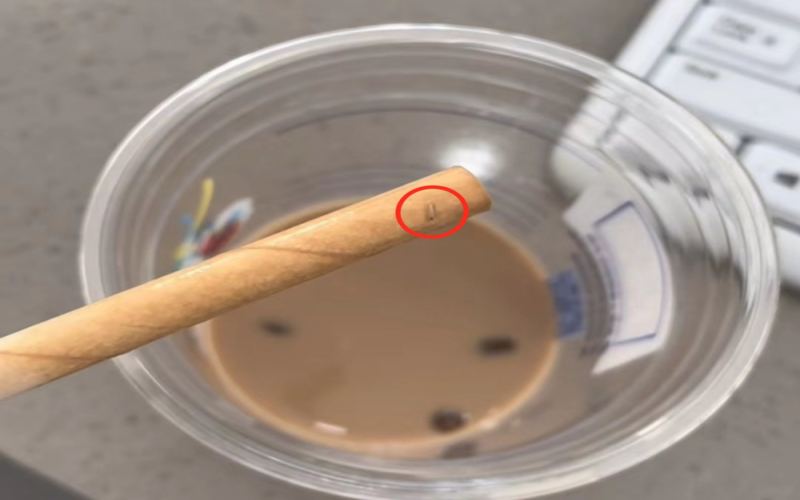
Live maggots found again in Luckin Coffee drink, customer rejects three-voucher compensation offer
Recently, a consumer exposed on social media that she found several still-wriggling live maggots in a meteorite-series drink she bought at Luckin, by which time she had already drunk more than half the cup. The store involved responded that surveillance showed no abnormalities in either operations or material storage, and proposed three drink coupons as compensation, but the customer explicitly refused. This is not the first time Luckin has been caught up in a storm over insect foreign objects; several similar incidents were exposed last year. As the incident continues to ferment, market regulators have stepped in, and the consumer has yet to receive any further official communication. Food safety has once again become an unavoidable core issue for the beverage industry. [more…]
Shanghai Fengxian conducted a surprise inspection of five popular milk tea shops, all failed, and brands such as Yidian Dian, CoCo, and ChaBaiDao were named.
A trending topic about food safety in milk tea shops has sparked widespread concern: The Market Supervision Administration of Fengxian District, Shanghai, conducted surprise inspections of several well-known milk tea stores in Baolong Plaza, and the results showed that all five brands—Yidian Dian, ChaBaiDao, 7FenTian, CoCo, and XiongJi—had problems, involving incomplete health certificates, chaotic raw material management, and unsanitary operating environments. The incident quickly surpassed 500 million views, with netizens exclaiming, "I dare not drink it anymore." At the same time, the article also reviewed food safety cases in recent years involving Burger King, 85°C, IKEA, and others, reminding the food and beverage industry that it must strictly abide by operating standards. [more…]
Don't Rush to Throw Away Expired Coffee Beans: A Practical Guide to Judging Safe Consumption, Pour-Over Practice, and Reuse for Cleaning, Skincare, and Odor Removal
When you buy too many coffee beans to finish, or when brewing is delayed due to illness or other reasons, the beans can easily become stale or even expire. Many people's first reaction is to simply throw them away, but that is actually very wasteful. This article examines whether stale and expired coffee beans can still be consumed, from the perspectives of both flavor changes and food safety, and compiles a set of practical reuse methods: from using them as practice beans for pour-over, siphon, and espresso, to wiping copperware, cleaning stovetops, and caring for skin, and even deodorizing ashtrays, ovens, and pet areas. The article also draws on Front Street Coffee's experience to provide reference criteria for judging the flavor window and storage conditions, helping you handle the "old beans" at home more rationally. [more…]
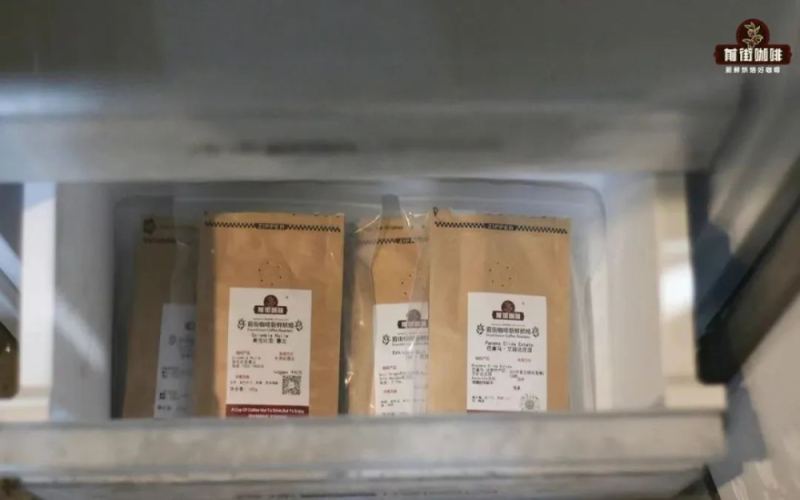
How to Balance Coffee Bean Shelf Life and Peak Flavor Window? A Full Guide to Proper Storage After Opening
Stockpiled a bunch of coffee beans but can't finish them? Should you refrigerate or freeze them? Which really matters more—the shelf life or the peak flavor window? Starting from a question a customer sent to Front Street, this article systematically sorts out the core logic of coffee bean preservation: first clarify what "freshness" actually is that we're after, then break down the strategies for dealing with the five great enemies—light, heat, moisture, oxygen, and odors—one by one, and finally provide practical steps and precautions for freezing, helping you find the freshness-locking solution that suits you best. [more…]
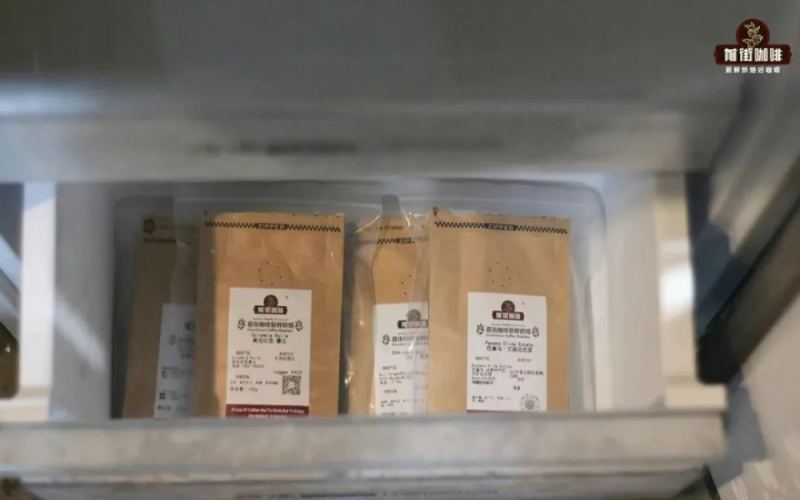
The Complete Guide to Coffee Bean Freshness: From Avoiding the Five Enemies to Proper Freezer Storage
Stockpiled a bunch of coffee beans but can't finish them? What should you do? Can they go in the fridge? Refrigerator or freezer? This article starts with the peak flavor period of coffee beans, introduces the five great enemies that affect freshness—strong light, high heat, moisture, oxygen, and odors—and then, combined with the research findings of Swiss scientists, answers in detail the feasibility, steps, and precautions of freezing coffee beans for storage. Front Street will also share the key points of daily storage after opening, as well as practical knowledge such as why it is not advisable to repeatedly refreeze after thawing, helping you develop a freshness-locking plan that suits you, so that every bag of beans can be enjoyed at its best. [more…]
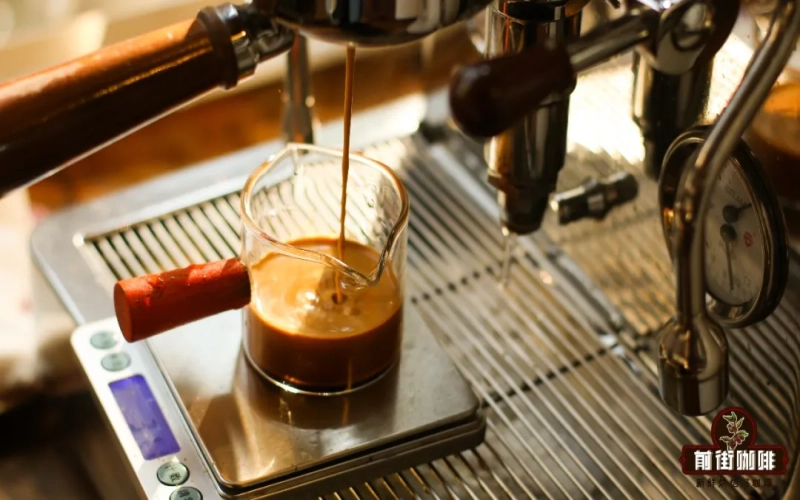
Can Overnight Refrigerated Espresso Still Be Drunk? A Taste Test of Flavor Differences Between Refrigeration and Freezing
If the brewed espresso isn't finished on the same day, can it be safely stored in the fridge or freezer overnight and still be enjoyed the next day? Beyond food safety concerns, what coffee lovers really care about is whether the flavor will take a serious hit. Front Street Coffee used the same espresso blend, storing espresso in the refrigerator and freezer overnight respectively, then comparing them with freshly brewed espresso—tasting each as straight espresso, Americano, and milk coffee—to see just what overnight coffee turns into, and how big the gap is between freezing and refrigerating. [more…]
Should You Freeze Coffee Beans? A Detailed Guide to the Three Key Practices: Sealing, Condensation, and Portioning
After roasting is complete, the aromatic compounds inside the coffee beans begin to dissipate continuously, so how to properly preserve them within their peak-flavor window has become a concern for many enthusiasts. Beyond the usual method of sealing and keeping them away from light at room temperature, frozen storage has drawn considerable attention in recent years. It can indeed slow the loss of aroma, but improper handling can instead cause the beans to absorb moisture or pick up off-flavors. This article will focus on the three core precautions for freezing coffee beans—sealing, condensation, and avoiding repeated removal—and offer some easier preservation suggestions to help you retain as much of the coffee's flavor as possible in your daily brewing. [more…]
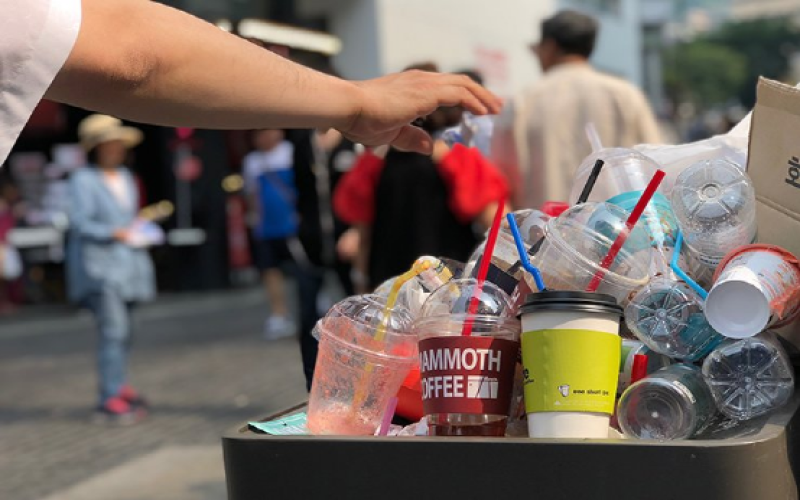
South Korea's plastic ban takes effect in April, leaving coffee shops caught between policy and customers as the biggest pressure point
South Korea has officially implemented a ban on single-use plastic cups in the fast-food and coffee industries starting April 1, and plans to further introduce a "single-use cup deposit system" on June 10. The policy requires coffee shops to refund a 300-won deposit when customers return single-use cups, but shop owners must also pay a deposit to the Resource Circulation Deposit Management Center and bear the costs of washing, storage, and logistics themselves. Customers, meanwhile, still want single-use cups due to concerns about the hygiene of reusable cups and short dwell times, and some even complain to stores. Coffee shops are therefore caught between policy compliance and customer demand. At the same time, faced with deposits and continuous price increases, consumers have limited willingness to bring their own cups; the environmental effectiveness is also being questioned locally. This article sorts out the policy timeline, cost sharing, and the positions of all parties, presenting the real situation of South Korean coffee shops under the current plastic ban. [more…]