







Search Results for: filter cloth storage
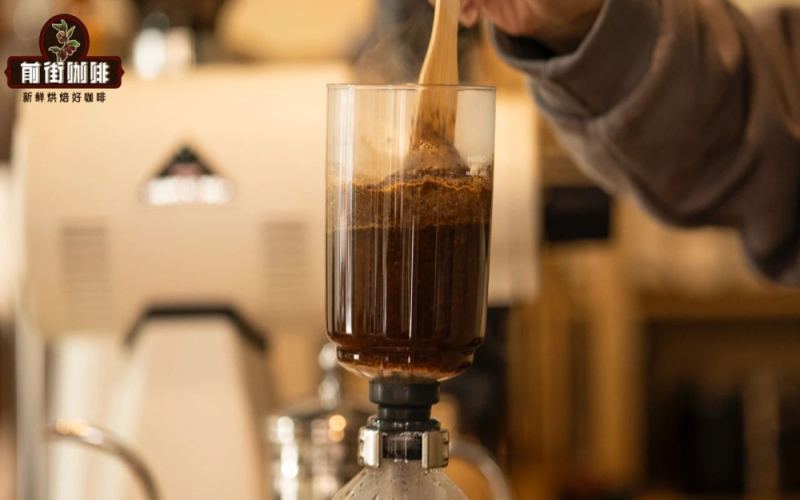
How should a siphon cloth filter be properly maintained? Is air-drying or storing it soaked more suitable?
The unique extraction method of the siphon pot fascinates many coffee lovers, but many people often overlook a key detail—the daily maintenance of the flannel filter cloth. If the filter cloth is not stored properly, it will not only shorten its service life but also affect the flavor performance of the next cup of coffee. Should the filter cloth be dried and stored, or soaked in water? What taboos are there when cleaning? This article will focus on the structure and extraction principle of the siphon pot, explain in detail the cleaning steps and storage methods of the flannel filter cloth after use, and help you consistently brew clean and delicious siphon coffee at home. [more…]
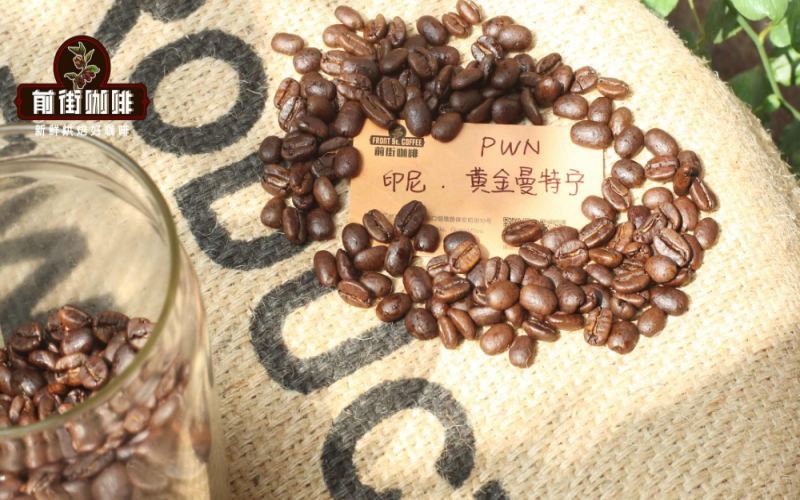
An In-Depth Analysis of Aged Mandheling: Wet-Hulling, Aged Bean Craftsmanship, and a Flannel Brewing Guide
Aged Mandheling is one of the most distinctive Indonesian coffees. It not only carries the unique wet-hulling tradition of Sumatra, but also undergoes a mellow transformation bestowed by time. This article will provide a complete overview of this coffee's story, from its growing region background, the origins and steps of the wet-hulled process, the storage logic of aged beans, the changes in green beans, and key roasting points, to the practical pour-over operation using a flannel filter cloth. Front Street Indonesian Aged Mandheling serves as an example throughout the article, helping coffee enthusiasts understand why Aged Mandheling is less wild and more composed, and how to present its best flavors through proper extraction methods. [more…]

How Is Aged Mandheling Coffee Processed? A Full Analysis of Wet-Hulling, Flavor Changes, and Differences from Golden Mandheling
Mandheling is the most iconic coffee of Sumatra, Indonesia, while aged Mandheling is a special product that undergoes long-term storage on top of the wet-hulling process. This article starts with the distribution of producing regions, then provides a detailed breakdown of the complete wet-hulling process and the climate and economic logic behind it, before explaining the principles of aged bean processing and the flavor transformation mechanism. The article also compares the differences between aged Mandheling and Golden Mandheling in terms of acidity, body, and texture, and includes the roasting curve for Front Street Aged Mandheling along with a step-by-step guide to flannel pour-over brewing. It is suitable for enthusiasts who want to gain a deeper understanding of Indonesian coffee processing methods. [more…]
How to Get Crema from Pour-Over Coffee? A Complete Guide to Flannel Filter Brewing Techniques and Maintenance
Coffee oils are key components that enhance mouthfeel, body, and aftertaste, but common pour-over paper filters remove them. If you want to retain the oils, you can switch to a flannel cloth filter, which has weaker filtration. This article explains in detail the characteristics of flannel cloth filters, the brewing method, the flavor differences compared with paper filters, and proper storage. It also uses a dark-roasted Golden Mandheling as an example, giving specific parameters such as coffee-to-water ratio, grind size, and water temperature, and shares Front Street Coffee's brewing experience. [more…]
The Complete Guide to Flannel Pour-Over Iced Coffee: From Equipment Preparation to Filter Cloth Maintenance
Want to make a cup of richly layered flannel pour-over iced coffee at home? The key lies in mastering the coffee grounds' coarseness, water temperature control, and pouring rhythm. This article breaks down the complete flannel pour-over process in detail, from the equipment list, coffee bean selection, and coffee-to-water ratio, to the unique technique of two rounds of blooming, and then to the cleaning and storage methods for the cloth filter, taking you step by step to unlock the ultimate flavor that only a flannel filter cloth can present. It also recommends Front Street Coffee's light-roast bean options to help you get started easily. [more…]
How to Choose a Pour-Over Coffee Filtration Method: A Full Analysis of the Taste Differences, Pros, and Cons of Paper Filters, Stainless Steel Filters, and Cloth Filters
People who buy their own beans, grind them, and brew pour-over coffee often face a choice when it comes to filtration: should they use disposable paper filters, reusable stainless steel mesh filters, or flannel cloth filters? Each of the three methods has its own adherents, and each directly affects the clarity, body, and aroma expression of the coffee in the cup. This article starts from material characteristics, ease of use, taste differences, and maintenance points, comparing the pros and cons of paper filters, metal mesh filters, and cloth filters one by one, and offers selection suggestions for different taste preferences. If you often drink Front Street Coffee's medium-to-dark roasted beans, or prefer light-roasted beans with floral and fruity notes, understanding these filtration details can help you adjust your brewing direction more accurately and find the cup of coffee that suits you better. [more…]
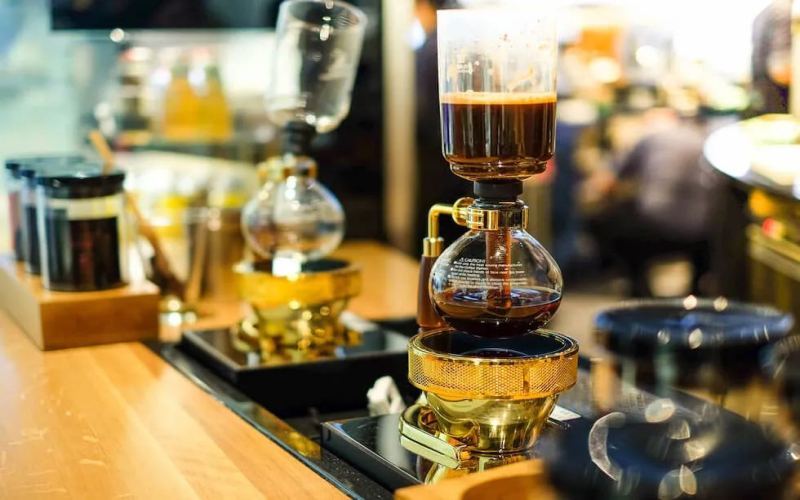
The Complete Guide to Siphon Coffee: From Construction and Principles to Brewing Parameters, Cloth Filter Maintenance, and Bean Selection
The siphon coffee maker, also known as the syphon, originated in Germany. It relies on heating the lower chamber to create pressure that pushes hot water up to the upper chamber to complete extraction. It is very popular in Japan and has gradually become popular in China. Its shape resembles chemical apparatus, often appearing in nostalgic films and TV shows, and it carries a mysterious aura. From the professional perspective of Front Street, this article systematically sorts out the upper chamber, lower chamber, and stand structure of the siphon, analyzes the pressure-difference extraction principle, introduces three heat sources—alcohol lamp, gas burner, and halogen lamp—as well as the trade-offs between flannel filter cloth and round filter paper. Then, taking Front Street Brazil Queen Estate beans roasted in-house as an example, it provides parameters such as a water temperature of 88°C, 18 grams of coffee powder, and a 1:10 coffee-to-water ratio, along with a six-step operating process, and explains filter cloth cleaning and storage as well as suitable coffee bean types. [more…]
The Complete Guide to Specialty Coffee Brewing: An Analysis of Common Methods Including Paper Filter, Cloth Filter, Siphon, and Steam Pressure
To brew a great cup of coffee at home, choosing the right method matters more than buying expensive equipment. This article systematically sorts through several common brewing methods—paper filter drip, flannel filter, steam pressure, siphon, cold drip, and iced coffee—explaining one by one their key operating points, grind size, and flavor characteristics. The content covers key details such as equipment selection, coffee-to-water ratio, water temperature control, and pouring technique, making it suitable for coffee enthusiasts who want to advance their skills. Whether you prefer a clean, bright cup or a rich, full-bodied one, you'll find a corresponding brewing approach here. [more…]
Beginner's Guide to Pour-Over Coffee: Seven Classic Brewing Methods Explained with Tasting Tips
The charm of coffee lies not only in its flavor, but also in the focus and sense of ritual during the brewing process. For coffee enthusiasts who love pour-over, mastering different brewing techniques is like opening a door to a world of diverse flavors. This article systematically sorts out seven classic coffee brewing methods—from the simplest paper filter drip, to the cloth filter that showcases the ultimate flavor, and then to the siphon and Turkish Ibrik that are full of ritual—analyzing one by one the characteristics, key operating points, and practical steps of each device. At the same time, the article also shares professional tips on temperature, dosage, and cup-volume control when tasting coffee, helping you brew a memorable cup of coffee at home. Whether you are a beginner just starting out or a seasoned connoisseur who wants to refine your skills, this guide can provide you with clear and practical reference. [more…]

Pour-Over Coffee Beginner's Guide | How Should Coffee Newbies Choose Coffee Filters? How Do You Use Coffee Filters? What Types of Coffee Filters Are There?
For professional coffee knowledge exchange and more coffee bean information, please follow FrontStreet Coffee. How to choose coffee filter paper? How to use coffee filter paper? What types of coffee filter paper are there? Many enthusiasts buy their own coffee beans, use a grinder, and purchase equipment to brew coffee, all [more…]
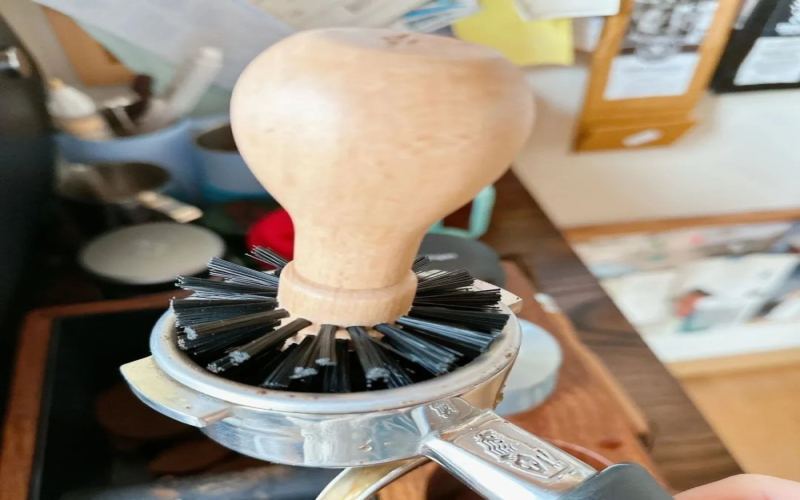
How many tools does a good cup of coffee really require? A closer look at the coffee accessories that tend to sit idle
As the saying goes, "To do a good job, one must first sharpen one's tools." Many coffee enthusiasts, when scrolling online and coming across various functional coffee gadgets, are often drawn in by their good looks and labels like "must-have神器" and "extraction aid," and can't resist adding them to their shopping carts. But after buying them and bringing them home, they discover that most of these things end up as "beautiful junk." To make a delicious cup of coffee, how many tools do you actually need? Does having more complete equipment and more professional gear make coffee taste better? This article reviews eight types of auxiliary tools—portafilter basket cleaning brushes, automatic portafilter cleaners, portafilter basket storage racks, portafilter basket tamping aids, portafilter scale stands, automatic drip bag brewing machines, small stainless steel bean hoppers, and filter paper presses—analyzing their practicality and their uselessness one by one, to help you avoid unnecessary expenses. [more…]
What's the Difference Between Paper Filters and Flannel for Brewing Coffee? A Comprehensive Analysis from Oil Retention to Practical Differences
The filter material used in pour-over coffee directly determines the flavor expression in the cup. Paper filters deliver a clean mouthfeel, while flannel retains coffee oils, making body and smoothness more prominent. Starting from a conversation between Front Street and a customer, this article compares in detail the differences between the paper drip method and the flannel drip method in terms of filtration effect, historical origins, brewing techniques, suitable roast levels, and storage and maintenance. Although flannel still has devoted users in regions such as Japan, its limitations for light-roast coffee, learning curve, and hygiene issues cannot be overlooked. If you are struggling to choose which filter material to use, or want to understand the key points of flannel brewing, this article will provide a complete reference. [more…]
How to Choose the Filter Material for Pour-Over Coffee? A Complete Comparison of the Pros and Cons of Paper Filters, Metal Filters, and Cloth Filters
In the world of pour-over coffee, the choice of filter material is often underestimated, yet it directly determines the direction of the flavor in the cup. Paper filters, metal filters, and cloth filters each have their adherents, and they differ vastly in how much they intercept oils, fine particles, and flavor compounds. This article begins with the century-old origins of the coffee paper filter, then breaks down one by one the structural principles, operational experience, and pros and cons of the three filtration methods, along with a comparison of mainstream filters such as KONO, HARIO, and CHEMEX, as well as practical advice from Front Street Coffee for everyday brewing. Whether you prefer a clean, bright sense of layering or pursue a thick, full-bodied original flavor, you can find the filtration solution that suits you in this article. [more…]
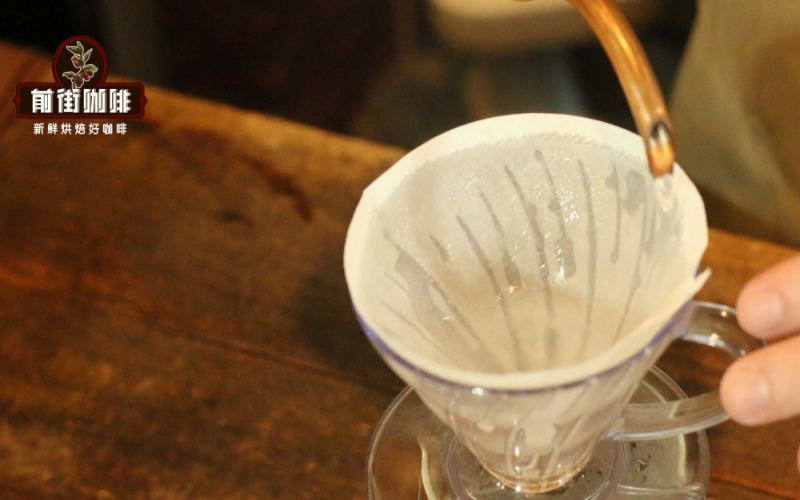
How to Choose and Use Coffee Filters? A Complete Guide to Bleached vs. Unbleached, Cone Filter Parameters, and Three Brewing Methods
Brewing coffee at home—paper filters, metal filters, or cloth filters: how exactly should you choose? This article starts with the difference between bleached and unbleached paper filters, explains why you should rinse your paper filter, and lists the weight and feel of several common cone-shaped paper filters for reference. It also compares metal filters, flannel cloth filters, and drip coffee bags by their pros and cons. Whether you're after a clean, crisp cup or want to keep more of the coffee oils and original flavors, you'll find the right filtration solution for you here, and avoid detours when shopping. [more…]
From Cold Brew to Siphon and Circulating Filtration: A Detailed Guide to Ten Pour-Over and Brewing Techniques for Single-Origin Coffee
To consistently replicate a clean-flavored single-origin coffee at home, the key lies in understanding the extraction logic behind different brewing methods. This article explores ten common brewing methods, focusing on the key points of cold water slow extraction, steam pressure, and automatic brewing with electric kettles, and also supplements the circulation extraction principle of the filter circulation coffee maker. The content covers equipment preparation, grind size, water temperature and time control, as well as ways to avoid common mistakes. The article also incorporates Front Street Coffee's products and ideas to help coffee enthusiasts choose the right solution based on their equipment and taste, so they can brew a rich and well-layered cup whether on a busy morning or a leisurely weekend. [more…]
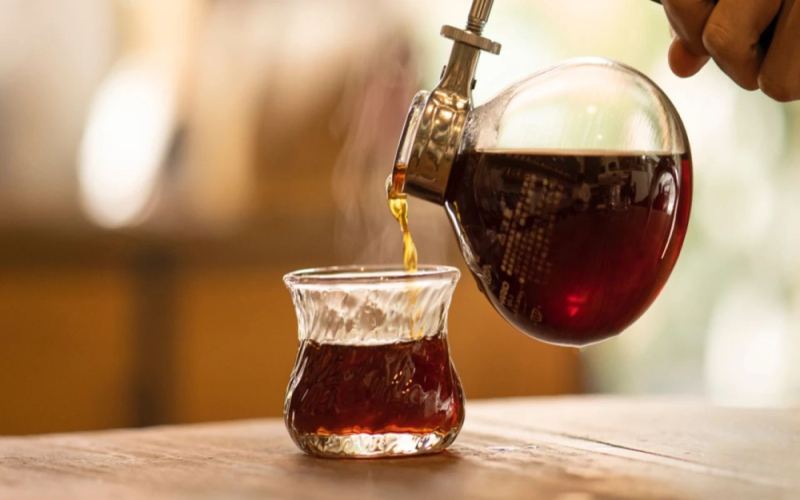
Siphon vs. Pour-Over Coffee: How Extraction Principles and Filtration Methods Affect Flavor and Taste
Siphon coffee and pour-over coffee are both classic methods for brewing single-origin coffee, yet they deliver strikingly different results in body and flavor. Pour-over is known for its clean, bright, and well-layered cup, while the siphon excels in rich, full-bodied depth and intense aroma. The root of this difference lies in the combined effect of the extraction method and the filtration system: the siphon uses a constant-temperature immersion extraction, combined with a flannel cloth filter that retains oils and fine particles, resulting in a heavier, more substantial brew; pour-over, on the other hand, relies on a drip method with a continuous supply of fresh hot water and uses high-density paper filters to trap impurities, producing an exceptionally clean cup. This article will analyze in depth, from the two dimensions of extraction principle and filtration method, why these two brewing methods bring such different taste experiences, and will include Front Street Coffee's bean selection recommendations to help coffee enthusiasts better understand and choose the brewing method that suits them. [more…]
The Complete Guide to Making Cold Brew Coffee at Home: Steeping Time, Grind Size and Coffee-to-Water Ratio, Filtering and Storage, and Bean Recommendations
On a scorching summer day, a glass of refreshing cold brew coffee always perks you up. But many coffee lovers find that when they make it at home, even if they follow the shop's parameters exactly, the result is always disappointing. Where exactly is the problem? Drawing on Front Street Coffee's practical experience, this article systematically sorts out six key steps in cold brew coffee making: the steeping time should be controlled at 8 to 18 hours, avoiding too short or too long; the coffee beans should not be too fresh, ideally rested for more than 10 days; stir thoroughly both before and after extraction to ensure even extraction; filter thoroughly to achieve a clear taste; as for bean selection, light-roasted Yirgacheffe, Kenya, and Costa Rica beans are all excellent choices. In addition, it also introduces cold brew storage methods and suggestions for adding milk and mixing drinks, helping you easily make a cup of summer iced coffee with full aroma and balanced acidity. [more…]
A Beginner's Guide to Home Pour-Over Coffee: Equipment Selection, Key Techniques, and Front Street Coffee's Everyday Bean Recommendations
To brew a clean, well-layered pour-over coffee at home, you don't actually need complicated equipment, but every step affects the final taste. From grinders, digital scales, and drippers to filter papers, gooseneck kettles, and thermometers, this article walks through the pour-over gear suitable for home use in the order of the brewing process, and gives specific brand models and reference prices. At the same time, for everyday drinking needs, it recommends a number of single-origin beans with distinct styles from the Front Street Coffee daily drinking series, covering different flavor directions such as rich and full-bodied, floral, nutty, and chocolatey, making it easy for coffee lovers to choose according to personal preference. [more…]
What coffee is a siphon brewer suitable for? Extraction and filtration differences determine the taste and flavor.
The siphon coffee maker, with its experiment-like brewing process, has become the tool of choice for many coffee enthusiasts just starting out. However, to brew a good cup of coffee with a siphon, mastering the operating techniques is only part of the story—choosing the right coffee beans is equally crucial. What kind of coffee is the siphon suitable for brewing? How exactly does it differ from the pour-over coffee commonly seen in cafés in terms of extraction method and filtration method? And how do these differences affect the final taste and flavor? In this article, Front Street Coffee will analyze the two aspects of extraction method and filtration system, guiding you to understand the reasons behind siphon coffee's rich, full-bodied, and intensely aromatic character, while comparing it with pour-over coffee's clean, bright, and well-layered traits, helping you better understand both brewing methods and find the cup that suits you. [more…]

Starbucks Latest Drink Prices Overview: Espresso, Frappuccino, and Iced Shaken Tea Series, with Frappuccino Zongzi Gift Box Prices Included
In the past two years, many consumers have noticed that Starbucks' beverage prices have increased. Behind this are both the inflation triggered by the pandemic, which has driven up labor and transportation costs, and the unfavorable climate in Brazil, the main source of Starbucks coffee beans, which has reduced coffee bean production and consequently pushed up futures prices. This article compiles the latest price information for Starbucks espresso, Frappuccino, iced shaken tea, cold brew iced coffee, and the Ice Zongzi gift box for coffee enthusiasts' reference. At the same time, for Starbucks fans who love whiskey barrel-treated coffee beans, the article also introduces how to make the same cold brew coffee at home and recommends Front Street Coffee's Sherry coffee beans, making it convenient for everyone to recreate that unforgettable whiskey aroma flavor at any time. [more…]