







Search Results for: examples
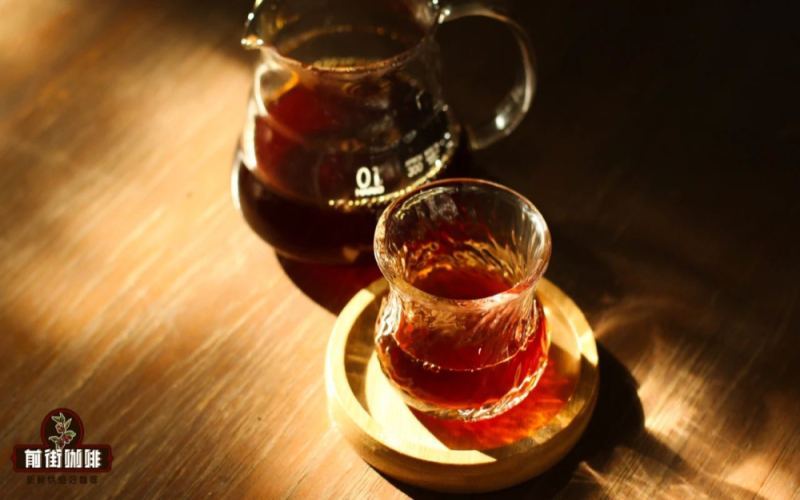
Using Blue Mountain No. 1 as an example, master the five key steps and descriptive techniques for coffee tasting
Friends who are just getting into coffee often feel that tasting is some mysterious art, not knowing where to start, and unable to come up with more than a few decent descriptors. In fact, there is a universal method for tasting coffee that anyone can follow: simply perceive it in a fixed order, and you can judge the quality of a cup and turn the experience into precise language. This article uses Front Street Jamaican Blue Mountain No. 1 coffee beans as an example, breaking things down one by one across five dimensions—aroma, taste, flavor, mouthfeel, and aftertaste—to help you build a complete tasting framework and gradually become a tasting expert who can describe coffee articulately. [more…]
A Complete Analysis of Coffee Bean Naming Logic: From Yirgacheffe to Mandheling, Understanding the Meaning Behind Bean Names
Faced with a dazzling array of coffee bean names—Geisha, Huakui, Guodingding, Cherry Tomato... those new to specialty coffee are often bewildered. Some of these names come from the place of origin, some from the variety, and others carry special meanings. This article systematically sorts out the naming logic of coffee beans, from the early practice of naming by place of origin to today's evolution of "region + micro-region/producer/variety/trade name," combining specific examples from Front Street Coffee's bean list to help readers understand the information behind each bean's name. The article also specifically explains the meaning of Yirgacheffe and the origin of the name Mandheling, so that coffee lovers will no longer be confused when making purchases. [more…]
Coffee Bean Names and Their Meanings | How Are Green Coffee Beans Named? Which Coffee-Producing Regions Do Yirgacheffe, Bourbon, Geisha, and Mandheling Come From?
Years ago, coffees were named quite simply, mostly just after the region where the producer was located. For example, coffee from Yirgacheffe was called Yirgacheffe coffee, coffee from Honduras was called Honduras coffee, coffee from Brazil was called Brazil coffee... But [more…]

SCA Specialty Coffee Flavor Wheel User Guide: How to Interpret It Correctly and Download High-Resolution Images
The coffee flavor wheel is an important tool for coffee enthusiasts and professionals in sensory training, but the prerequisite is that one must correctly master its method of use. The most commonly used version at present is the one released by the SCAA in 2016, and many coffee training institutions use it as sensory teaching material. Front Street uses this flavor wheel as a blueprint and introduces how to understand and digest it from four aspects: do not blindly follow the flavor wheel, seek flavor relationships from the three-ring structure, use colors for association, and observe the density details among categories. Although understanding the flavor wheel cannot make you immediately taste all flavors, it can help you systematically sort out the connections among various flavors in coffee, and then by tasting more in correspondence with the flavor wheel, gradually step into the door of coffee flavor sensory perception. [more…]

Four Methods for Adjusting Pour-Over Coffee Flow Rate: Pulse Pouring, Water Flow Control, Changing Filters and Drippers, and a Front Street Brewing Example
In the extraction process of pour-over coffee, grind size is often regarded as the primary means of adjusting flow rate, but in reality there are several other operational methods that can change the speed at which coffee liquid drips through. Front Street Coffee will share four practical methods: staged pouring, controlling water flow rate, changing the filter paper, and changing the dripper, and will explain in detail how the designs of different drippers affect flow rate. The article also combines Front Street Granja Geisha and PWN Golden Mandheling beans to provide specific brewing parameters for the V60 and Kono drippers, helping coffee enthusiasts flexibly adjust extraction time while keeping other variables fixed, so as to achieve the ideal flavor. [more…]
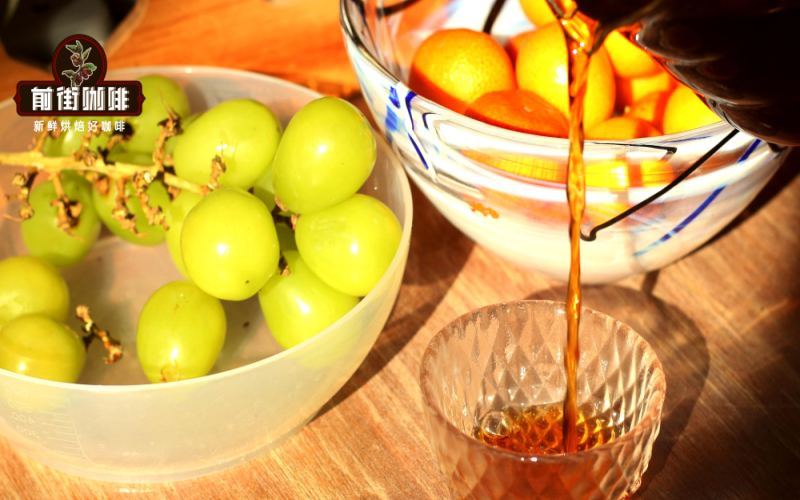
Introduction to Coffee Sensory Tasting | How Beginners Can Train Their Sense of Smell and Taste to Accurately Describe Coffee Flavors
People new to specialty coffee are often puzzled: why can others taste citrus, jasmine, oolong tea? Can a cup of coffee really have so many flavors? In fact, the key to identifying coffee flavors lies not in the taste buds, but in the sense of smell. This article will take you from the principles of sensory perception to understand how the taste buds and orthonasal and retronasal olfaction work together, introduce tasting dimensions such as aroma, sweetness, acidity, mouthfeel, flavor, aftertaste, and balance, and offer sensory-training methods that beginners can put into practice—building a flavor memory bank, making good use of the coffee flavor wheel, exercising associative thinking, accumulating through more exchanges, and paying attention to diet and upkeep. The article also combines examples from Front Street Coffee to help you build your own sensory system step by step. [more…]
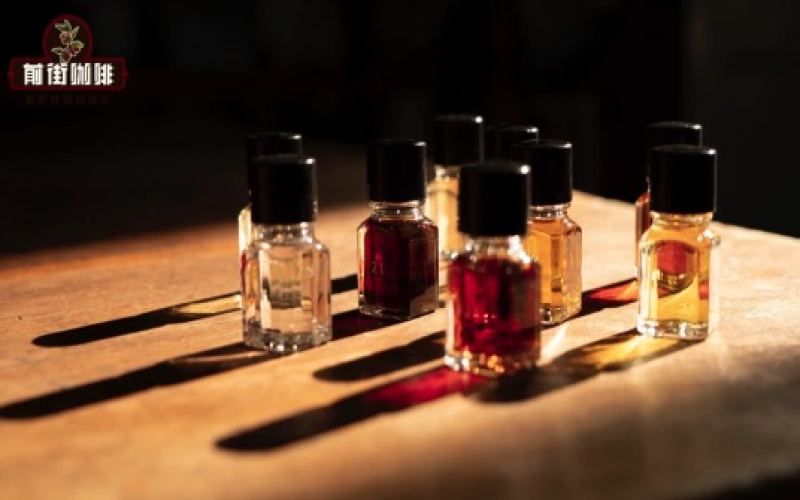
SCA Specially coffee flavor wheel | Understanding the flavor wheel is the first step in learning the flavors of coffee.
As an authoritative coffee flavor guide map, as long as it is used properly, the new partners who join can quickly categorize the flavors presented by the coffee, and after learning it, combined with practice, mastering the coffee flavor is simply a [more…]

How do you make iced pour-over with dark roast beans in the hot summer? A complete brewing tutorial using Golden Mandheling as an example.
The scorching summer heat makes people want to ice everything, and even customers who normally only drink hot coffee can't resist ordering an iced pour-over to cool down. However, making iced pour-over with dark-roasted beans is not quite the same as with light-roasted beans—water temperature, coffee-to-water ratio, and the amount of ice all need to be readjusted, otherwise it's easy to end up with a cup that's both bitter and weak. This article uses Front Street Coffee's Golden Mandheling as an example to break down in detail the complete process of making iced pour-over with dark-roasted coffee beans, explaining everything from grind size and water temperature to pouring rhythm, helping you reliably recreate a cup of cool, rich iced pour-over coffee this summer. [more…]
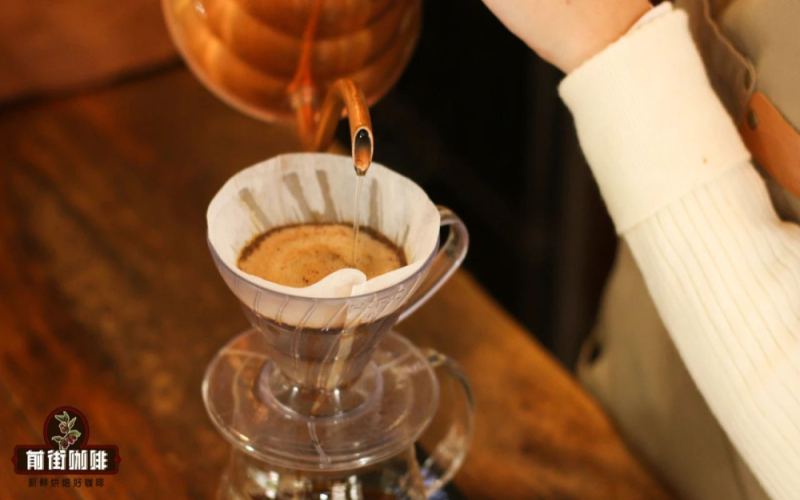
How Should You Set the Pour Amount and Coffee-to-Water Ratio for Pour-Over Coffee? A Look at Extraction Parameters Through the Example of Front Street Mandheling
Pour-over coffee emphasizes precision and ritual; from the grams of coffee grounds, water temperature, to the amount of water poured, every step affects the final flavor. The amount of water poured depends on the dose of grounds and the coffee-to-water ratio. Front Street habitually uses 15g of grounds with a 1:15 ratio, meaning 225ml of water is poured. The coffee-to-water ratio is not absolute: those who prefer a bold cup favor 1:10 to 1:13, while those who prefer a lighter cup commonly use 1:16 to 1:17. This article also uses Front Street Mandheling as an example, demonstrating in detail from parameters to technique how to brew a rich, full-bodied cup at home, so you can understand the balance between the amount of water poured, extraction yield, and concentration. [more…]
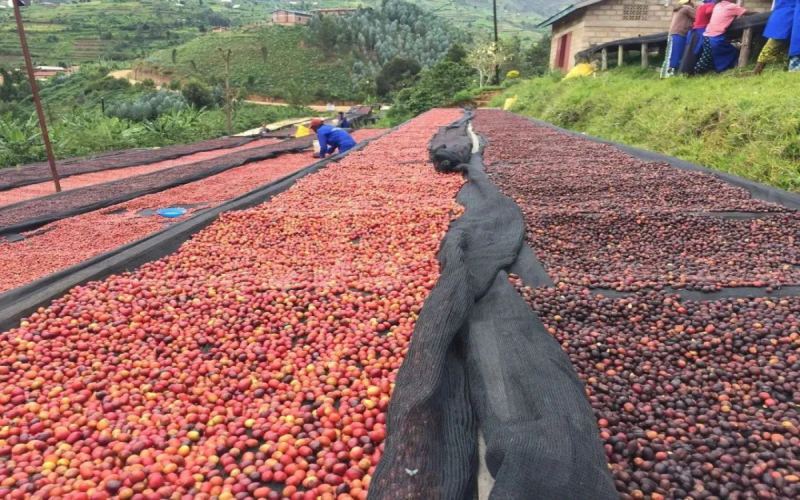
Where Does the Fruity Flavor of Ethiopian Coffee Come From? An Analysis Using Washed Yirgacheffe Beans as an Example
Ethiopian coffee is renowned for its rich floral and fruity aromas and bright fruit acidity, which stands in stark contrast to the bold, mellow profile people traditionally associate with coffee, making it the gateway choice for many enthusiasts entering the world of specialty coffee. So where exactly do the fruity flavors in Ethiopian coffee come from? This article will analyze the question from three angles—terroir, processing methods, and cultivation models—and use a washed Yirgacheffe bean as an example to illustrate how light roasting and pour-over brewing bring out jasmine, citrus, and berry notes. [more…]
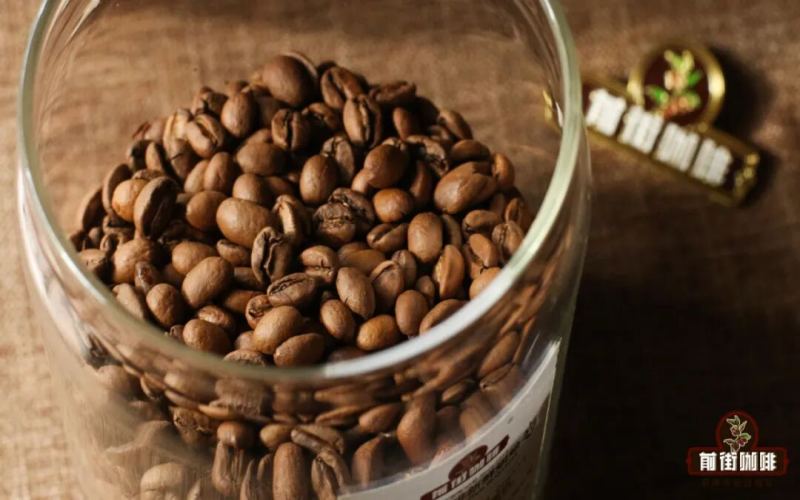
Coffee Knowledge | How to Quickly Identify Coffee Bean Roast Levels? Introduction to Grind Size and Brewing Water Temperature Parameters for Medium-Light and Medium-Dark Roasted Coffee
As everyone knows, Front Street Coffee mainly sells beans and has shops on both Taobao and Tmall, so friends who can't make it to the store often place orders online. Then some friends noticed that the labels on Front Street Coffee's beans don't indicate the roast level of the coffee beans, so they reported that after receiving them, they didn't know how to identify [more…]
Three-Stage Analysis of Specialty Arabica Coffee Roasting: Flavor Differences and Brewing Examples for Light, Medium, and Dark Roasts
How does the roast level shape the flavor of a cup of specialty Arabica coffee? Light roasts bring bright fruit acidity and floral notes, medium roasts pursue a balance of sweetness and acidity with nutty and chocolate tones, while dark roasts present a rich, full body with caramel and woody finish. Front Street Coffee believes that judging by roast color alone is not the key; origin, variety, altitude, and a dedicated roast profile are equally important. This article systematically sorts out the characteristics, temperature milestones, and naming conventions of the three roasting stages, and combines hand-brew examples of three beans—Front Street Yirgacheffe, Brazil Queen Estate, and Indonesian Golden Mandheling—to show the correspondence between flavor and brewing parameters under different roast levels, helping coffee lovers build a clear framework for understanding roasting and flavor. [more…]
Coffee Roast Levels | How Can Coffee Beginners Quickly Distinguish the Roast Level of Coffee Beans? How Are Coffee Bean Roast Levels Defined?
As is well known, Front Street primarily sells coffee beans and has shops on both Taobao and Tmall, so friends who can't make it to the physical store often place orders online. Some of them then noticed that Front Street's bean labels don't indicate the roast level of the coffee beans, and they reported that once they receive the beans, they don't know how to identify [more…]
How Should You Set the Coffee-to-Water Ratio and Extraction Time for Pour-Over? Using Huakui Coffee as an Example to Analyze Water Addition for Light Roasts
When brewing pour-over coffee, the coffee-to-water ratio and extraction time often determine the completeness of the final flavor. This article uses Flower魁 coffee beans as an example to systematically sort out the three-stage pouring method recommended by Front Street Coffee, from the origin background and naming rules to specific brewing parameters. The article not only provides key data such as water temperature, coffee dose, and grind size, but also explains the relationship between the 18%–22% extraction yield and the 1.15%–1.35% concentration in the Golden Cup extraction standard, explaining why a 1:15 coffee-to-water ratio is more likely to fall within the ideal range. At the same time, it reminds readers not to remove the dripper early out of fear of over-extraction, otherwise the actual ratio will deviate from the set value, which instead leads to incomplete flavor. [more…]

Interpreting the Ten Major Categories of the Coffee Flavor Wheel: A Tasting Guide and Descriptive Methods from Fruit to Floral
When drinking coffee, have you ever felt that the taste is familiar yet hard to put into words? The coffee flavor wheel is exactly the tool that helps us transform vague perceptions into precise descriptions. This article systematically analyzes the ten major categories in the Coffee Taster's Flavor Wheel developed by SCAA and created by Counter Culture Coffee, covering fruity, chocolate, sweet, nutty, grain, roasted, spice, aroma, vegetal, and floral. It also combines examples from several Front Street Coffee beans to explain how different producing regions and roast levels shape flavor expression. At the same time, it shares tasting methods and brewing suggestions to take you from hot to cold, from acidity to sweetness, and gradually build your own coffee taste memory. [more…]
How to determine the coffee-to-water ratio for pour-over? A detailed explanation of water volume and brewing parameters using Mandheling as an example
The ritual of pour-over coffee is often reflected in the precise control of grams, water temperature, and the amount of water poured. The amount of water poured not only affects the concentration of the coffee liquid but is also directly related to whether the flavor compounds are extracted properly. The SCA points out that water-soluble substances in coffee account for about 30%, and an extraction yield of 18% to 22% is generally considered to be the tastiest range. Front Street Coffee habitually uses 15 grams of coffee grounds with 225 milliliters of water, that is, a 1:15 coffee-to-water ratio, brewing light-roast coffee at a concentration of about 1.35% to 1.42%. Of course, the coffee-to-water ratio is not set in stone. Lovers of strong coffee may prefer 1:10 to 1:13, while those who prefer a lighter taste may choose 1:16 or 1:17. This article takes Front Street Mandheling as an example and, from parameters to technique, provides a complete demonstration of how to brew a rich, full-bodied Mandheling at home. [more…]
Which type of coffee grounds is more suitable for a French press? A detailed explanation of brewing parameters and steps using Mandheling as an example.
The French press, with its full-immersion extraction and metal filter structure, can produce coffee with richer oils and a fuller body. But to brew a good pot of French press coffee, variables such as the choice and grind of the coffee grounds, water temperature, coffee-to-water ratio, and steeping time are all crucial. This article will start with the types of coffee beans suitable for the French press, and using medium-dark roasted Mandheling as an example, break down grind size, coffee-to-water ratio, water temperature control, steeping duration, and the complete brewing process one by one, helping coffee lovers find a stable and satisfying French press brewing method. [more…]
Coffee Sensory Tasting | How Can Coffee Novices Learn to Describe Coffee Flavors from Different Angles? How to Properly Develop Coffee Flavor Tasting Skills?
"This coffee has a rich fruity profile, with notes of citrus, lemon, oolong tea, and jasmine!!!" For someone who has just been introduced to specialty coffee, this might sound unbelievable—how can you taste so many flavors in one cup of coffee! (Are they just making it up?) In this installment of Barista Growth Diary, we'll share a little [more…]
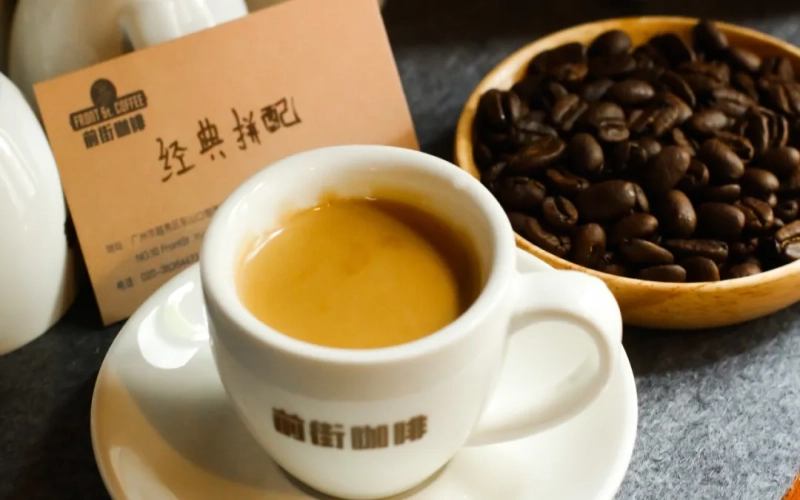
How to choose single-origin beans for SOE espresso? Are medium-light roasts like Geisha, Huakui, and Sidra suitable for Americano and latte?
In recent years, making SOE espresso with single-origin coffee beans has become increasingly popular, but not all single-origin beans are suitable. Starting from the definition of SOE, this article explains that as long as it meets the "single-origin" condition, it can be called SOE, and further shares two requirements for coffee beans when making SOE: the roast should not be too dark, and the flavor needs to be sufficiently prominent. It then recommends suitable beans by style category, covering clean and fresh washed beans, fruit-rich natural and honey-processed beans, and anaerobic-processed beans with prominent flavors, with specific Front Street Coffee products as examples. The article also addresses the issue of low acidity and milk compatibility when making lattes with medium-light roasted beans, offering extraction adjustment suggestions to help coffee enthusiasts make delicious SOE Americanos and lattes at home. [more…]
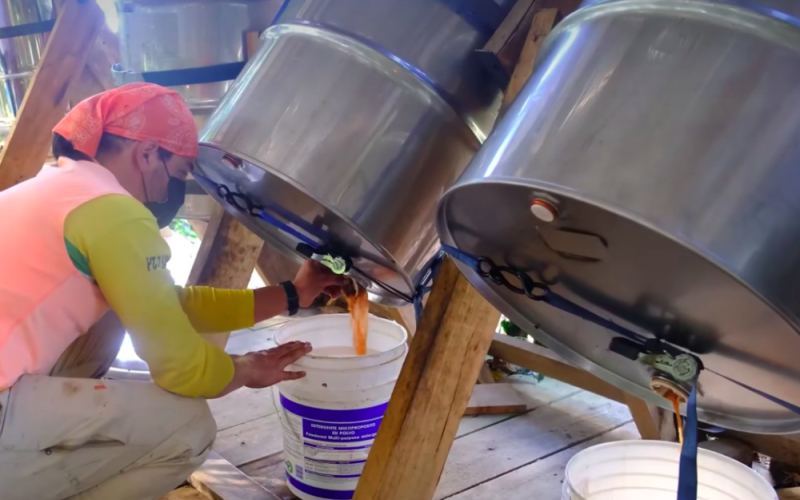
Why Are Coffee Processing Methods Becoming Increasingly Diverse? The Evolutionary Logic from Origin Adaptation to Flavor Exploration
Nowadays, the names of coffee processing methods are becoming more and more varied, from anaerobic natural to low-temperature slow anaerobic washed, from black honey and red honey to enzyme washed, making one dazzled. Behind this complexity, there are actually two main threads: the birth of early processing methods was the result of the producing region's environment forcing it—for example, Indonesia's humid and rainy climate gave rise to washed and wet-hulled methods; while the evolution of contemporary processing methods stems from the consumer market's dual pursuit of flavor expression and traceability information. This article will sort out the evolution from natural, washed to honey processing and anaerobic fermentation, analyze how different processing techniques affect coffee flavor, and reveal the deeper reasons behind the increasingly refined naming of processing methods. [more…]