







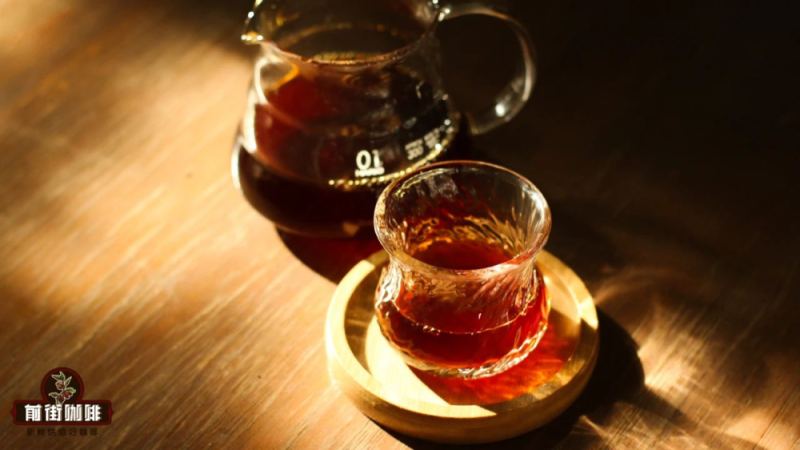
Friends who are just getting into coffee often feel that tasting is some kind of mysticism, not knowing where to start, and unable to come up with a few decent descriptors. In fact, there is a universal method to follow when tasting coffee—as long as you sense it in a fixed order, you can judge the quality of a cup of coffee and turn the experience into accurate language. This article uses Front Street Jamaica Blue Mountain No. 1 coffee beans as an example, breaking it down one by one across five dimensions—aroma, taste, flavor, mouthfeel, and aftertaste—to help you build a complete tasting framework and gradually become a tasting expert who can describe coffee eloquently.
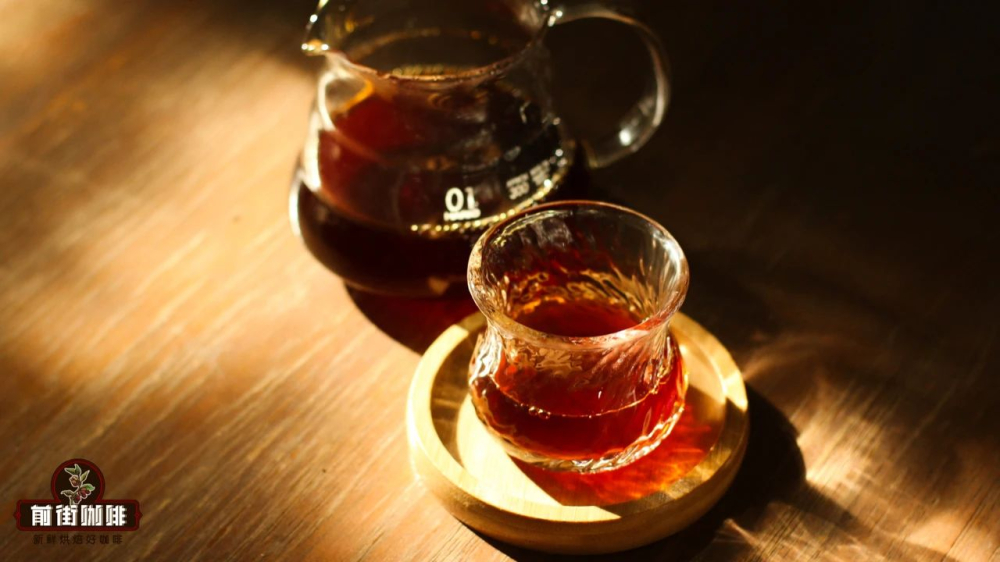
Many friends who are just starting out often don't know how to taste a cup of coffee, and can't even come up with a few decent descriptors.
Actually, tasting is both hard and easy. There is a universal framework, and as long as you follow it, you can judge the quality of a cup of coffee. At the same time, by turning the sensations during tasting into words or language, you can describe a cup of coffee clearly and methodically.
Below, using Front Street Jamaica Blue Mountain No. 1 coffee beans as an example, let's talk about the five steps of coffee tasting, hoping to help everyone become a master of coffee tasting and description more quickly.
Where is the high quality of Front Street Blue Mountain No. 1 coffee beans reflected? Blue Mountain No. 1 is the highest grade of Jamaican Blue Mountain coffee. Through professional and meticulous processing, extremely high-quality Blue Mountain beans are produced, making it a national treasure-level product of Jamaica.
Before export, Blue Mountain green beans are sent for testing, and the coffee beans produced in Blue Mountain are graded according to various standards. CIB is the earliest institution to use a scientific and objective method to evaluate coffee quality grades, combining green bean size, color, uniformity, defect rate, moisture content, and cupping performance to determine the grade. Blue Mountain coffee is divided into four grades: Blue Mountain No. 1, Blue Mountain No. 2, Blue Mountain No. 3, and Blue Mountain Peaberry. Blue Mountain No. 1 is the highest tier among them.
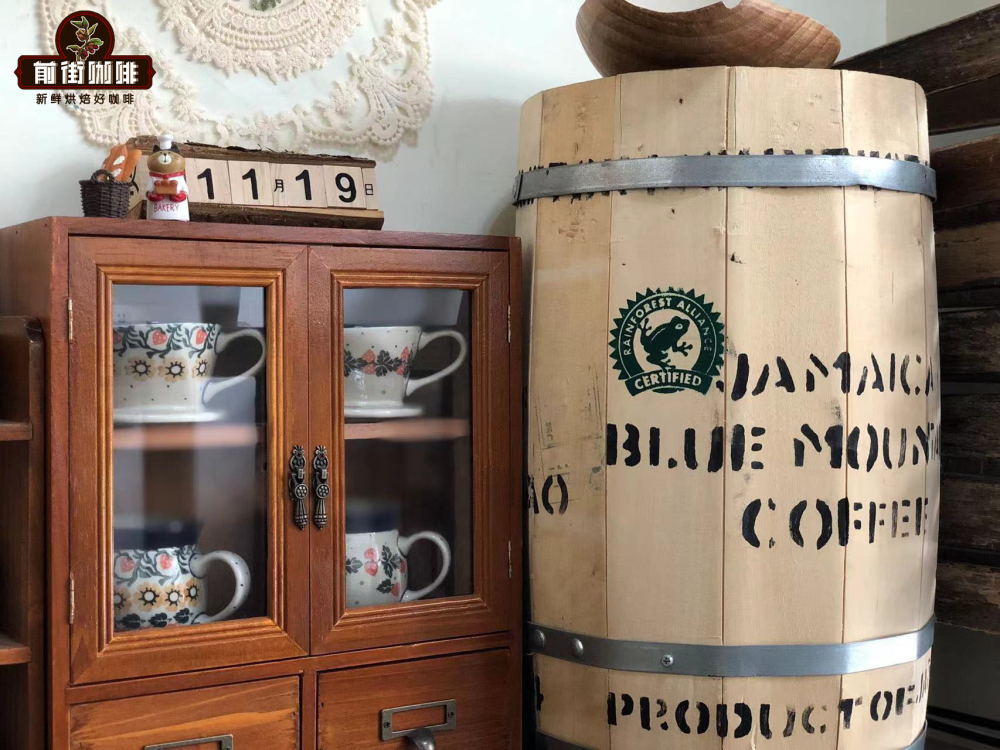
Top-grade Blue Mountain No. 1 green beans must meet specifications of above 17 screen size, a defect rate below 3%, a moisture content of around 13%, and in cupping show rich coffee aroma, a smooth and balanced mouthfeel, low acidity, and a lasting sweet finish. To ensure Blue Mountain coffee beans maintain better quality until roasting and to avoid moisture from seeping in during transportation, Jamaicans insist on using handmade wooden barrels as the carrier for Blue Mountain green beans, and the barrel has also become one of the important symbols of Jamaican Blue Mountain coffee.
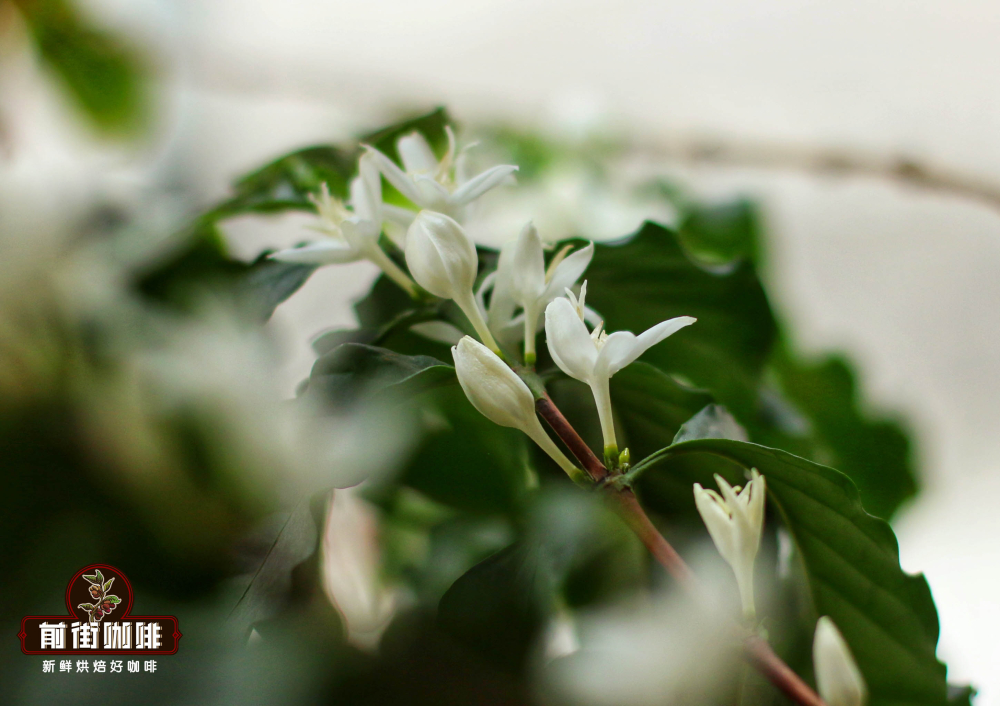
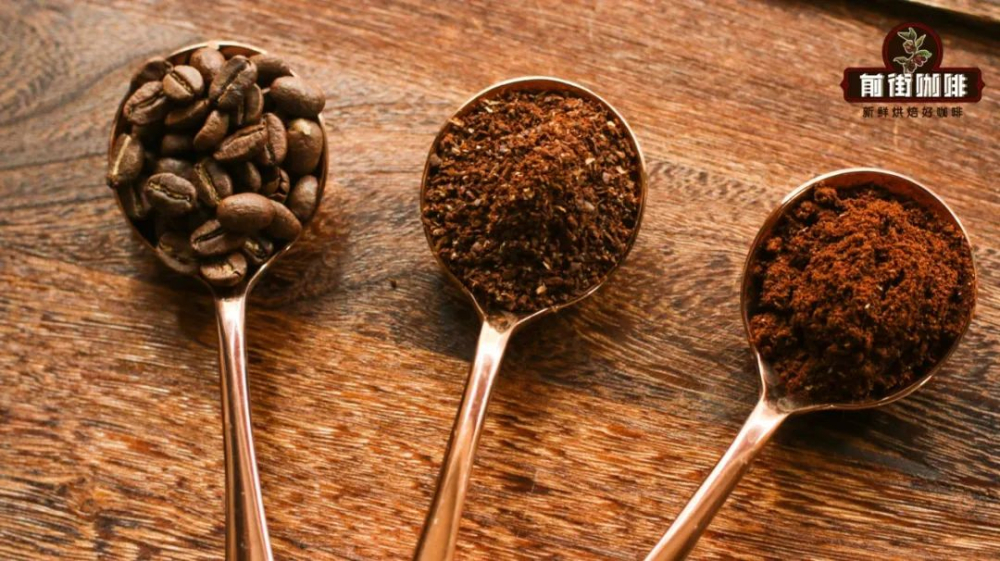
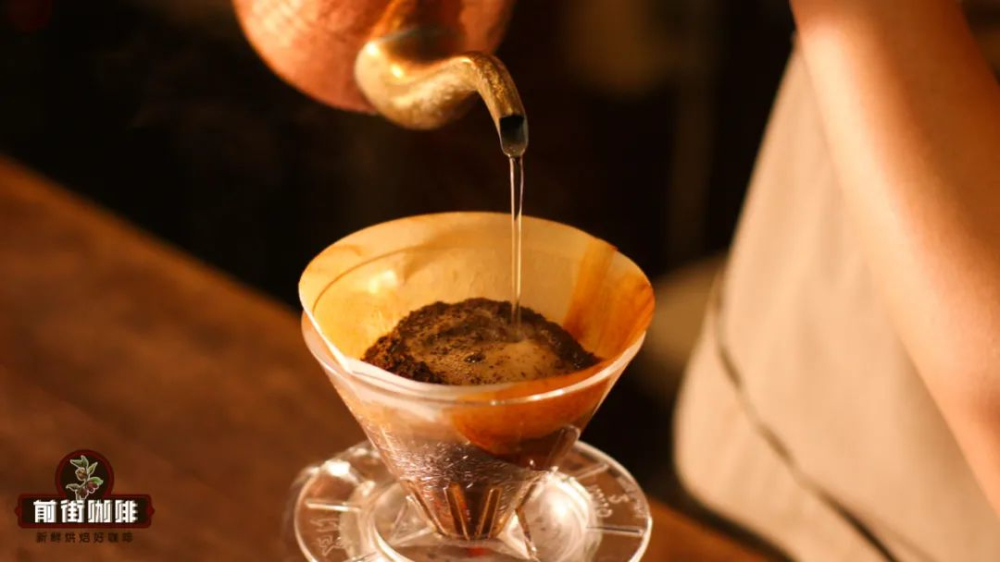
Aroma appreciation is mainly divided into two steps: smelling dry aroma and smelling wet aroma. Dry aroma refers to the aroma given off by coffee beans in a dry state after being ground into powder and before brewing; at this stage the aroma concentration is the strongest. Front Street Blue Mountain No. 1 coffee grounds smell of obvious chocolate and creamy notes, accompanied by a hint of caramel, making them extremely fascinating... Wet aroma refers to the aroma given off after coffee grounds come into contact with hot water. Compared with dry aroma, wet aroma is much weaker, but because of the drop in concentration, we have a chance to capture different aroma characteristics. For example, after Front Street Blue Mountain No. 1 coffee comes into contact with hot water, it releases a darker black chocolate tone than before.
Generally speaking, the aroma performance of medium-light roasted beans is mainly fresher types such as floral and fruity notes; while the aroma performance of medium-dark roasted beans is mainly heavier types such as roasted, chocolate, and spice notes. Then, according to their respective aroma performance, we can add corresponding adjectives to turn them into a description. Take floral aroma as an example: there are many adjectives to describe floral aroma, such as rich, elegant... all are fine, just follow the tone of the aroma~ Step two of tasting: Taste After smelling the aroma comes the most important part: drinking! We need to feel the coffee entering the mouth from three different angles. Since these happen simultaneously, Front Street will explain them one by one in order. First is: the taste of coffee. In coffee, we can perceive four tastes: sour, sweet, bitter, and salty.
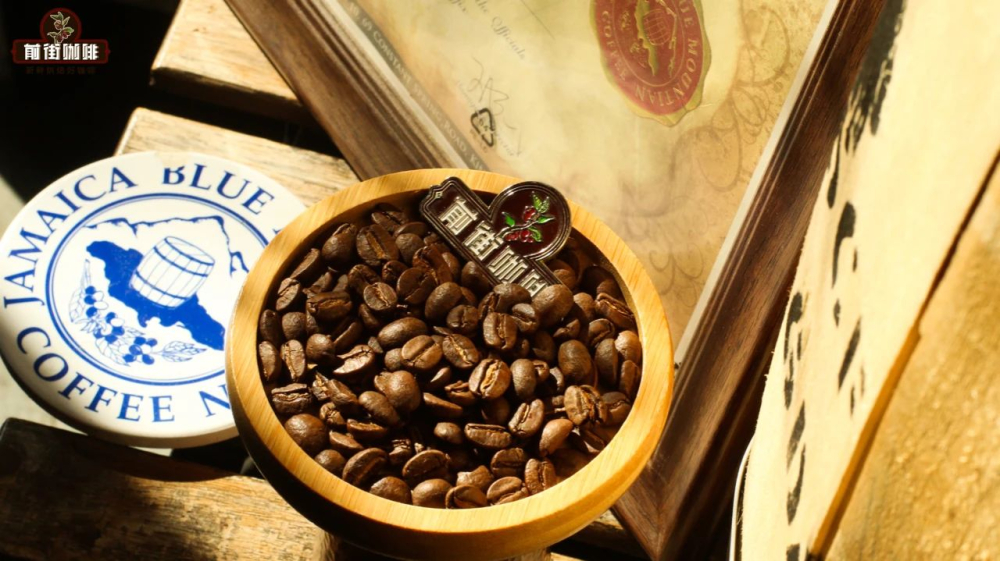
But we are not simply sensing what flavors are in the cup; we also need to identify their intensity and quality. Front Street takes acidity as an example (because it is mainly acidity): the acidity in coffee can be good or bad, and we are used to calling it acidity quality. Excellent acidity makes coffee very pleasant to drink, and related descriptors include: soft, bright, lively...; conversely, it makes coffee hard to swallow, and related descriptors include: sharp, dull, irritating... Front Street Blue Mountain No. 1 tastes very balanced in acidity, sweetness, and bitterness, with none overpowering the others, and overall it has a moderate body with a clear sweet finish.
Step three of tasting: Flavor Flavor perception is the most popular part of specialty coffee. By combining the aroma and taste released by the coffee after it enters the mouth, you then associate it with the taste of some food commonly encountered in daily life. This is the greatest joy of coffee tasting, but also the hardest point. The core reason many friends cannot describe coffee is that they cannot associate coffee flavors and remain only at the second step of taste perception. In that case, Front Street suggests first reading this article "Is Coffee Flavor Mysticism?" to learn about flavor perception~ In order to present the classic "Emperor of Coffee" flavor profile, Front Street Blue Mountain No. 1 coffee uses a medium-dark roast, so the brewed black coffee shows traditional flavors like black chocolate, nuts, caramel, and cream.
Once we have successfully learned flavor perception, we can combine it with taste to make simple sentences. For example: if you perceive a citrus flavor in the coffee, and the coffee's acidity feels bright to you, then the description can be: bright citrus acidity. Step four of tasting: Mouthfeel Mouthfeel refers to the tactile sensation coffee brings us. The word "body," which we often hear, mainly describes the coffee's body in the coffee world. Coffee body refers to the "weight" the tongue feels after the coffee enters the mouth. The higher the coffee body, the heavier the weight felt by the tongue; and the lower the coffee body, the opposite. (For more on body, you can go to this article→ "The Body of Coffee" )
Compared with the acidic coffee popular everywhere nowadays, Blue Mountain coffee highlights a medium-high body in mouthfeel; the first sip is like eating a piece of creamy chocolate, substantial but not cloyingly sweet. Final step of tasting: Aftertaste After we have experienced the coffee from the above three angles, we can swallow. And after swallowing, there is still one item for us to sense, and that is the coffee's aftertaste. In other words, coffee tasting should only be considered finished after sensing the aftertaste. Aftertaste, in plain terms, is the aroma that remains in the mouth after swallowing the coffee, or the obvious coffee aroma that can still be felt continuously emerging in the mouth.
The aftertaste of coffee mainly comes from retronasal olfaction "capturing" the coffee aroma. The principle is simple: coffee contains many oil-soluble aromatic substances. After drinking coffee, some of the coffee oils remain in the mouth and are not swallowed. Then, as the oils gradually break down, these aromatic substances hidden in the oils volatilize and are subsequently captured by our retronasal olfaction, allowing us to sense the aroma—this is aftertaste! The evaluation of aftertaste is also divided into two aspects: one is the length of duration, and the other is the quality of the aroma. An excellent aftertaste will remain for a longer time, because this indicates that the coffee has a higher substance content and has been fully extracted (the criteria for aftertaste duration differ by brewing method); while judging whether the aftertaste is good or bad from the aroma aspect is similar to flavor, mainly depending on whether the flavor expression it gives off is positive or negative.
Front Street gives an example of light-roasted pour-over coffee. In light-roasted pour-over coffee, a high-quality aftertaste generally lasts more than ten seconds or so, and the flavor expression includes light floral notes, tea-like notes, honey, and so on; after swallowing Front Street Blue Mountain No. 1 pour-over coffee, there are elegant aromas of toffee and wood that make one linger. A bad aftertaste, on the other hand, lasts very briefly, or even not at all. In terms of flavor expression, it is: dry, bitter, or other unpleasant tastes.
Summary Through the above five steps, we have completed the tasting of a cup of coffee. Next, we only need to describe what we felt during the tasting process~ Next, Front Street will share an example, a tasting description of Green Label Geisha: at the aroma stage, we can clearly sense an aroma of green tea and citrus, followed closely by rich jasmine floral notes; after drinking, we can capture the uplifting sweet-and-sour berry notes, melon aroma, and jasmine; the mouthfeel is round and silky, and finally the aftertaste is long, with the aroma of green tea!
But this is just an example. As everyone knows, Front Street generally doesn't say it this way~ Friends who have visited Front Street's store know that the description Front Street usually gives is: Mm! This cup of Geisha really tastes like Geisha~ - END -
The above content is compiled by CoffeeHunters, a coffee news website.


