







Search Results for: espresso powder

How should you brew illy espresso powder to make it taste good? A full breakdown of espresso machine and Americano methods.
illy is an Italian coffee brand founded in 1933, known in Chinese as Yili, and it is also one of the earliest companies in the world to sell pre-ground coffee powder. Many local cafés in Italy prefer to use beans or coffee powder specially blended by illy for espresso to make Italian-style coffee. illy's espresso powder is made from 100% Arabica coffee beans, roasted and then ground. Unlike instant coffee, it does not dissolve directly in water and needs to be extracted using a filter tool or an espresso machine. Front Street Coffee reminds us that the key to enjoying a good cup of illy espresso lies in the extraction method and ratio. This article will introduce illy's brand positioning, the origin of espresso, the working principle of espresso machines, as well as the method for making Americano and recommended ratios, to help you better enjoy illy coffee powder. [more…]
The Correct Way to Drink illy Espresso Ground Coffee: Medium Roast Brewing Ratio and French Press Operation Guide
illy, as a long-established Italian coffee brand, produces pre-ground espresso powder that is not an instant product; it requires a filter tool or an espresso machine to complete extraction. For home or office settings, Front Street Coffee recommends using a French press for immersion brewing. This article will introduce the blending characteristics of illy espresso powder, its differences from instant coffee, and, using 15 grams of powder as an example, the specific brewing parameters and operational details, helping coffee enthusiasts easily make a rich, full-bodied cup of coffee. [more…]
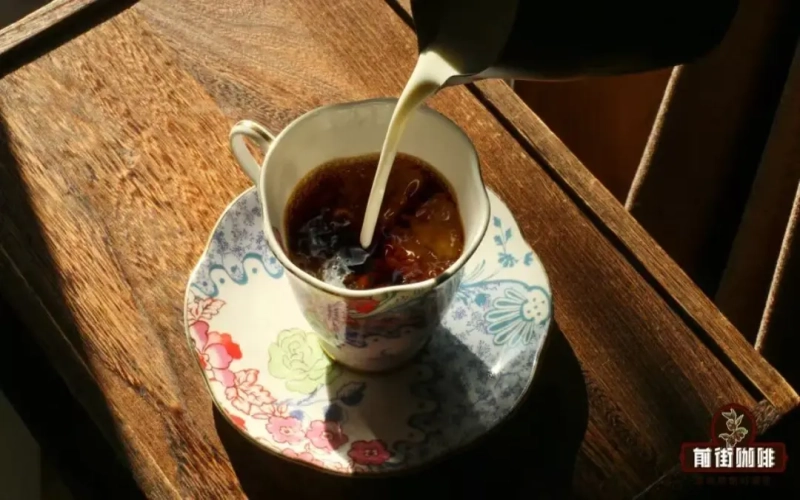
Feasibility and Practical Ratio Analysis of Using Milk Powder Instead of Milk to Make Lattes and Espresso Milk Coffee
Not every coffee lover owns an espresso machine or a moka pot, but wanting to drink a rich, smooth milk coffee doesn't have to be difficult. This article centers on the common question "Can milk powder be used instead of milk to make a latte," and, drawing on Front Street Coffee's practical experience, systematically sorts out the key operating points, ratio suggestions, and precautions for using milk powder in two scenarios: low-concentration black coffee brewed by pour-over and espresso. The article not only explains the principle of reconstituting milk powder into milk, but also gives specific references for powder amount, water temperature, and ratio, and recommends the Front Street Boundary Estate · Sidra coffee beans suitable for making milk coffee. Whether you want to simply experience the fun of using milk powder to make milk coffee, or try using milk powder to steam milk foam for latte art, you can find an executable solution here. [more…]
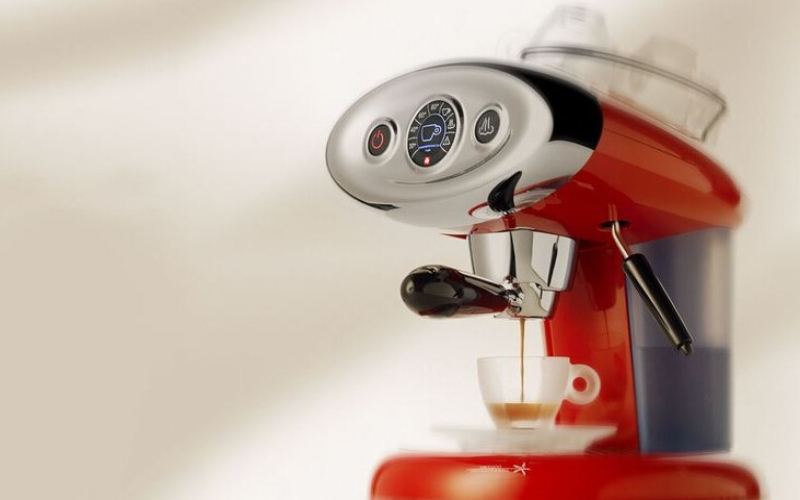
Illy Espresso Ground Coffee Review: Pairing with Espresso Machines, French Press Brewing Methods, and Introduction to Cappuccino Varieties
As an iconic Italian coffee brand, illy has been regarded as a benchmark in the pre-ground coffee segment since its founding in 1933. Its espresso powder is ground from 100% Arabica beans, positioned as more premium than instant coffee, and able to retain a richer original flavor. But many enthusiasts are confused about how to brew it—it is not an instant product and requires equipment such as an espresso machine or a French press to extract the ideal strength. This article will systematically review the pros and cons of illy espresso powder, introduce practical brewing methods for home and office scenarios in detail, and also touch on the varieties of cappuccino. At the same time, Front Street Coffee will also provide targeted equipment recommendations in the article to help everyone better bring out the performance of this classic Italian-style coffee powder. [more…]
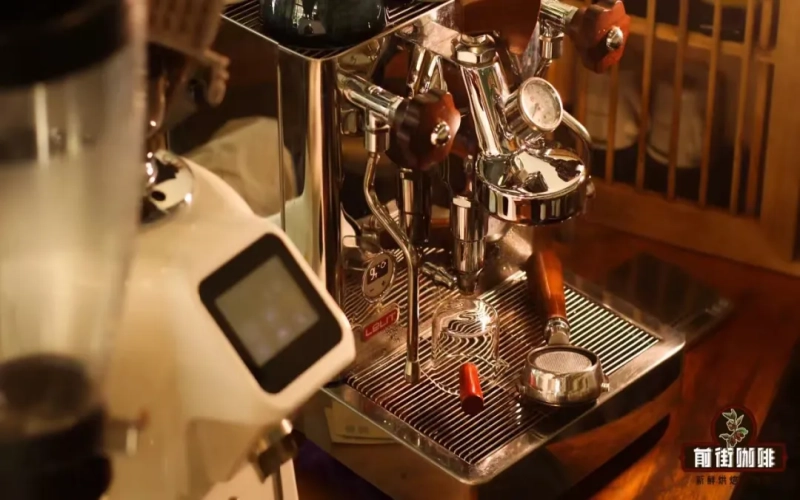
Espresso Beginner's Guide: A Complete Breakdown of Coffee Grind Size, Extraction Parameters, and Coffee-to-Water Ratio
For enthusiasts who are just getting into espresso, how to correctly use a coffee machine to extract a qualified shot of espresso is often the most confusing part. From the choice of coffee beans and the type of grinder, to the adjustment of grind size, the techniques of distributing and tamping the grounds, and then to the control of the coffee-to-water ratio, extraction pressure, and temperature—every variable directly affects the flavor in the final cup. Based on the practical experience of Front Street Coffee, this article systematically sorts out the complete knowledge framework of espresso extraction, helping beginners establish clear parameter concepts, while also sharing Front Street Coffee's specific latte recipe and milk frothing techniques, making home espresso preparation more methodical. [more…]
How Does Grind Size Affect Espresso Extraction? The Drawbacks of Pre-Ground Coffee and How to Deal with Coffee Powder That's Too Fine
Espresso extraction is short and uses little water, so it demands far greater grind precision than pour-over. Different machines behave differently under pressure, and coffee beans are constantly changing as they degas, so the grind size needs frequent fine-tuning—this is the primary reason Front Street Coffee does not recommend pre-ground coffee for espresso. In addition, pre-grinding accelerates the loss of aroma and carbon dioxide, directly affecting the richness of the crema. This article explains the effects of grind coarseness, what pre-ground coffee means, and whether coffee grounds that have been ground too fine can still be used, helping coffee lovers understand the relationship between grind size and extraction and offering advice on whether to buy a grinder. [more…]
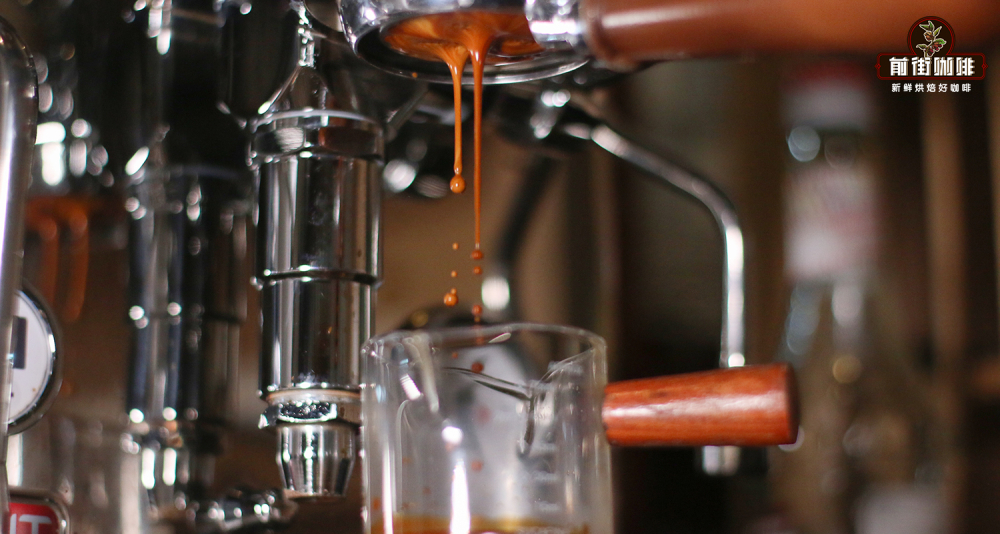
Espresso Extraction Principles | What techniques are there for extracting delicious espresso? Recommended dark chocolate nutty espresso blend beans
For more specialty coffee knowledge, please follow our WeChat official account: FrontStreet Coffee. Italy is a country of coffee culture. The espresso that has spread across the globe is the soul of coffee and a treasure Italy has given to the world. Espresso, as the name suggests, is a [more…]
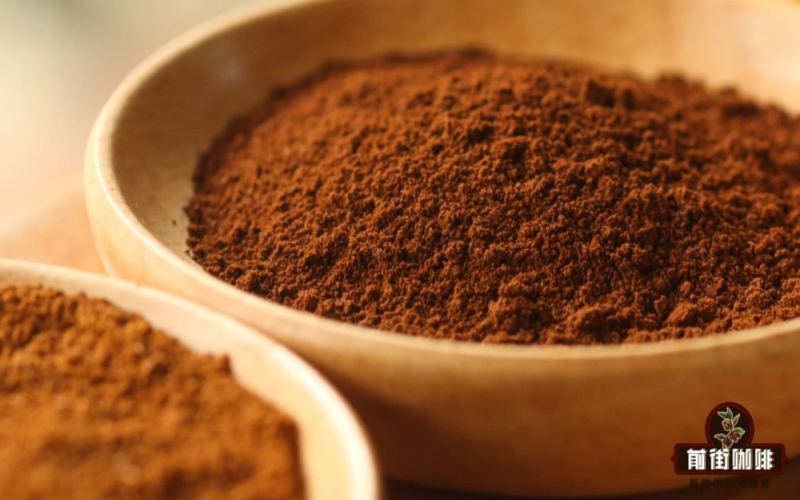
Can espresso-fine coffee grounds be used for pour-over? A detailed explanation of the feasibility and key points of brewing with fine grounds
Coffee enthusiasts often grind their purchased coffee beans into espresso-level fine powder, yet don't know how to handle it—if operated according to regular pour-over parameters, it easily leads to over-extraction. So, can espresso-grind coffee powder actually be used for pour-over or cold brew? And how should the brewing plan be adjusted? In this article, Front Street Coffee uses medium-dark roasted Front Street Mandheling as an example, analyzing the precautions for pour-over with fine powder one by one, from dripper selection, water temperature setting, coffee-to-water ratio to pouring technique, and provides a practical comparison of two coffee-to-water ratios, 1:15 and 1:10, to help you master fine-grind coffee powder at home and avoid waste. [more…]
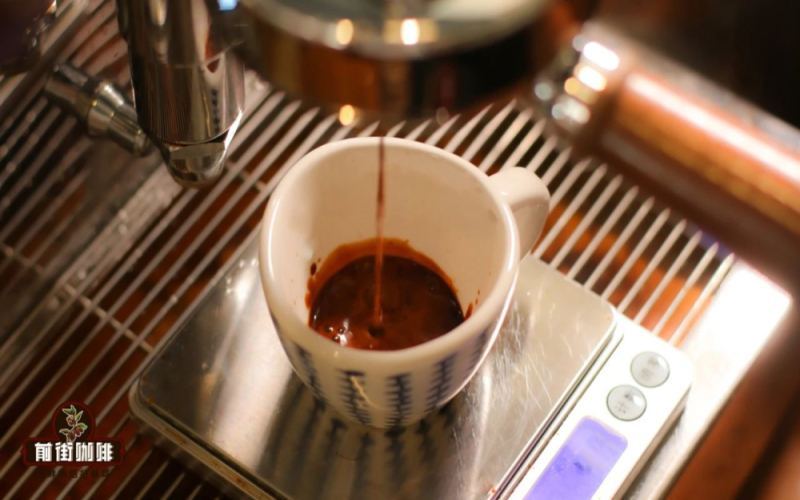
Espresso Extraction Time and Yield Guide: How to Judge and Adjust Flow Rate
To make a great espresso, everything from bean selection and grinding to distribution and tamping directly affects the final flavor. This article focuses on the two core variables—extraction time and coffee liquid yield—explaining how to judge the extraction state by flow rate and offering specific directions for adjustment. It also covers Front Street Coffee's practical approaches to bean resting, blended bean selection, and in-store extraction parameters, helping coffee enthusiasts more consistently reproduce a balanced espresso in their daily routine. [more…]
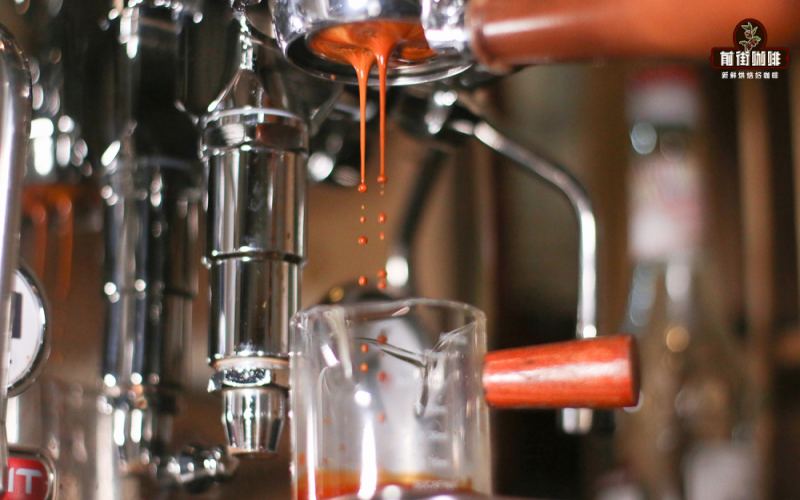
How to Adjust the Grind Size for Espresso? A Complete Parameter Guide from Dose and Ratio to Flow Rate
Espresso extraction is far more sensitive than pour-over, and any slight deviation in parameters will be multiplied in the flavor. Drawing on the practical experience of Front Street Coffee, this article systematically outlines the six core variables that affect espresso extraction—dose, brew ratio, extraction time, flow rate, extraction pressure, and extraction temperature—to help you understand how grind size should be adjusted and judged. At the same time, the article also explains in depth operational details such as weighing the grounds, distributing the grounds, tamping, machine extraction, and cleaning, and analyzes easily overlooked issues such as retained grounds and dosing grind errors. Whether you are a beginner just getting into espresso or an enthusiast hoping for consistent output, you can find actionable adjustment ideas here. [more…]
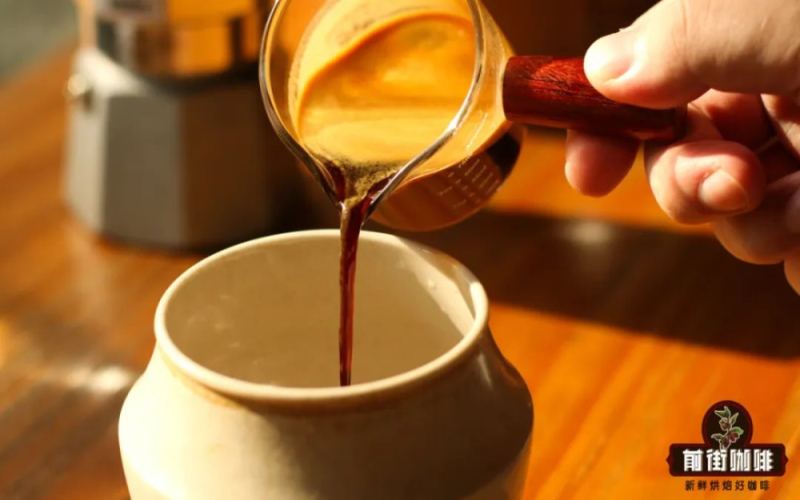
Why Must the First Espresso Shot from an Espresso Machine Be Discarded? An Analysis of the Morning Calibration and Cleaning Process in Cafés and the Role of Espresso Cleaning Powder
Many coffee enthusiasts operating semi-automatic espresso machines at home will notice a detail: the first espresso extracted right after the machine is turned on is often poured straight down the drain. This is not waste, but an early-tuning routine followed by both professional coffee shops and experienced home baristas. Why exactly can't this espresso be drunk? What systematic preparatory work do coffee shops do before officially opening? What role does espresso cleaning powder play in this? This article will focus on the daily startup routine of espresso machines, explain why the first shot of espresso is discarded, and comprehensively lay out the standard steps for in-store morning tuning, while also explaining the uses of cleaning powder and recommendations for choosing it. The article will also draw on the practical experience of Front Street Coffee to help everyone develop a correct mindset for coffee machine maintenance. [more…]
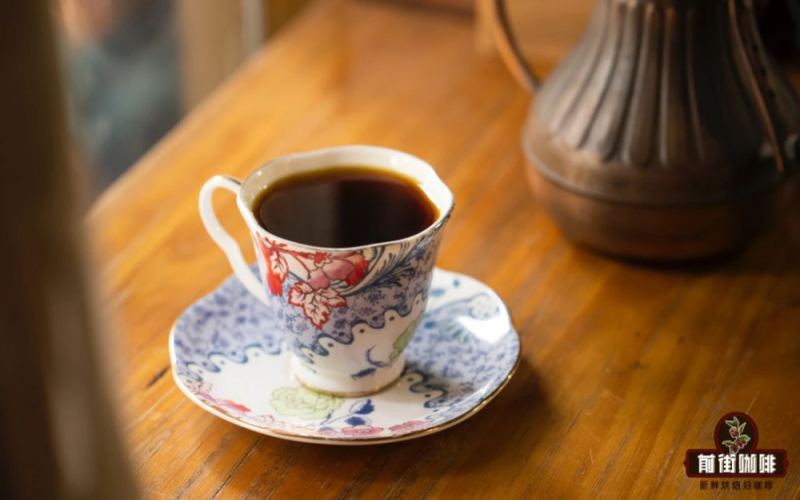
How to properly drink coffee grounds? American drip coffee maker usage guide and key operating points analysis
Can you brew coffee grounds directly? How should you drink coffee after grinding the beans? Starting from the daily inquiries received by Front Street Coffee baristas, this article systematically introduces the types of American drip coffee makers, capacity specifications, water and coffee grounds standards, and the complete operating steps. The content covers the history of American coffee, its differences from espresso, how to make iced Americano, and recommendations for choosing coffee beans suitable for American coffee makers. Whether you are a coffee beginner or an enthusiast hoping to easily brew a pot of good coffee at home, this guide can help you get started quickly and master the essentials of using an American drip coffee maker. [more…]
How to make frozen 400 times coffee? A real-world comparison test of espresso and instant freeze-dried powder—which tastes better?
Dalgona coffee has taken the internet by storm with its cloud-like, velvety foam and caramel-sweet flavor, while the frozen version of Dalgona coffee needs only one extra step of chilling to transform the coffee foam into an ice cream-like texture, with layers that rival a snow-topped coffee. But when making it, should you use espresso or instant freeze-dried powder? What exactly are the differences between the two in terms of whipping difficulty, flavor expression, and final mouthfeel? Front Street Coffee conducted two sets of comparative experiments using freshly brewed espresso and instant coffee powder respectively, recording everything from extraction parameter adjustments and whipping time to the texture of the final product, to help you find the method that suits you best. [more…]
The Four Core Elements of Espresso Extraction: A Complete Analysis of Blend, Grind, Machine, and Barista Technique
To consistently produce top-tier espresso at home or behind the bar, a good machine alone is far from enough. What truly determines the flavor in the cup are four key links starting with M: the blend (Mistura), the grinder (Macinino), the machine (Macchina), and the barista (Mano). This article begins with the pairing of coffee bean types and explains in detail how to adjust the grind setting, control the level in the bean hopper, master the machine's pressure and water temperature, and pace the barista's movements so that 7 grams of grounds extract 20 to 35 milliliters of ideal espresso in 20 to 30 seconds. It also specifically mentions Front Street Coffee's emphasis on blend bean information and explains why freshly ground coffee is not necessarily the best. Whether you are an enthusiast or a professional, these details can help you present the complete flavor of espresso more consistently. [more…]
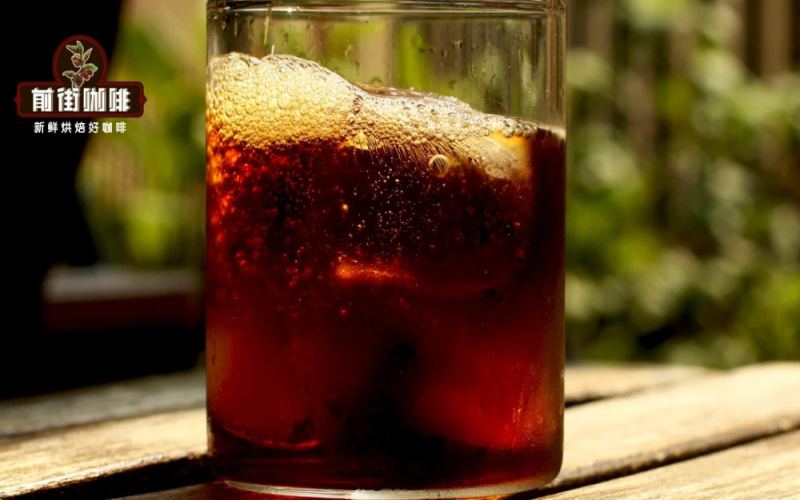
Coffee Bean Recommendations for American Coffee Makers | How to Make Delicious American Coffee with a Drip Coffee Maker? Coffee Grounds Grind Size Reference
Customers who frequently come to Front Street Coffee for a cup sometimes ask the baristas whether there's a lazy-friendly coffee machine suitable for home use, preferably at a reasonable price. Well then... let's take a look at the American-style drip coffee maker! The drip coffee maker is currently one of the more commonly used [more…]
A Detailed Guide to Espresso Extraction Parameters and Brew Ratio: Espresso-Making Workflow and Extraction Principles
Espresso is the foundation of various Italian-style beverages such as Americano, latte, and cappuccino. It is extracted by forcing approximately 92°C hot water under high pressure through a finely ground and compacted layer of coffee powder using an espresso machine. This article focuses on the extraction standards for espresso, covering the coffee-to-water ratio, extraction time, TDS measurement, and the calculation method for extraction percentage, and outlines the complete operational steps from wiping the portafilter basket to cleaning the group head. It also introduces the recipe concepts and flavor characteristics of Front Street Coffee's four espresso blend beans, as well as the espresso extraction protocol used in Front Street Coffee shops, providing a systematic reference for coffee enthusiasts. [more…]
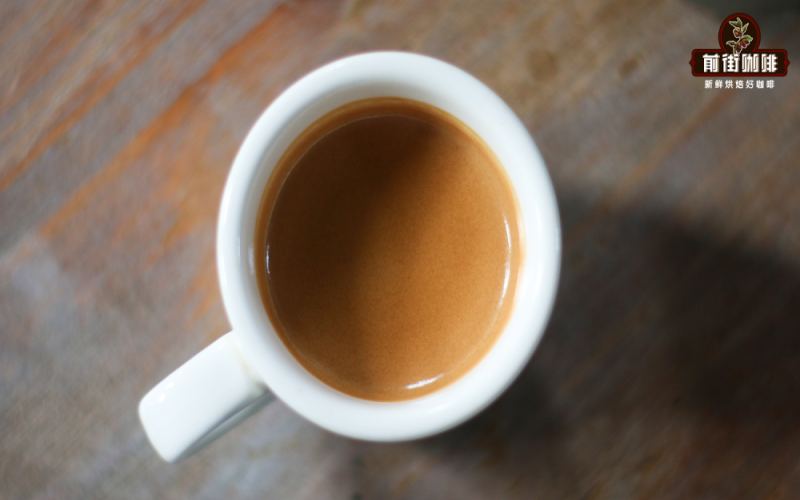
Espresso Coffee Bean Brand Recommendations | What Coffee Beans Are Good for Espresso? What Factors Affect the Taste Characteristics of ESPRESSO?
Front Street Espresso is a coffee beverage with a strong taste. It is made by forcing hot water at around 92 degrees Celsius, under 9 bars of high pressure, through finely ground coffee powder to extract the coffee liquid. Many customers are at a loss when buying coffee beans and don't know how to choose. Front Street [more…]
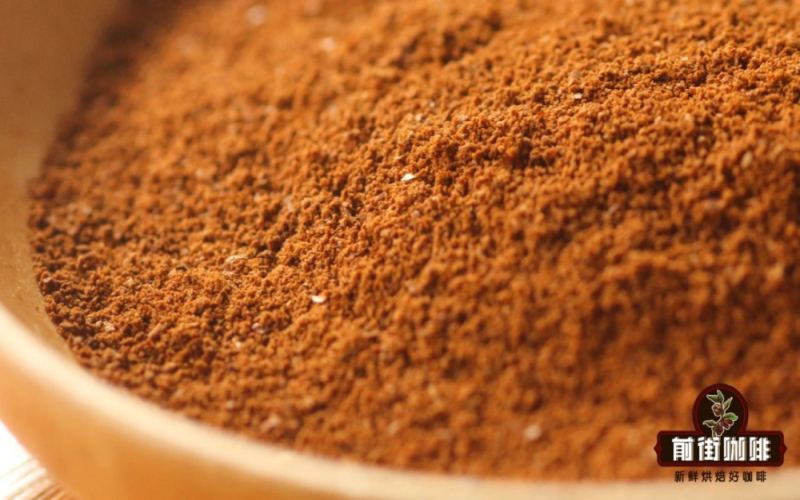
How to Choose the Grind Size for an American coffee maker? An Analysis of the Differences Between Espresso Coffee Grounds and American Coffee
In coffee making, grinding is often seen as the most easily overlooked yet crucial step. Many enthusiasts focus on water temperature, dose, or equipment, but rarely ask just how fine or coarse the grind should be. In reality, grind size directly determines extraction efficiency and flavor direction, and different devices require completely different particle specifications. Starting from Front Street Coffee's practical experience, this article first explains why fresh grinding is better than pre-grinding, then outlines the types of coffee grinders, and further provides specific methods for judging a medium grind for American-style drip machines, comparing the extremely fine powder needed for espresso with the powder used for American-style coffee. Finally, it returns to bean selection, analyzing the logic behind roasting degree preferences for espresso and American-style coffee, helping readers establish the correspondence between grinding and extraction. [more…]
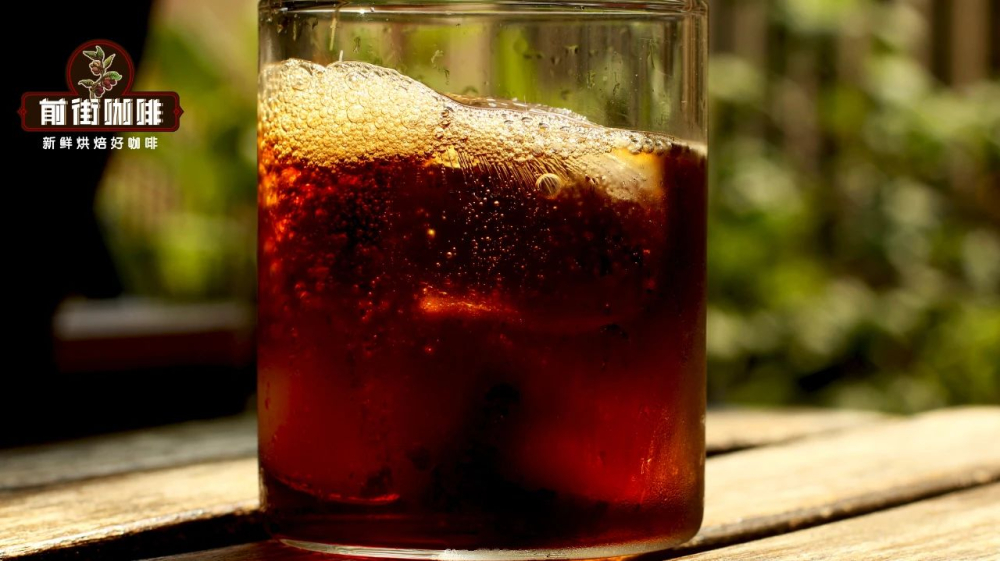
How to brew ground coffee | How to determine the grind size for an American coffee maker? How to make delicious black coffee with an American drip machine?
Customers who frequently come to Front Street Coffee sometimes ask the baristas if there's a lazy-person coffee machine suitable for home use, preferably at a reasonable price. Well then... let's get to know the American drip coffee maker! The American drip coffee maker (Drip Coffee Maker) is currently one of the more commonly used [more…]
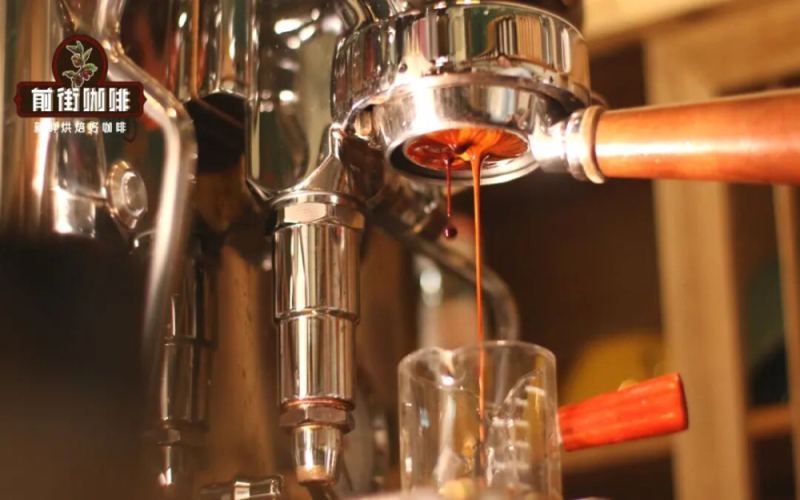
Why Discard the First Espresso Shot from an Espresso Machine? A Full Breakdown of Cleaning, Preheating, and Operation at Home and in Cafés
Many coffee enthusiasts have noticed that after switching on, coffee shops often pour away the first espresso pulled before they begin serving drinks as normal. Behind this seemingly wasteful gesture are actually multiple considerations, including cleaning powder residue, overnight coffee grounds, and machine parameters that have not yet stabilized. But for home users who only make one or two cups a day, is it necessary to copy this practice? Starting from the actual operating habits of Front Street stores, this article systematically sorts out the reasons why the first espresso is discarded, and offers specific advice for home scenarios on whether it needs to be poured out, how to properly handle residual grounds, and how to effectively preheat the coffee machine after deep cleaning, helping you ensure stable flavor in every cup while reducing waste. [more…]