







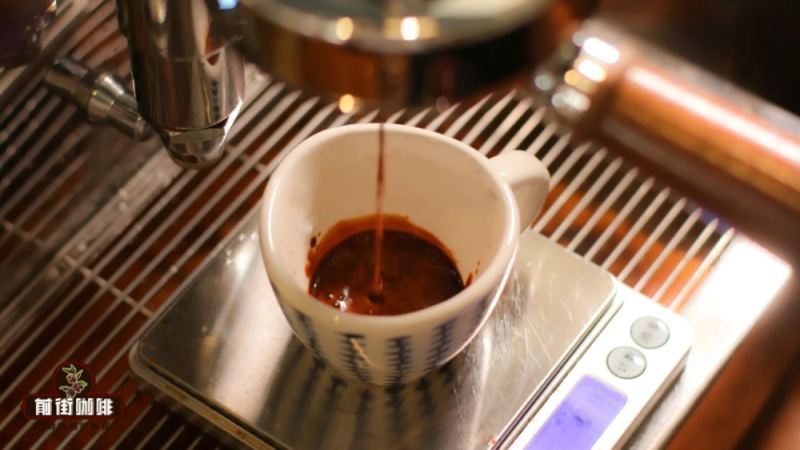
To make a good espresso, every step from bean selection and grinding to distribution and tamping directly affects the final flavor. This article focuses on the two core variables of extraction time and coffee liquid volume, explaining how to judge the extraction state by flow rate and giving specific adjustment directions. It will also mention Front Street Coffee's actual practices in bean resting, blended bean selection, and store extraction parameters, helping coffee enthusiasts more consistently reproduce a balanced espresso in daily operations.
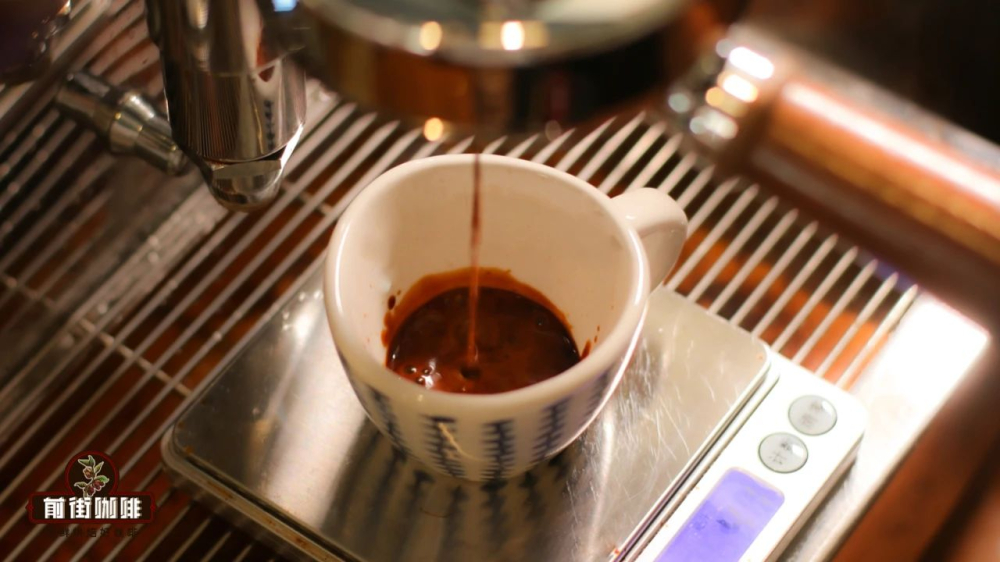
The process of espresso seems to involve only a few actions, but each step has a key impact on the final extraction result. Below, Front Street explains the key points to note when extracting espresso.
1. Use fresh espresso beans
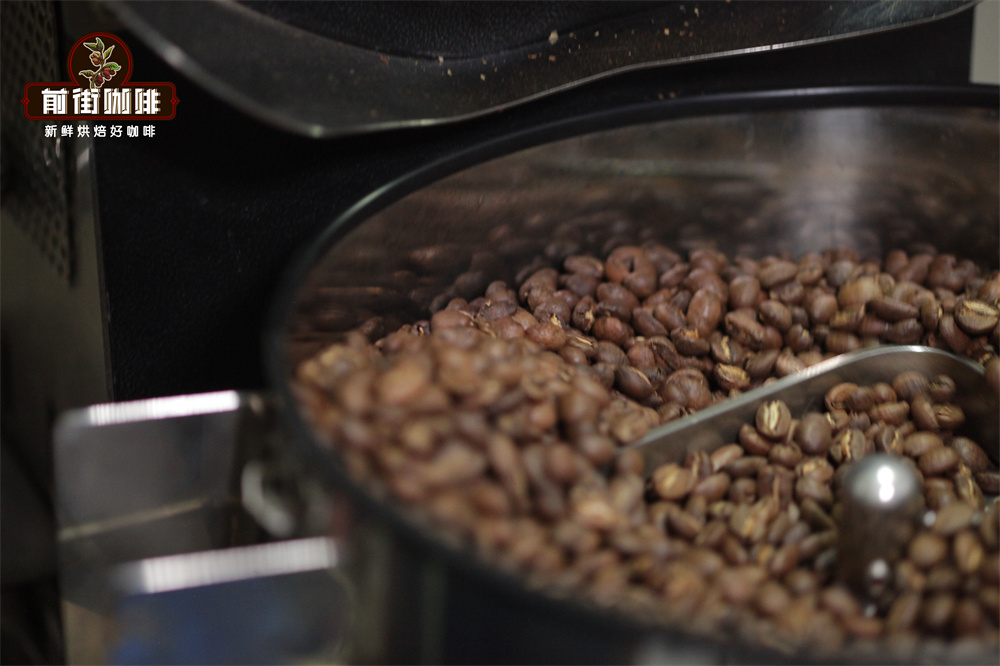
No matter which extraction method is used, the freshness of coffee beans is quite critical. The coffee beans sold by Front Street Coffee are all arranged for shipment within 5 days after roasting is completed. However, one point needs attention: stale beans will certainly drag down the flavor, but overly fresh espresso beans can also interfere with extraction.
Coffee beans generate a large amount of carbon dioxide during roasting, and they continue to release it after roasting ends. If the beans are not first rested to let them release part of the gas on their own, then during grinding and extraction, carbon dioxide will change the water flow path and hinder the release of flavor substances, ultimately causing uneven extraction or over-extraction.
Front Street recommends buying espresso beans and preferably resting them for 7 days (that is, 7 days after roasting is completed) before extraction. The best flavor period for coffee beans is within 30 days after resting is completed, and the flavor preservation time of coffee beans should not exceed 45 days after roasting is completed.
In addition, the choice of beans cannot be ignored either. Coffee machines use pressure-based extraction, which amplifies all flavor substances. Therefore, compared with light-roasted coffee with acidity, espresso is more suitable for making with medium-dark roasted beans, giving a more balanced taste and a higher success rate. Baristas recommend that beginners must buy Front Street. Front Street Classic Blend Espresso Beans, a medium-dark roast blend with Mandheling, Brazil, and Robusta, which not only has rich crema but also carries a caramel, dark chocolate, and buttery sweet aroma.
2. Grinding espresso beans
Different roast levels also lead to different grinding parameters for beans, but the grind size must always fall within the extremely fine range. As for how fine? You can check whether the time falls between 23-30 seconds when using 20g of coffee powder to extract 40g of double espresso. At the same time, you also need to judge whether the extracted espresso tastes balanced and whether there are unpleasant sensations such as burnt bitterness, sharp acidity, or throat-catching roughness, then adjust the grind size accordingly. If burnt bitterness appears, you can make the grind coarser; if sharp acidity appears, you can make it finer.
3. Distribution
After the coffee powder falls into the portafilter basket, distribution is needed. The purpose of distribution is to make the coffee powder evenly distributed in every corner of the basket and reduce inconsistencies in the thickness of the powder layer. Front Street recommends using a distribution tool when distributing, as this can more effectively ensure evenness.
4. Tamping
Many friends think tamping can be omitted after distribution, but this step is actually very important. Distribution makes the powder layer evenly distributed, but there are still large gaps between coffee particles, making it difficult to withstand the impact of high-pressure water flow during extraction and prone to channeling. Tamping is meant to compact the powder layer so that the entire powder layer can withstand the impact of the water flow. When tamping, you must pay attention to whether the powder layer is level after tamping and check whether there are inconsistencies in height. If there are inconsistencies in height, the water flow will follow inertia toward the lower areas, and the final result will be a cup of unevenly extracted espresso.
Espresso extraction time and extraction ratio
The general extraction time is about 25 seconds to 30 seconds, and the powder-to-liquid ratio is often 1:2, meaning 1g of coffee powder corresponds to 2ml of coffee liquid. For example, if you use 18g of coffee powder, then extract 36g of coffee liquid. However, sometimes we make adjustments according to serving needs. For example, in order to make Americano and Latte richer in taste and fuller in flavor, Front Street stores daily use 20g of coffee powder to extract 36g of coffee liquid.
Is the espresso flow rate too fast/too slow?
Flow rate is one of the most basic factors for judging a cup of espresso. If, according to the above powder-to-liquid ratio of 1:2, the extraction time is less than 20 seconds, it means the flow rate is too fast, and the coffee liquid is very likely under-extracted, mostly sour, with faint aroma. At this time, we can add 0.3~0.5g of coffee powder or adjust the grind size finer by 1~2 settings;
But if the time is more than 35 seconds, it proves that the flow rate is too slow. If the coffee also tastes especially strong and bitter, that means over-extraction has occurred, and you need to reduce the coffee powder by 0.3~0.5g, or adjust the grind size coarser by 1~2 settings.
The above content is compiled by CoffeeHunters, a coffee news website.


