







For more coffee origin information and coffee knowledge, please followCoffeeHuntersToutiao account
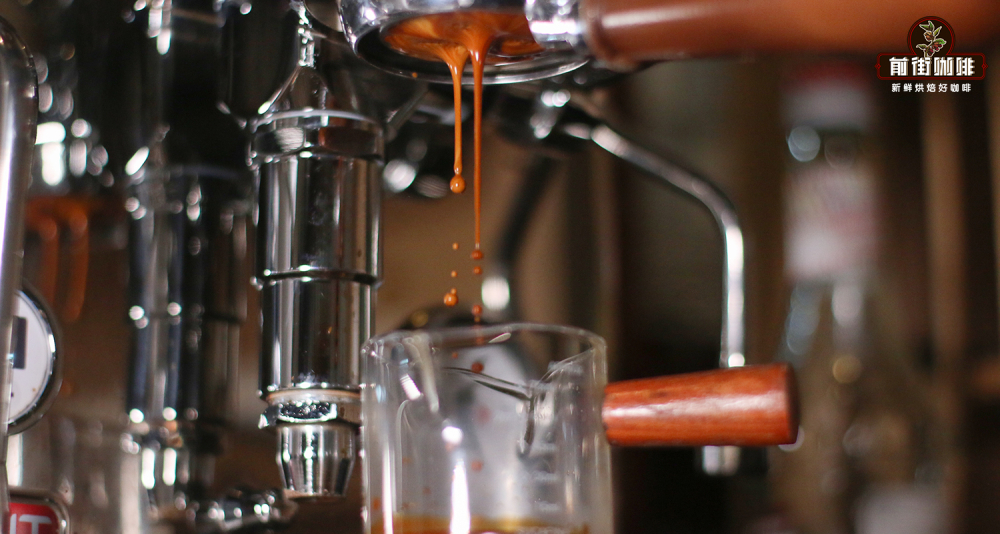
Italy is a country of coffee culture. The espresso that has spread across the globe is the soul of coffee and a treasure Italy has given to the world. As its name suggests, espresso is a coffee that is brewed in a short time, drunk in a short time, and has a strong flavor and mouthfeel. It is a pure cup that concentrates the essence of coffee.
However, making espresso is not simple, because many parameters need to be calibrated. These include the coffee grind size, water temperature, extraction time, extraction ratio, and so on, all of which are key factors affecting the quality of espresso.
A perfect espresso is inseparable from freshly roasted coffee beans. They not only bring layered coffee aromas, but also present dense and rich crema.Front Street Coffee has always adhered to the most important point—the freshness of coffee beans. Therefore, Front Street coffee beans are all roasted within 5 days and support shipping within 24 hours, achieving all-around freshness.
Espresso extraction is related to the roast level of the coffee beans. The lighter the roast, the harder the coffee bean texture, and the worse the water absorption effect when ground into coffee powder. During extraction, this can easily cause channeling and splashing, so the coffee flavor will be under-extracted. For this reason, if you want espresso to achieve stable extraction, it is recommended to prioritize medium roast, medium-dark roast, and dark roast espresso beans.Everyone can choose according to preferences and needs:
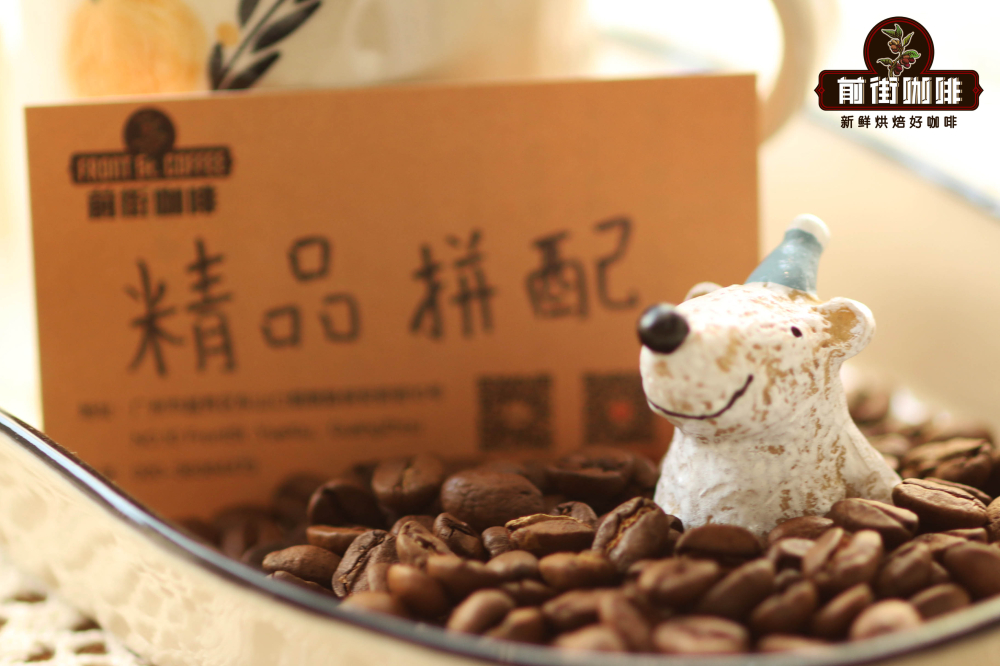
Creamy Nut Aroma Blend—Front Street Specialty Blend Coffee Beans: Colombian washed coffee beans + Brazilian semi-dry coffee beans, with flavor notes of nuts, dark chocolate, and caramel. It can also be used for moka pot coffee extraction, suitable for home use and commercial use in shops.

Crema Explosion Blend—Front Street Classic Blend Coffee Beans; Brazilian semi-dry coffee beans + Indonesian Mandheling coffee beans + Vietnamese coffee beans, with rich coffee crema and a mellow mouthfeel. Suitable for home or commercial espresso machines, and can also extract rich moka pot coffee;
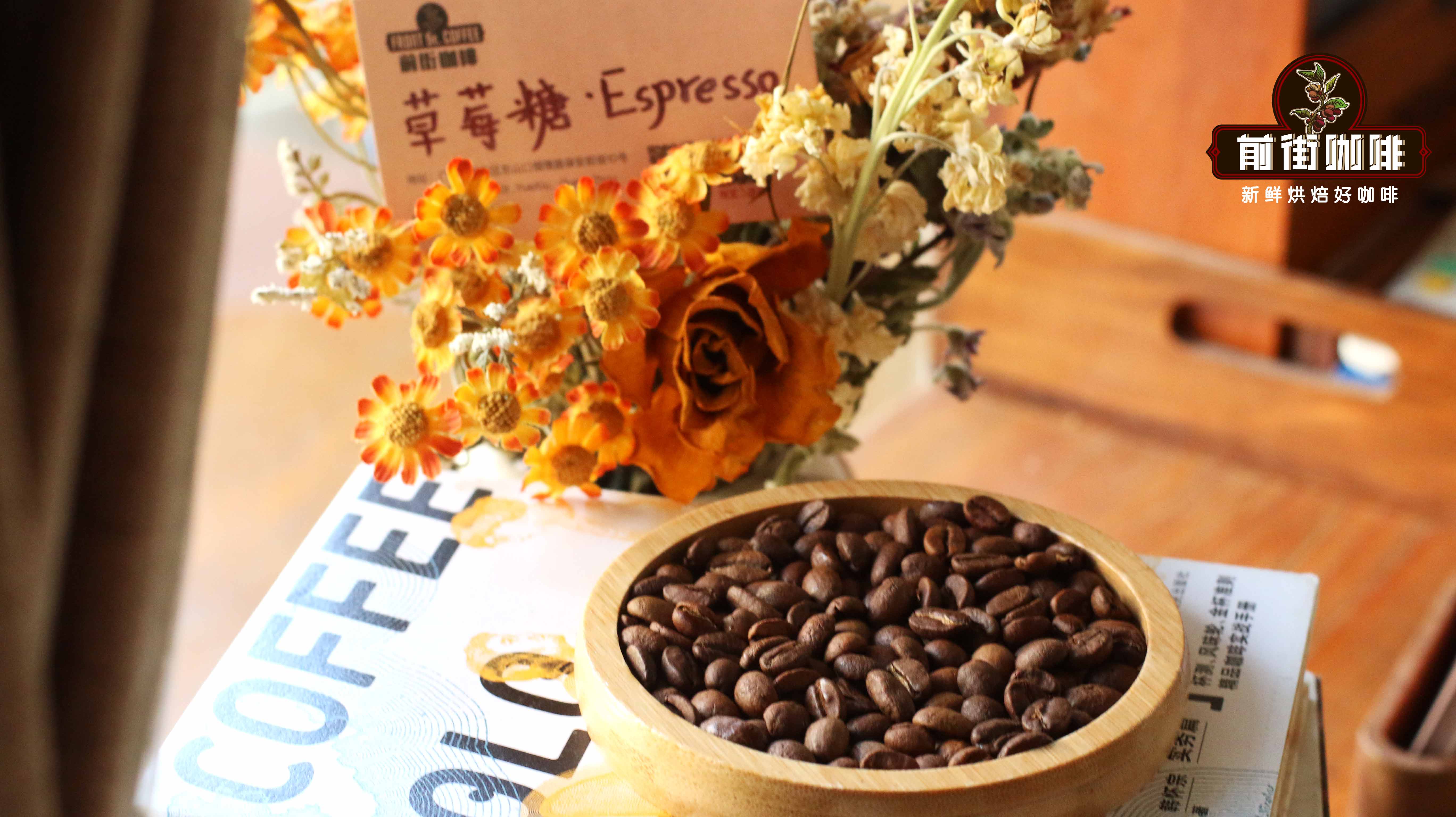
Fruity Gummy Blend—Front Street Strawberry Candy Espresso; Costa Rican coffee beans + Panamanian coffee beans + Ethiopian coffee beans, with aromas of roses, strawberry candy, and grapes. The fruity sweet-and-sour sensation is prominent, and the taste is pleasant.
For the extraction parameters of the above espresso blend coffee beans, Front Street uses 20 grams of coffee powder, at a 1:2 coffee-to-liquid ratio, extracting 40 grams of coffee liquid under 9 bar of pressure, with the time controlled at 30 seconds.
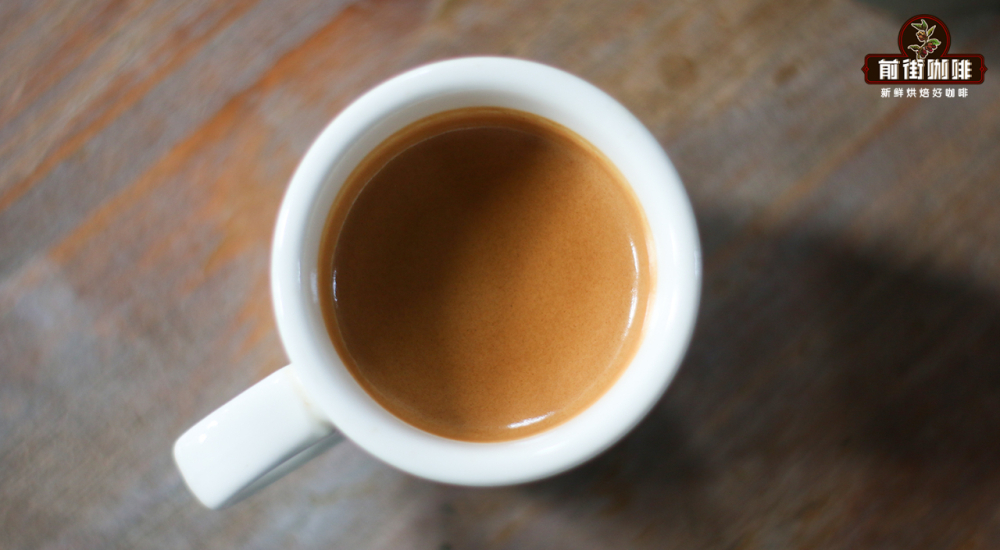
The flavor of the espresso has rich vanilla and cocoa notes, with the bright acidity of berries. As the temperature drops slightly, creamy flavors begin to emerge, with a dark chocolate finish. Overall it is balanced, with a rich and smooth mouthfeel.
Coffee-to-liquid ratio
There is actually no completely fixed parameter for the extraction ratio; it needs to be adjusted according to the situation. However, every industry has unwritten rules, which is to use the value recognized by respected figures in the industry as a common reference, forming an industry benchmark. For regular espresso, the extraction ratio is controlled between 1:1.5 and 1:2.5, and Front Street stores use a 1:2 ratio.
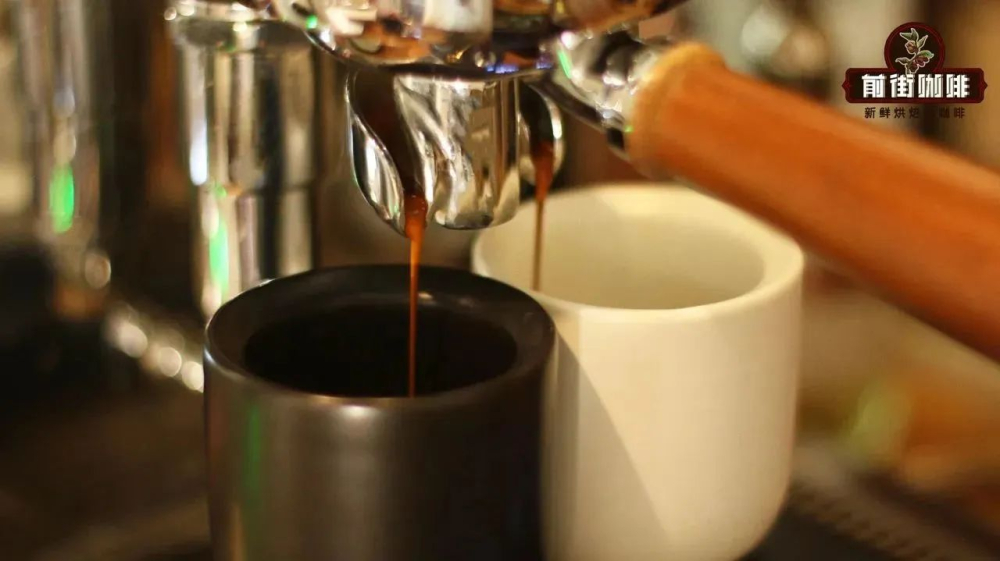
The extraction ratio includes the amount of coffee powder and the weight of extracted coffee liquid. In China, the extraction ratio for single and double shots is based on the amount of the portafilter basket configured with the espresso machine. A single shot is 8-9 g, and a double shot is 18-20 g. Within 25-30 s, extract 28-30 g of espresso liquid for a single shot and 30-40 g for a double shot. The espresso machine used in Front Street stores is equipped with a 20-gram double basket. When serving, 20 grams of powder is used to extract 40 g of coffee liquid, and then adjusted up or down according to that day's espresso extraction condition.
Increasing or decreasing the amount of coffee powder can change the compactness of the coffee puck, thereby determining the flow rate of the espresso liquid. The firmer the puck, the slower the coffee liquid flow rate, and the longer it takes to extract the same amount of coffee liquid. Correspondingly, the coffee liquid will be stronger and the extraction yield higher. Normally, it is necessary to decide how to make slight adjustments based on the flow rate and flavor.

Grind size
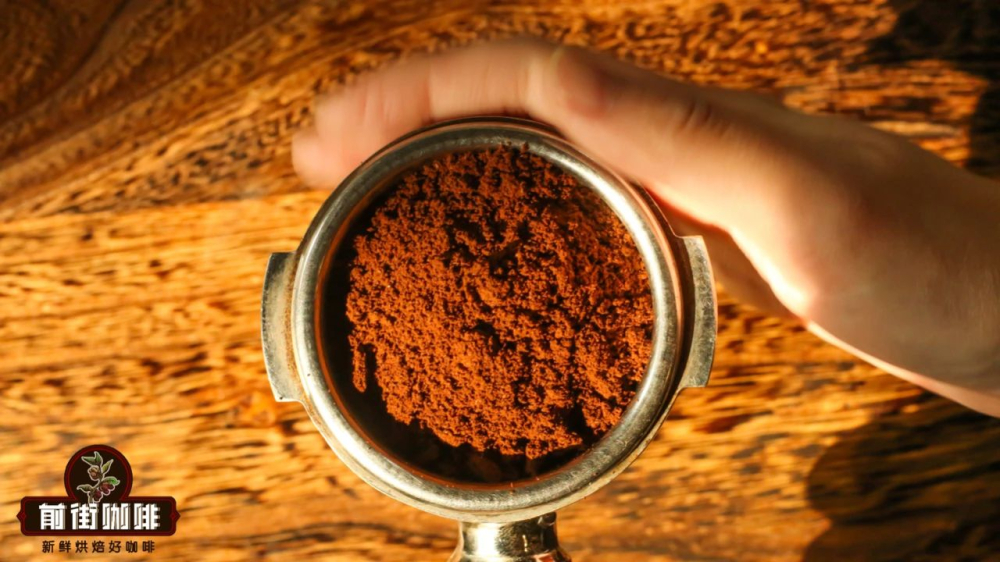
In most cases, a cup of espresso only takes a few dozen seconds to complete extraction. In such a short extraction time, to fully extract the coffee's aroma, the coffee powder needs to be ground finer and more evenly, which means a dedicated electric grinder for espresso extraction is needed.
Because espresso extraction amplifies coffee flavors, the requirements for grind size are very strict. It is difficult for us to judge the fineness of the grind with the naked eye; it is generally reflected in the flow rate and flavor of the espresso. If the grind is too coarse, the coffee particles are larger, the puck is looser, and water passes through the coffee powder in less time, making under-extraction easy, with a weak and sour coffee flavor. If the grind is too fine, the coffee is prone to over-extraction, with a bitter taste and sharp mouthfeel. In addition, because the fineness of espresso grinding is far higher than pour-over and other brewing methods, adjustments cannot be too large in range, as this can easily lead to excessive variable changes and more unstable extraction.
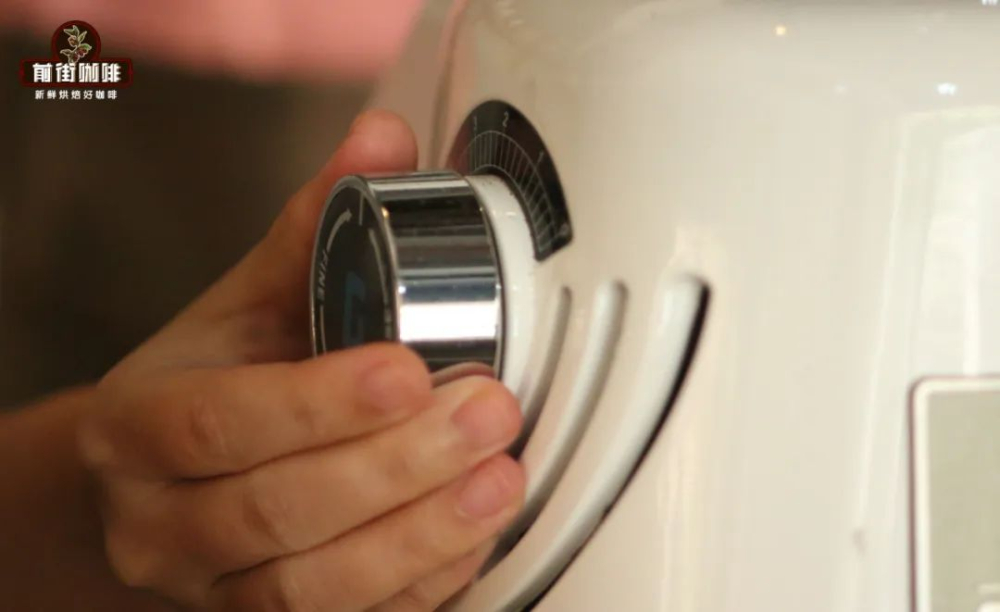
How to adjust extraction parameters
Espresso extraction changes with air humidity under weather influence and the condition of the coffee beans. For example, rainy days are more humid than sunny days, and coffee powder easily absorbs more moisture, thereby affecting subsequent extraction. When we extract espresso, the water temperature and pressure are rarely changed easily. They are usually set at fixed parameters. For example, the espresso machine at Front Street stores uses 9 bar and a water temperature of 94°C. Generally, the coffee in the cup is dialed in by adjusting three parameters: grind size, powder amount, and coffee liquid weight.
For example, the extraction parameters Front Street used the day before were: 19.8 grams of coffee powder, 38 grams of coffee liquid, time 29 seconds. When extracting with the same powder amount, 38 grams of espresso liquid was obtained, but the time became 26 seconds, indicating that the flow rate became faster.
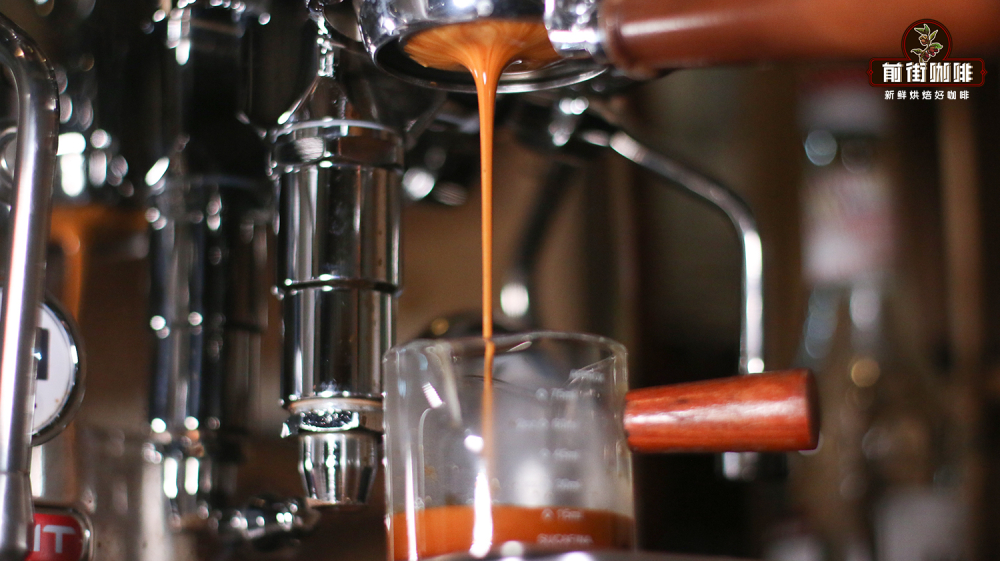
At this point, Front Street will first change the flow rate by increasing the powder amount by 0.1 grams each time. When Front Street uses 20 grams of coffee powder and extracts the same liquid weight, the time becomes 29 seconds. Tasting the espresso liquid, there is no strange bitterness, but the aroma is slightly flat, indicating that the coffee is under-extracted. This shows that increasing the powder amount is not effective enough, and the grind size needs to be changed. Here it should be adjusted finer so that the particles are smaller and fully release the flavor substances. Conversely, if the flow rate becomes slower, you first need to reduce the powder amount to speed up the flow. If reducing the powder does not achieve the effect, then adjust the grind coarser.The direction of parameter adjustment is flexible. As long as we are familiar with the characteristics of the coffee beans and the espresso machine, quickly dialing in a delicious espresso is not difficult.
The above content is compiled by CoffeeHunters, a coffee news website.


