







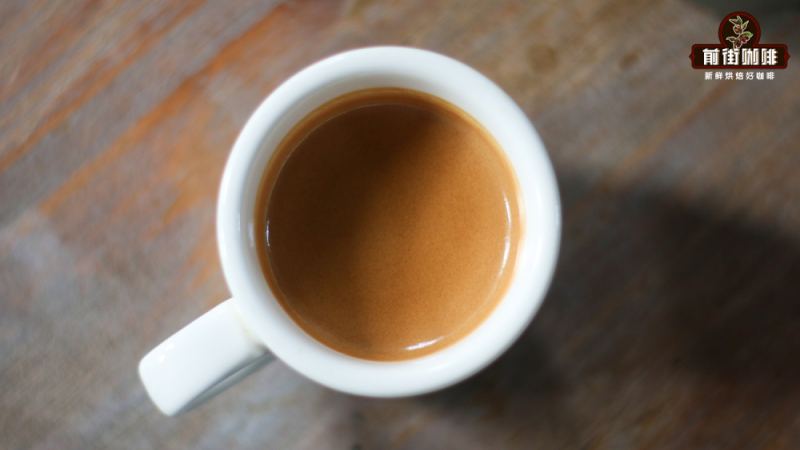
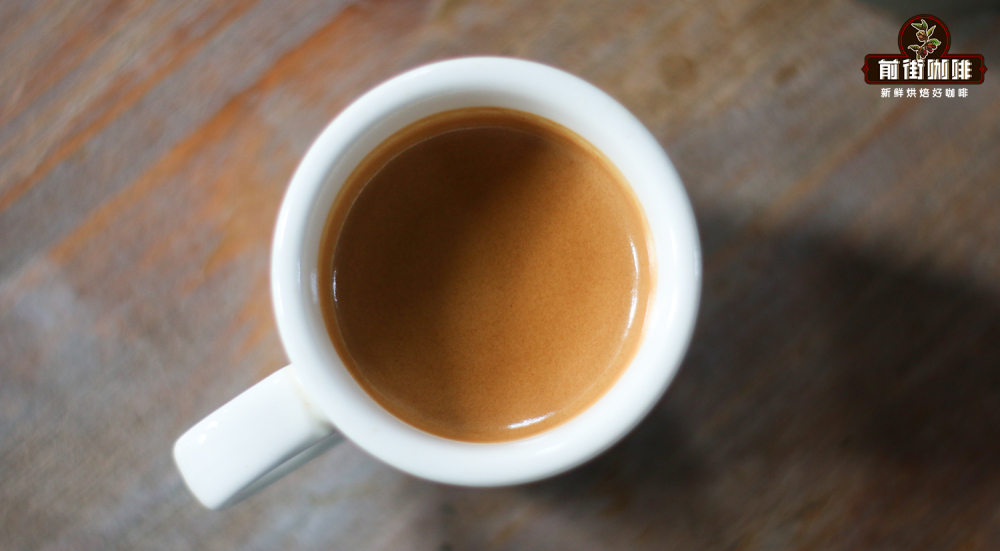
Front Street Espresso(Espresso) is a coffee beverage with a strong taste, made by forcing hot water at around 92°C through finely ground coffee at 9 bars of pressure to extract the coffee liquid. Many customers are at a loss when buying coffee beans, not knowing how to choose. Front Street Coffee (FrontStreet Coffee) will discuss how to choose coffee beans.
Front Street Italian Coffee BeansSelection Approach
Roast Level: Let's start from this angle. Whether it's single-origin coffee beans or blended coffee beans, we should first pay attention to the roast level. Italian coffee is not suitable for using lightly roasted coffee. Lightly roasted coffee retains more acidity and less crema; if used for espresso, it would be a sharp and thin cup of coffee. For example, many single-origin coffee beans on the market specifically for pour-over coffee are actually not quite suitable for Italian coffee.
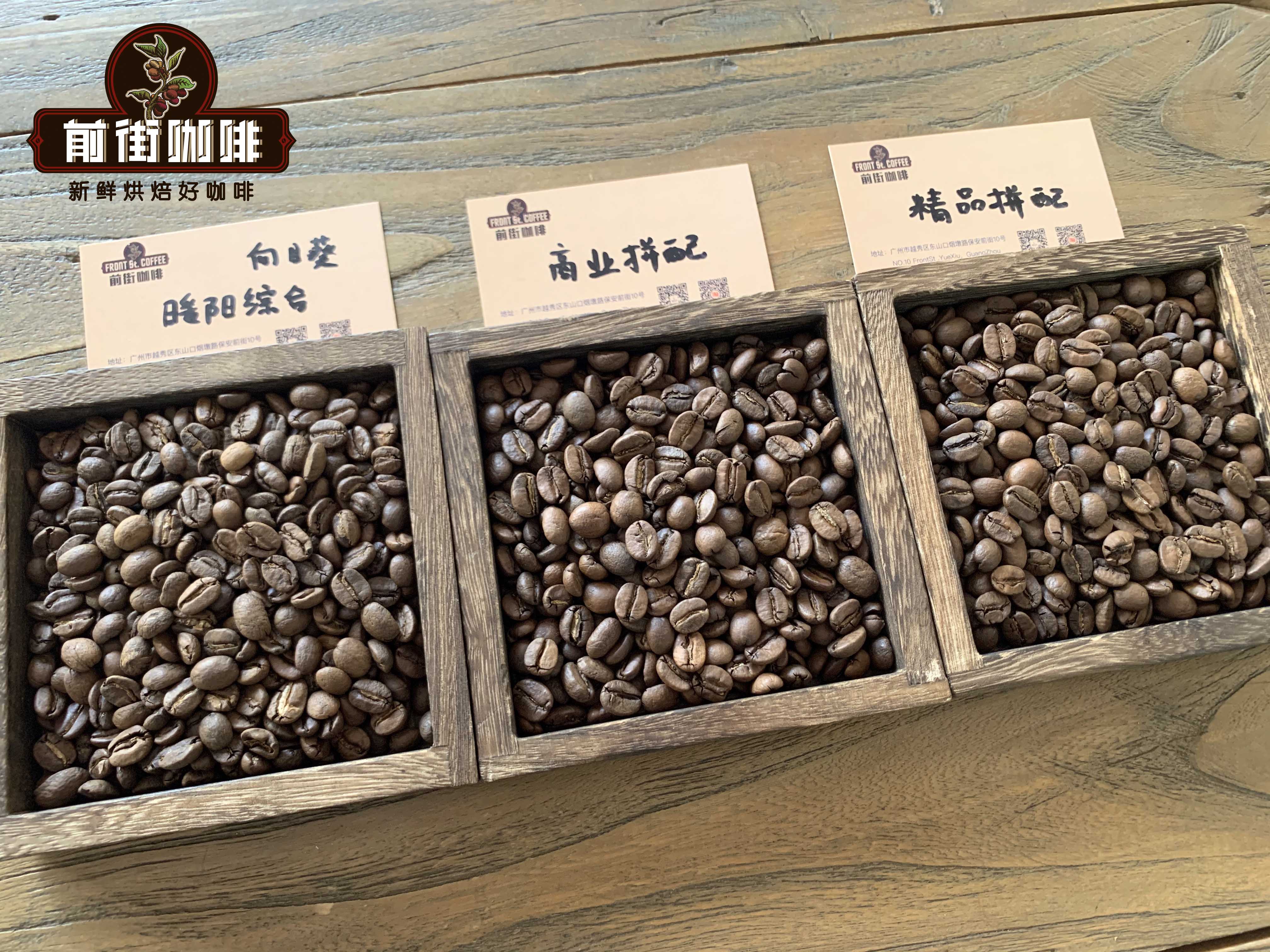
When purchasing, please check clearly the roast level on the coffee beans or whether it is labeled as suitable for espresso machines.
Blended Coffee and SOE Coffee: SOE stands for "Single Origin Espresso." This concept exists in contrast to blended espresso. Although SOE represents single-origin espresso, it does not necessarily equal specialty coffee. If you choose single-origin coffee beans with easily recognizable and intense flavors as SOE, you can create an espresso with unique and typical flavors.
At the same time, the characteristic of "single origin" is also a disadvantage. If coffee beans with insufficient flavor intensity or unpleasant tastes are chosen, these will also be amplified in the espresso, making it easier to taste the flaws and bad flavors. Therefore, the requirements for the barista's sensory skills and SOE bean selection need to be more stringent.
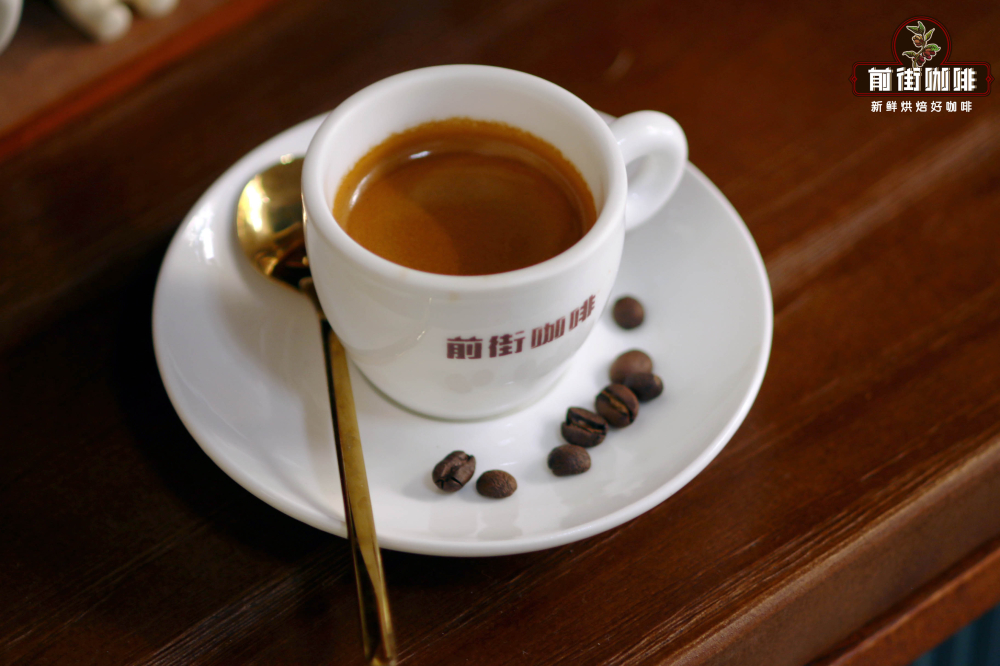
Blended Coffee: Blended coffee, also known as mixed coffee, is the blending of various single-origin coffee beans together, thereby fully bringing out the strengths of each single-origin coffee bean. Blended beans are made by mixing coffee beans from different origins to create a more balanced taste.
Coffee is a crop, so even for the same type of coffee bean, its flavor can vary from year to year. Therefore, blending several coffee beans together solves this problem well. When a certain coffee bean in the blend does not meet expectations in flavor in a new harvest season or is in short supply, it can be adjusted by replacing it with coffee beans of similar flavor.
The advantage of blended coffee lies in its ability to complement flavor characteristics between origins, forming a stable flavor, and it also has a clear advantage in price.
Front Street Italian Coffee BeansBlend Options
Depending on the type of coffee, the blended Italian coffee beans will also have different characteristics in taste and flavor.
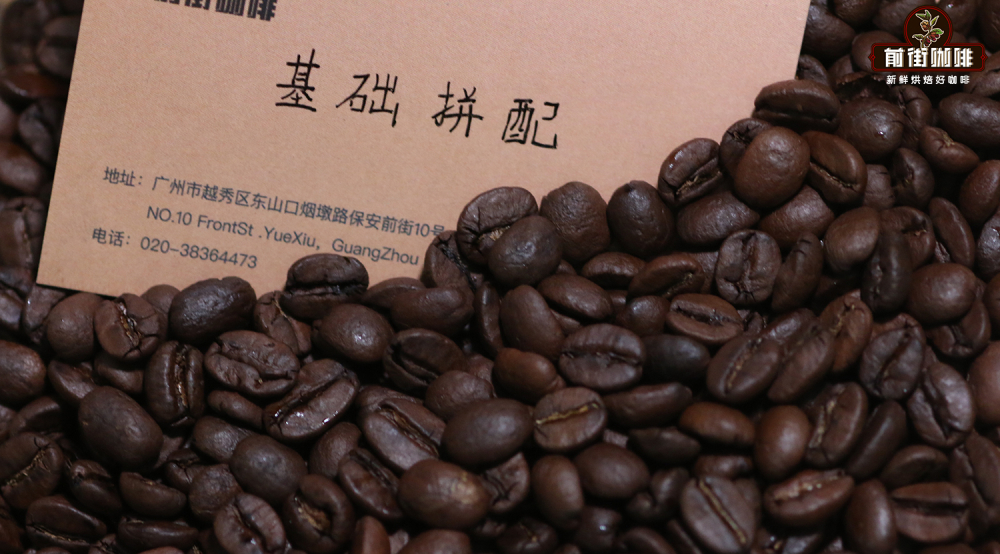
1. Front Street Basic Italian Blend Coffee Beans, characterized by affordability
Recipe: Brazilian Red Bourbon beans (70%), Yunnan Arabica coffee beans (30%).
This Italian coffee bean focuses on high cost-effectiveness. Front Street uses a blend of 100% Arabica beans from Brazil and Yunnan, China. With price as an advantage, it ensures the extracted espresso has the classic nutty creamy aroma and dark chocolate notes. It is suitable for personal daily consumption or low-cost coffee bean use, and also suitable for shop owners and home users who prioritize cost and have general flavor requirements.
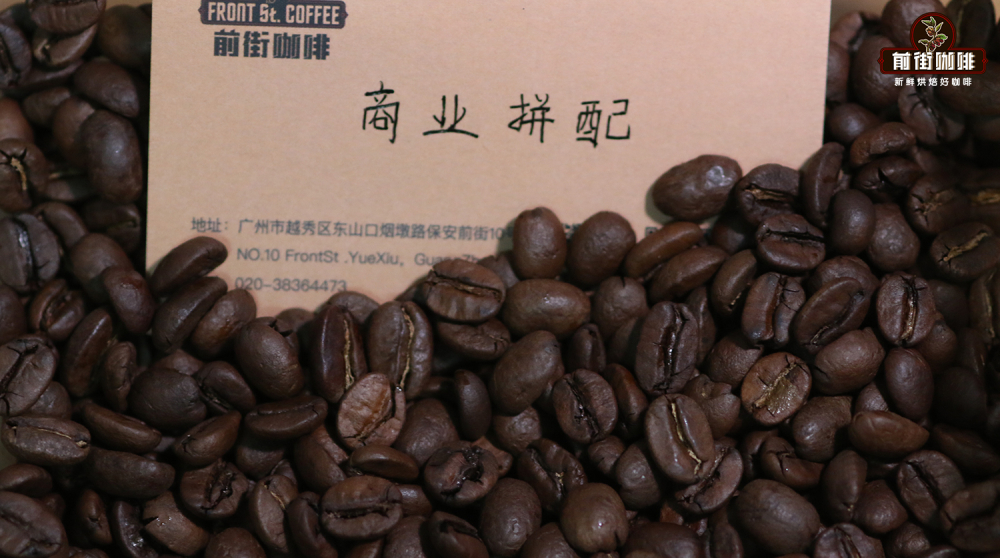
2. Front Street Commercial Italian Blend Coffee Beans, characterized by rich aroma and thick crema
Recipe: Colombia (30%), Brazil (60%), Robusta (10%).
Front Street, considering the diversity of its audience, to create a blend with a strong taste, must select coffee beans with rich flavors. These include Colombian coffee beans with a strong nutty chocolate flavor, Brazilian coffee beans with a mild bitterness, and Robusta coffee beans known for their full body and rich crema. The coffee beans blended this way have a heavier bitterness and are deeply loved by coffee enthusiasts, meeting the daily needs of shops.
3. High-Quality Classic Front Street Specialty Italian Blend Coffee Beans
Recipe: Brazil (70%), Colombia (30%).
The traditional classic Italian coffee flavor is a rich nutty chocolate tone. Front Street takes this classic flavor as the taste goal for this blend recipe. To achieve an excellent flavor, high-quality Arabica coffee beans must be selected. Front Street uses a blend of Arabica coffee beans from Brazil and Colombia. The balance and nutty notes of Brazilian coffee beans, along with the full body of Colombian coffee beans, give this blend a good performance. The priority of the blend is both stability and flavor. The espresso produced has rich and delicate crema, a full body with nutty main notes and a slight fruity acidity. It is suitable for some specialty coffee bean uses and can also meet the daily output needs of coffee shops.
4. Front Street Sunflower Warm Sun Italian Blend Coffee Beans, with specialty coffee characteristic flavors
Recipe: Front Street Honduras Sherry (70%), Front Street Yirgacheffe Red Cherry (30%).
Front Street named this uniquely flavored Front Street Italian coffee bean "Sunflower Warm Sun." As the name suggests, the aroma of this Front Street Italian blend coffee bean is as comforting as warm sunshine, and the taste and flavor are eye-catching. With the richly fermented wine aroma of Front Street Honduras Sherry coffee beans as the main component, paired with the acidity-forward Front Street Yirgacheffe Red Cherry coffee beans, it can create a fragrant and rich blended coffee.

Just like the extraction parameters for pour-over coffee, espresso places even more emphasis on extraction parameters. The following will separately explain coffee powder dose, powder-to-liquid ratio, extraction time, flow rate, extraction pressure, and extraction temperature for analysis.
Coffee Powder Dose
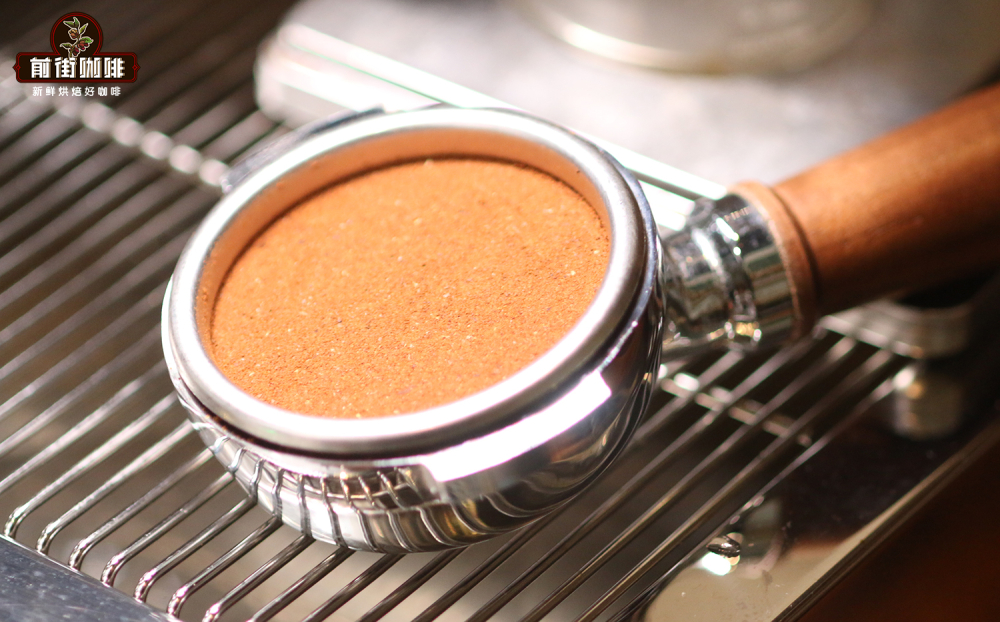
The amount of coffee powder is determined by the capacity of the portafilter basket. Some coffee machine manufacturers offer double baskets in capacity specifications of 16g, 18g, 20g, 22g, etc. These specifications are recommended capacities, with a maximum error filling dose of ±1g. For example, using an 18g basket, the reasonable dose range can be 17-19g.
Front Street does not recommend a dose much less or much more than the basket size. The dose affects the density of the puck. Under the same tamping force, too little powder will be looser, causing a faster flow rate and thus under-extraction. Conversely, too much will be denser, with a slower flow rate or even difficulty extracting coffee liquid.
Powder-to-Liquid Ratio
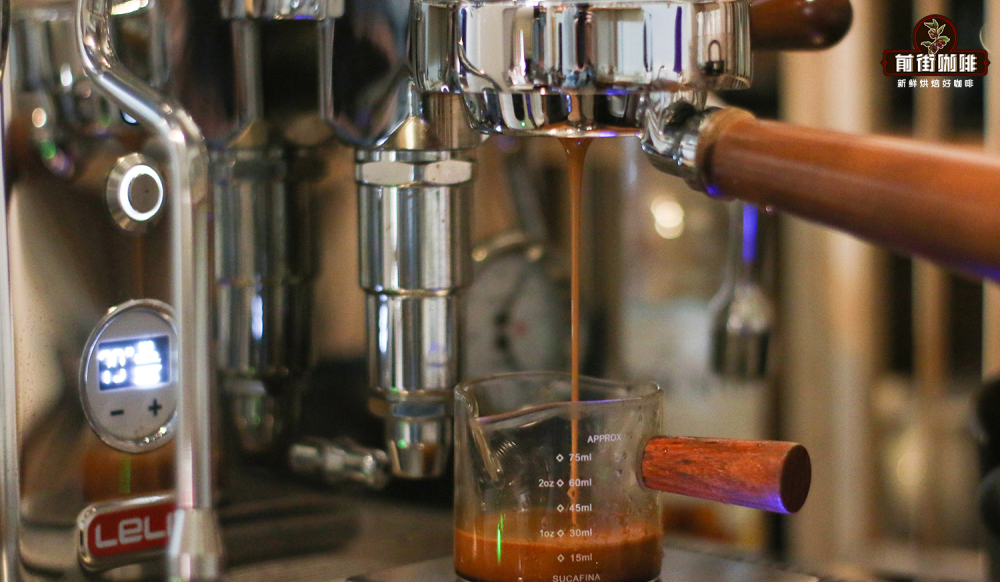
Espresso uses the ratio of coffee powder to espresso liquid, because you cannot calculate how much water was used for extraction. Of course, some new coffee machines have a flow meter installed at the water inlet to display the water volume. The initial extraction ratio was the single-shot espresso standard: 7-8g of powder extracting 25-30ml of espresso liquid. The former is a weight unit, and the latter is a volume unit. Only when the density is consistent are the two equivalent. But we all know that the extracted espresso has golden crema, and the thickness of this crema depends on the roast level and freshness of the coffee. Therefore, using this measurement method will cause inconsistent output.
Thus, the powder weight to liquid weight ratio emerged. Generally, it is between 1:1.5 and 1:2.5, with 1:2 being more commonly used, such as 20g of coffee powder extracting 40g of coffee liquid. The ratio is influenced by two factors: the powder dose and the water amount. A ratio that is too low will make the coffee taste very rich and heavy, prone to bitterness from over-extraction. Conversely, a ratio that is too high will taste bland and insipid, with sharp acidity from under-extraction.
Extraction Time
Time refers to the entire extraction time from locking in the portafilter and pressing the extraction button to the end of extraction. The factors affecting extraction time are the grind size and the ratio. The ratio is easier to understand: a higher ratio requires more water for extraction, so the time naturally becomes longer. Grind size affects the coarseness of the coffee powder, and the coarseness directly affects the density of the coffee puck. The finer the coffee powder, the denser the puck after tamping, making it difficult for water to pass through, which lengthens the time and easily leads to over-extraction. Generally, the extraction time for an espresso is about 20-30 seconds.
Flow Rate
Flow rate is the speed at which the coffee liquid flows down. The ultimate goal of our extraction parameters is actually a flow rate result. Normally, a standard espresso should start dripping the first drop of coffee liquid about five seconds after pressing the extraction button, with a relatively even flow thereafter. The speed of the flow rate directly reflects whether the grind size and ratio are appropriate. If it takes more than 10 seconds (excluding pre-infusion) for the first drop of coffee liquid to appear, then the powder may be too fine, or the tamping too dense. If the flow rate is too fast or there is channeling, then the powder is too coarse, or channeling has occurred.
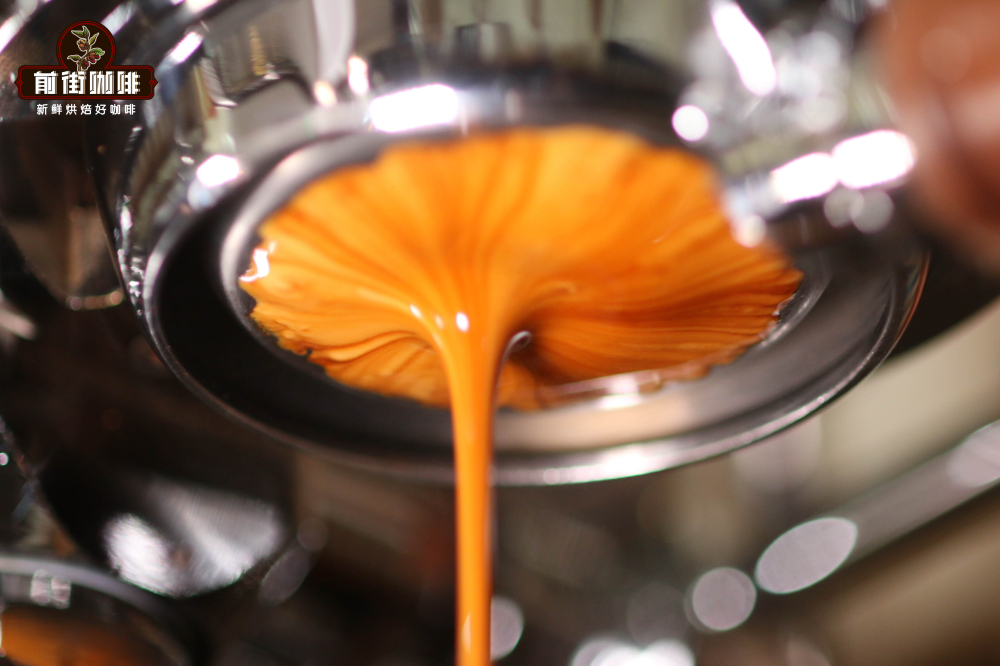
Extraction Pressure
Generally, the extraction pressure of a semi-automatic coffee machine is around 9 bars, which is determined by the performance of the coffee machine. Some coffee machines now have pressure profiling functions. Low pressure results in low extraction efficiency, while high pressure results in high extraction efficiency.
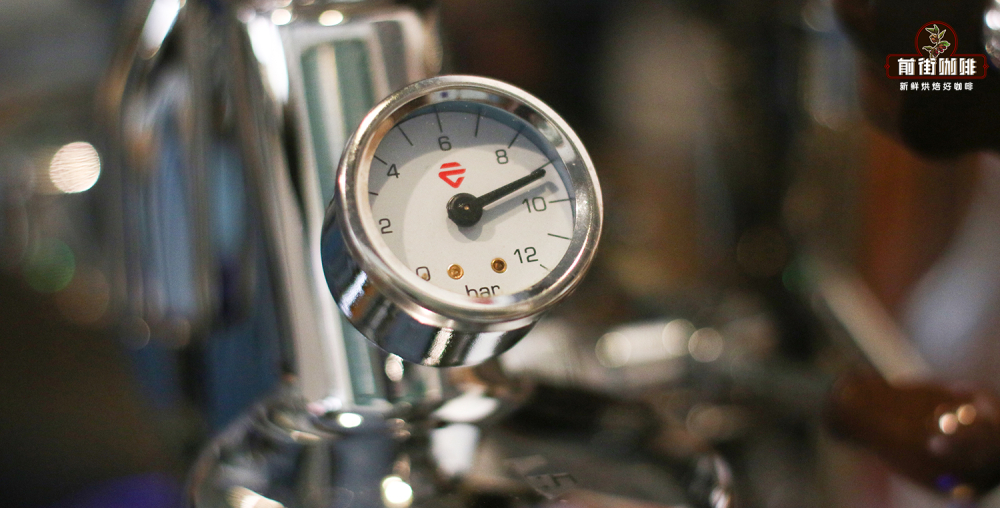
Extraction Temperature
The water temperature for extracting espresso is generally between 90 and 94°C. Too high a water temperature easily causes over-extraction, making the coffee taste bitter. Too low a water temperature easily causes under-extraction, resulting in sharp acidity in the coffee taste.
For professional coffee knowledge exchange and more coffee bean information, please follow Coffee Workshop (WeChat public account: cafe_style)
For more specialty coffee beans, please add the private WeChat of Front Street Coffee (FrontStreet Coffee), WeChat ID: kaixinguoguo0925
The above content is compiled by CoffeeHunters, a coffee news website.

