







Search Results for: espresso liquid
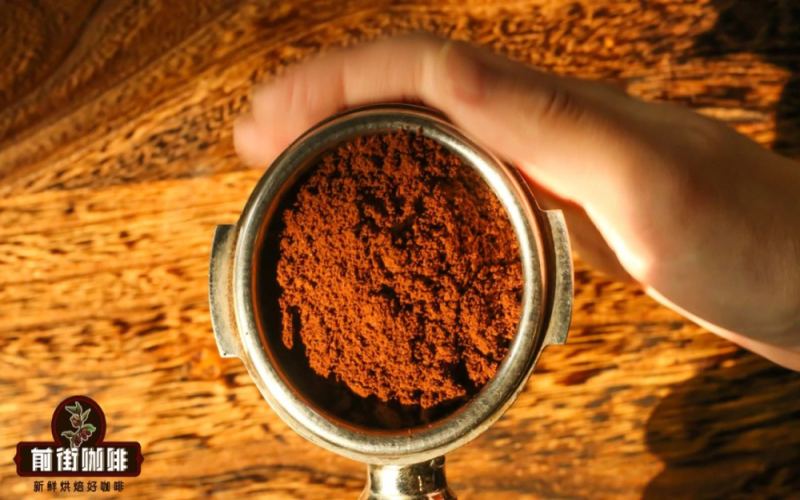
Espresso Coffee Powder-to-Water Ratio | How Many Milliliters Is 1 Shot of Espresso? What Is the Correct Way to Drink Espresso? Introduction to Espresso Extraction Recipes
The standard espresso ratio is 1:2—a single shot uses 9g of grounds to yield 18g of liquid, and a double shot uses 18g of grounds to yield 36g of liquid. When actually pulling a shot, fine-tune based on this brew ratio and the taste. The grind size for espresso is also adjusted by referencing this extraction time: if it runs fast, grind finer; if it runs slow, grind coarser, until the extraction time matches. [more…]
The Complete Guide to Espresso: Classification and Extraction Key Points from Espresso to Ristretto and Lungo
Espresso is the core category of coffee shops worldwide, serving as the base for everything from Americanos and lattes to cappuccinos and flat whites. This article systematically outlines the history and definition of Espresso, explains its basic characteristics of rapid extraction via steam pressure and the golden foam on its surface, and introduces the differences among the three espresso types—Ristretto, Normale, and Lungo—in terms of powder-to-liquid ratio and flavor intensity. At the same time, using the "Sunflower Warm Sun Blend" produced by Front Street Coffee shops as an example, the article breaks down the complete process from weighing the grounds, distributing, and tamping to controlling extraction time and liquid weight, helping coffee enthusiasts understand the key details behind a rich, mellow cup of espresso. [more…]
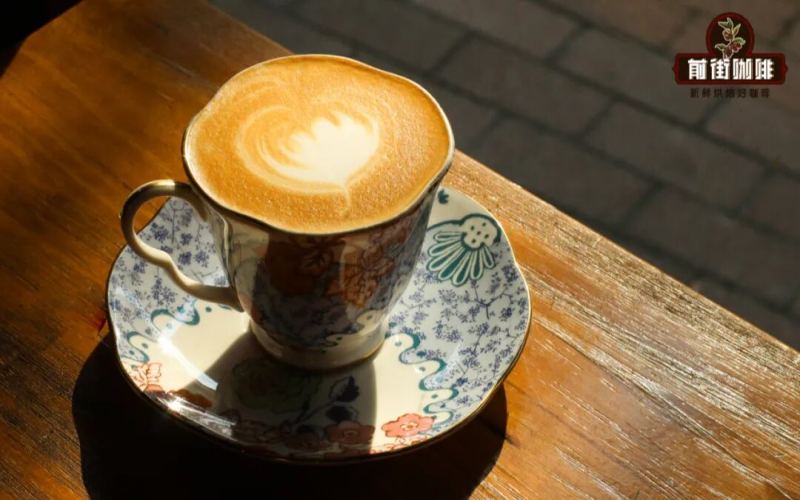
Espresso | What is the golden extraction ratio for espresso? Must the coffee-to-liquid ratio for making espresso be 1:2?
Front Street Coffee believes that after you've been working with espresso for a while, you'll certainly be familiar with the "1:2" brew ratio, because it's often hailed as the "golden ratio" for espresso and is the most commonly used ratio when extracting espresso. Brew ratio refers to the amount of coffee grounds used [more…]
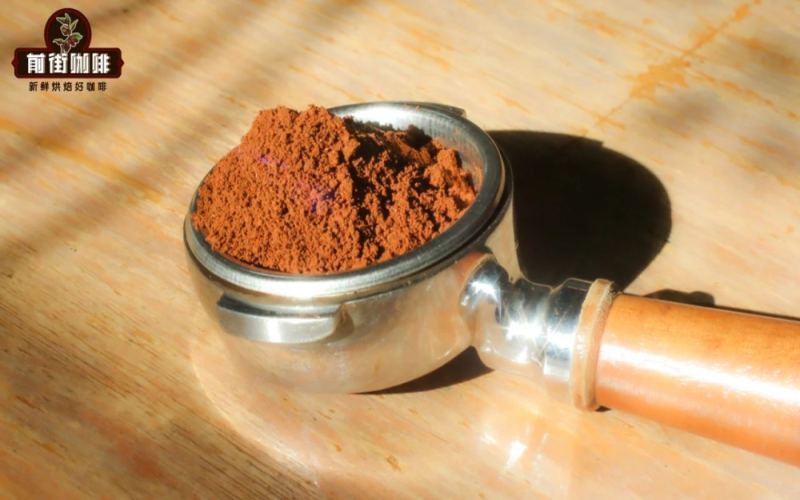
Espresso Flavor Variations | How Does the Coffee Grounds-to-Liquid Ratio in Espresso Affect the Extraction Process? Which Extraction Parameters Will Change the Taste of Espresso?
We usually see baristas making espresso with very neat and simple movements, and it seems they can make a rich coffee base in just two minutes. In reality, however, an ideal espresso requires controlling the ratios and balance among various parameters in order to pursue the best taste and flavor, and mastering these ratios requires [more…]
Flavor Characteristics and Tasting Methods of Espresso: From Traditional Italian Beans to an Analysis of Three Extraction Types
Espresso is the soul cornerstone of coffee shops worldwide. From Americanos and lattes to cappuccinos, none of them can do without this small cup of rich coffee liquid. This article starts with the historical origins of espresso, tracing the key evolution of Italian coffee machines from 1884 to 1948, and analyzes the formation logic of crema and the tradition of dark roasting. It also introduces in detail the differences in extraction parameters among the three types of espresso—Ristretto, Normale, and Lungo—and, combining the flavor characteristics of Front Street Classic Blend and Front Street Strawberry Candy Espresso, explains the scenarios for which traditional Italian-style beans and floral-fruity flavor profiles are each suited. Finally, using Front Street Dark Cocoa Blend as an example, it fully demonstrates the production process and tasting method for a cup of rich, full-bodied espresso. [more…]
Analysis of the Three Major Types of Espresso: From Historical and Cultural Origins to a Practical Extraction Guide
Espresso is the soul cornerstone of coffee shops worldwide, from Americanos and lattes to cappuccinos, all depend on this small cup of rich coffee liquid. This article will guide you through the historical context of Italian coffee, from the birth of the first espresso machine in 1884 to the revolution brought by the lever-style coffee machine in 1948 that introduced crema. It will also provide a detailed analysis of the extraction differences and flavor characteristics of Espresso, Ristretto, and Lungo. Meanwhile, Front Street Coffee (FrontStreet Coffee) will use the "Sunflower Warm Sun Blend" as an example to share the complete operational process from dosing, tamping, to extraction parameter control, helping you gain a deeper understanding of the essence of Italian coffee culture. [more…]
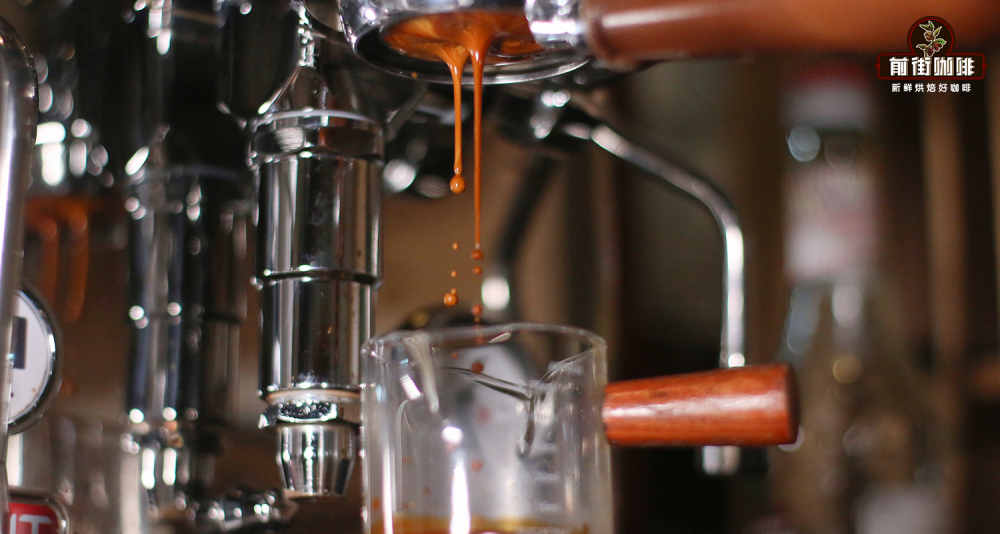
Espresso Extraction Ratio | How to Determine Espresso Grind Size? How to Adjust Espresso Grind Settings?
For more specialty coffee knowledge, please follow our WeChat official account: FrontStreet Coffee. Italy is a country of coffee culture, and the espresso that has spread across the globe is the soul of coffee and a treasure Italy has given to the world. Espresso, as its name suggests, is a [more…]
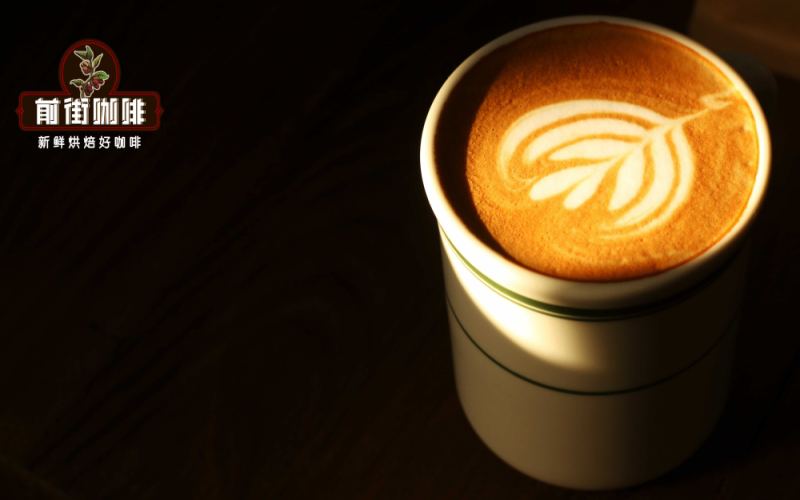
Standard Espresso Extraction Time | What's the Difference Between Americano and Espresso? What Factors Affect the Flavor of Espresso?
Espresso Extraction Standard Time - The Difference Between Americano and Espresso. Front Street Coffee has noticed that many friends have fallen in love with espresso topped with golden crema and hope to make it at home. Compared with pour-over, espresso is made using steam pressure, with scalding hot water passing through the coffee grounds to brew a small [more…]
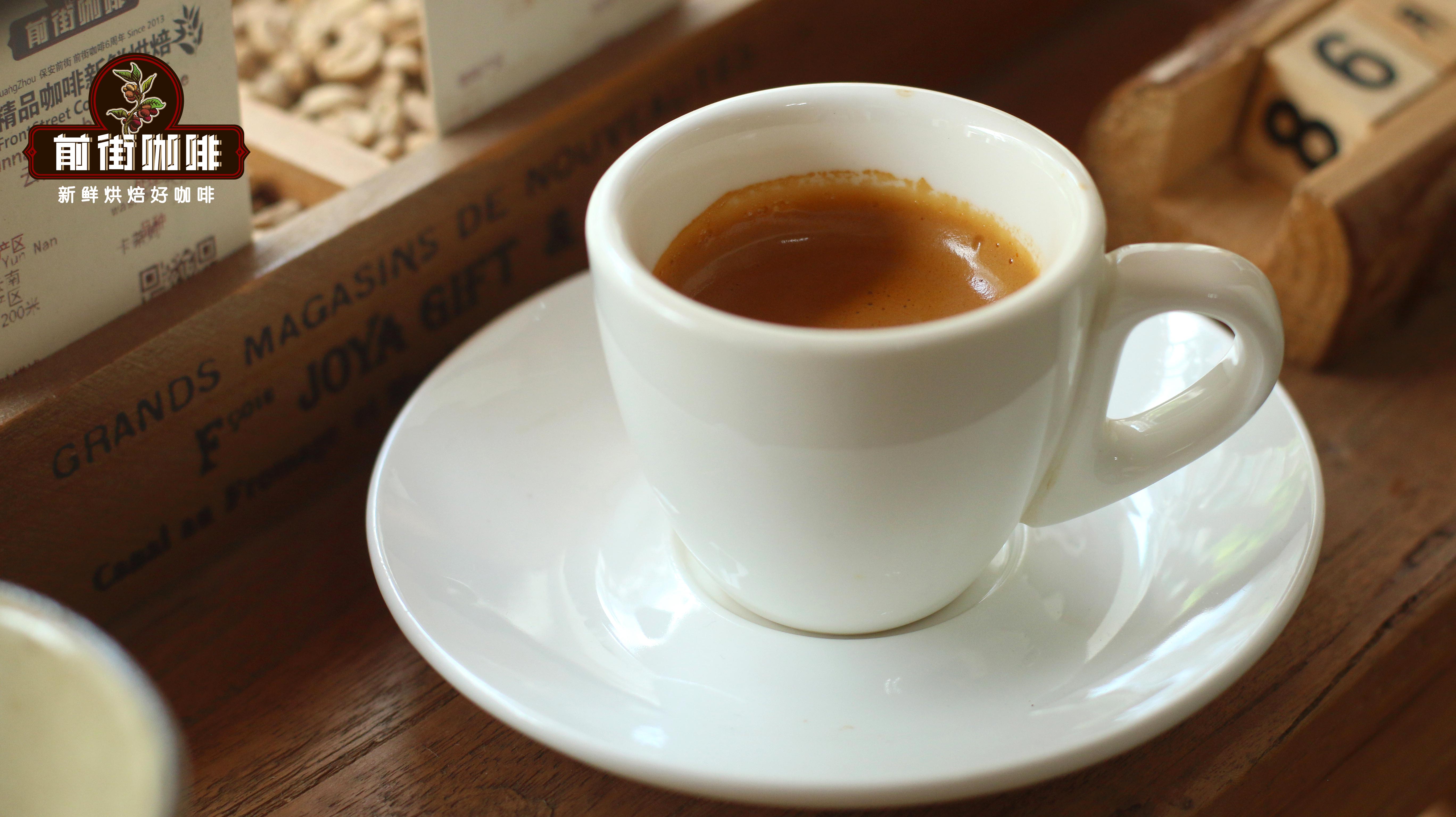
Italian Coffee History | Espresso Types: What's the Difference Between Ristretto, Normale, and Lungo? How Do You Make a Good Espresso?
For more specialty coffee knowledge, please follow: Front Street Coffee (Frontsteet Coffee) As we all know, Italian coffee has had a profound influence on the development of the global coffee market. Espresso is almost a must-have beverage in every coffee shop. For example, Front Street stores offer Americano, latte, cappucci- [more…]
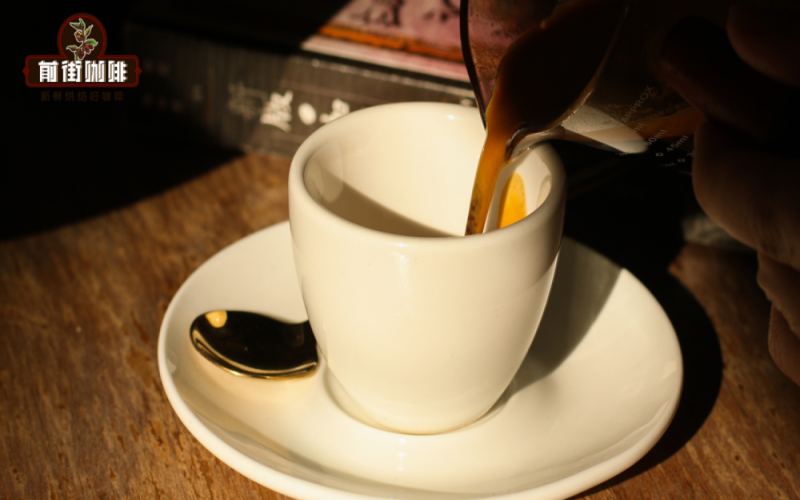
How to Extract Espresso? A Full Analysis of Dose-to-Yield Ratio, Grind Size, and Extraction Time
To make a decent espresso at home, you need to get three things straight: how much coffee you use, how much liquid you extract, and how fine you grind. The standard reference is a 1:2 coffee-to-liquid ratio—about 9 grams of coffee yielding 18 grams of liquid for a single shot, and 18 grams of coffee yielding 36 grams for a double, with the actual output fine-tuned to taste. As for grind size, watch the flow rate: if it runs fast, grind finer; if it runs slow, grind coarser, until the extraction time falls within the right range. The roast level of the beans also matters a lot—medium-dark roasts and darker make it easier to achieve a balanced flavor. Drawing on the real-world parameters of Front Street Coffee's classic blend, this article lays out the extraction logic clearly in one go. [more…]
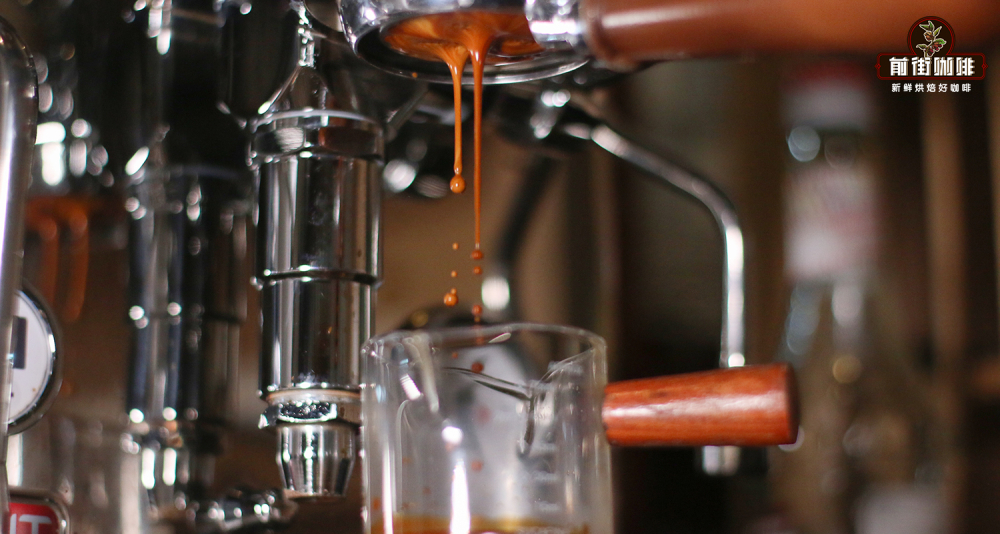
Espresso Extraction Principles | What techniques are there for extracting delicious espresso? Recommended dark chocolate nutty espresso blend beans
For more specialty coffee knowledge, please follow our WeChat official account: FrontStreet Coffee. Italy is a country of coffee culture. The espresso that has spread across the globe is the soul of coffee and a treasure Italy has given to the world. Espresso, as the name suggests, is a [more…]
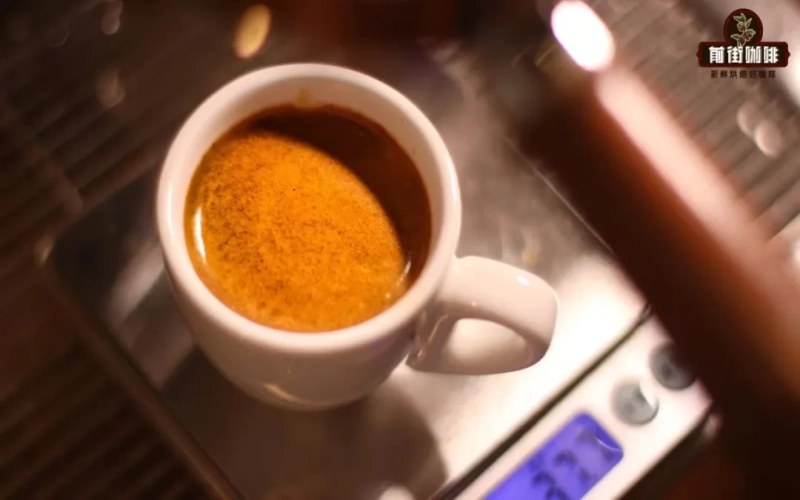
One shot or two? Decoding what a "shot" really means, starting from dose standards
When ordering at a coffee shop, have you ever been confused: if you extract 36ml of espresso from 18g of coffee grounds, should that count as 1 shot or 2 shots? This seemingly simple question actually involves the evolution of measurement standards in the coffee industry. In the early days, 1 shot referred to 30~36ml of coffee liquid extracted from 7~9g of grounds, while today the mainstream approach has changed to extracting 36ml of liquid from 18g of grounds. Is the measurement object the dose of grounds or the volume of liquid? Today, Front Street Coffee will start with the origin of the word "shot" to help you thoroughly sort out the logic for determining single versus double espresso, so you will no longer be confused when ordering or making coffee. [more…]
Italian Espresso Flavor and Grind Setting Analysis: The Art of Extracting Traditional Italian Beans
Espresso is the essence of Italian coffee culture and the soul cornerstone of coffee shops worldwide. From the birth of the first espresso machine in 1884 to the revolution brought by the lever-style coffee machine in 1948 with crema, espresso has continuously evolved. This article will guide you through the flavor characteristics of Espresso, three extraction types (Ristretto, Normale, Lungo), and the roasting orientation of traditional Italian beans. At the same time, Front Street Coffee will share recommendations for classic blends and strawberry candy espresso, and provide a detailed explanation of how to extract a rich and aromatic Italian espresso using Front Street Dark Cocoa Blend, including key parameters such as dose, grind setting, and extraction time. [more…]
Italian Coffee History and Culture | What Types of Italian Espresso Are There? How Do Short Ristretto, Normal Normale, and Long Lungo Differ?
As is well known, Italian coffee has profoundly influenced the development of the global coffee market. Espresso is an essential beverage in almost every coffee shop. For instance, Front Street Coffee locations offer classic drinks such as Americano, Latte, Cappuccino, and Flat White, while many shops incorporate various additional ingredients to create more creative specialty beverages. [more…]
The origins, evolution, and key position of espresso in the global coffee landscape
Espresso holds a pivotal position in the global coffee market, and its presence is indispensable on the menus of virtually every café. From the Americano, latte, cappuccino, and flat white offered at Front Street locations to a variety of creative specialty drinks, espresso is an essential base. It originated in Italy and, through more than a century of iteration in machines and craftsmanship, has taken the form we are familiar with today. This article will guide you through the historical development of espresso, explain its brewing principles and classification methods, and, using Front Street's "Sunflower Warm Sun Blend" as an example, provide a detailed breakdown of the entire extraction process for a rich, full-bodied espresso. [more…]
How Should the Espresso Brew Ratio Be Determined? A Complete Guide from Dose and Grind Size to Extraction Time
To make a decent espresso at home, the coffee-to-water ratio and grind size are two core variables you can't avoid. Standard espresso is usually based on 1:2, with a single shot using about 9 grams of coffee to extract 18 grams of liquid, and a double shot using 18 grams of coffee to 36 grams of liquid, but the actual output still needs fine-tuning based on how it tastes that day. The most intuitive way to judge whether the grind size is right is the extraction flow rate: if the liquid comes out too fast, the grind is too coarse and needs to be made finer; if the liquid comes out too slow, the grind is too fine and needs to be made coarser, until the extraction time falls within a reasonable range. Besides the parameters, the choice of beans is equally key—medium-dark roast blends or darker are more likely to achieve a balanced, stable flavor. This article will organize an actionable set of adjustment ideas around dose, ratio, grind size, and extraction time. [more…]
The Many Faces of Espresso: From Ristretto to Lungo, the Flavor Code of Italian Espresso
Espresso is the soul of the café and the cornerstone of global coffee culture. From the debut of the first espresso machine in 1884 to the lever machine that introduced crema in 1948, the evolution of Espresso has witnessed innovation in coffee craftsmanship. This article takes you deep into the five identities of espresso—regular Espresso, Ristretto, Normale, Lungo, and the extraction logic and flavor differences behind them. At the same time, Front Street Coffee will share in-store production experience, including recommendations for the "Sunflower Warm Sun Blend" and classic Italian-style blend beans, helping you gain a comprehensive mastery of the charm of espresso, from bean selection to drinking methods. [more…]
A Detailed Guide to Espresso Coffee Powder-to-Water Ratio: From the Standard 1:2 to Flexible Adjustment Techniques for Extraction Parameters
The brew ratio of espresso is one of the key factors determining its flavor expression. The standard ratio is usually 1:2, meaning a single shot uses 9 grams of coffee to extract 18 grams of liquid, while a double shot uses 18 grams of coffee to extract 36 grams of liquid. However, in actual production, fine-tuning based on taste is still necessary. Starting from the definition of espresso, this article will provide a detailed analysis of its taste characteristics, the correct way to drink it, and the adjustment logic of core extraction parameters such as dose, liquid weight, and grind size. At the same time, drawing on the hands-on experience of Front Street Coffee stores, it will share how to quickly dial in a balanced and delicious espresso through flexible variable control. [more…]
Espresso Extraction Parameters | Why Is the Espresso Brew Ratio 1:2? How Do You Adjust Extraction Time, Coffee-to-Water Ratio, and Water Temperature for Espresso?
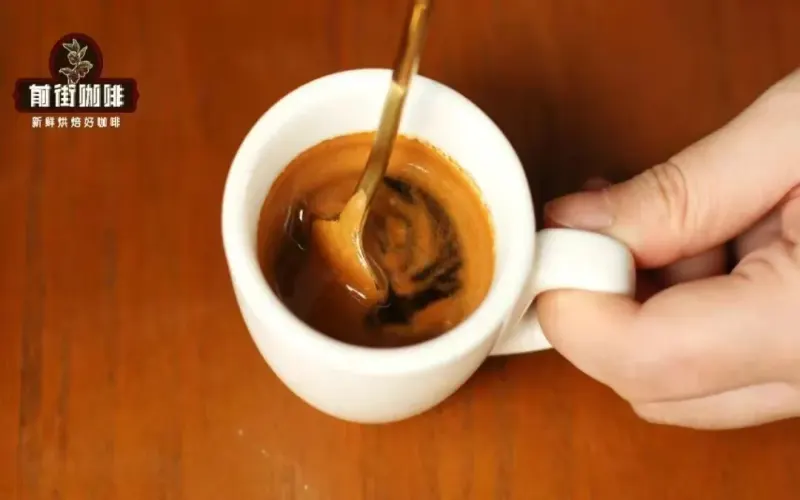
Friends often tell Front Street Coffee that they've just bought a new coffee machine but don't know how to dial in a standard espresso. They don't know how much coffee grounds to use, how much liquid weight to extract, or how long it should take. And even if they follow popular extraction formulas like "use 18g of grounds to extract 36ml of coffee liquid," what they end up with [more…]
Espresso Crema | What Is Crema in Espresso? Does Crema Affect the Flavor and Mouthfeel of Espresso?
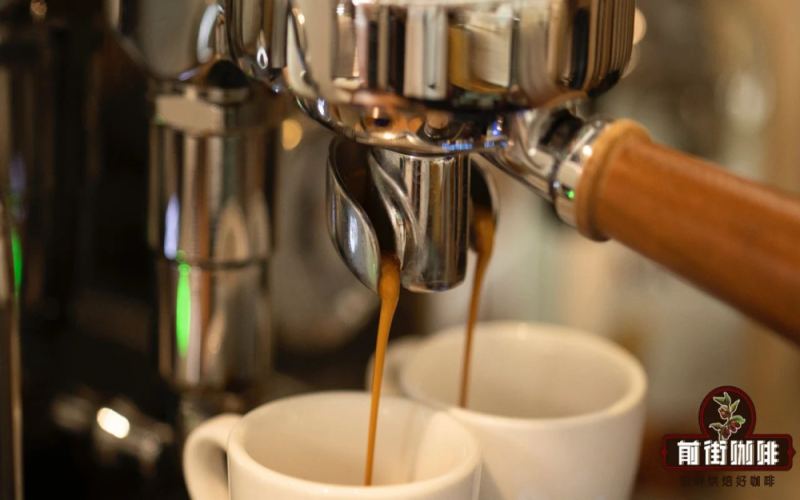
A deep understanding of the essence of crema will be of great help to baristas in making a delicious espresso. Today, the instructor of the Chongqing Barista Coffee Training Course will give you a detailed analysis of crema to help you understand espresso and improve your coffee-making skills. In searching for a cup that is not bitter and has excellent flavor, a rich [more…]