







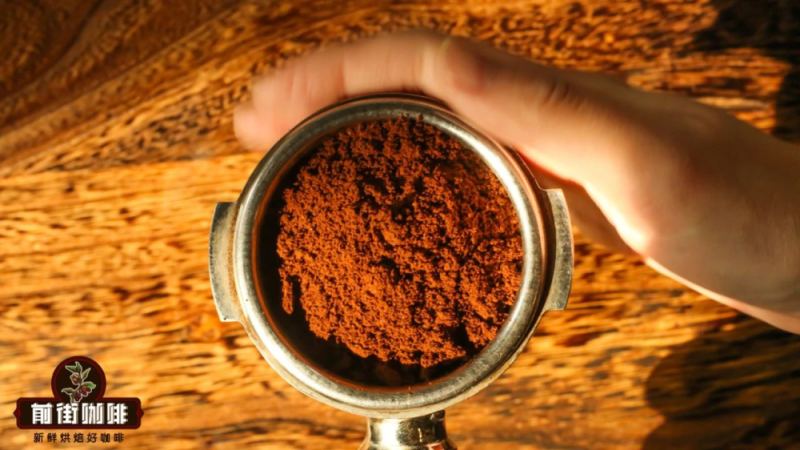
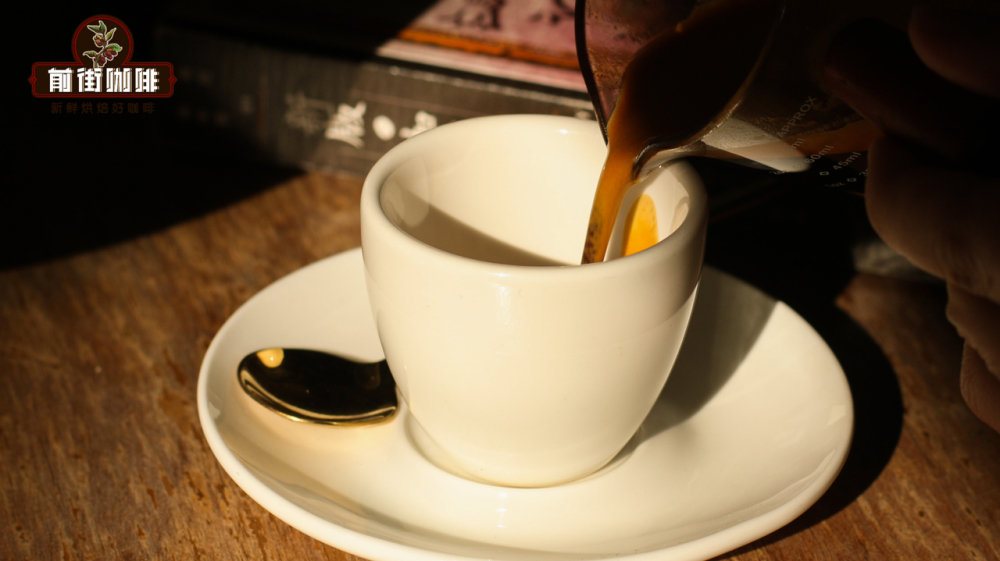
The standard espresso ratio is 1:2—a single shot uses 9g of coffee to yield 18g of liquid, and a double shot uses 18g of coffee to yield 36g of liquid. In actual production, fine-tune based on this brew ratio and taste. The grind size for espresso is also adjusted based on this extraction time as a reference: if it's too fast, grind finer; if it's too slow, grind coarser, until the extraction time matches.
The steps to make espresso may seem very simple, but crafting the best-tasting, rich espresso requires controlling the proportions and balance of various parameters, and mastering these ratios takes long-term exploration and summarization.
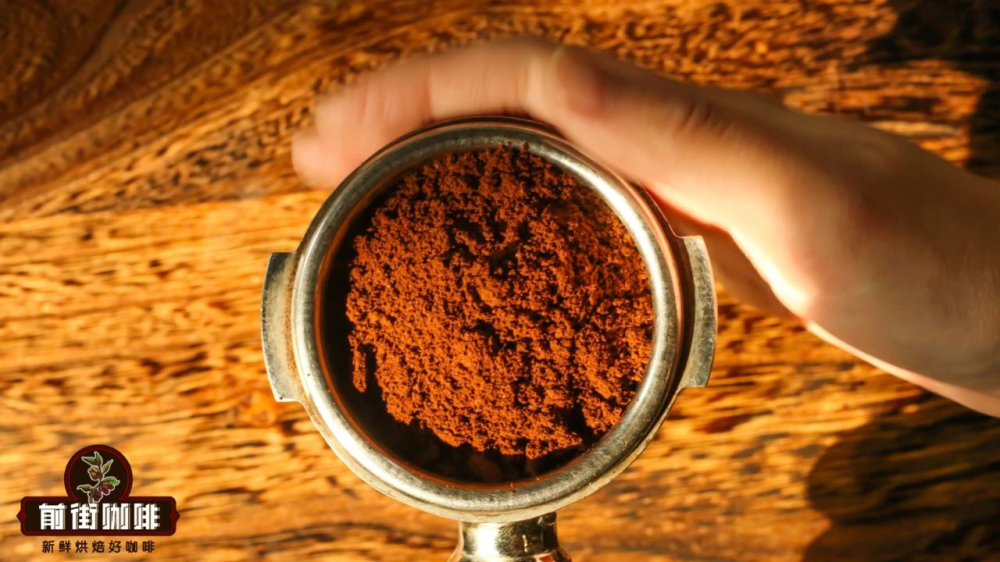
What is espresso~
Espresso refers to a beverage made using a fully automatic or semi-automatic espresso machine, under appropriate conditions (high temperature, high pressure), where hot water is forced under immense pressure through finely ground coffee, quickly extracting a liquid rich in crema, intense aroma, and full body.

Espresso has a concentrated, intense flavor that easily stimulates our taste buds, so it is the least produced item in coffee shops, but a high-quality espresso is the foundational standard for every coffee shop. This is because the refreshing iced Americano we often drink, the visually appealing latte art hot latte, or the rich and creamy flat white are all based on espresso, mixed with various ingredients in proportion.
The correct way to drink espresso
Many shops do not list espresso directly on the menu, but as a hidden item, there are still "bold-flavored" customers who come for it. For example, Front Street's menu only has four espresso-based drinks and does not include espresso itself, yet some customers come every so often to taste this "mini coffee."

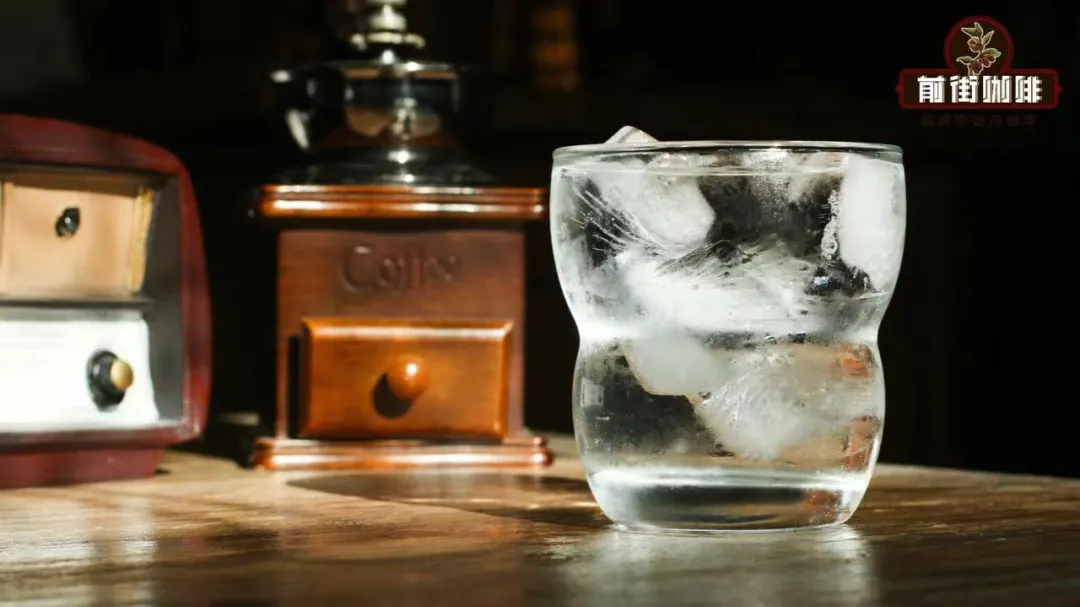
Espresso is usually served with a glass of ice water or room-temperature water so we can rinse and clean our palate. When the espresso is brought over, you can smell the fresh aroma of the crema on top and observe the dense, fine foam. Then use the small spoon provided to gently stir the coffee liquid to make its flavor more even. At this point, you can begin tasting—take a small sip and let the coffee linger on your taste buds to experience the rich mouthfeel from the crema and coffee liquid. In between, you can take a sip of water to savor the lingering fragrance and sweet aftertaste left by the espresso.
Front Street uses its own roasted "Sunflower Warm Sun Blend Coffee Beans," a blend of Yirgacheffe and Honduras. It has a rich fermented wine aroma, with the tart sweetness of berries; as the temperature drops slightly, vanilla and cream flavors begin to emerge, with a dark chocolate finish—overall balanced, with a rich and smooth mouthfeel.
Espresso extraction parameters
Different coffee beans require different brewing parameters; different times of day and different humidity levels will all cause a series of parameters such as grind size and coffee-to-liquid ratio to change.
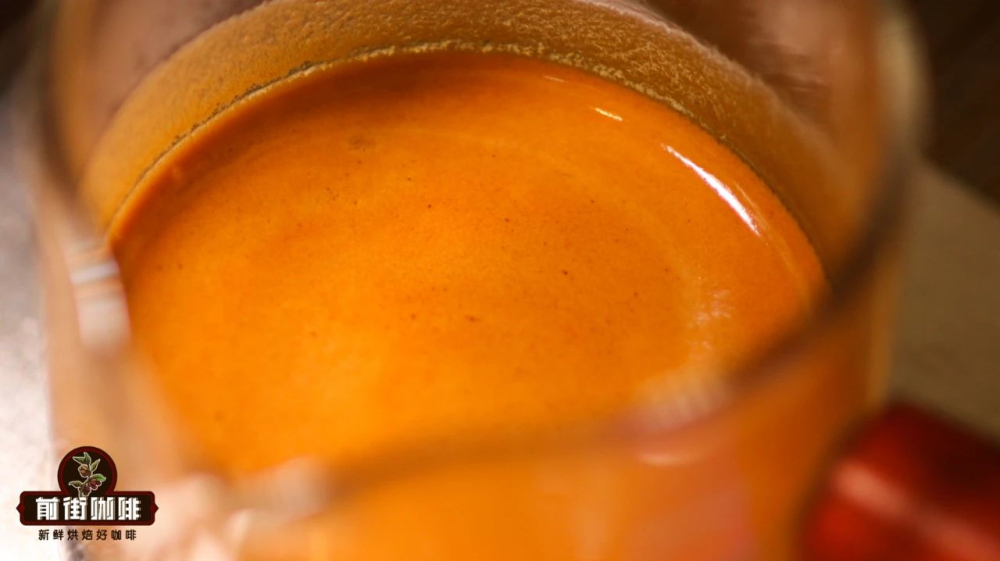
The extraction ratio includes the dose of coffee grounds and the weight of extracted coffee liquid. The dose roughly depends on the size of the portafilter basket. The espresso machine at Front Street is paired with a 20g capacity double basket, so 20g of coffee is used during production, adjusted up or down based on the day's espresso extraction status.
The more water added to the coffee, the lower the concentration of the coffee liquid, the flatter the taste, and the less cohesive the flavor—so an appropriate coffee-to-water ratio is very important. The coffee-to-liquid ratio generally falls between 1:1.5 and 1:2.5, with 1:2 being more commonly used, such as extracting 40g of coffee liquid from 20g of coffee grounds. If the flavor is monotonous and the finish is lacking, you can widen the coffee-to-liquid ratio; if the coffee tastes burnt or astringent, it may be over-extracted, so you can reduce the coffee-to-liquid ratio and extract less liquid weight.

The coarseness or fineness of the grind is generally reflected in the speed of the extraction flow: if the flow is fast and the time is shorter, grind the coffee finer; if the flow is slow and the time is longer, grind the coffee coarser. The grind size needs to be adjusted to a suitable range—if the particles are too coarse, it's prone to under-extraction, resulting in a bland, sour coffee flavor; if the grind is too fine, the coffee is prone to over-extraction, tasting bitter and astringent. In addition, because the fineness of espresso grinding is far greater than that of pour-over and other methods, adjustments should not be too large in amplitude, as this can easily cause variables to become too great and make extraction more unstable.
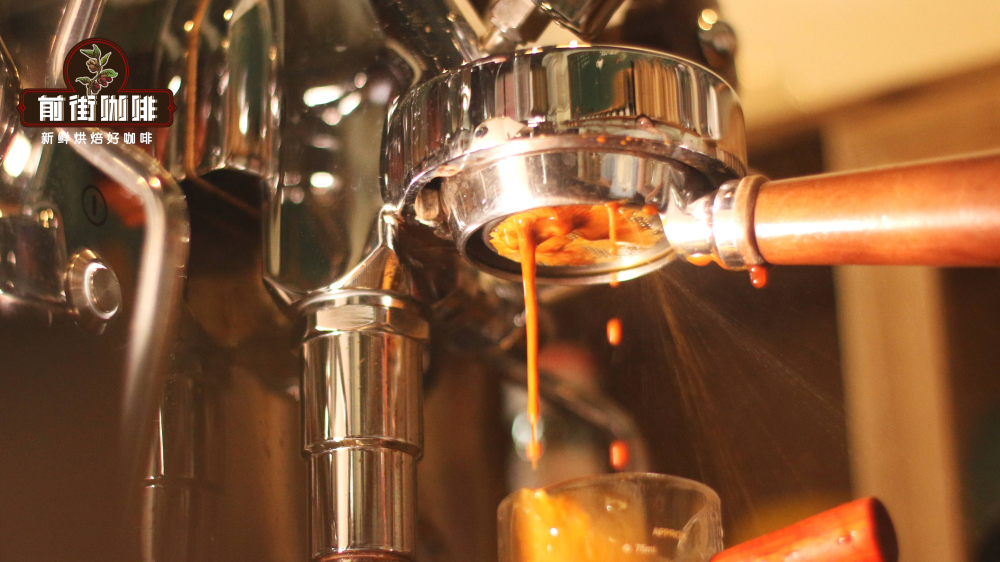
Front Street uses 20g of coffee grounds, following a 1:2 coffee-to-liquid ratio, extracting 40g of coffee liquid under 9 bar of pressure, with the time controlled at 30 seconds. The direction of parameter adjustment is flexible—as long as we accumulate more experience with extraction parameters, quickly dialing in a delicious espresso is not difficult.
The above content is compiled by CoffeeHunters, a coffee news website.


