







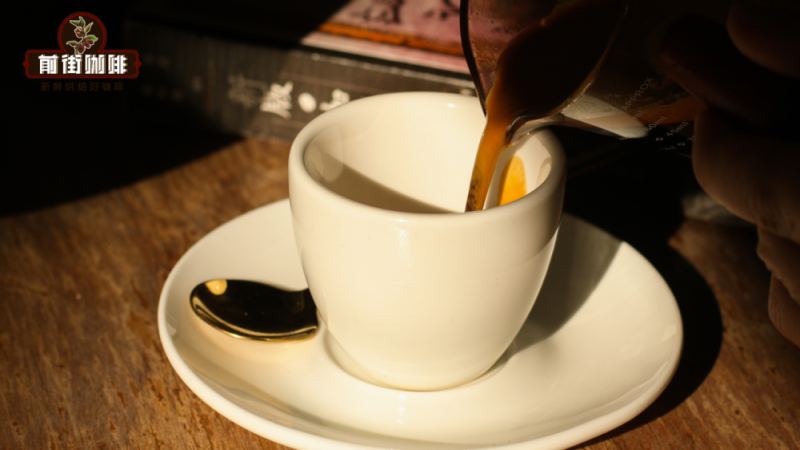
To make a decent espresso at home, the coffee-to-water ratio and grind size are two core variables you can't avoid. Standard espresso is usually based on 1:2—a single shot uses about 9 grams of coffee to extract 18 grams of liquid, while a double shot uses 18 grams of coffee to 36 grams of liquid. But in practice, you still need to fine-tune based on how it tastes that day. The most intuitive way to judge whether the grind size is right is the extraction flow rate: if the flow is too fast, the grind is too coarse and needs to be finer; if the flow is too slow, the grind is too fine and needs to be coarser—until the extraction time falls within a reasonable range. Besides the parameters, bean selection is equally key—medium-dark roast blends or darker make it easier to achieve a balanced, stable flavor. This article will sort out a practical set of adjustment ideas around dose, ratio, grind size, and extraction time.
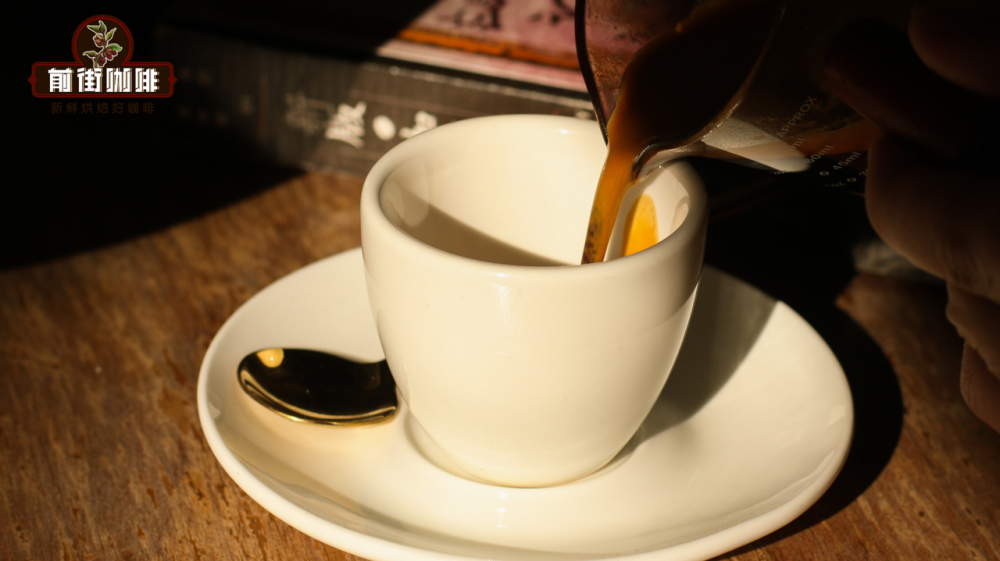
Espresso has a widely adopted base ratio, namely 1:2. In concrete numbers, a single shot uses about 9 grams of coffee to extract 18 grams of liquid, while a double shot uses 18 grams of coffee to 36 grams of liquid. When actually pulling a shot, you won't rigidly stick to this number; instead, you use it as a starting point and then make slight adjustments based on the coffee-to-water ratio and the actual taste. Judging grind size also depends on the flow time: if the flow is too fast, grind finer; if the flow is too slow, grind coarser—revising repeatedly until the extraction time matches the target value.
What Is Espresso
Espresso refers to a cup of liquid quickly extracted by forcing hot water under high temperature and high pressure through finely ground coffee using a fully automatic or semi-automatic espresso machine. It usually has a rich crema layer, intense aroma, and heavy body.
Espresso's flavor is highly concentrated and delivers a strong impact on the palate, so in coffee shops its serving size is often the smallest, but a cup of consistently excellent espresso is an indispensable basic skill for every coffee shop. The refreshing iced Americano we drink daily, the hot latte with beautiful latte art, and the rich, smooth flat white all trace back to espresso as the base, mixed with various ingredients in proportion.
Whether these coffees taste good depends largely on the espresso itself, and espresso's flavor is in turn influenced by the coffee beans, so choosing the right beans is a crucial step.
Espresso relies on pressure to force the flavor compounds out of the coffee grounds. Light roasts contain more acidic compounds, and when those acidic compounds are concentrated into a small cup of coffee, the acidity is noticeably amplified, making it so sour it makes you frown. So it's better to choose medium-dark roast or darker coffee beans for extraction, so the overall mouthfeel is relatively balanced—not sharply sour, nor unbearably bitter and burnt—and the flavor is more stable. Here we recommend buying the Legend Mamba flavor blend—Front Street Coffee Classic Espresso Blend.
Front Street. Front Street Classic Blend flavor: rich chocolate, nut, cocoa, caramel notes, low acidity, full body, long finish, rich crema
This blend uses selected Front Street Mandheling and Front Street Brazil as the main base, giving the espresso a viscous texture, with a rich, mellow aroma of caramel, roasted nuts, and dark chocolate on the entry. At the same time, to add layers and complexity, a small portion of Vietnamese Robusta is added, pushing the crema to the extreme; when used for a hot latte, it has a rich chocolate aroma without losing a creamy, nutty smoothness. Front Street Classic Espresso Blend is not only suitable for all beginners trying it for the first time, but also works as an everyday staple bean at home.
Espresso Extraction Parameters
Different coffee beans need to be paired with different brewing parameters, and different times of day and different humidity will cause a series of parameters such as grind size and coffee-to-liquid ratio to change accordingly.
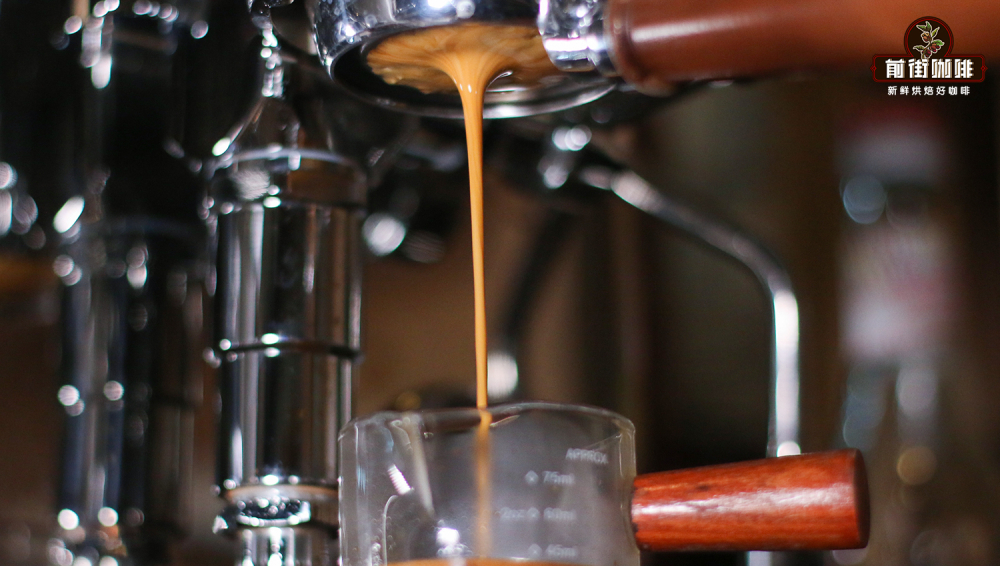
The extraction ratio involves the dose and the weight of the extracted coffee liquid. How much coffee to dose is roughly determined by the capacity of the portafilter basket. The coffee machine at Front Street stores is paired with a 20-gram-capacity double basket, and when pulling a shot they use 20 grams of coffee, then adjust up or down based on the day's espresso extraction condition.
The more water injected, the lower the concentration of the coffee liquid, the flatter the taste, and the less concentrated the flavor—so a suitable coffee-to-water ratio is very important. The coffee-to-liquid ratio generally falls between 1:1.5 and 1:2.5, with 1:2 being the most common—for example, 20 grams of coffee extracting 40 grams of liquid. If it tastes thin and the finish is lacking, you can increase the coffee-to-liquid ratio; if the coffee tastes burnt and astringent, it may be over-extracted, so you can lower the coffee-to-liquid ratio and reduce the extracted liquid weight.
Grind size is usually reflected in the speed of the extraction flow. If the flow is fast and the time is short, grind finer; if the flow is slow and the time is long, grind coarser. Grind size needs to be adjusted to a suitable range: if the particles are too coarse, it's easy to under-extract, making the coffee weak and sour; if the particles are too fine, it's easy to over-extract, making it bitter and astringent. Also, espresso grinding is far finer than methods like pour-over, so when adjusting, don't make too big a change—otherwise the variable is too large and extraction becomes more unstable.
Front Street uses 20 grams of coffee, following a 1:2 coffee-to-liquid ratio, extracting 40 grams of coffee liquid under 9 bar of pressure, with the time controlled at 30 seconds. The direction of parameter adjustment is flexible—as long as we accumulate more experience with extraction parameters, quickly dialing in a delicious espresso isn't difficult.
The above content is compiled by CoffeeHunters, a coffee news website.


