







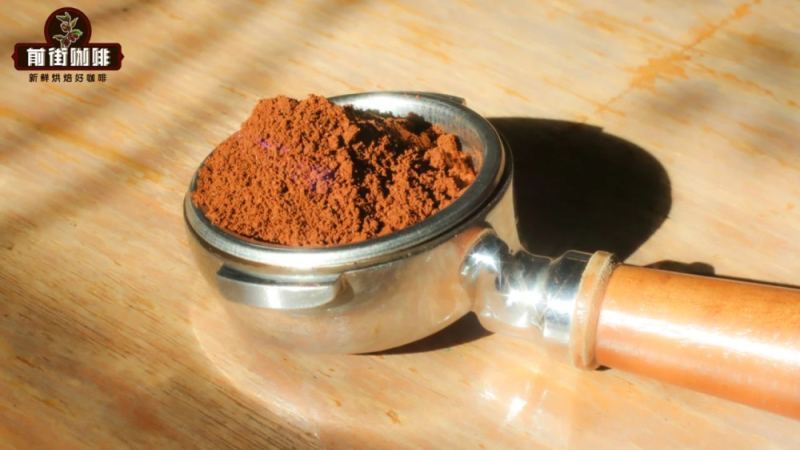
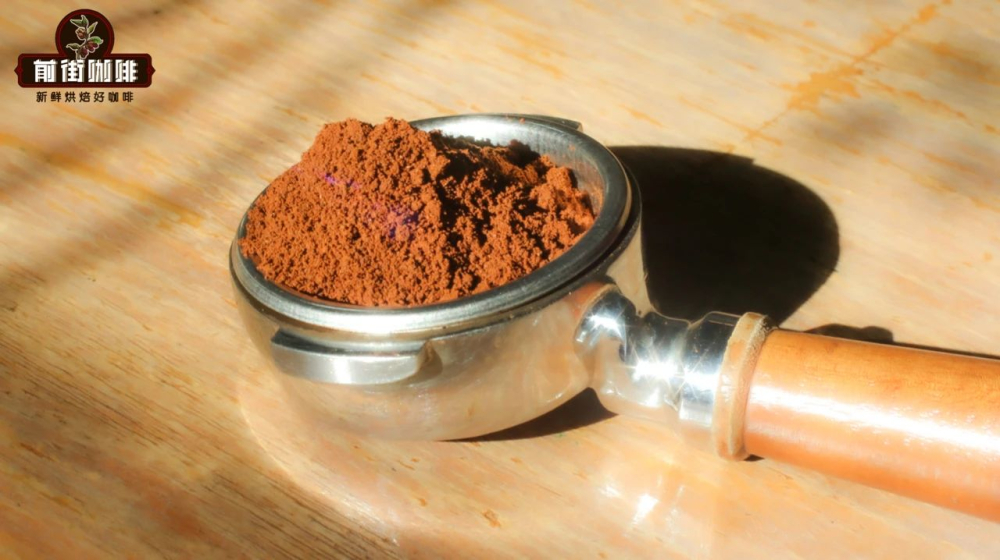
We usually see baristas makingespressowith very clean and simple movements, seemingly making a rich coffee base in just two minutes. In reality, however, an ideal espresso requires controlling the ratio and balance among various parameters to pursue the best taste and flavor, and mastering these ratios requires long-term exploration and summarization.
How does the coffee powder-to-liquid ratio affect extraction?
Because espresso extraction uses steam pressure to force hot water through coffee grounds, quickly obtaining a rich coffee liquid. The taste expression of a cup of coffee is closely related to the parameters during brewing. Adjusting the powder-to-water ratio parameter can change the coffee's taste, viscosity, body, and other aspects, so we need to use a timer scale when making coffee.
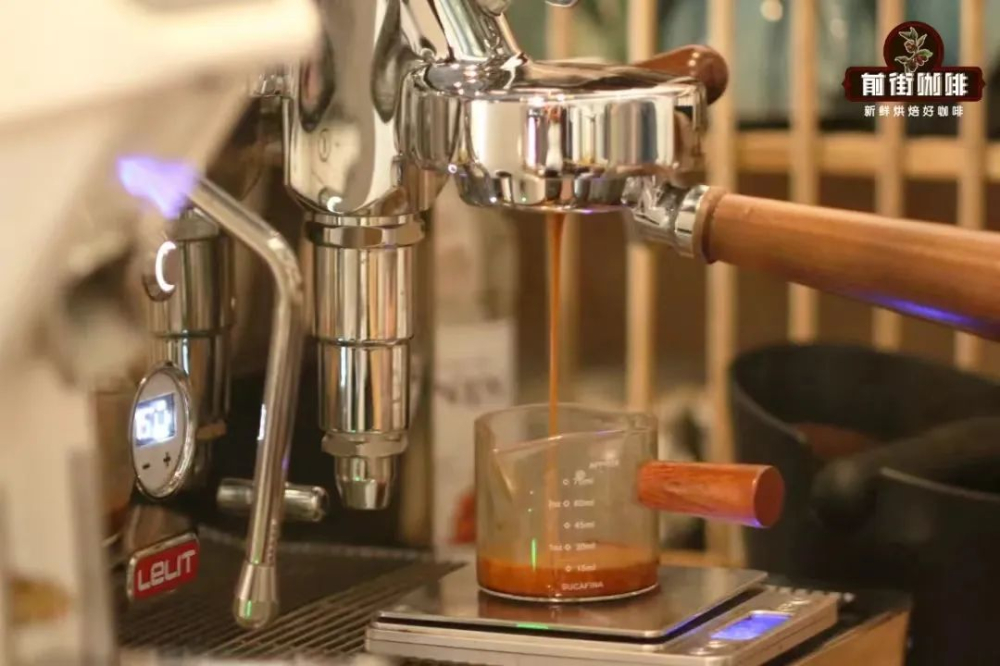
In the past, the vast majority of Italian coffee shops used dark-roasted coffee beans, mixed with a portion of Robusta beans rich in oils, and the coffee usually presented thick caramel and dark chocolate flavors. During extraction, baristas would not precisely measure various weights, but directly determine the amount of liquid output by observing the color changes of the espresso crema. When the liquid first comes out, the coffee liquid appears dark brown and relatively rich; over time the color slowly turns to golden yellow, then to light yellow. Generally, extracting until the crema turns whitish means extraction needs to end.
With the arrival of the specialty coffee era, in recent years it has become popular to use higher-quality light-roasted coffee beans to present the flavor characteristics of the producing region. Within the industry,espressoextraction standards have become more rigorous, summarizing the concentration range acceptable to most people, as well as more stable extraction data, and the powder-to-liquid ratio has also tended toward a fixed reference value. The general extraction time is about 25 to 30 seconds, and the powder-to-liquid ratio is between 1:1.5 and 1:2.5. A ratio of 1:2 is more commonly used, but sometimes we make adjustments based on output needs. For example, in order to make Americano and Latte taste richer and fuller in flavor, Front Street Coffee stores daily use 20g of coffee powder to extract 36g of coffee liquid.

Through experiments, Front Street Coffee has concluded that with the same amount of coffee powder, as the extraction liquid amount increases, the concentration of the espresso decreases, and the extraction yield rises. The more flavor substances dissolved in the later stage of the coffee, the lower the body, and the easier it is for the coffee to be over-extracted and release bitterness. If the powder-to-liquid ratio is too small, the coffee body is heavier, but the flavor is incomplete, with obvious sharp acidity due to under-extraction.
Therefore, Front Street Coffee suggests that when dialing in, first use a 1:2 ratio, then adjust up or down based on the taste shown by the espresso.
What other factors affect the taste of espresso?
The powder-to-water ratio of espresso is certainly important, but the quality of a cup of espresso is affected by many other factors, such as the coffee beans used, freshness, water quality, grind size, extraction temperature, extraction time, and so on, all of which are closely related.

The espresso beans used in Front Street Coffee's stores are its own roasted "Sunflower Warm Sun Blend." The ideal espresso should have whiskey aroma, vanilla, cream, and berry acidity, with a rich flavor and a soft mouthfeel. When adjusting espresso output, Front Street Coffee (FrontStreet Coffee) baristas generally change several elements: powder amount, liquid weight, time, and grind size.
Normally, Front Street Coffee will extract using the previous day's parameters, and judge the state by observing the flow rate of the espresso. Flow rate refers to how much coffee liquid is extracted per unit of time. When we extract the same 40 grams of coffee liquid weight in less than 25 seconds, it indicates the flow rate is too fast, and we can extend the extraction time by increasing the dose. If the time is above 30 seconds, it indicates the flow rate is too slow, possibly due to too much powder, and we can increase the flow rate by reducing the dose.

The coarseness or fineness of the grind is generally reflected in the speed of the extraction flow rate. If the flow rate is fast and the time is shorter, it means the grind is too coarse, so grind the coffee finer; if the flow rate is slow and the coffee liquid does not drip out, with a longer extraction time, it means the grind is too fine, so grind the coffee coarser. The grind size needs to be adjusted to a suitable range. If the particles are too coarse, it is easy to under-extract, making the coffee flavor weak and sour; if the grind particles are too fine, the coffee is easy to over-extract, making the taste bitter. When the espresso flow rate is within a reasonable range, Front Street Coffee will directly taste it to judge whether the coffee is OK. When the coffee flavor is normal, it means the dialing-in work is complete.
Because the fineness of espresso grinding is far higher than grind sizes for methods such as pour-over, adjustments should not be too large in amplitude, as this can easily lead to excessive variables and more unstable extraction. Front Street Coffee produces daily in its stores, so parameter adjustments are based on accumulated daily experience. If we make a low volume of cups at home, it is relatively difficult to grasp. Front Street Coffee suggests recording notes and summarizing the relationship between extraction parameters and flavor performance, which will help us adjust quickly and also save unnecessary waste.
Espresso coffee bean recommendations
Many friends, when making espresso at home, use light-roasted single-origin coffee beans, hoping to extract a rich taste like pour-over.
Because espresso is extracted under fine grinding, high water temperature, and high pressure, the espresso brings together multiple tastes, and various flavor compounds impact our tongues exponentially. Therefore, if we use light-roasted coffee beans for extraction, the elegant and sweet fruit flavor shown in pour-over may very likely become a stimulating strong acidity in Espresso; the mellow mouthfeel of pour-over coffee becomes very bitter and burnt in espresso. As a crop, coffee changes with climate, soil, and so on. Even from the same place, the flavor of each batch of coffee beans will differ. Blended coffee beans use the method of making up for each other's shortcomings, ensuring that each batch of coffee beans can show a balanced and stable aroma and taste.
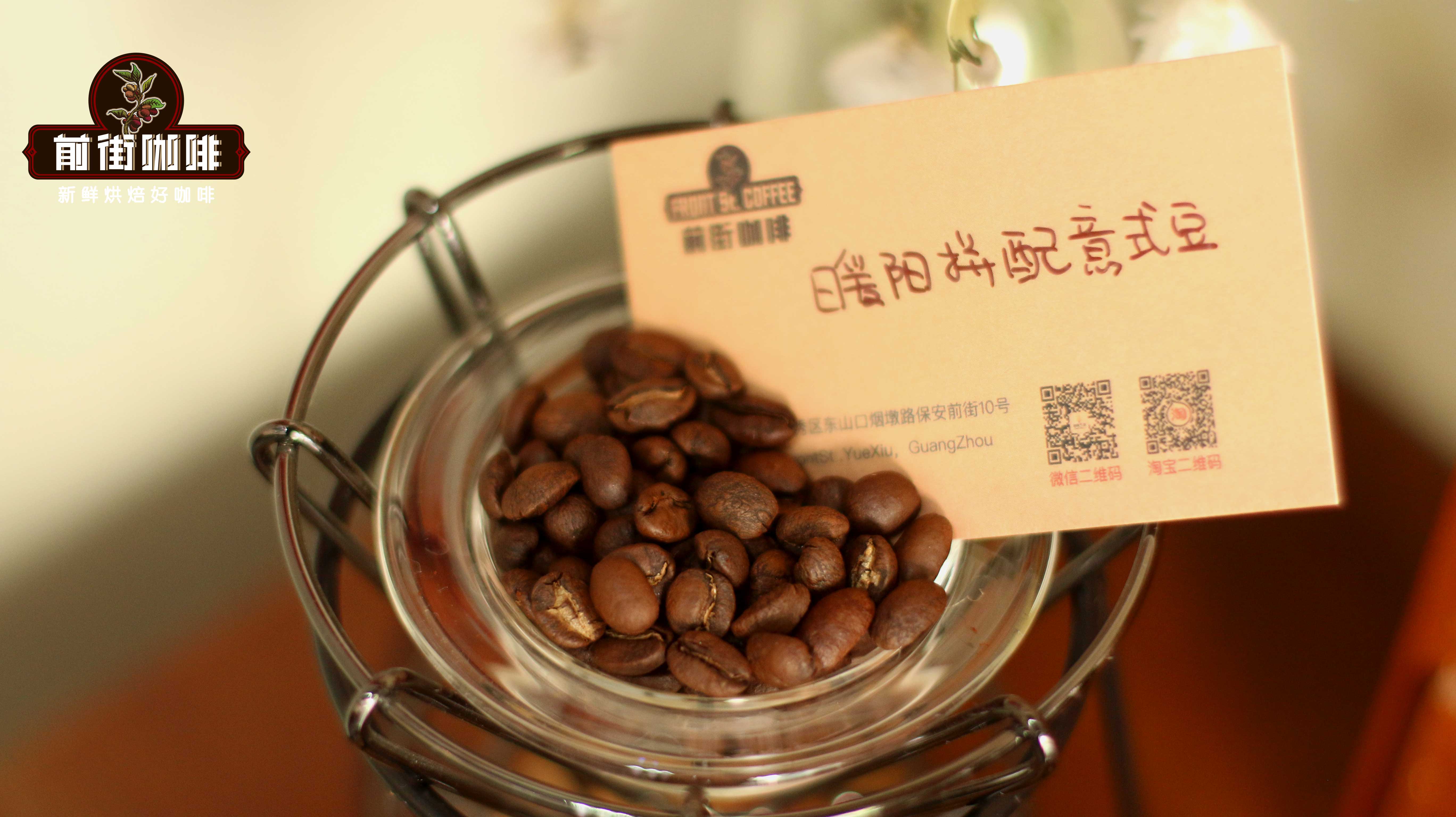
Front Street Coffee here recommends Front Street Coffee's own roasted "Sunflower Warm Sun Blend Coffee Beans," made by blending Ethiopian natural Red Cherry coffee beans (30%) + Honduras Sherry Barrel coffee beans (70%). Made into espresso, the entry is a very rich dark chocolate flavor, with a strong caramel note, and the aroma released after swallowing is endlessly memorable. Whether it is an Americano diluted with water or a Latte supported by milk, both present a rich aroma and taste.
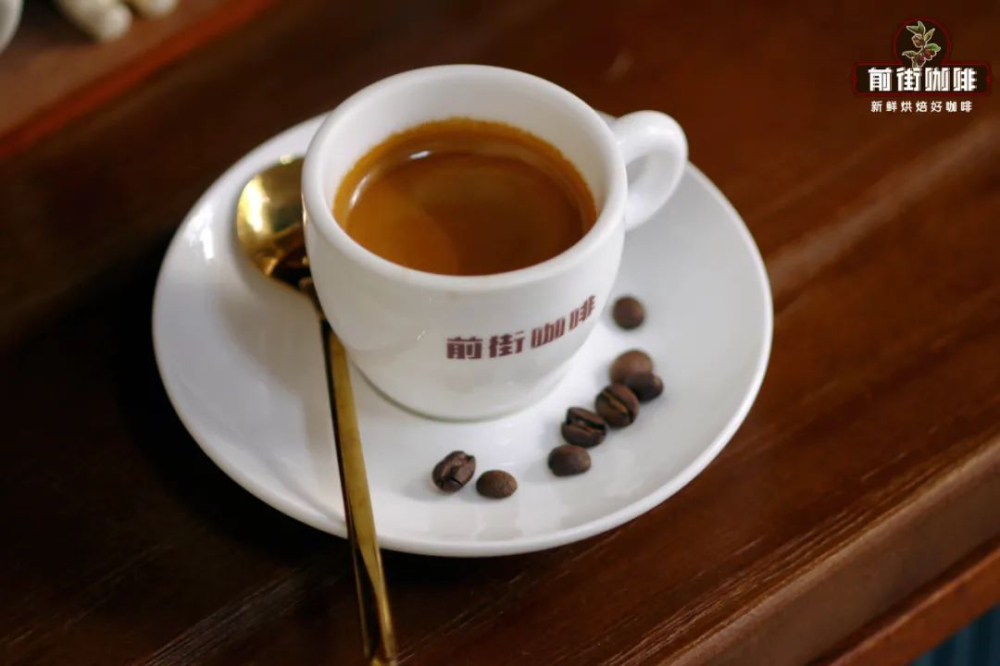
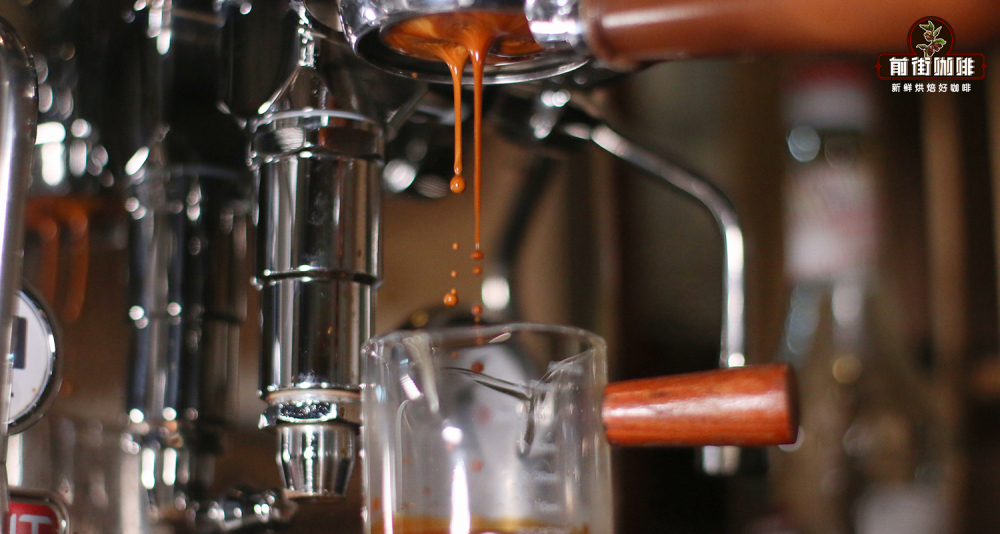
A freshly made cup of espresso is covered with a thick, dense golden foam on the surface, called crema. This is the result of carbon dioxide produced by freshly roasted coffee beans foaming under high pressure inside the coffee machine. In order for everyone to drink the full aroma of the coffee and enjoy the most complete tasting stage, Front Street Coffee only ships coffee beans freshly roasted within 5 days.
For professional coffee knowledge exchange and more coffee bean information, please follow Coffee Workshop (WeChat public account cafe_style)
For more specialty coffee beans, please add the private WeChat Front Street Coffee (FrontStreet Coffee), WeChat ID: qjcoffeex
The above content is compiled by CoffeeHunters, a coffee news website.


