







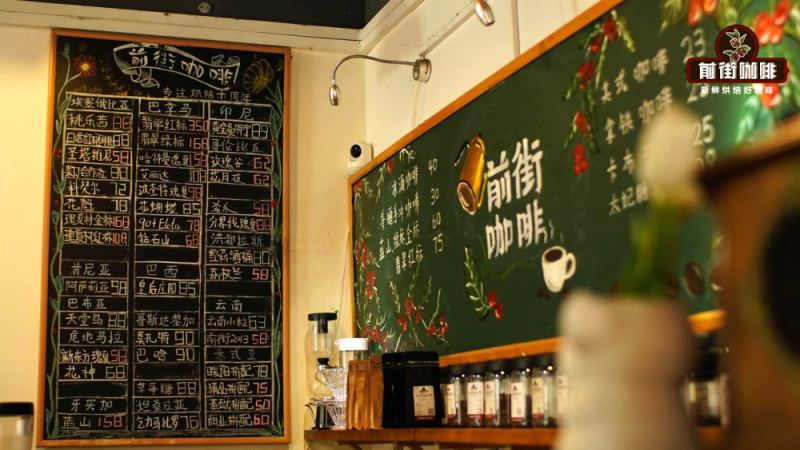
Espresso holds a pivotal position in the global coffee market, and its presence is indispensable on the menus of virtually every café. From the Americano, latte, cappuccino, and flat white served at Front Street locations to all kinds of creative specialty drinks, espresso is an essential base. It originated in Italy, and after more than a century of iteration in machines and craftsmanship, it has taken the form we are familiar with today. This article will trace the historical development of espresso, explain its brewing principles and classification, and use Front Street's "Sunflower Warm Sun Blend" as an example to break down in detail the entire extraction process of a rich, full-bodied espresso.
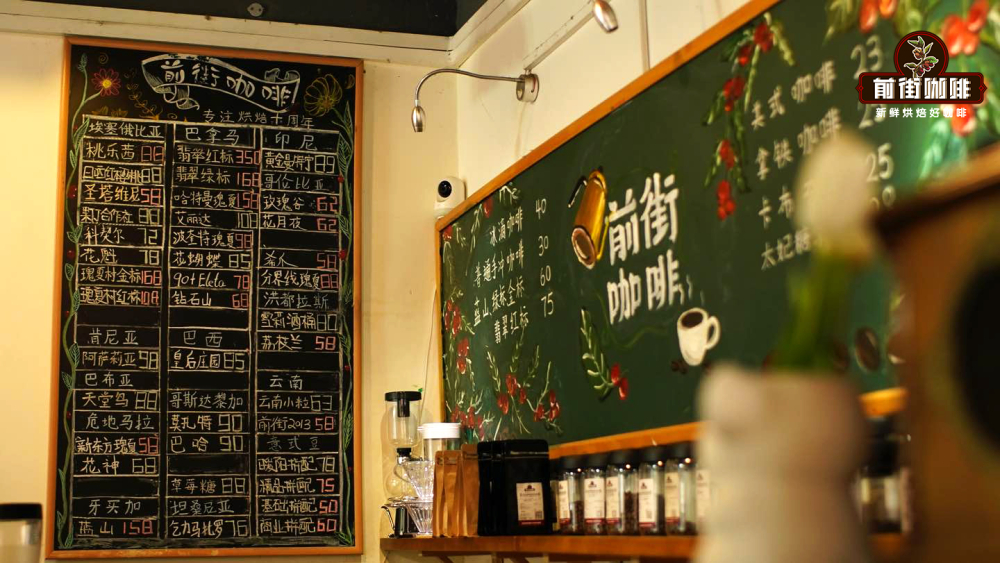
When discussing the evolution of the global coffee market, the influence of Italian coffee culture cannot be overlooked. Today, espresso is practically a standard beverage in every café, and Front Street locations offer many classic choices such as Americano, latte, cappuccino, and flat white. Many coffee shops also add various ingredients on this basis to create more novel specialty drinks. Today, Front Street will take you to appreciate the unique charm of Italian coffee culture.
The word "Espresso" in Italian carries the meaning of "fast." From the moment it is made to the moment it is handed to the customer, the whole process takes only a few short minutes, so Italians named it after the word "Express" (fast).
The core principle of a cup of espresso is to use the pressure generated by steam to let hot water quickly pass through a bed of coffee grounds, thereby obtaining a small cup of dark coffee liquid that is rich and aromatic, covered with golden foam on the surface. Although it may not often appear prominently on café menus, everyday drinks such as Americano, latte, and cappuccino all depend on it, making it the soul and backbone of a coffee shop.
Early coffee was all extracted by immersion, which not only required finely ground coffee beans but also a long waiting process, at least more than ten minutes to complete. In 1884, the Italian Angelo Moriondo designed the first espresso machine, equipped with two independent brewing boilers, capable of producing 1.5 bar of pressure and steam. The extracted coffee liquid was thicker in texture and far stronger in taste than drip coffee. After that, coffee machines continued to be upgraded and iterated, and variables such as water temperature and pressure gradually came under more precise control.
In 1948, Achille Gaggia, a café operator in Milan, invented a lever-driven coffee machine that could generate what we now call crema through high pressure. Since then, crema has been regarded as one of the important indicators for measuring espresso quality, and espresso formally came to refer specifically to highly concentrated coffee made under pressure and rich in crema.
From a theoretical perspective, the fresher the coffee beans and the darker the roast, and the greater and more stable the equipment pressure, the better the crema presentation. Italians prefer a rich, round, full-bodied coffee taste and are accustomed to roasting coffee beans very dark, even blending in robusta beans, so that the espresso crema is richer, the aroma more concentrated, and the taste more intense. Today, however, as consumers increasingly pursue flavor diversity, many bright and fresh-style coffee beans are also being used in espresso. For example, the "Sunflower Warm Sun Blend Coffee Beans" used for the espresso served at Front Street locations has fermented wine aromas and berry-like sweet acidity, with rich aromatic layers, a smooth texture, and a very approachable taste.
When a customer orders, "Give me an Espresso," the barista at Front Street Coffee (FrontStreet Coffee) begins preparing it, and about two minutes later serves a glass of ice water, a small spoon, and a small cup of rich coffee liquid topped with golden-brown foam. Before tasting espresso, take a sip of clear water, which both rinses the mouth and helps recalibrate the palate. Gently stir the coffee liquid with a metal spoon. The first sip reveals the full roasted aroma brought by the dense crema, followed by the warm coffee liquid, presenting flavors interwoven with nuts, chocolate, berries, and wine aromas. Take another sip of clear water midway to slowly appreciate the sweet, clean finish in the mouth.
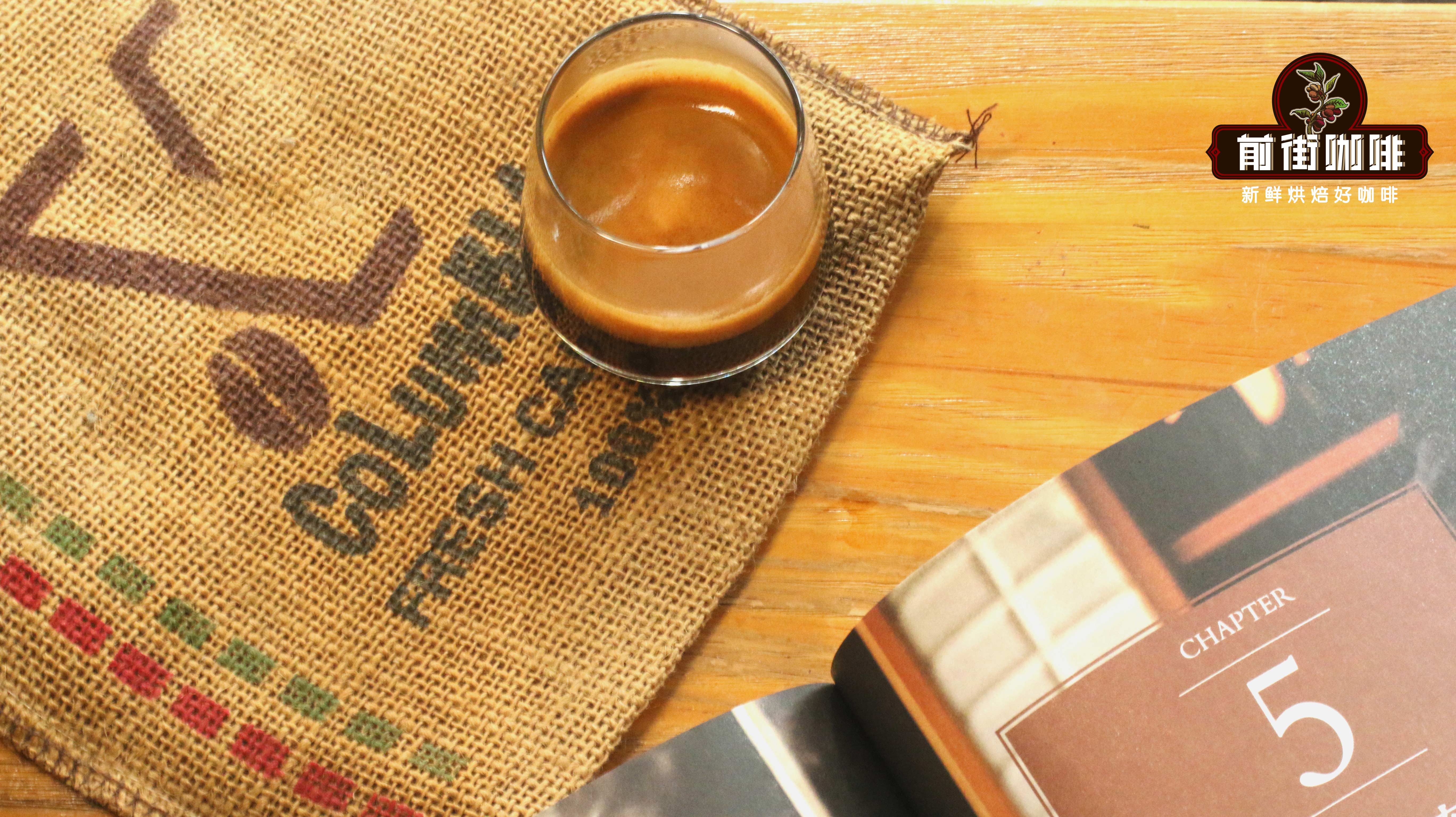
In fact, espresso does not have only one form, "Espresso." According to differences in extraction method and coffee-to-liquid ratio, espresso can be divided into three types: Ristretto (short extraction), Normale (regular), and Lungo (long extraction), all of which are quickly extracted by an espresso machine.
Ristretto is usually called espresso extra-concentrated coffee, also known as refined extra-concentrated. Compared with the common Espresso, Ristretto is more niche, and the well-known Flat White is made with Ristretto as its base. Ristretto carries the meaning of "restricted," which can be understood as restricting the extraction volume and taking only the front and middle portions of the espresso, thereby increasing coffee concentration.
Take Front Street's Espresso extraction recipe as an example: 20 grams of coffee grounds extract 40 grams of coffee liquid, with a coffee-to-liquid ratio of 1:2, taking 30 seconds. When extracting Ristretto, however, only seventy percent of the Espresso is taken, meaning 20 grams of coffee grounds extract 28 grams of coffee liquid, and the time is shortened accordingly. In addition, the flow rate can be slowed by making the grind finer, making the coffee liquid more concentrated. Every coffee shop will make different adjustments according to the coffee beans used and the flavor and mouthfeel the barista hopes to present.
Normale is the most common and most popular espresso, namely Espresso in the usual sense. At present, most offerings on the market are mainly Normale, but this is not deliberately emphasized. According to golden cup standards, Normale's extraction yield is between 18% and 22%, and its concentration range is 8% to 12%.
Lungo, on the other hand, is coffee made with twice the normal amount of water. "Lungo" means "long, extended" in Italian, and it is also called "stretched espresso," that is, extending the extraction time to reduce coffee concentration and make it milder to drink. After repeated adjustments and tastings, Front Street finally settled on a coffee-to-liquid ratio of 1:5 for Lungo, using 20 grams of coffee grounds, extending the extraction time to 42 seconds, and extracting 100 grams of coffee liquid.
Next, Front Street will use the "Sunflower Warm Sun Blend" regularly served in its stores as the extraction subject to explain in detail how to make a rich and aromatic Italian espresso.
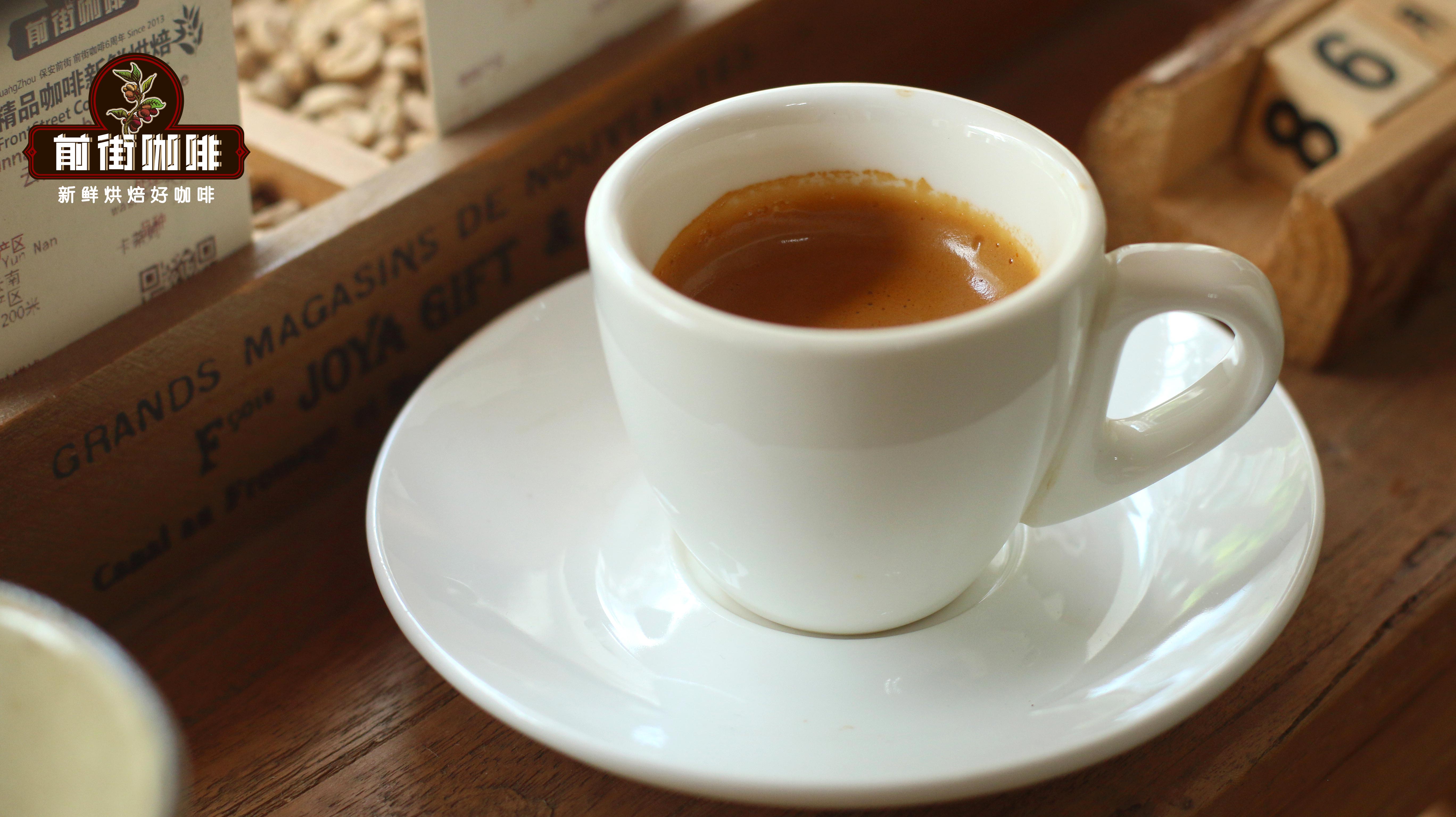
Front Street uses the capacity of a double basket, with a dose of about 18 to 20 grams, and uses 20 grams of coffee grounds when serving. The extraction ratio is 1:2, meaning 20 grams of coffee grounds extract 40 grams of coffee liquid. Time is related to the flow rate of the coffee grounds. Generally, a single extraction is controlled within 20 to 35 seconds, because within 20 seconds the coffee taste tends to be thin, while over 35 seconds it is prone to over-extraction and burnt bitterness. Front Street's espresso mostly falls within the 28 to 30 second range.
Before extraction, first wipe the basket dry, turn on the grinder, grind out the amount for a double shot, and place it on an electronic scale to adjust to 20 grams. Then use a distribution tool to level the coffee grounds, and then use a tamper to press vertically downward with force to compact the coffee puck, ensuring a more stable extraction process.
Then turn on the extraction switch and let water run for 1 to 2 seconds to moisten the group head while also washing away the coffee grounds attached to it. Place an electronic scale under the cup that will catch the Espresso, tare the weight to zero, and place it together under the group head during extraction.
Gently and slowly lock the portafilter onto the group head, and flip down the extraction switch. Observe the changes in the extracted liquid. When the electronic scale shows that 40 grams of coffee liquid has been extracted and the time is about 30 seconds, flip down the extraction switch. Brewing parameters will change slightly with daily air humidity and the condition of the coffee beans, so the coffee dose, grind setting, and extraction volume need to be adjusted accordingly.
The completed Espresso can be drunk directly. Paired with a glass of clear water to rinse the mouth, you can taste the dense crema foam and the rich, full-bodied texture of the coffee liquid beneath. If you cannot accept the intense bitterness, you can also add water or milk according to personal preference to dilute it and soften the strong taste.
Professional coffee knowledge sharing. For more coffee bean information, please follow the WeChat official account: Front Street Coffee (FrontStreet Coffee)
The above content is compiled by CoffeeHunters, a coffee news website.


