







Search Results for: espresso coffee-to-water ratio
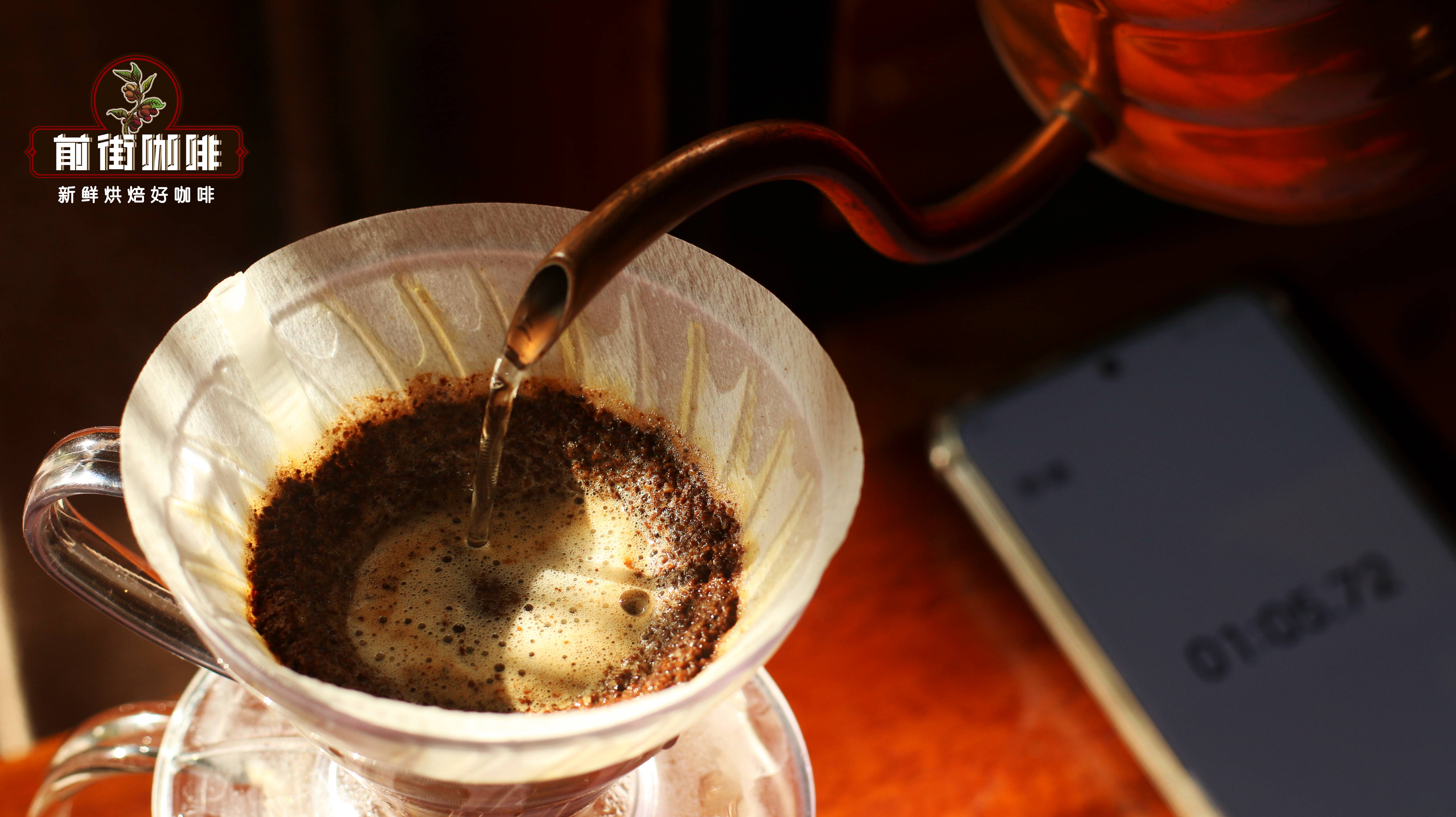
How Does the Coffee-to-Water Ratio in Pour-Over Affect Flavor? An Analysis of the Standard Americano Ratio and Its Differences from Espresso
Brewing a good cup of coffee—the coffee-to-water ratio is one of the key variables. Through comparative experiments, Front Street Coffee systematically analyzes the effects of different coffee-to-water ratios on coffee concentration, extraction yield, and flavor performance, and further explores whether the traditional ratio for Americano applies to all coffee beans. This article starts with the pour-over coffee-to-water ratio, combines it with the extraction logic of espresso, analyzes the essential differences between Americano and pour-over in mouthfeel and flavor layers, and provides a practical method for determining the appropriate ratio for Americano, helping coffee enthusiasts understand the relationship between extraction and flavor more scientifically. [more…]
Is Pour-Over Coffee the Same as Americano? A Detailed Explanation of the Coffee-to-Water Ratio and How to Order Pour-Over at Starbucks
Many people conflate pour-over coffee with Americano, but the two actually differ significantly in both brewing method and flavor profile. Starting from Front Street Coffee's brewing experiments, this article explores the practical impact of the coffee-to-water ratio on flavor, comparing how coffee concentration and extraction yield change under different ratios. It also outlines the definition and traditional ratios of Americano, and, drawing on the practice of Front Street Coffee's Sunflower Warm Sun blend, explains how to find the Americano ratio suited to a particular coffee bean. It then compares the taste differences between espresso and Americano, and finally offers tips for ordering pour-over coffee at Starbucks. [more…]
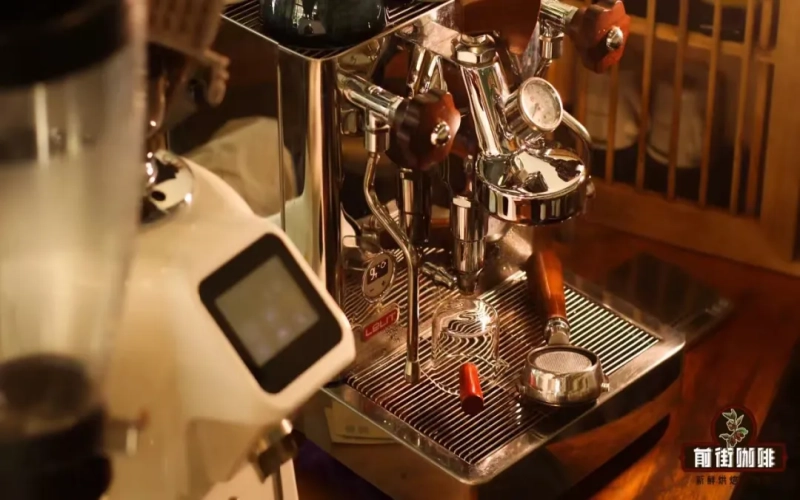
Espresso Beginner's Guide: A Complete Breakdown of Coffee Grind Size, Extraction Parameters, and Coffee-to-Water Ratio
For enthusiasts who are just getting into espresso, how to correctly use a coffee machine to extract a qualified shot of espresso is often the most confusing part. From the choice of coffee beans and the type of grinder, to the adjustment of grind size, the techniques of distributing and tamping the grounds, and then to the control of the coffee-to-water ratio, extraction pressure, and temperature—every variable directly affects the flavor in the final cup. Based on the practical experience of Front Street Coffee, this article systematically sorts out the complete knowledge framework of espresso extraction, helping beginners establish clear parameter concepts, while also sharing Front Street Coffee's specific latte recipe and milk frothing techniques, making home espresso preparation more methodical. [more…]
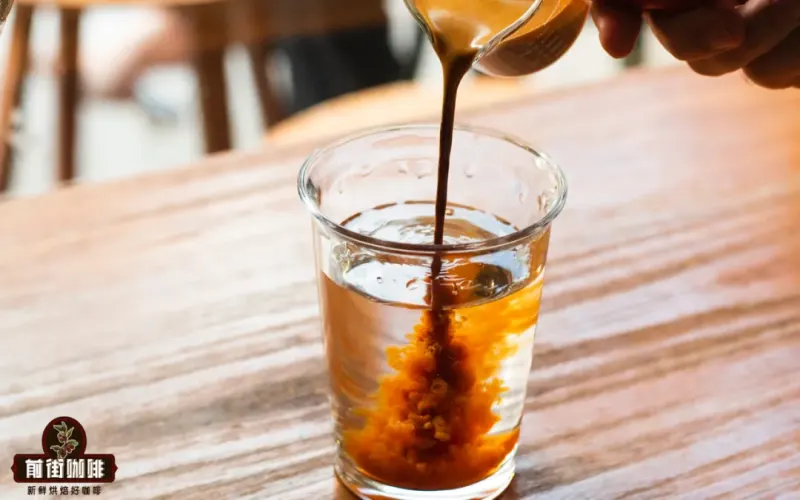
How should the coffee-to-water ratio for Americano be determined? How many shots of espresso to use, and how to choose the right blend beans
Americano may seem like just espresso plus water, with a low barrier to entry, but making it smooth and appealing requires attention to every step: materials, extraction, and ratios. This article starts with the choice of coffee beans and water, explains the flavor directions suitable for Americano at different roast levels, and offers parameter ideas for espresso extraction: for daily use, a 30-second, 1:2 coffee-to-water ratio yields a highly concentrated espresso; if the grind is coarser, a 1:5 ratio can also achieve full extraction within 30 seconds. Finally, it presents Front Street Coffee's commonly used Americano recipe—a classic medium-dark roast blend brewed at a 1:4 coffee-to-water ratio, while iced Americano reduces water to about 1:3 and adds ice. It also reminds that medium-light roast beans should have the water amount further reduced. [more…]
Double Espresso Extraction Ratio | How Much Coffee Grounds Are Needed to Make Espresso? What Is the Espresso Coffee-to-Water Ratio? Which Coffee Beans Are Suitable for Espresso Extraction?
For more specialty coffee knowledge, please follow: Front Street Coffee (Frontsteet Coffee). Espresso has been around for quite some time now; it is the pride of Italians and also a cultural asset that Italian coffee has brought to the world, feeling somewhat similar in nature to what Ethiopian varieties represent for [more…]
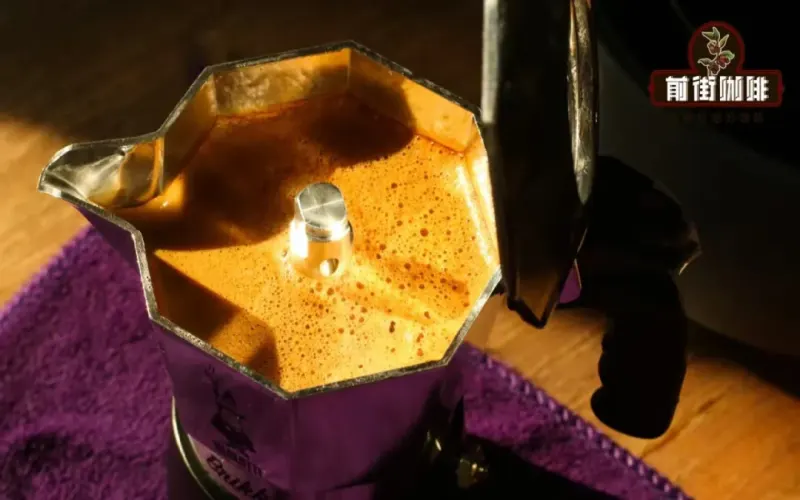
Moka Pot Espresso Enhancement Techniques: A Complete Operational Guide to Making Latte with Coffee-to-Water Ratio and Extraction Efficiency
The moka pot relies on pressure extraction to produce black coffee with a concentration close to espresso, so it is often seen as a home alternative to an espresso machine, used to recreate Americano, latte, mocha, and other specialty coffee drinks. However, the moka pot's pressure is limited, and making a latte directly tends to taste overly watery—the key is to increase the concentration of the coffee liquid itself. This article focuses on two approaches: first, tightening the coffee-to-water ratio to reduce the amount of hot water used, thereby raising the proportion of soluble solids; second, improving extraction efficiency through grind size, coffee dose, heat level, and extraction time. The article also offers coffee bean selection advice, and using a dark-roasted Golden Mandheling as an example, with a dose of 20g, a coffee-to-water ratio of 1:4, and 180ml of hot milk, it provides a complete demonstration of how to make a moka pot latte close to a genuine espresso latte, along with its flavor profile. [more…]
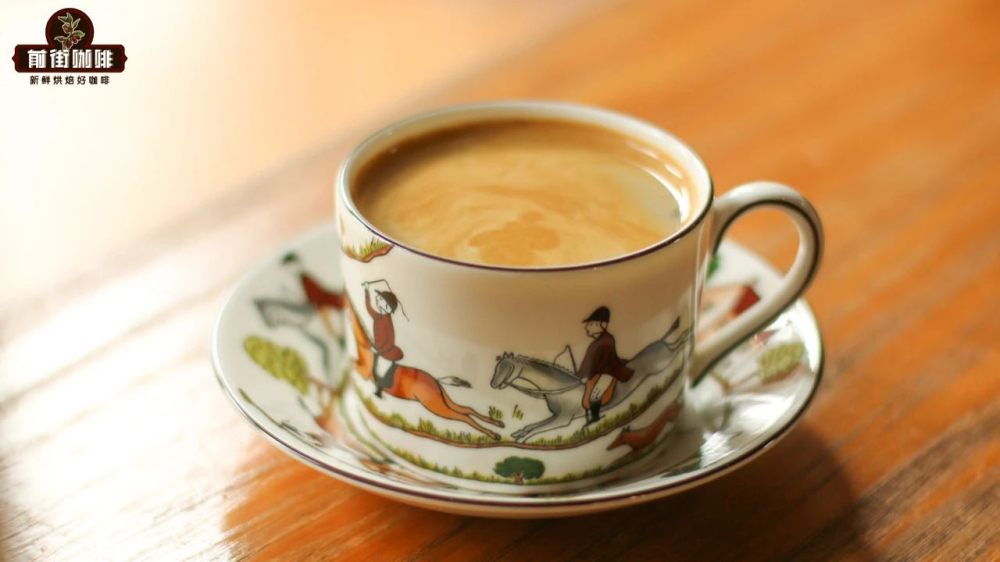
Espresso Brew Ratio | What Is the Coffee-to-Water Ratio for Americano and Latte? How Is Americano Made? Which Coffee Beans Make a Great Americano?
A fragrant, rich espresso can be enjoyed in many ways. Add fresh milk and it becomes a rich, creamy milk coffee; add hot water at the right temperature and it becomes a hot Americano; or add ice cubes and it becomes an iced Americano. Of course, you can also drink the single shot of espresso you've just pulled straight. [more…]

How to Determine the Espresso Coffee Grounds-to-Water Ratio? A Complete Analysis of Four Front Street Coffee Espresso Blends: Flavors and Brewing Methods
Want to make a decent espresso at home? The coffee-to-water ratio is one of the most critical parameters. This article draws on the hands-on experience of Front Street Coffee, first explaining why espresso mostly uses blend beans rather than single-origin beans, then explaining how the dose is limited by the basket capacity, why a 1:2 coffee-to-liquid ratio is regarded as the golden ratio, and how too much or too little coffee grounds affects flow rate and flavor. It then introduces, one by one, the four espresso blend beans currently offered by Front Street—Sunflower Warm Sun, Specialty Blend, Commercial Blend, and Dark Cocoa Blend—including their recipe proportions, flavor descriptions, and target drinkers. Finally, it supplements the ways to taste espresso, helping you understand why it emphasizes mouthfeel, aroma, and finish rather than distinguishing temperature changes like pour-over. [more…]
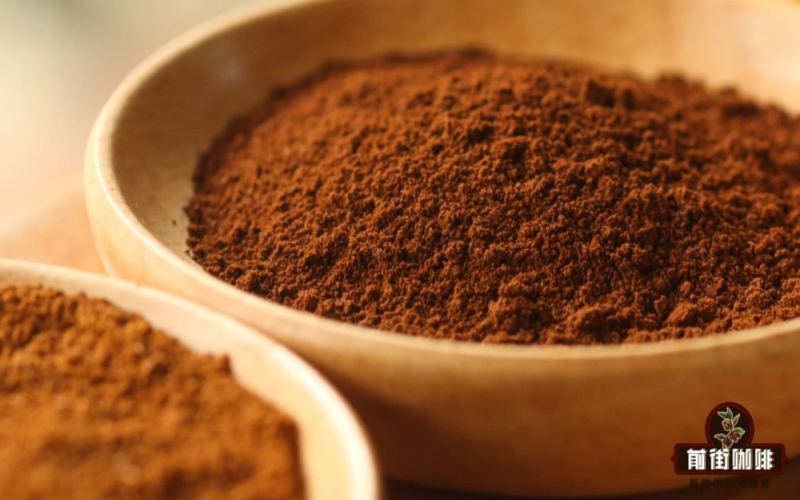
Can espresso-fine coffee grounds be used for pour-over? A detailed explanation of the feasibility and key points of brewing with fine grounds
Coffee enthusiasts often grind their purchased coffee beans into espresso-level fine powder, yet don't know how to handle it—if operated according to regular pour-over parameters, it easily leads to over-extraction. So, can espresso-grind coffee powder actually be used for pour-over or cold brew? And how should the brewing plan be adjusted? In this article, Front Street Coffee uses medium-dark roasted Front Street Mandheling as an example, analyzing the precautions for pour-over with fine powder one by one, from dripper selection, water temperature setting, coffee-to-water ratio to pouring technique, and provides a practical comparison of two coffee-to-water ratios, 1:15 and 1:10, to help you master fine-grind coffee powder at home and avoid waste. [more…]

A Complete Guide to Pour-Over Coffee Dose, Ratio, and Blooming: Front Street Coffee Brewing Parameters and a Three-Pour Practical Guide
To consistently brew a delicious pour-over coffee, bean dose, coffee-to-water ratio, blooming, and pouring rhythm are all indispensable. Starting from Front Street Coffee's practical experience, this article explains the reasoning behind 15g of grounds, a 1:15 coffee-to-water ratio, and a 225ml final yield, and compares this with common espresso extraction ratios to help readers build a replicable parameter framework. It then uses a washed Yirgacheffe Gudingding as an example to provide the complete V60 three-pour brewing process, with a focused breakdown of details such as blooming and degassing, pouring height, and the rhythm of pausing between pours, so that even beginners can follow along step by step and reduce the harsh, astringent flavors caused by under-extraction or over-extraction. [more…]
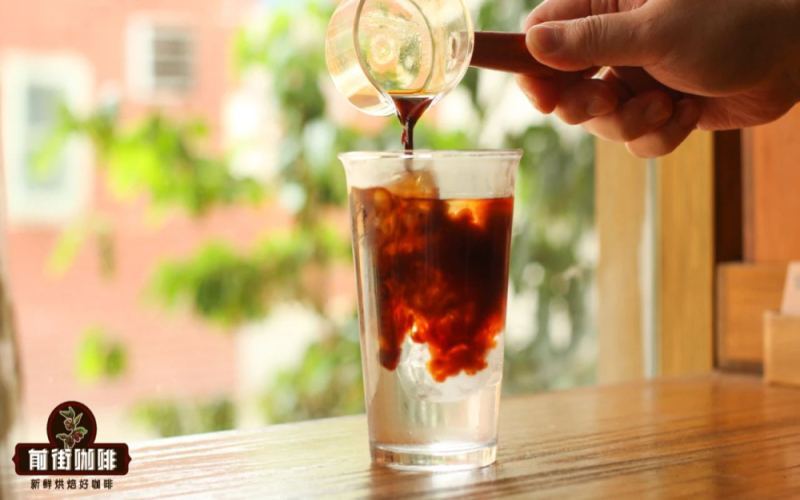
How to Determine the Water-to-Espresso Ratio for Americano? A Detailed Guide to the Coffee-to-Water Ratio and Full-Ice Method for Iced Americano
Americano may look like nothing more than espresso with water, but how much water you add and what ratio you use directly determine whether a cup tastes good. This article focuses on the water-to-espresso ratio for Americano, explaining what water-to-coffee ratios suit coffee beans of different roasting styles and flavor profiles, and using a classic Italian blend as an example to give a reference range of 1:7 to 1:8. The article also breaks down in detail the specific parameters Front Street Coffee uses to make iced Americano: 40g espresso, 100g large ice cubes, and 120g water, i.e. 1:2.5:3, and further introduces the preparation order for the hidden menu item "all-ice Americano" — put the ice in first, then pour in the espresso, using the principle of extract cooling to lock in aroma and speed up chilling, for a better mouthfeel and flavor performance. [more…]
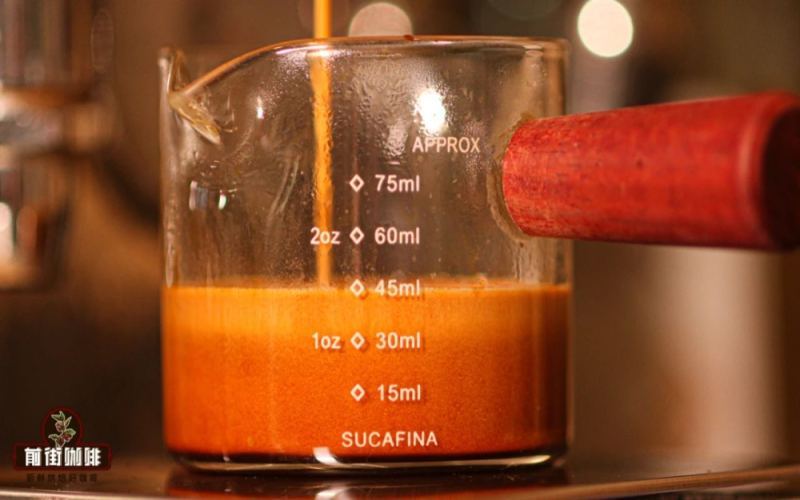
Home American Drip Coffee Maker Operation Guide: Coffee-to-Water Ratio, Grind Size, and Coffee Bean Selection Tips
To easily make a delicious cup of American coffee at home, a drip coffee maker is a highly cost-effective choice. This article starts with the two methods of making American coffee, focusing on the structure of a household American drip coffee maker, the standard operating procedure, the scientific basis of the 1:18.18 Golden Cup coffee-to-water ratio, and the impact of grind size on extraction. At the same time, for different taste preferences, specific recommendations are given for Front Street Coffee brand coffee beans, including sun-dried Huakui, washed Huahudie, Queen's Manor Brazil, Strawberry Candy, Classic Espresso Blend, and Golden Mandheling, and uses Strawberry Candy as an example to fully demonstrate the drip brewing process, helping coffee enthusiasts get started quickly. [more…]
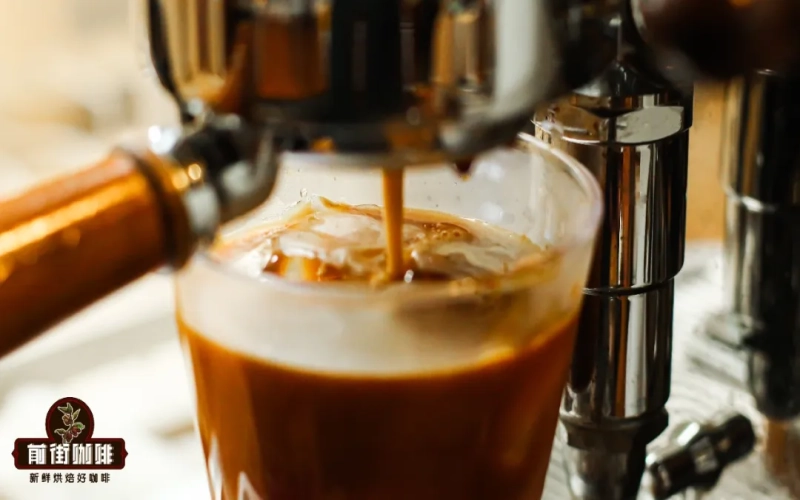
A Practical Guide to Dialing In Espresso: Key Techniques for Fixing Fast Flow and Weak Flavor
When making espresso at home, have you ever run into the problem of a fast flow and a weak, watery taste? Even if you follow a 1:2 coffee-to-water ratio, the result still lacks the rich, full-bodied mouthfeel of a coffee shop. The root cause is often an improper grind size, which leads to insufficient extraction efficiency. Starting from the underlying logic, this article will teach you how to quickly judge and adjust the grind size using just two core parameters—a 1:2 coffee-to-water ratio and a 30-second extraction time—so you can consistently extract a rich, intense espresso suitable for milk drinks. It will also discuss how roast level affects flavor and recommend high-sweetness, full-bodied espresso beans such as Front Street Coffee's signature blend, helping you easily master the art of dialing in your grinder. [more…]
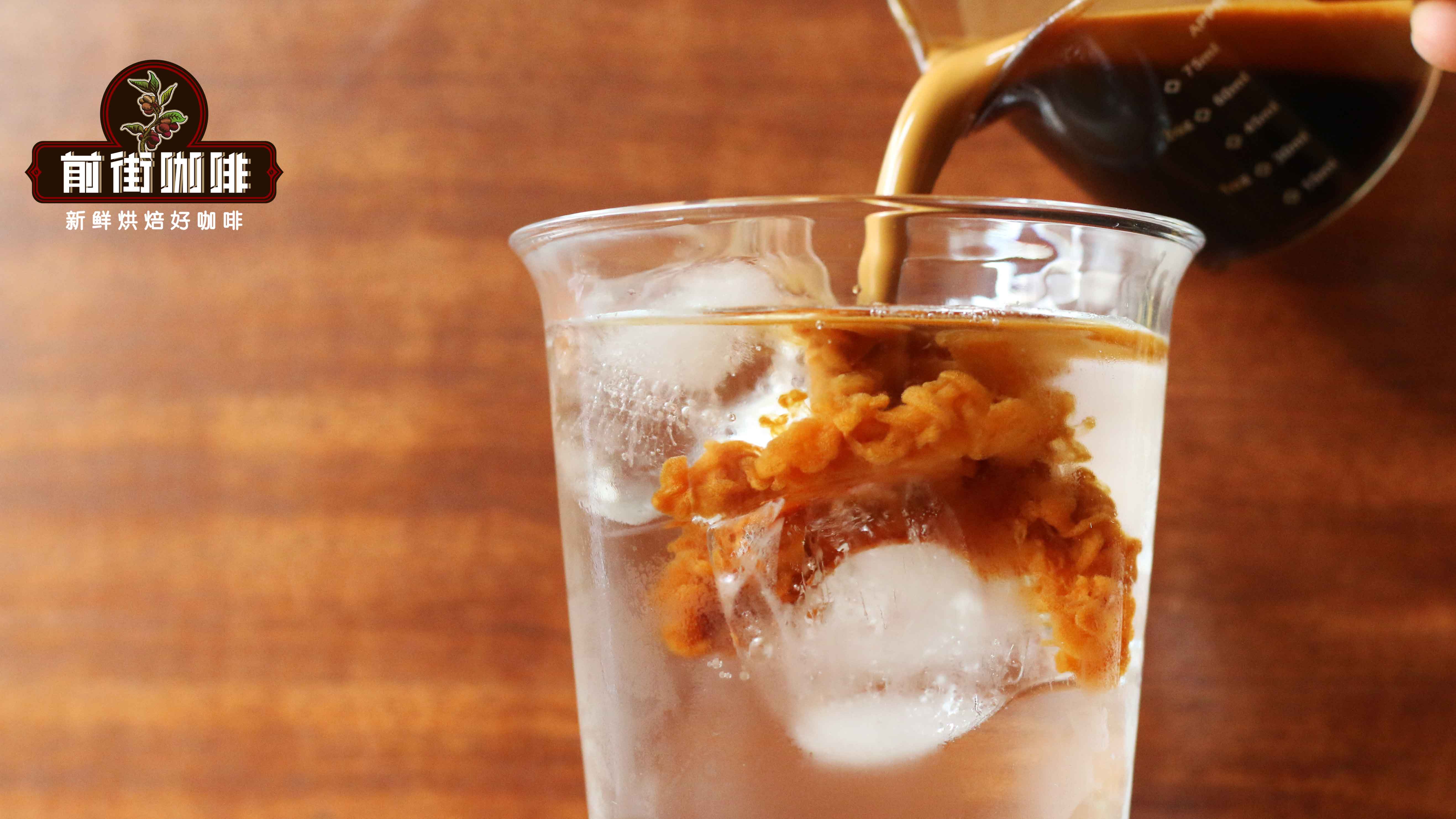
Why Is Coarse Grind Preferred for Drip Coffee? An Analysis of Grind Size and Brewing Essentials for American Coffee Makers
Americano coffee is mostly presented in everyday cafés as espresso diluted with water, but American coffee in the true sense originates from the drip-style American coffee machine. Why is drip equipment better suited to coarsely ground coffee? How does grind size affect the extraction result? Starting from Front Street Coffee's practice, this article sorts out the extraction characteristics of drip coffee machines, the suitable choice of coffee beans, and the method for determining the Americano coffee-to-water ratio, and includes the specific preparation parameters and steps for hot Americano and iced Americano, helping coffee enthusiasts understand the logic of matching coarse grinding with drip brewing. [more…]
SOE Espresso vs. Italian Blend: How Coffee-to-Water Ratio and Extraction Time Affect Flavor
In recent years, SOE coffee has frequently appeared in barista competitions and specialty cafés. It emphasizes the flavor distinctiveness of a single origin, forming a sharp contrast with traditional espresso blends. But what exactly does SOE mean? What are the essential differences between it and pour-over or espresso blends? In the extraction stage, how should the coffee-to-water ratio, time, and flow rate be controlled so that a shot of espresso is neither too intense nor too weak? Starting from the concept and combining actual output cases from Front Street Coffee, this article will break down the similarities and differences between SOE and espresso one by one, and provide actionable extraction parameter suggestions to help coffee enthusiasts consistently reproduce at home a cup of espresso with clear flavor and balanced taste. [more…]
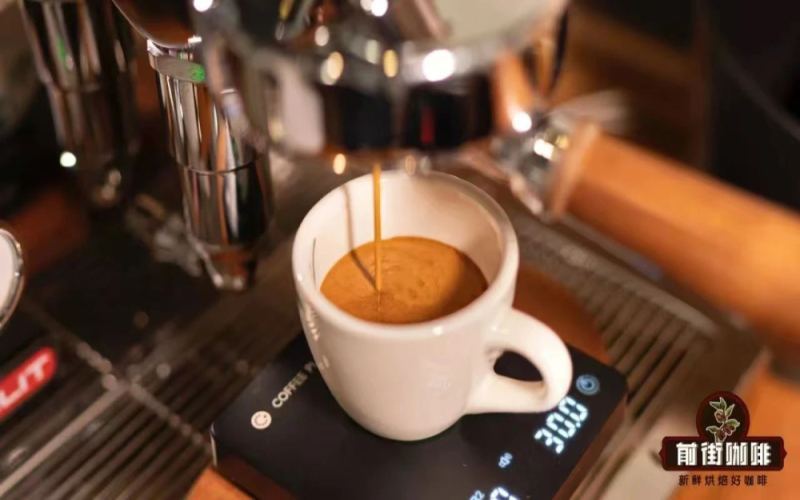
How the Espresso Coffee-to-Water Ratio Affects the Flavor of Lattes and Americanos
For the same coffee beans, the same grind size, and the same dose, how does changing the espresso brew ratio affect the taste of a latte, an Americano, and the espresso itself? Front Street Coffee conducted a comparative test using a Colombian and Brazilian blend, fixing the dose at 20 grams and extracting at three ratios—1:1, 1:1.5, and 1:2—analyzing acidity, sweetness, aftertaste, and the risk of over-extraction, ultimately offering parameter recommendations for different taste preferences and recommending blend options suitable for making espresso. [more…]
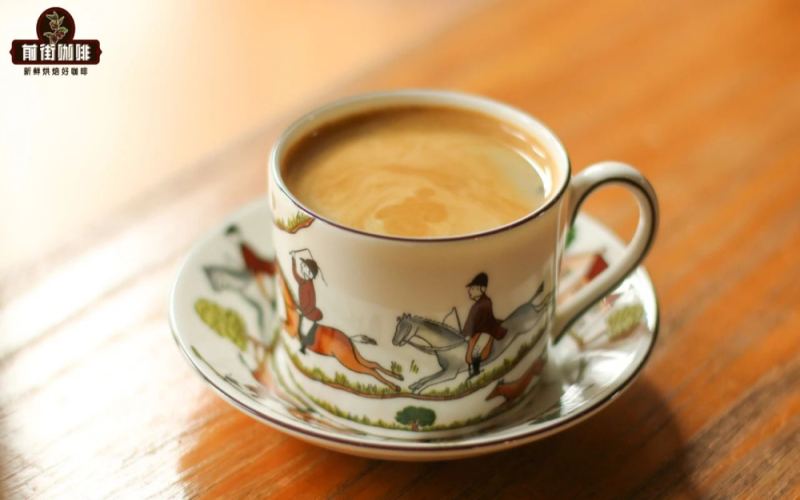
Espresso and Americano Coffee Grounds-to-Water Ratio Explained: Grinding Key Points, Blend Selection, and Cold Brew Differences
Espresso serves as the base and can evolve into various drinks by adding water, milk, or ice, among which the coffee-to-water ratio of Americano directly determines the strength of its taste. Drawing on the practical experience of Front Street Coffee, this article explores the appropriate extraction ratio for Americano, the reference range of the Golden Cup standard, and the influence of different coffee blends on flavor. It also compares cold brew and Americano in terms of brewing methods and storage characteristics, helping coffee enthusiasts find the cup that suits their taste. [more…]
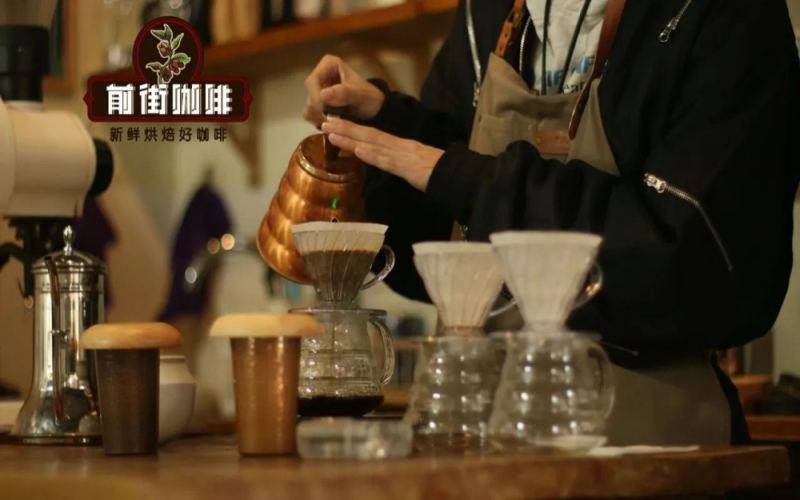
A Complete Guide to Pour-Over Coffee Ratios: How Much Water Should You Actually Use for 15 Grams of Coffee?
The flavor expression of pour-over coffee is closely related to the coffee dose, grind size, coffee-to-water ratio, and pouring technique. For an ideal cup of pour-over coffee, exactly how much coffee grounds should be used, and how much water should accompany them? Taking 15 grams of grounds as an example, Front Street Coffee, combined with SCAA concentration recommendations, analyzes the coffee-to-water ratio range of 1:12 to 1:15, and explains why 1:15 has become a commonly used parameter in cafes. The article also compares the differences in extraction ratios with espresso, and includes the complete brewing data and three-stage operation details of Front Street Yirgacheffe Gedingding, helping enthusiasts build a reproducible brewing framework. [more…]
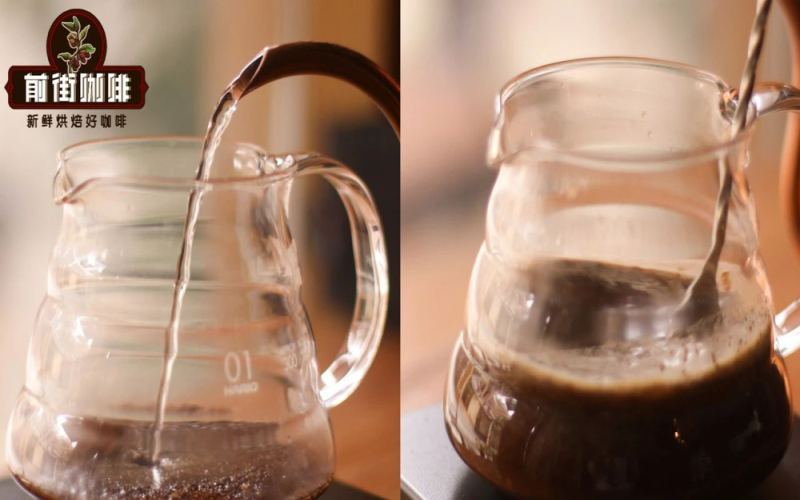
The Complete Guide to Making Cold Brew Coffee: From Bean Selection to Coffee-to-Water Ratio, Can Espresso Grounds Be Cold Brewed? All Explained Clearly
Cold brew coffee is the easiest of all brewing methods to master—no professional skills required, and even coffee beginners can easily make a delicious glass of iced coffee. Drawing on the practical experience of Front Street Coffee, this article systematically covers the flavor characteristics and key production points of cold brew coffee, including recommendations for coffee beans suitable for cold brewing, suggested coffee-to-water ratios and grind sizes, the complete steps for steeping and filtering, and how to store cold brew coffee. In addition, in response to the question many enthusiasts have about "whether espresso grounds can be used to make cold brew," Front Street also provides adjustment solutions based on actual testing, with detailed explanations covering everything from parameter settings to taste performance, helping you avoid common pitfalls and consistently produce a clean, smooth, and full-flavored cup of cold brew coffee at home. [more…]
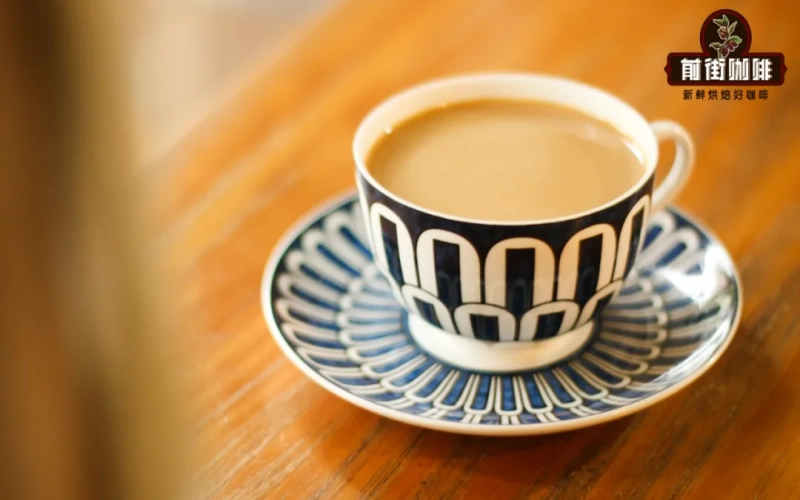
Can Pour-Over Coffee Also Make Milk Coffee? A Complete Guide to Pairing a High-Extraction Pour-Over Base with Milk
When it comes to combining pour-over coffee with milk, most people think of café au lait, but café au lait has a relatively low coffee concentration, and its flavor is easily diluted once milk is added, making it clearly different from an espresso-based latte. Front Street Coffee recently noticed a shop-visit video by a well-known Korean coffee blogger, in which a champion barista used a pour-over method to make a milk coffee with excellent flavor and mouthfeel. This article will focus on the extraction logic of espresso and share how to obtain a very high-concentration pour-over coffee as a base by adjusting the coffee-to-water ratio, grind size, water temperature, and stirring technique, then add milk in an appropriate ratio to create a drink that comes infinitely close to a latte. It will also recommend medium-dark roasted beans suitable for pairing with milk and specific Front Street Coffee products, and include complete brewing parameters and operating steps. [more…]