







Search Results for: espresso bitterness
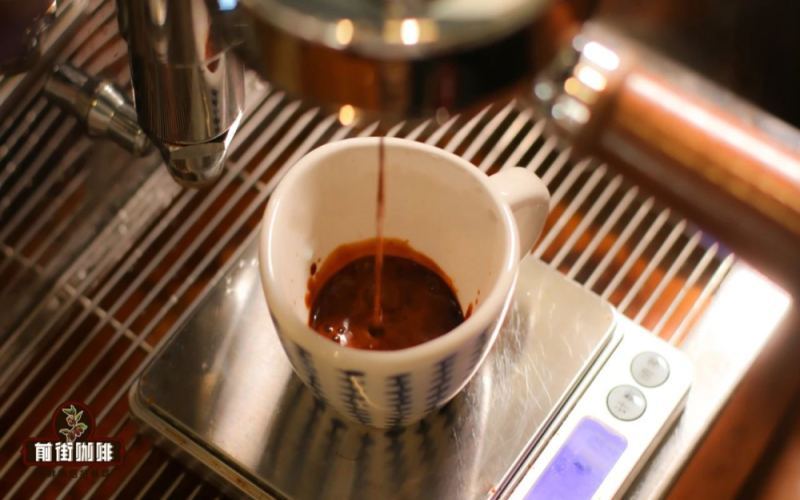
What are the differences between espresso and Americano? A full analysis of espresso and SOE flavor characteristics
Many people are startled by the bitterness of their first espresso, wondering how such a small cup can be so bitter. In fact, bitterness is not all that espresso has to offer—behind it lies a rich aroma and a full-bodied mouthfeel. Starting from the characteristics of espresso, this article explores why it is bitter, where that bitterness comes from, and how SOE (Single Origin Espresso) is changing the stereotype that espresso is nothing but bitter. It will also explain the relationship between Americano and the espresso-based coffee system, helping coffee lovers gain a more comprehensive understanding of the differences between these two common coffees and their respective charms. [more…]
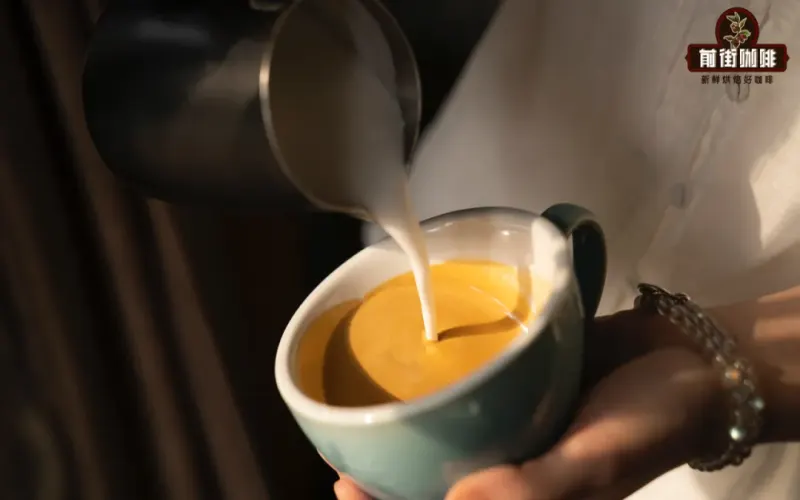
What to Do If Espresso Is Too Bitter to Drink Straight? A Complete Guide to Fancy Ways to Enjoy It with Sugar, Milk, Lemon, and More
Espresso is extremely concentrated with intense flavor, but not everyone can accept its strong bitterness when drunk straight. Without changing the concentration of the espresso, adding sugar, dairy products, lemon, salt and other seasonings to balance the bitterness allows people to enjoy the richness of highly concentrated coffee while avoiding the unpleasant bitterness. This article summarizes a variety of fancy ways to drink espresso: the sweet neutralization of white sugar, yellow sugar, and brown sugar; the cream topping of Con Panna; the small amount of milk garnish of Macchiato; the condensed milk pairing of Spanish candy coffee; the balance of lemon acidity and granulated sugar in Roman espresso; and the little trick of adding salt to reduce bitterness. All espresso in this article is extracted using Front Street Classic Blend, with parameters of 20g, 30s, 40ml, and flavor notes of chocolate, nuts, cream, and cookies. [more…]

Why Is Espresso Ordered So Rarely? An In-Depth Look at Espresso's High Concentration and Bitter Notes
Espresso, as Italy's national drink, is known for its high concentration and quick preparation, yet in China few people actively order it. Its TDS concentration can reach 7%–12%, far exceeding pour-over coffee, and bitterness becomes most people's first impression. However, bitter does not mean undrinkable—the caramel, dark chocolate, and roasted nut aromas brought by dark-roast blends, along with the viscous texture imparted by Crema, are the true flavor core that enthusiasts seek. In recent years, the rise of SOE has given espresso even more diverse expressions such as fruity notes and fermented aromas. Starting from Front Street Coffee's experience, this article takes you to rediscover this small-volume, high-density cup of coffee. [more…]
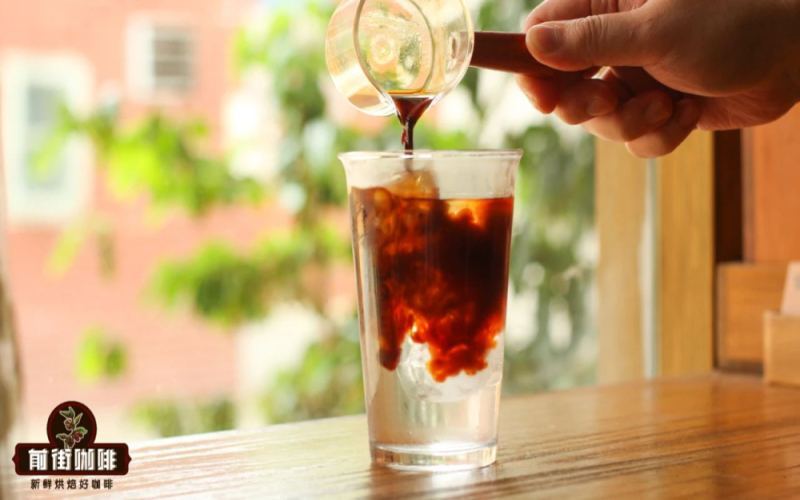
Beginner's Guide to Americano: From the Causes of Bitterness to Buying Advice for Italian-Style Beans That Are Neither Sour Nor Bitter
To make a smooth cup of Americano at home, you first need to understand what it's made of. An Americano is nothing more than espresso plus water, yet it is the drink that best reveals the character of the coffee beans themselves and the level of extraction. This article starts with the method of making an Americano—the ratio of espresso to water, and the differences between hot and iced versions—then analyzes the two main sources of bitterness in an Americano: the beans themselves being on the darker, heavier side, and mistakes during extraction. Finally, it offers guidance on choosing espresso blends suited to Americanos, and recommends four beans—Front Street Specialty Blend, Front Street Strawberry Candy, Front Street Dark Cocoa Blend, and Commercial Blend—to help you pick the one that is neither sour nor bitter, according to your taste and the occasion. [more…]
Differences in Drinking Methods Between Espresso and Americano: A Flavor Comparison of Italian Blend Beans and SOE
Espresso and Americano both belong to the Italian coffee system, yet the drinking experience they offer is entirely different. Espresso uses pressurized extraction to concentrate the essence of coffee into a 30ml cup; its flavor is rich and aromatic, yet it is often misunderstood by first-time tasters because of its bitterness. Starting from the sources of espresso's bitterness and the difference between Italian blend beans and SOE, this article sorts out the correct approach to tasting, and explains Americano's position as an espresso-plus-water drink. Combining specific products such as Front Street Coffee's commercial blend coffee beans and the Sunflower Warm Sun blend, it helps coffee lovers understand how different roast levels and bean choices affect espresso flavor, and find the cup that suits them. [more…]
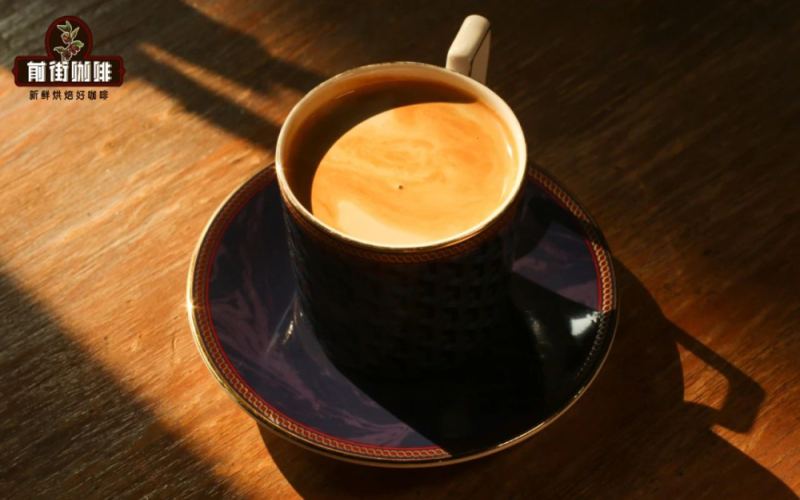
American Coffee Bean Buying Guide | Why Is American Black Coffee Bitter? Which Low-Acid, Non-Bitter Espresso Blend Beans Are Recommended for Home Coffee Machines?
Espresso refers to the concentrated liquid extracted using an espresso machine. In most cases, the espresso concentrate is not used for direct serving. Of course, sometimes some customers, for the sake of alertness and a strong taste, will order espresso; this situation is not common. Espresso concentrate is brewed at a 1:2 ratio, and its [more…]
Why Does the Golden Crema on Espresso Taste Bitter? A Comprehensive Interpretation from Origin to Tasting Methods
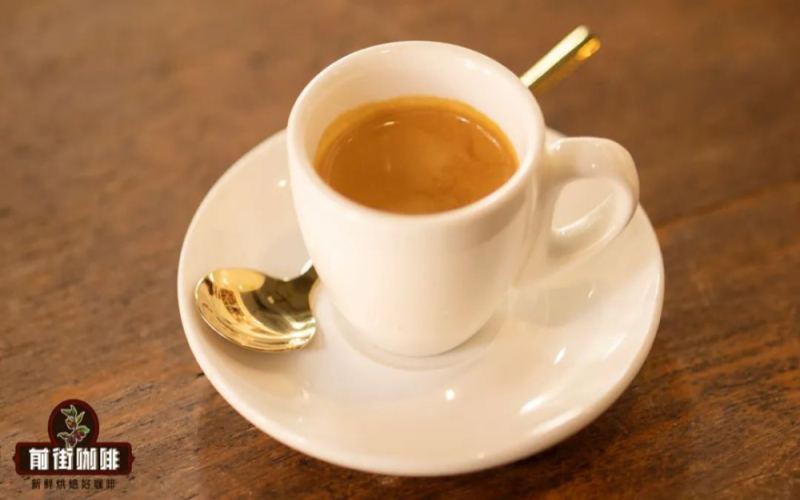
The golden foam on the surface of espresso is often called the "soul" of coffee, but when tasted on its own, that intense bitterness often catches people off guard—it can even be more bitter than the coffee liquid itself. Japanese coffee researcher Nobuhiro Tanbe once pointed out that after removing the surface oils, the unpleasant flavors in espresso are greatly reduced; WBC champion James Hoffmann holds a similar view, believing that although crema is visually pleasing, it may not taste good on the palate. Front Street Coffee previously conducted a dedicated comparative experiment, confirming that the bitterness of Americano with the oils removed is indeed noticeably lower. That being the case, where exactly does the bitterness of this layer of oils come from? And why does it still keep so many enthusiasts coming back for more? This article will examine extraction principles, the causes of bitterness, and aroma, mouthfeel, and finish, among other dimensions, to help you reunderstand espresso's crema and offer better ideas for drinking it. [more…]
The correct way to taste espresso: how to drink out its layers, and how it really differs from Americano
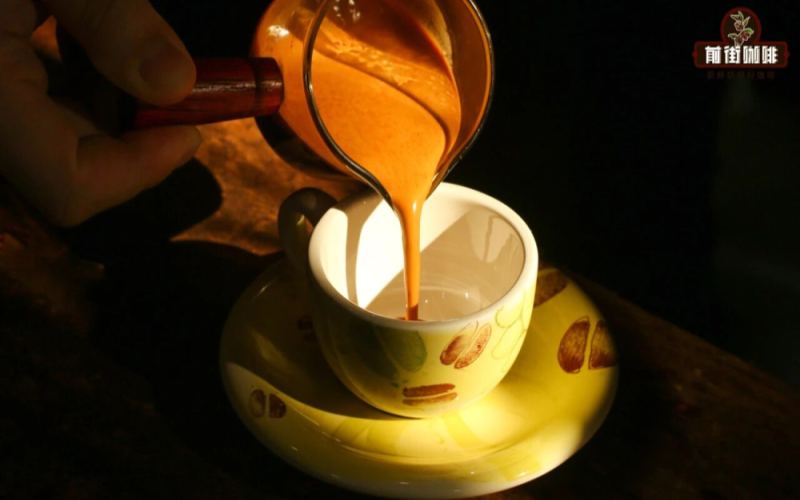
Espresso always carries a sense of drama on social media—some people down it in one gulp with a look of pure bliss, while others take a single sip and immediately frown. Why does the same cup of coffee trigger such polarizing reactions? The truth is, espresso itself is not just bitter; its aroma and layers are far richer than you might imagine—it's just that the high concentration makes the bitterness too prominent, masking the flavors underneath. Starting from real scenes at Front Street Coffee locations, this article shares practical tasting techniques such as stirring the crema, drinking in stages, and pairing with ice water, while also clarifying the essential difference between espresso and Americano, helping you truly understand this little cup of Italian coffee. [more…]
Where does espresso flavor come from? How to choose espresso beans? Five tips to teach you how to taste Espresso
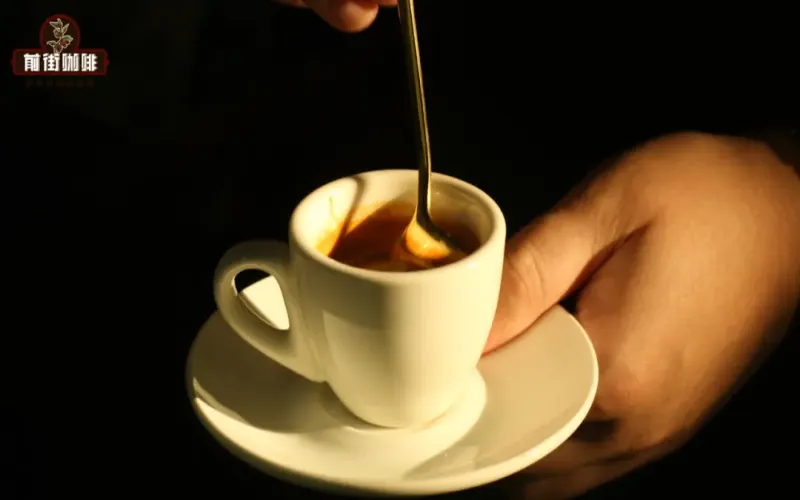
Espresso often leaves a first impression of being "bitter," which puts off many first-time tasters. But those who truly know how to appreciate it can taste layers and pleasure in this small cup of coffee. From the perspective of Front Street, this article systematically sorts out the three major advantages brought by espresso's pressurized extraction—Crema, rich lipids, and ultra-high concentration—and shares five practical tasting tips: first rinse your mouth with water, stir to blend the oils, smear the oils around the rim of the cup to adapt, take small sips in several rounds, and choose Italian-style beans with a medium roast. At the same time, it introduces how Front Street's classic blend, with a combination of Mandheling, Brazil, and a small amount of Robusta, presents a chocolate-hazelnut profile that is strong but not bitter, helping you more easily enjoy a cup of espresso. [more…]
More Than Just Lemon! Creative Espresso Drinks: A Guide to Cuban Coffee, Con Panna, and Macchiato
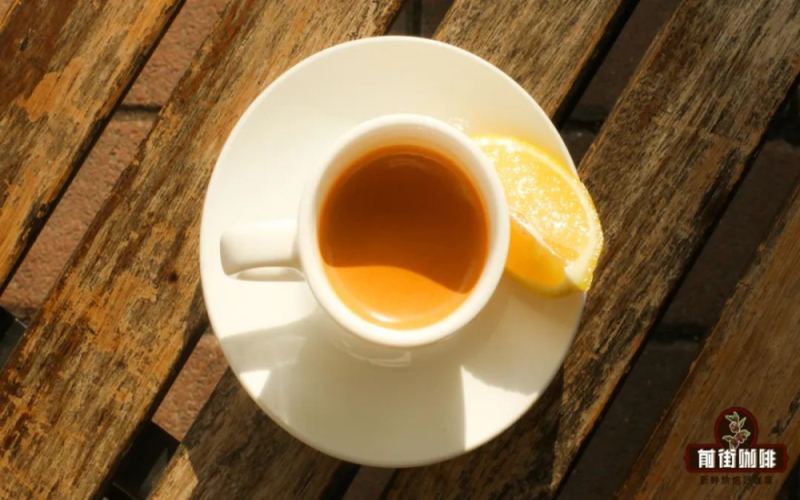
The bitterness of espresso puts many people off, so people have come up with various ways to add flavor and reduce the bitterness. From adding sugar and milk to adding cream, many classic Italian coffee drinks have been derived. Today, Front Street will sort out several fancy ways to drink espresso, including Ristretto and Lungo from short and long extractions, Cuban espresso with brown sugar, Macchiato topped with milk foam, and Con Panna with whipped cream. Each one, without changing the essence of espresso, makes the coffee easier to drink and brings a richer taste and tactile experience. If you also can't get used to the bitterness of pure espresso, why not follow Front Street and see which one suits you better. [more…]

Espresso Coffee Tasting | What's the Etiquette for Drinking Espresso? What Techniques Are There for Tasting Espresso?
On various social platforms, we often come across scenes like this: a coffee enthusiast tilts their head back and downs a cup of espresso in one gulp, then after a brief frown, reveals an expression of intoxication as if they have tasted the most exquisite delicacy in the world. Many friends are infected by the enthusiast's emotions in the video, so after going to a café they will [more…]
Getting Started with Americano: Differences Between Espresso and Pour-Over, Causes of Bitterness, and Front Street Coffee's Espresso Bean Buying Advice
American coffee may seem like it only requires espresso plus water, but in reality it is the best test of a barista's extraction skills. This article starts with the difference between espresso and pour-over, explains in detail the ratios for making hot Americano and iced Americano, the two main reasons American coffee tastes bitter, and recommends several Front Street Coffee espresso blend beans for different taste preferences. Whether you are a beginner just getting into black coffee or an enthusiast who wants to recreate café flavors at home, you can find bean selection ideas and brewing references that suit you. [more…]
Why Is Hot Americano So Bitter? Explaining the Differences Between Iced and Hot Americano from Temperature, Bean Type, and Ratio, Plus Bean Selection Tips
Many coffee enthusiasts' first impression of hot Americano is "bitter," and some even joke that the only difference between it and traditional Chinese medicine is that you can't use health insurance for it. In fact, iced Americano and hot Americano are essentially the same black coffee made by diluting espresso, but hot Americano tends to be less popular—office workers rely on it to stay awake while mocking themselves as "bitterly fated people." What exactly causes this difference in bitterness? This article, drawing on Front Street Coffee's tasting experience, breaks down the three major factors of temperature, coffee beans, and ratio, and offers specific advice on how to make a hot Americano that is aromatic without being bitter, as well as which coffee beans to choose if you fear bitterness and prefer sweetness. [more…]
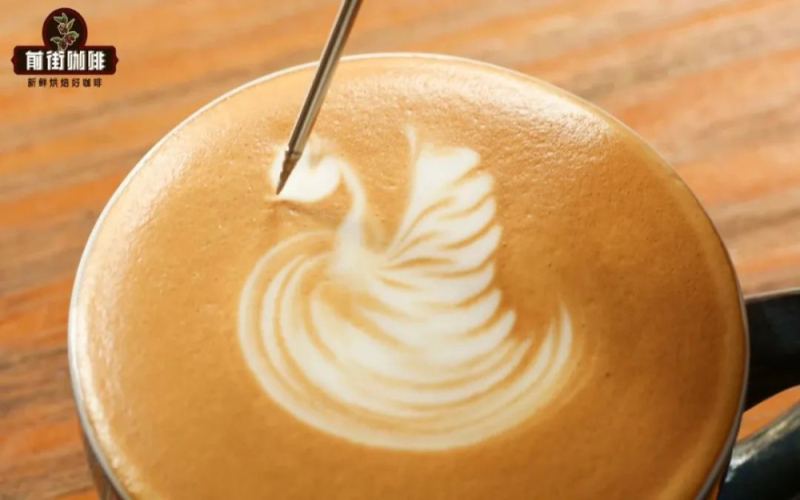
The Complete Guide to Latte Coffee Ratios: The Logic Behind Espresso and Milk Proportions, and the Causes and Solutions for Bitterness and Weakness
Latte is the starting point for many people's introduction to espresso, but when making it at home, it often turns out bitter or weak. The key to an ideal latte lies in whether the espresso extraction state and the milk ratio are appropriate. Based on Front Street Coffee's practical experience, this article sorts out the standard ratios for hot lattes and iced lattes, analyzes the root causes of three common problems—too bitter, too weak, and both bitter and weak—and provides corresponding adjustment approaches. It also introduces two espresso beans suited to different taste needs, Front Street Coffee Dark Cocoa Blend and Front Street Coffee Strawberry Candy Espresso, to help readers reliably recreate a balanced and smooth milk coffee at home. [more…]
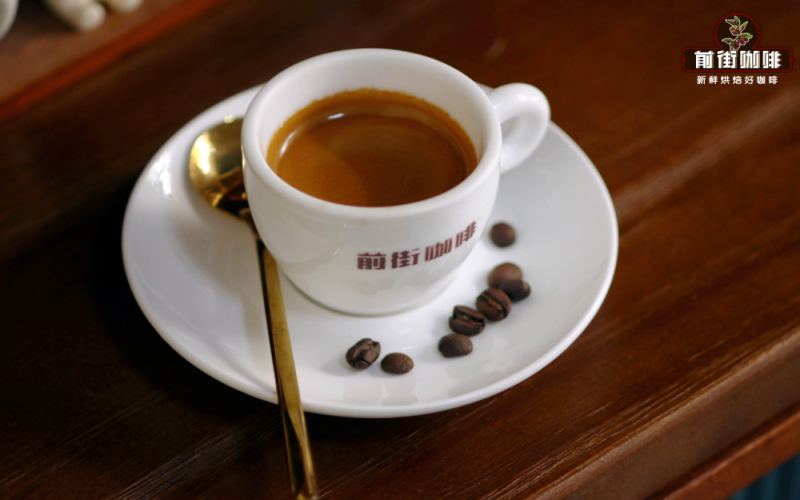
Espresso Tasting Guide: From Sensory Characteristics to the Correct Way to Drink It Based on Extraction Parameters
Espresso was born in Italy around 1946 and subsequently became popular in Southern European countries for a long time, only spreading globally through Starbucks around 1986. This dark coffee, with a capacity of only about 50 milliliters, is covered with a fine, bright reddish-brown foam on its surface, concentrating the aroma, taste, and visual beauty of coffee. This article will systematically review the sensory characteristics of Espresso—including the visual crema, the body in the mouthfeel, the balance of sourness, sweetness, and bitterness in taste, and the lasting aftertaste—analyze the manifestations of under-extraction and over-extraction in the foam, and provide SCA-standard parameters for dose, yield, time, pressure, and water temperature, while introducing Front Street Coffee's four Italian blend beans and their brewing suggestions. [more…]
How Does Mandheling Differ from Espresso? An Analysis of the Bitterness Layers and Brewing Key Points of Single-Origin Beans
Many people, when first encountering coffee, often equate it with the bitter, burnt taste of "dishwater." In reality, the world of coffee is far richer than that. Mandheling and espresso belong to different categories: the former is a typical single-origin coffee, known for its full-bodied richness; the latter uses espresso as its base, giving rise to fancy drinks like lattes and cappuccinos. This article will clarify the differences and characteristics of the two, explain where Mandheling's bitterness comes from, and introduce the Sumatra region, the wet-hulling process, as well as the flavors and brewing suggestions for two Mandheling beans from Front Street Coffee, helping coffee enthusiasts more clearly understand the two lineages of single-origin and espresso. [more…]
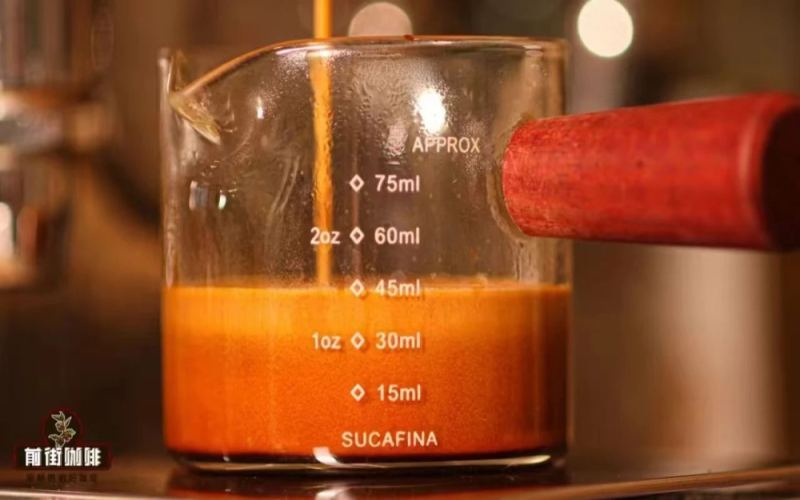
When Lemon Meets Espresso: The Origins of Espresso Romano and a Hands-On Test of Two Home Recipes
Espresso with lemon—a combination that may sound unfamiliar, yet it has actually been circulating in southern Italy for over half a century, where locals call it caffè canarino or caffè al limone, written in English as Espresso Romano. Its origins are closely tied to the historical context of post-World War II Italy, when coffee beans were scarce and dark-roasted beans were bitterly charred and hard to swallow, while the lemon-rich southern regions happened to provide a natural ingredient to temper the bitterness. In addition to tracing this history, this article will also put two beans—Sunflower Warm Sun Blend and Brazil Queen's Estate—to the test, using espresso and moka pot methods respectively to brew this drink, recording how sweetness, acidity, and bitterness contend when lemon meets coffee, and exploring the embellishing role of lemon juice in contemporary coffee creation. [more…]
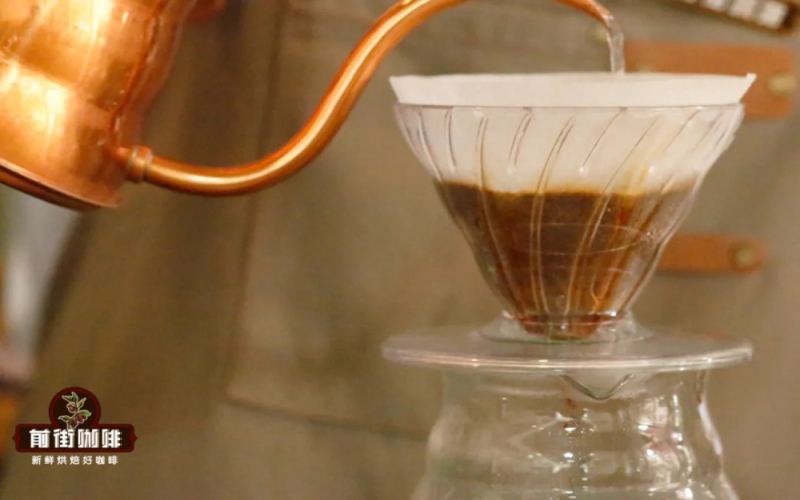
How to Choose Non-Bitter Coffee Beans for Pour-Over and Espresso? Light vs. Medium Roast Flavor Differences and Front Street Coffee Bean Recommendations
To enjoy a smooth cup of coffee without bitterness, the key lies in understanding the relationship between extraction principles and roast level. Soluble compounds in coffee dissolve into hot water, with fruity acidity emerging first, sweetness following, and bitterness last. Light-roasted beans retain more chlorogenic acid and small-molecule compounds, with a low degree of caramelization and minimal bitterness generation, making them ideal for highlighting floral notes and citrus or berry qualities. For pour-over beginners, light to medium roasts are the best starting point—for example, Front Street Coffee's washed Gudingding and Front Street Coffee's natural Huakui. The former has bright acidity and a delicate finish, while the latter offers full fruity aroma and a rich mouthfeel. If you use an espresso machine at home, pressurized extraction tends to amplify flaws, so you should choose medium-roast espresso beans, such as Front Street Coffee's Strawberry Candy Espresso, which has dense crema and a sweet-and-sour profile like strawberry gummy candy. [more…]
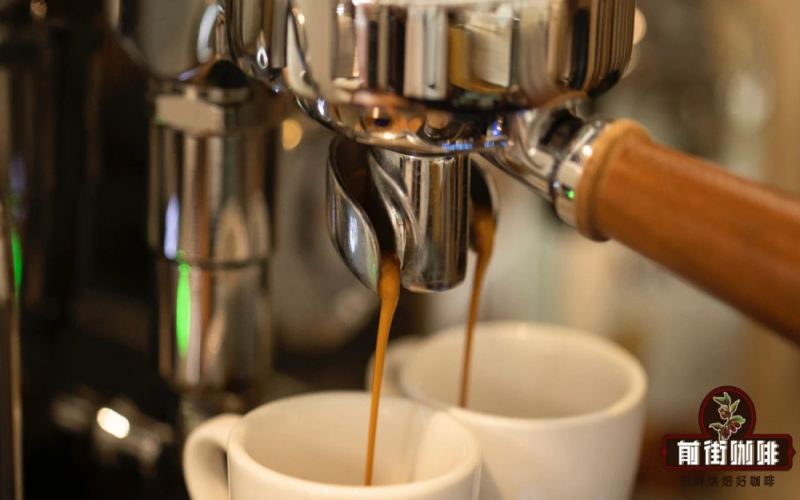
Analyzing the Relationship Between Americano and Black Coffee, Whether the Taste Is on the Bitter Side, and Recommendations for Beans That Taste Good Without Bitterness
Many friends who are just getting into coffee ask: Is iced Americano considered black coffee? Does Americano actually taste bitter? To answer these questions, we need to start with espresso. Americano is essentially espresso diluted with water in a certain ratio, and its flavor profile and level of bitterness largely depend on the roast level and origin blend of the coffee beans used. This article will trace the origin and evolution of Americano, explain its relationship with black coffee, and offer recommendations for coffee beans that taste good without being bitter, tailored to different taste preferences—including the specific flavor performance and extraction parameter references for two Front Street Coffee espresso blends—to help you find the cup that suits you. [more…]
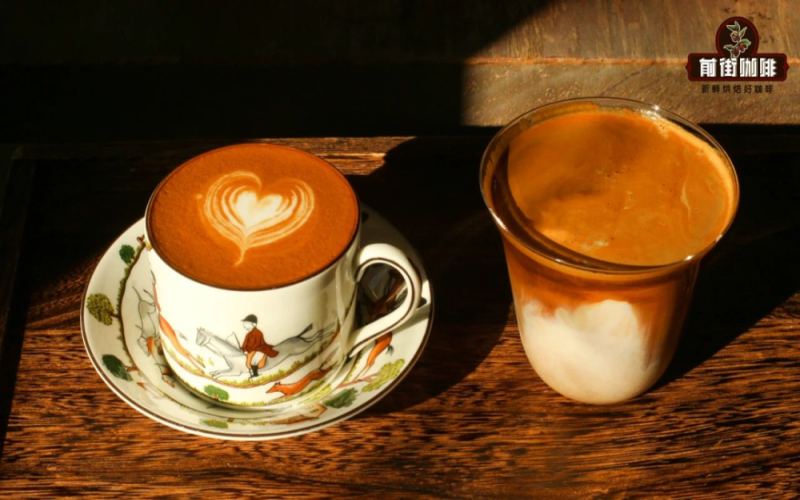
Why Is Latte Coffee Still Bitter? A Full Analysis of Espresso-to-Milk Ratios, Extraction Levels, and Coffee Bean Selection
Latte is the espresso drink most easily accepted by many people new to coffee, but quite a few find that the lattes they make themselves or buy outside still taste bitter. Where exactly does the bitterness come from? This article analyzes it from three angles: the roast level and varietal quality of the coffee beans, whether the espresso extraction is over-extracted, and individual sensory sensitivity, while also explaining how to improve the taste by adjusting extraction parameters or the ratio of milk to coffee. The article also recommends two beans, Front Street Classic Blend and Front Street Strawberry Candy Espresso Blend, to help you make a smooth, distinctly sweet milk coffee at home. [more…]