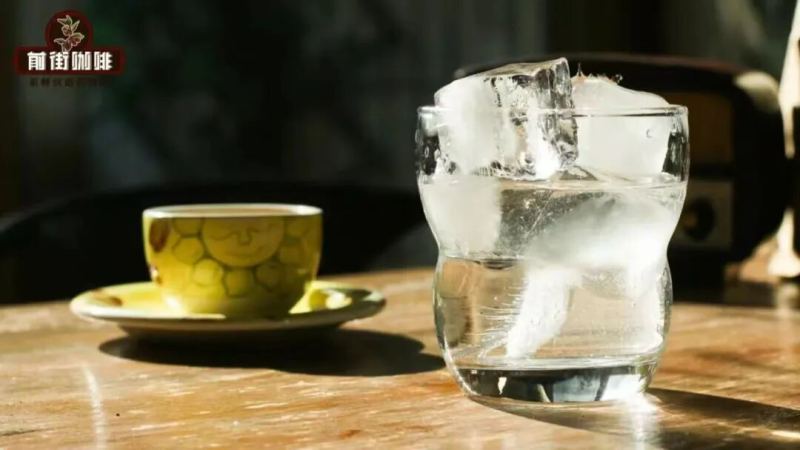
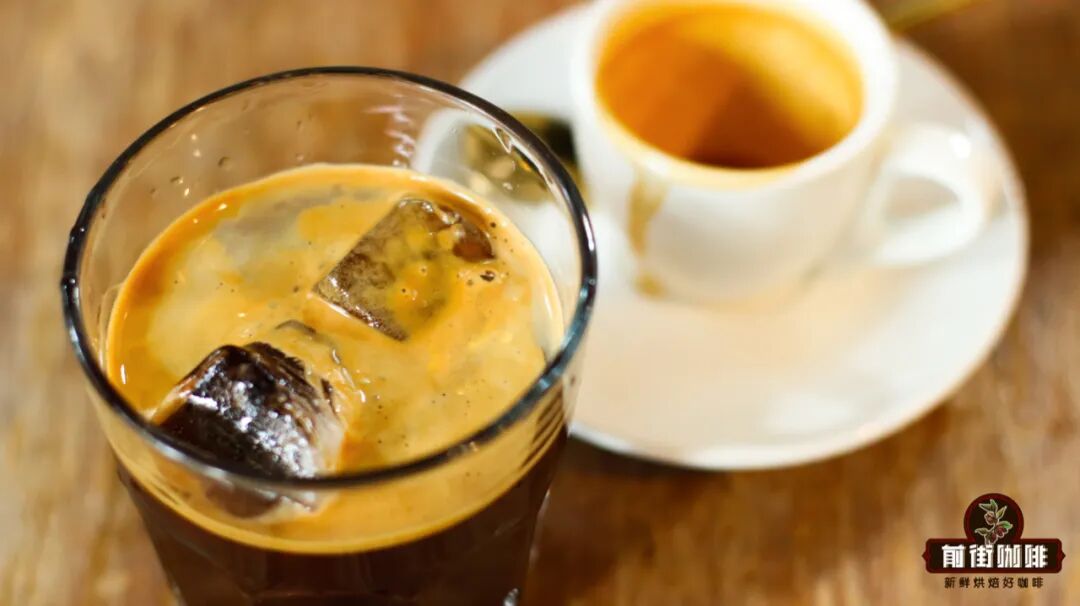
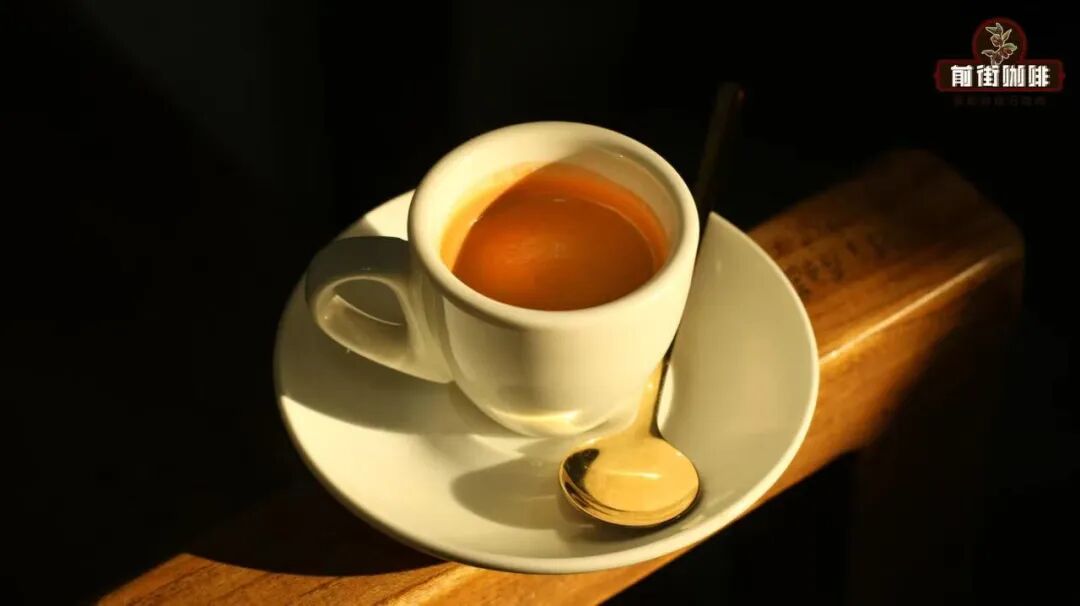
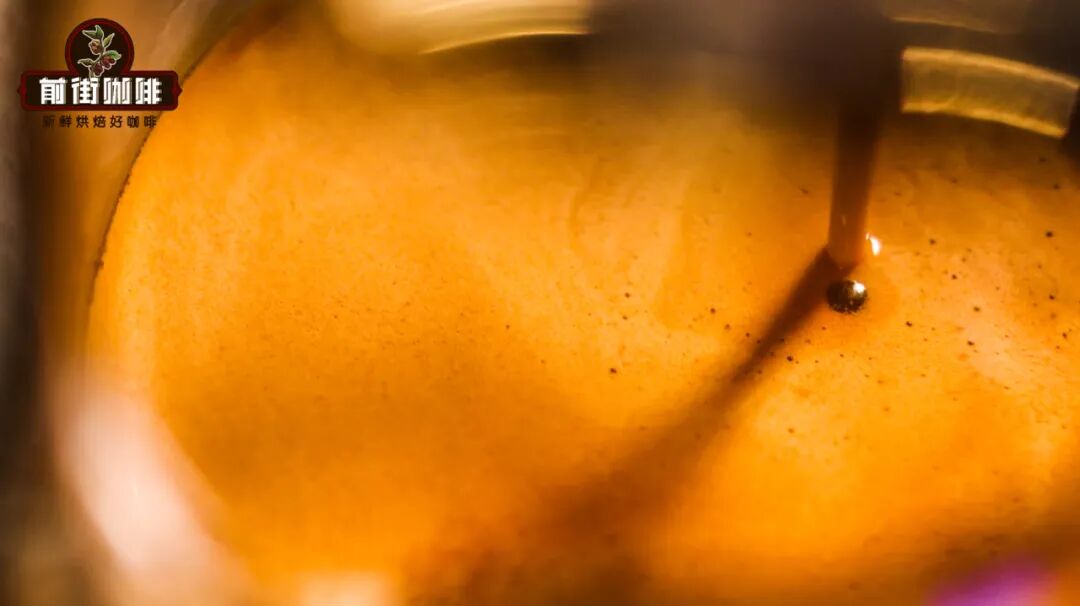
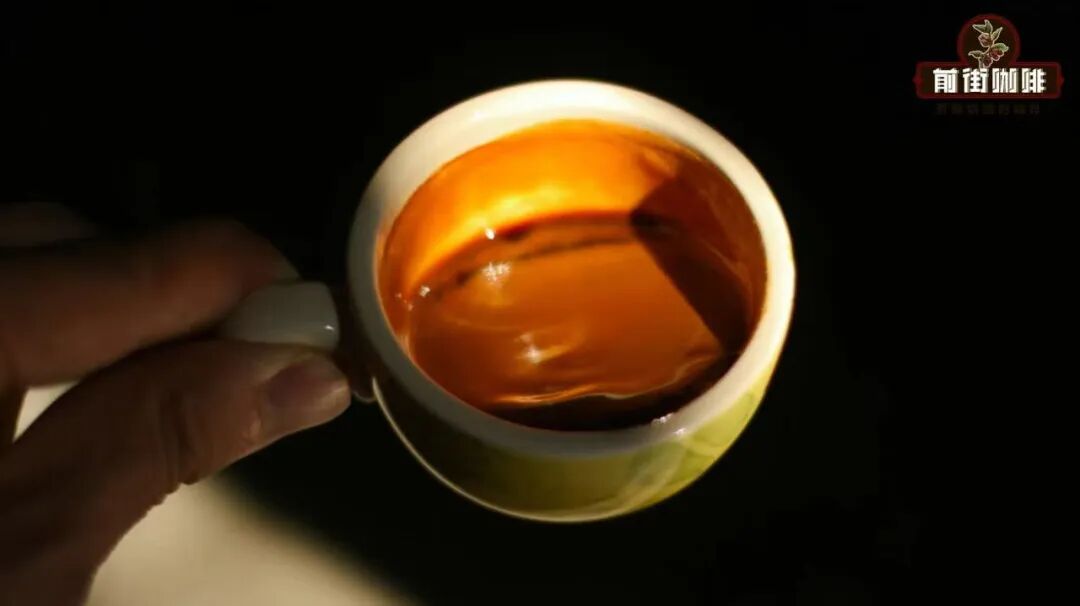
On various social platforms, we often come across scenes like this: a coffee enthusiast tilts their head back and downs a cup of espresso in one gulp, then after a brief frown, reveals an expression of bliss as if they've tasted something divine.Many friends are swept up by the enthusiast's emotion in the video, so after going to a café, they excitedly order an espresso, hoping to experience the astonishing deliciousness that espresso brings. Well, the result... you can imagine!
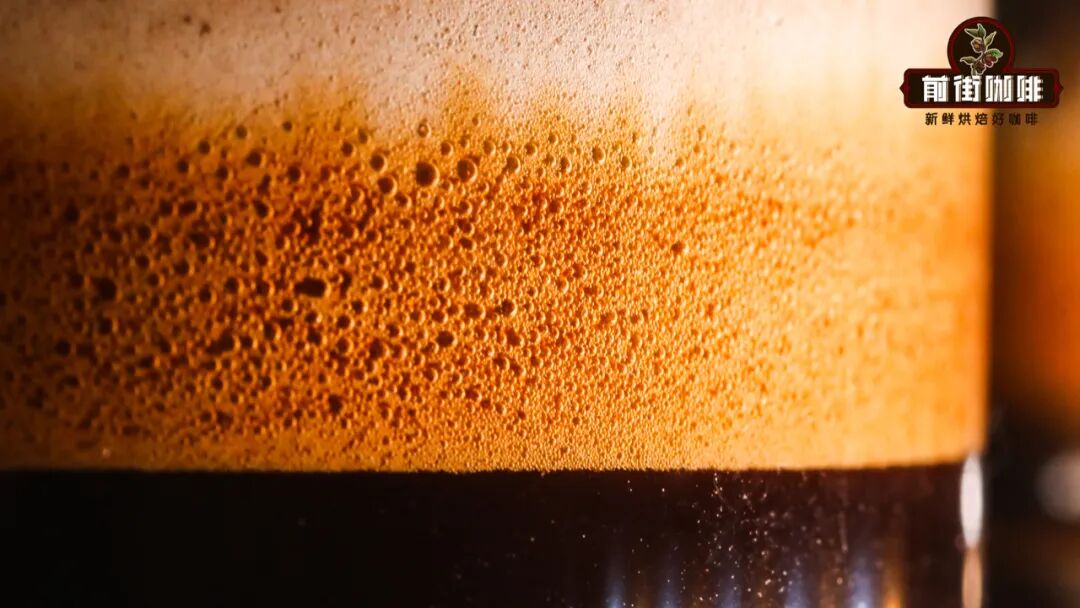
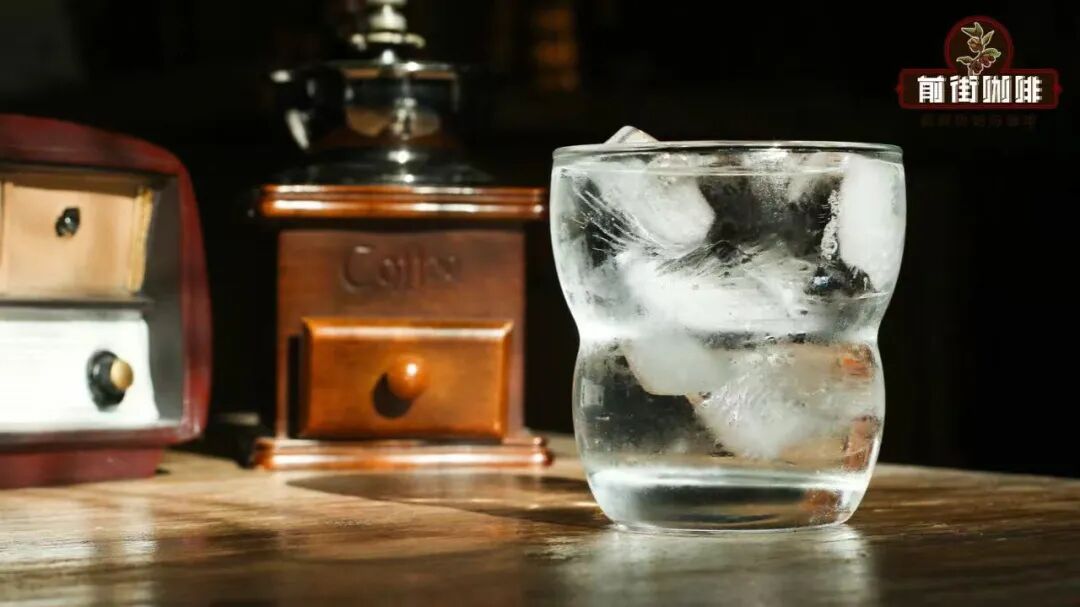
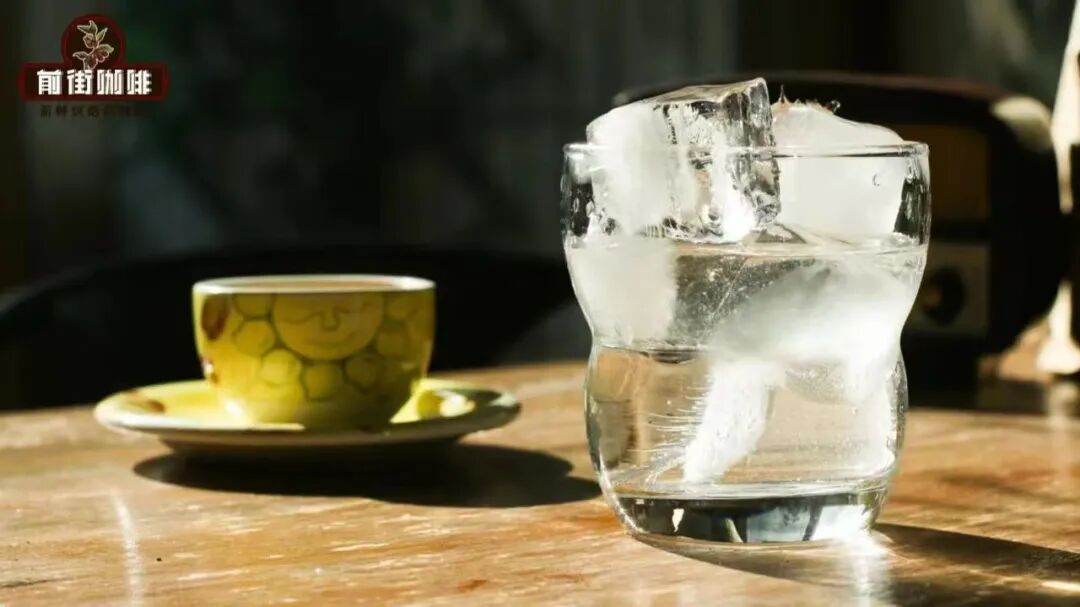
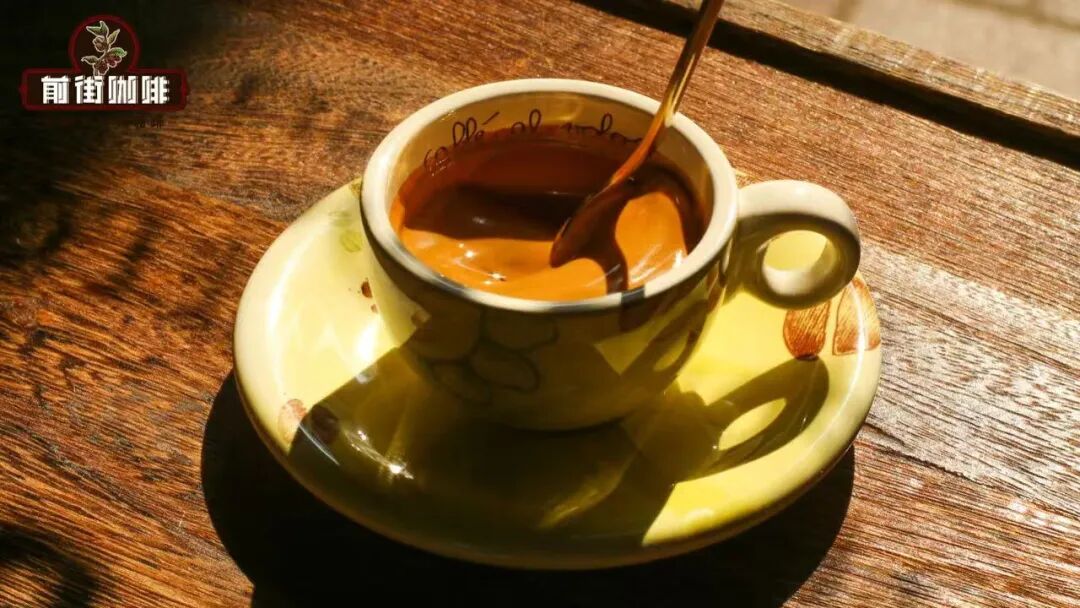
At Front Street Coffee shops, you can often see scenes like this: as the espressogradually spreadsthrough the mouth, the taster's expression shifts from eager anticipation to furrowed brows, and by the time they swallow the espresso, they completely lose control of their facial expressions and blurt out with a cry: Why is it so bitter!! Then they turn around and dump the espresso into the complimentary ice water to make an iced americano, and casually blacklist espresso from their coffee list.So this is why the vast majority of coffee shops in China treat espresso as a hidden item rather than putting it on the menu. The purpose is to prevent inexperienced novices from ordering it by mistake and triggering a series of negative reactions.But actually, espresso isn't as bad as everyone imagines. Just like various bitter coffees, its bitterness is merely a surface impression, and behind it lies a very rich variety of aromas and flavors. It's just that because espresso's concentration is so high, the bitterness becomes too concentrated, and since our taste buds happen to be very sensitive to bitterness, we tend to overlook the "kaleidoscope" hidden behind the bitterness.(The SCA Golden Cup extraction standard's suitable concentration range is 1.15%~1.35%, while espresso's TDS concentration value typically reaches 7%~12%)No worries — today Front Street Coffee is here to share with you how to savor the deliciousness of espresso. It's not just about drinking; when tasting espresso, there are many techniques that can help us better experience its deliciousness.Actually, the bitterness many friends taste from espresso doesn't all come from the coffee liquid — more of it comes from the crema. Because espresso machines use pressurized extraction, espresso has a layer of golden foam filled with carbon dioxide — Crema, which is what we call coffee oil.Since the density of the crema is far lower than that of the coffee liquid, within just a few seconds after extraction is completed, it all floats to the surface of the coffee liquid. If you don't take a big sip, chances are you won't get much coffee liquid. And it just so happens thatmany friends, when tasting for the first time, tend to tentatively take a small sip, so they often only get the crema and are put off by its bitterness, giving up on tasting espresso from then on.If you don't want this to happen, we just need to take the small spoon that comes with the cup and use it to stir the espresso properly, so that the crema and the coffee liquid recombine. Even if you only take a small sip, you'll get more coffee liquid.And the effect of stirring isn't just about letting us better taste the coffee itself — it also allows the fine particles attached to the crema to blend with the coffee, making the coffee's mouthfeel richer and more full-bodied.Technique Two: Take More SipsJust like drinking cola, when drinking espresso, the taste you perceive in the first sip is often the strongest. This is because your taste buds aren't prepared yet, so when faced with a sudden burst of flavor, the sensation tends to be relatively strong and stimulating.By the time we taste the second sip, we'll find that the bitterness has dropped quite a bit. This is because as the sense of taste gradually adapts, the perception of bitterness gradually weakens. At this point, we can begin to gradually accept the taste of espresso and start exploring the multi-layered flavors hidden behind it.But note that the interval between sips shouldn't be too long. If there's a gap of several minutes between one sip and the next, forget about the bitterness decreasing — it will actually increase as the coffee temperature drops. Not only that, the crema and flavors will also dissipate, and the experience will be greatly diminished. So espresso generally needs to be finished quickly in a few sips within a short time, to prevent the deliciousness from fading away.Technique Three: Pair with Ice WaterGenerally, when a coffee shop serves espresso, it comes with a glass of ice water, but the purpose of the ice water isn't for making an americano — its main function is to rinse the mouth. Before tasting the espresso, we can take a sip of ice water first, which helps us better perceive the deliciousness of the espresso.First, we take a sip of ice water/room temperature water.Then, we stir the espresso with a spoon.Finally, we drink the espresso in several sips or one gulp. Note that after swallowing the coffee, we can briefly close our mouth and exhale, to feel the aroma and aftertaste of the espresso lingering and continuously emanating in the mouth(this is the soul experience of espresso). After savoring that, proceed to the next tasting~Once you drink it this way two or three times, there's a high probability you'll become addicted to espresso — otherwise, most people wouldn't try it a second time after the first(no kidding).But you should know that the above methods can only help everyone better appreciate the flavors hidden behind the bitterness, not remove the bitterness. So friends who really can't handle bitterness are best off not trying it rashly! Or you can add sugar to reduce the bitterness — that's also a very classic Italian way of drinking it~ The above content is compiled by CoffeeHunters, a coffee news website.