







Why Does Lightly Roasted Coffee Taste Less Bitter?
Coffee tastes bitter when extraction runs long and pulls out compounds that dissolve last. Fruity acidity comes first, sweetness next, bitterness last. Lightly roasted beans keep more chlorogenic acid and small-molecule compounds and undergo less caramelization, so fewer bitter compounds form. For pour-over, light to medium roasts are the practical starting point; at home, pressurized espresso amplifies faults, so medium-roast espresso beans are safer.
Two Front Street examples suit pour-over beginners: a washed Yirgacheffe Gedingding with bright acidity and a delicate finish, and a natural Hualui with full fruity aroma and a rich body. For espresso, a medium roast such as Strawberry Candy Espresso gives dense crema and a sweet-tart flavor. Extraction yield and concentration together decide whether the cup stays balanced, so coffee machine features and grind setting both matter.
The key to a smooth, not-bitter cup of coffee lies in understanding the relationship between extraction principles and roast level. Soluble substances in coffee dissolve into hot water, with fruity acidity emerging first, sweetness following, and bitterness last. Lightly roasted beans retain more chlorogenic acid and small-molecule compounds, with less caramelization and thus less bitterness, making them ideal for highlighting floral notes and citrus or berry tones. For pour-over beginners, light to medium roasts are the best starting point—for example, Front Street Coffee's washed Yirgacheffe Gedingding and Front Street Coffee's natural Hualui. The former has bright acidity and a delicate finish, while the latter offers full fruity aromas and a rich body. If you use an espresso machine at home, pressurized extraction tends to amplify flaws, so choose medium-roast espresso beans such as Front Street Coffee's Strawberry Candy Espresso, which delivers dense crema with a sweet-and-tart flavor like strawberry gummies.
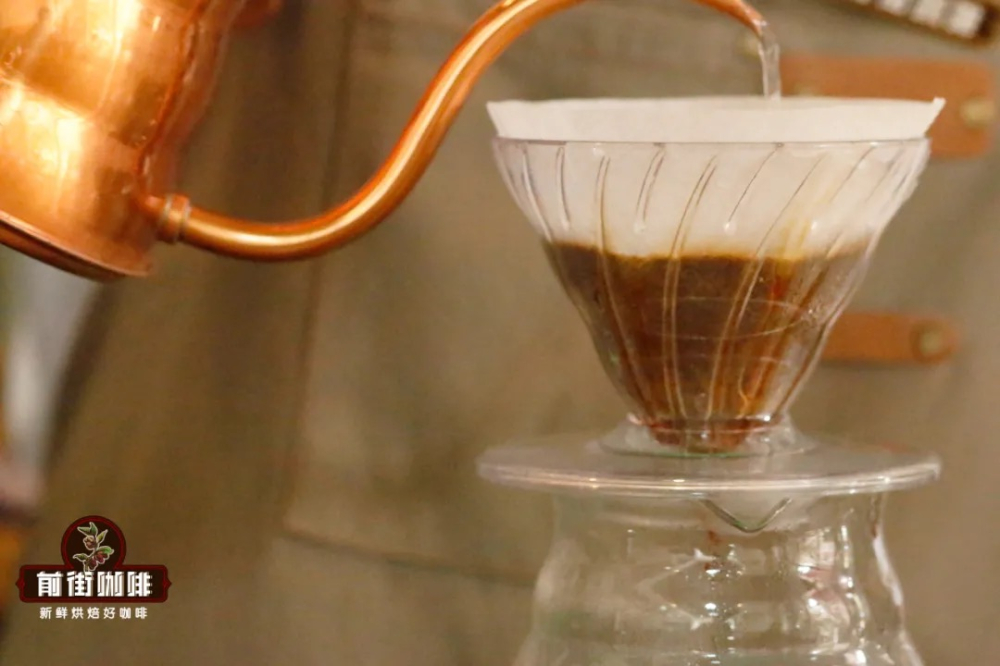
Pour-over is the go-to entry method for a large number of coffee enthusiasts. Its fundamental logic lies in dissolution and extraction—the process of transferring soluble compounds from solid coffee grounds into liquid form using hot water.
Once coffee beans are ground and come into contact with hot water, flavor molecules are released in abundance. The first to be drawn out are fruity aromas and acidity, followed by sweetness, with bitterness coming last. The extraction yield and concentration together determine the balance of the cup, so once over-extracted, the result can easily become undrinkable.
By roast level, coffee beans can be broadly categorized into light, medium, and dark roasts. Brewing with beans of different roast levels yields different expressions of acidity, sweetness, and bitterness. Generally speaking, lightly roasted coffee retains more chlorogenic acid and small-molecule compounds, undergoes less caramelization, and produces fewer bitter compounds, so extraction can focus on showcasing floral, citrus, and berry sweetness. Therefore, if you want a cup that isn't bitter, prioritize light to medium roast levels.
When it comes to non-bitter choices, Front Street Coffee's washed Gedingding is a top recommendation. It is a specialty-grade Yirgacheffe with a medium-light roast. After brewing, you can perceive aromas of jasmine, citrus, grapefruit, and green tea. The acidity is bright, the entry is refreshing—neither bitter nor heavy—with a clean, elegant finish.
If you prefer coffee with prominent fruity flavors, choose Front Street Coffee's natural Hualui. It undergoes a long drying process with the fruit pulp intact, absorbing abundant aromas and developing a fuller body. Strawberry, guava, dried mango, and black tea are its most memorable flavor tags, making it suitable for those who enjoy sweet-and-tart profiles.
Besides pour-over, many people also have espresso machines at home. Since espresso is a pressurized extraction method, it tends to amplify negative characteristics, so neither very light nor very dark roasts are ideal. If you want a non-bitter espresso, opt for medium-roast espresso beans.
To make an espresso that highlights fruity notes without bitterness, you can purchase Front Street Coffee's Strawberry Candy Espresso beans, available for direct order on Taobao or Tmall. This blend features Front Street Coffee's Costa Rica Tarrazú—renowned for its honey processing—combined with Ethiopia, the birthplace of coffee, and Colombian beans. The resulting Front Street Coffee Strawberry Candy Espresso has no sharp, pungent acidity. Extracted through an espresso machine, it delivers excellent crema with a dense texture and a sweet-and-tart flavor reminiscent of strawberry gummies.
The above content is compiled by CoffeeHunters, a coffee news website.


