







How Can a Coffee Enthusiast Taste Espresso Properly?
Espresso is not simply bitter; its high concentration masks layered aromas that emerge when tasted slowly. Stir the crema into the liquid, take small sips at different temperatures, and use ice water between sips to reset the palate. This approach turns a single gulp into a clearer read of sweetness, acidity, and roast notes.
At a Front Street coffee shop, the same daily scene plays out: eager first sips lead to grimaces, then the cup gets diluted into an iced americano. Espresso differs from americano mainly by concentration and texture, not by bean type. Because bitterness dominates the first impression, tasting in stages helps reveal the flavors hidden behind it.
Espresso always carries a sense of drama on social media—some people down it in one gulp with a look of pure bliss, while others take a single sip and immediately grimace. Why does the same cup of coffee trigger such polarizing reactions? In fact, espresso itself is not just bitter; its aroma and complexity are far richer than imagined. It's just that the high concentration makes the bitterness too prominent and masks the flavors behind it. Starting from real scenes at Front Street Coffee shops, this article shares practical tasting tips like stirring the crema, drinking in stages, and pairing with ice water, while also clarifying the essential difference between espresso and americano, helping you truly understand this small cup of Italian coffee.
Scrolling through various social media platforms, you often come across similar scenes: a coffee enthusiast tilts their head back and downs a small cup of espresso in one go, first frowning, then immediately showing a look of satisfaction as if they've tasted something divine.
Many people get caught up in this emotional contagion and eagerly rush to a café to order an espresso, wanting to experience that legendary wow moment for themselves. As for how it turns out, well, we all know how that goes.
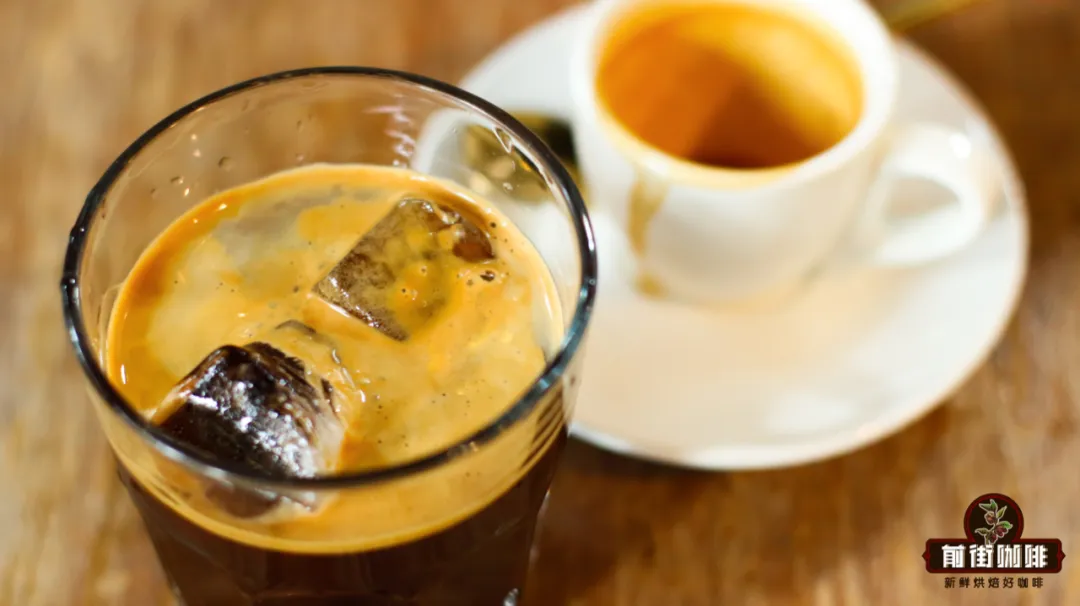
At Front Street Coffee shops, this scene plays out almost daily: the moment the espresso spreads across the palate, the taster's expression shifts from eager anticipation to furrowed brows, and by the time they swallow, they completely lose it and blurt out—why is it so bitter! They then turn and pour the espresso into the accompanying ice water, dilute it into an iced americano, and promptly blacklist espresso for good.

That's precisely why most cafés in China treat espresso as a hidden option rather than printing it directly on the menu—to avoid inexperienced newcomers ordering it by mistake and triggering a chain of negative experiences.
But then again, espresso is far less intimidating than people think. Like many bitter coffees, bitterness is only its most superficial impression; behind it lies a remarkably rich array of aromas and flavors. The problem is that espresso's concentration is simply too high—the bitterness is highly concentrated, and our taste buds happen to be especially sensitive to bitterness, so the "kaleidoscope" hidden behind the bitterness easily gets overlooked.
No worries—today Front Street Coffee will talk about how to appreciate the goodness of espresso. Drinking is only one part of it; there are quite a few techniques for tasting espresso that can help us experience its flavors more fully.
First, an excellent espresso requires a bag of high-quality espresso beans. If you prefer the traditional style, you can choose Front Street Classic Blend or Front Street Commercial Blend, which extract with notes of butter, nuts, spices, and dark chocolate. Their wild character and thick crema are their biggest signatures;
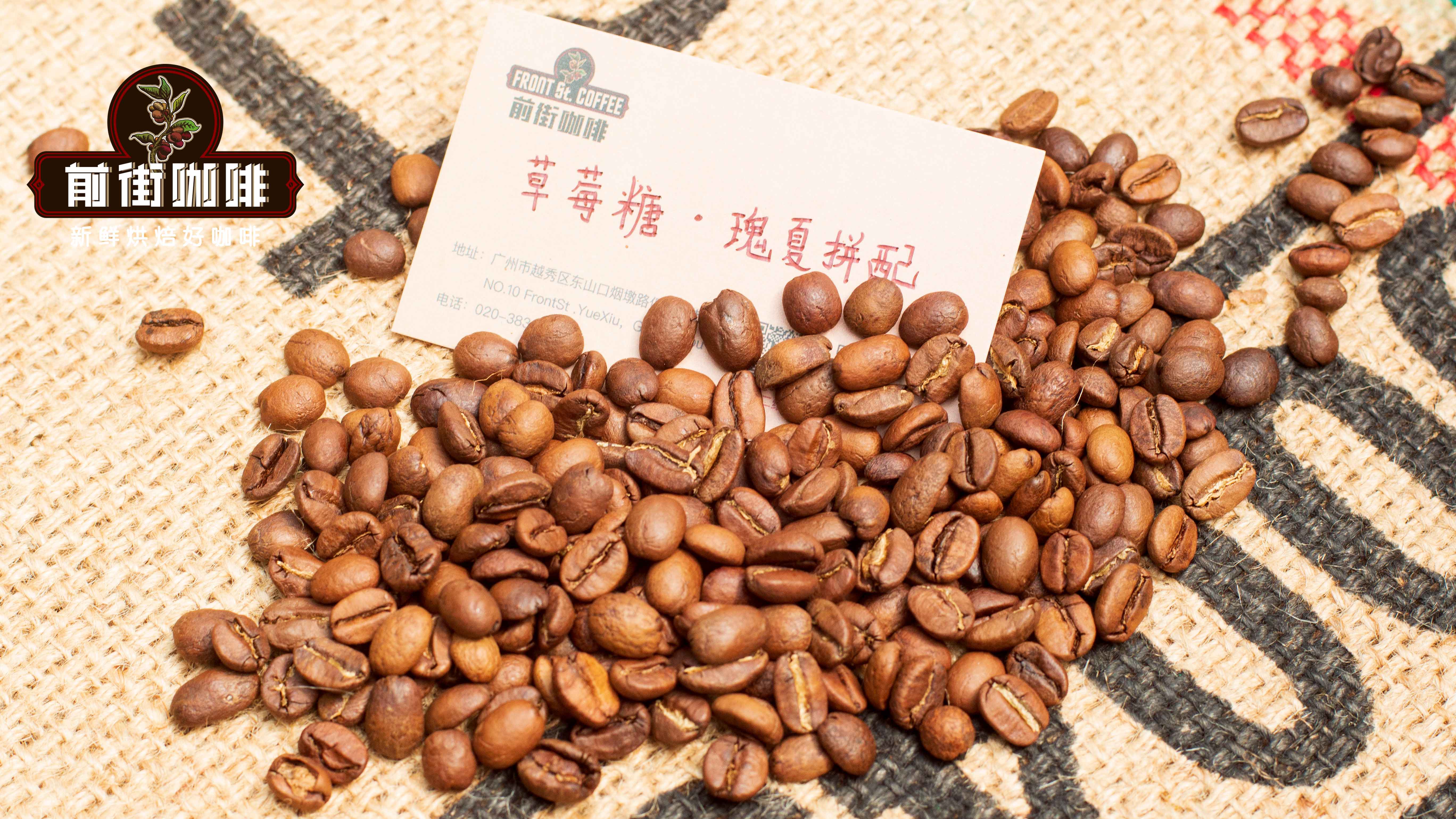
If you want to break out of the traditional mold and make a non-bitter espresso, Front Street Strawberry Candy Espresso Blend is a great choice. Just from the name, you can tell it's high in sweetness. This coffee is composed of single-origin beans from three different regions, and besides its natural rose aroma, you can taste flavors of grape, dried blueberry, sweet orange, and fruit candy—quite a unique mouthfeel.
Technique 1: Stir
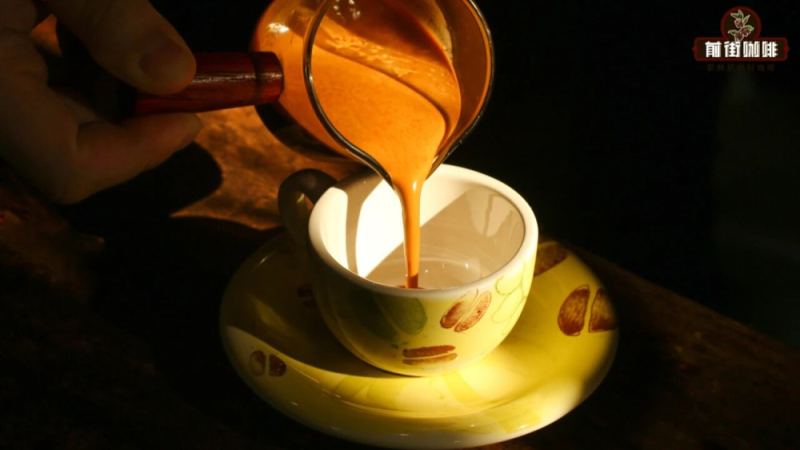
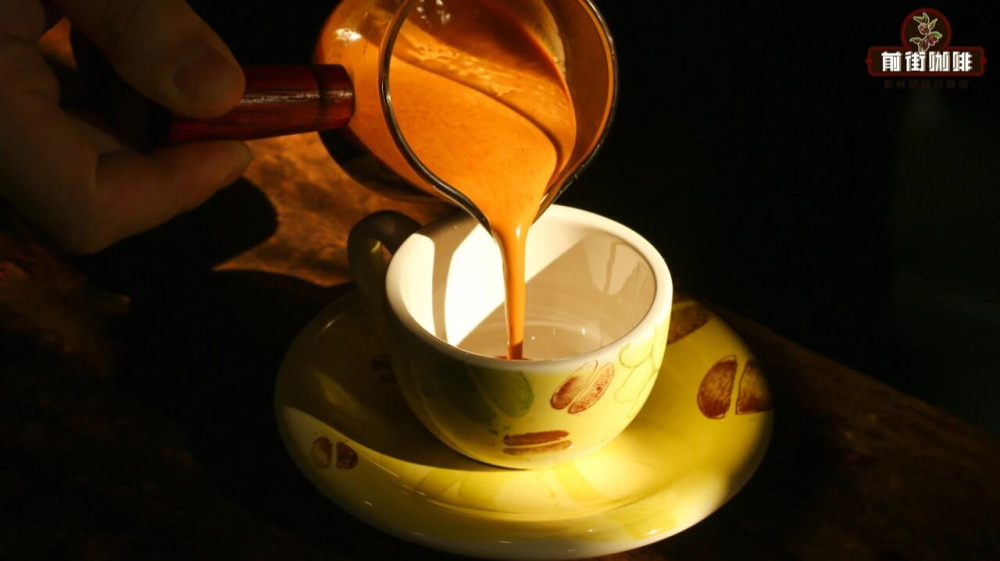
Actually, the bitterness many people taste in espresso doesn't come entirely from the coffee liquid—it comes more from the crema. Espresso machines use pressurized extraction, so a golden layer of carbon dioxide-supported foam forms on the surface of the espresso—Crema, which is what we commonly call coffee crema.
The crema's density is far lower than the coffee liquid beneath it, and within just a few seconds after extraction, it all floats to the surface. If you don't take a big sip, it's basically hard to reach the coffee liquid underneath. And many people, when trying it for the first time, just take a tentative little sip, resulting in tasting almost nothing but crema. Stimulated by that bitterness, they keep their distance from espresso ever after.
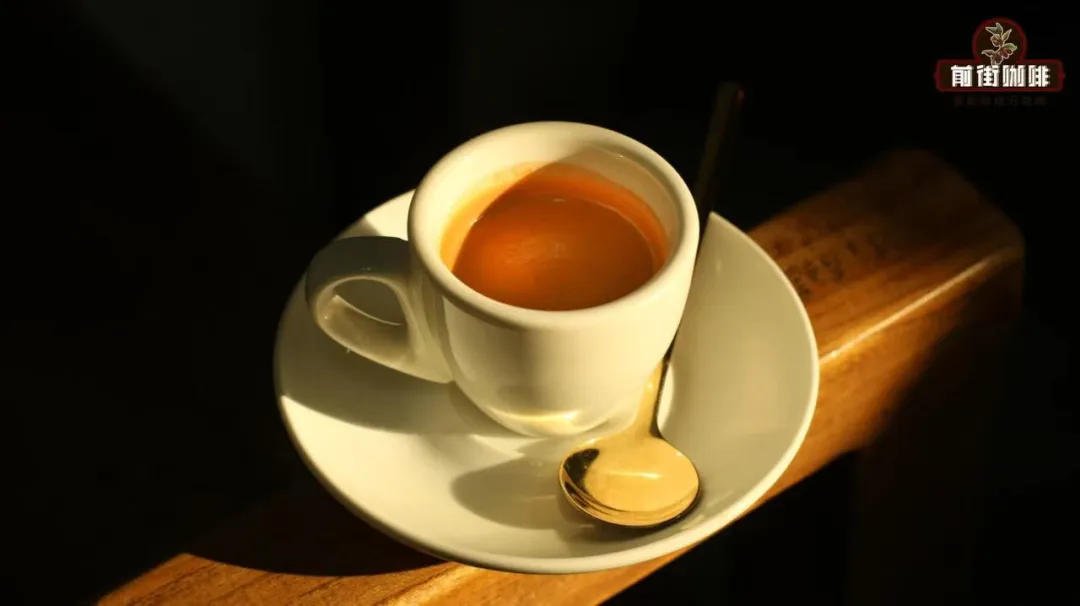
To avoid this, simply pick up the small spoon that comes with the cup and give the espresso a proper stir, letting the crema and coffee liquid reintegrate. That way, even a gentle sip lets you taste more of the coffee liquid. The benefits of stirring don't stop there—it also allows the fine particles attached to the crema to merge with the coffee, making the mouthfeel richer and more full-bodied.
Technique 2: Take More Than One Sip
Just like drinking cola, the first sip of espresso delivers the most intense sensory impact. This is because your taste buds haven't adjusted yet, and faced with a sudden burst of flavor, the sensation naturally feels more jarring.
By the second sip, you'll find the bitterness has dropped considerably. As your palate gradually adapts, the bitter sensation weakens step by step, and at this point we can slowly accept the taste of espresso and begin exploring the diverse layers behind it.
But note: the interval between sips shouldn't be too long. If several minutes pass between one sip and the next, the bitterness won't decrease—instead, it will intensify as the coffee cools. Not only that, the crema and flavors will also dissipate, greatly diminishing the experience. So espresso should generally be finished in a few quick sips within a short time, while the goodness lasts.
Technique 3: Pair with Ice Water
When cafés serve espresso, they typically include a glass of ice water, but this water isn't for diluting into an americano—its main purpose is to rinse your palate. Taking a sip of ice water before tasting the espresso helps you perceive its flavors more clearly.
Putting It All Together
First, take a sip of ice water or room-temperature water.
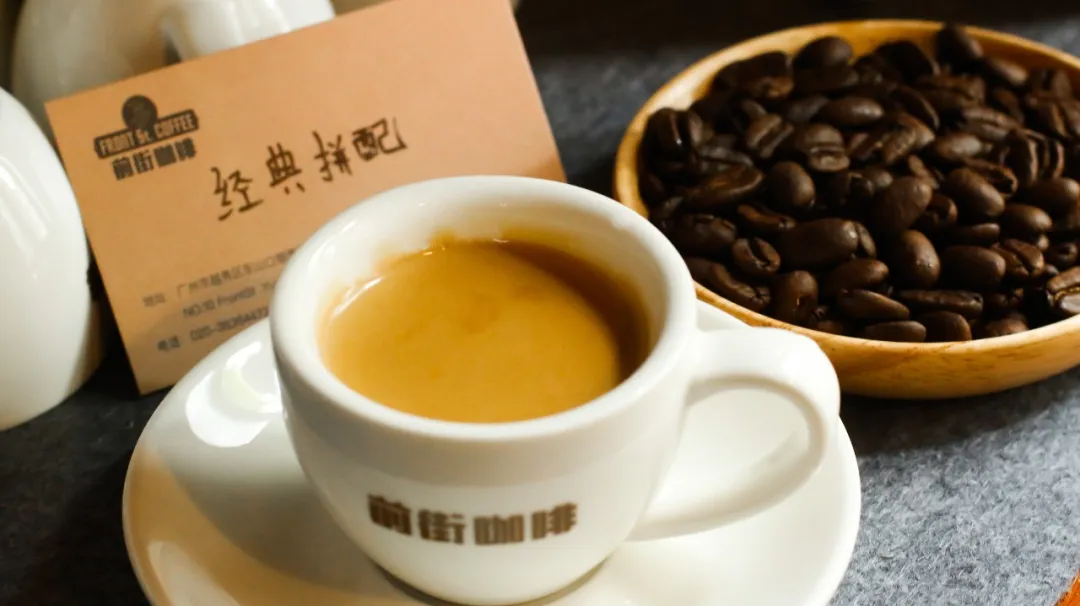
Next, stir the espresso with a spoon.
Finally, finish the espresso in a few sips or one gulp. Note: after swallowing, you can briefly close your mouth and exhale to feel the aroma and lingering aftertaste that the espresso continues to release in your mouth (this is the true soul of espresso). Once you've savored it, continue to the next round of tasting.
After drinking it this way two or three times, chances are you'll be hooked on espresso—otherwise, you probably won't touch it again after the first try (just kidding).
But understand this: the methods above only help you better appreciate the flavors hidden behind the bitterness—they can't actually remove the bitterness. So if you really can't handle bitter tastes, it's best not to try it lightly; or add some sugar to tone down the bitterness, which is also a very classic Italian way of drinking it.
The above content is compiled by CoffeeHunters, a coffee news website.


