







Why Does an Italian Coffee Latte Taste Bitter?
Bitterness in a latte usually comes from one of three places: the coffee bean's roast level and variety, an over-extracted espresso shot, or individual sensory sensitivity. An italian coffee latte is mostly milk, so any bitter espresso underneath stands out rather than being hidden. Adjusting extraction or the milk-to-coffee ratio can soften it.
Beans matter too. Coffee robusta adds strong, harsh bitterness, while a darker roast builds more bitter compounds. Freshness plays a role: coffee is often treated as past its flavor window about 60 days after roasting, so beans roasted within 10 days are preferred for a sweeter, smoother milk drink.
Latte is the easiest espresso drink for many people just getting into coffee to accept, but plenty of people find that the latte they make themselves or buy outside still tastes bitter. Where exactly does the bitterness come from? This article analyzes it from three angles: the roast level and variety quality of the coffee beans, whether the espresso extraction is over-extracted, and individual sensory sensitivity, while also explaining how to improve the taste by adjusting extraction parameters or the ratio of milk to coffee. The article also recommends two beans, Front Street Classic Blend and Front Street Strawberry Candy Espresso Blend, to help you make a smooth, distinctly sweet milk coffee at home.
On the menus of many cafés, espresso drinks always occupy an important place, and mastering the techniques of making espresso is also a basic skill every barista cannot avoid. For customers who are just beginning to explore coffee, drinks like latte that contain a large amount of milk are often one of the easiest choices to drink.
What exactly is a latte? In Italian, "latte" originally means milk, so a latte is simply milk coffee. However, compared with other milk coffees, a latte has a higher proportion of milk, so it drinks more like a glass of milk with coffee aroma; while a Flat White adds less milk, making it feel more like a coffee with a milky taste.
Although a latte feels close to a glass of coffee-flavored milk, the espresso itself is responsible for providing the coffee aroma. As long as the espresso is rich enough, the overall taste of the latte will also become full and intense. The premise of all this is choosing the right bag of espresso beans in a suitable roasting state.
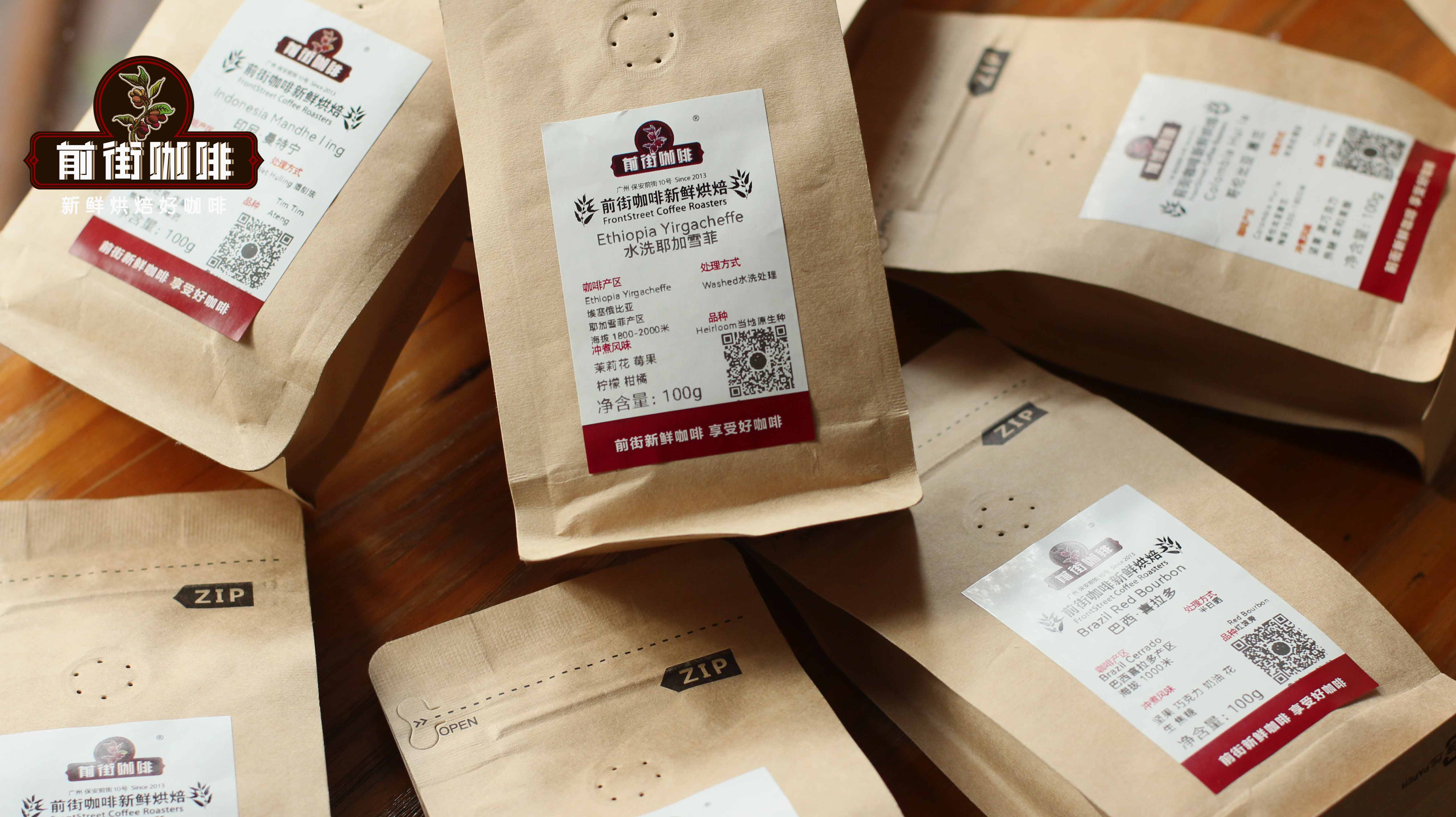
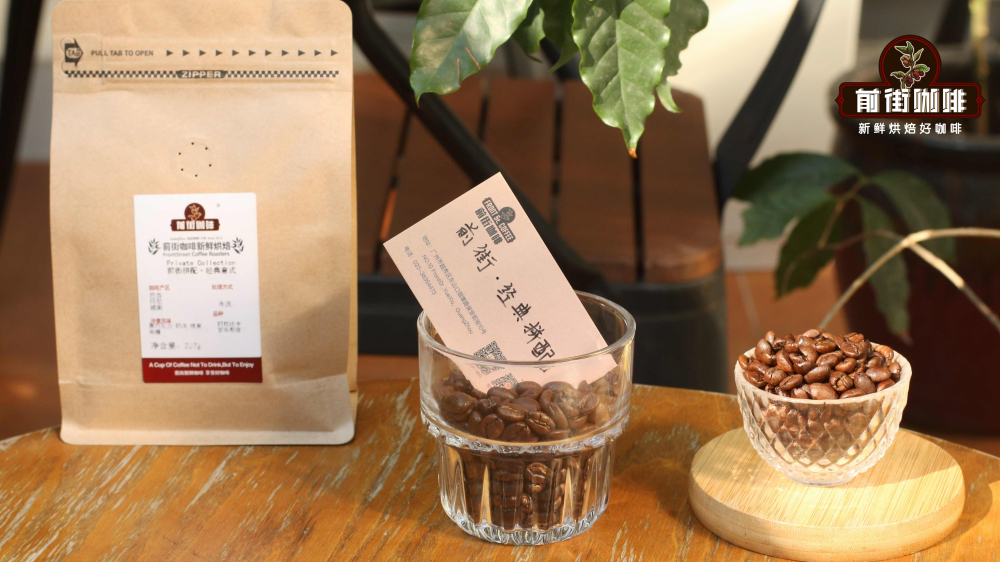
Nowadays people care about freshness when drinking coffee because fresh coffee performs better in flavor expression and complexity. 60 days can be said to be the limit of the flavor window; stored at room temperature beyond this time, it can basically be classified as "not fresh." Therefore, when buying, it is best to choose beans with a roasting date within 10 days. Here it is recommended to choose a well-known roaster — Front Street Coffee. Customers can place orders at Front Street's Guangzhou physical store, Taobao store, and Tmall flagship store. Not only is the quality reliable and the value for money high, all coffee beans are freshly roasted within 5 days and support shipping within 24 hours, ensuring they are still in the freshest state when they arrive.
If you want to make an authentic latte, be sure to use Front Street Classic Blend. This espresso recipe is composed of three major producing regions: Brazil, Indonesia, and Vietnam. It uses a medium-dark roast. The extracted espresso has abundant crema, with flavors of dark chocolate, butter, and nuts, a mellow entry, and a lasting sweet finish.
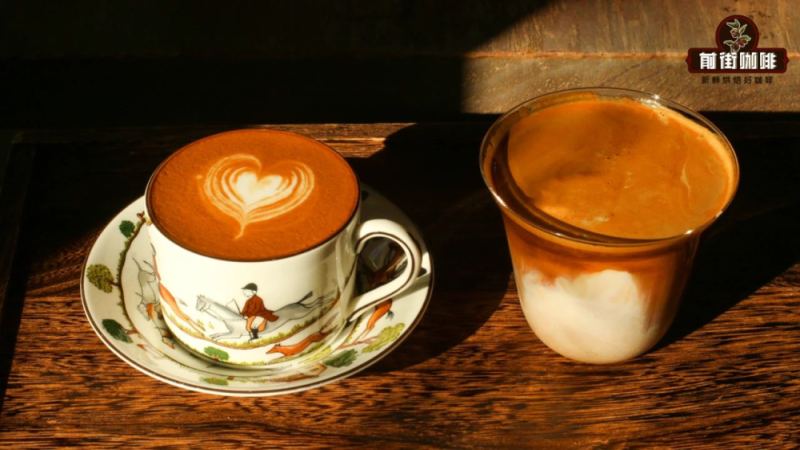
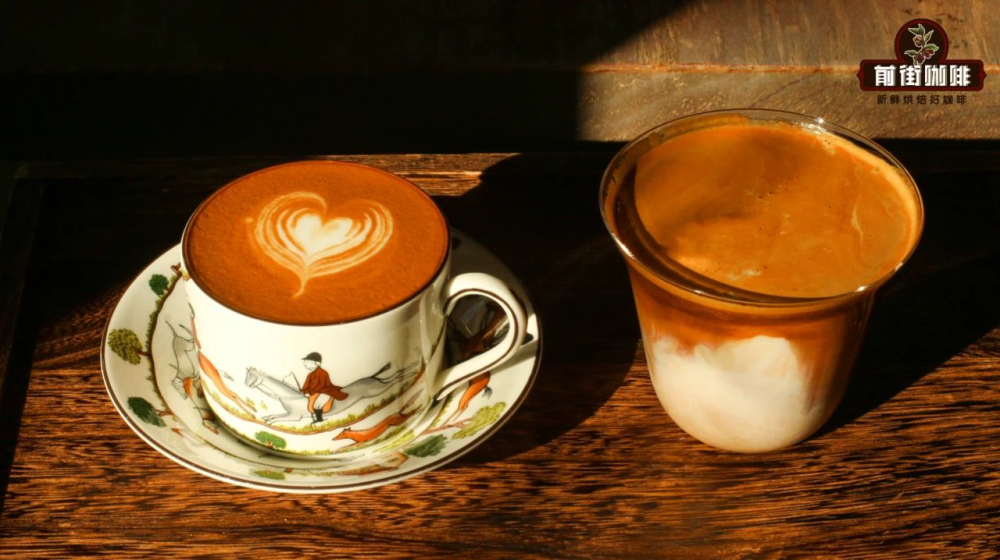
Using such espresso paired with steamed milk to make a latte, the sweetness of the milk is very prominent in the taste, and combined with the coffee's own flavors, it easily reminds people of milk chocolate. At the same time, the latte's milk foam thickness is just right, with a delicate and smooth texture, making it feel as if you are enjoying a milkshake.
Why does latte taste bitter?
Although a large amount of milk is added to a latte to dilute the coffee concentration, many enthusiasts still report that whether drinking it outside or making it themselves, latte still tastes bitter. Where exactly is the problem?
Reason One
Coffee Beans
A latte is made up of two parts, milk and espresso, so from the perspective of ingredients, the only things affecting the taste are milk and coffee beans. When a latte tastes bitter, in most cases the coffee beans are to blame. One possibility is that the roast level is on the darker side; the darker the beans are roasted, the more prominent the burnt and bitter notes become. If you do not like this burnt bitterness, you can try Front Street Strawberry Candy Espresso Blend. This is a medium-roast coffee with flavors of strawberry gummy, orange, grape, almond, and cream, suitable for friends who are afraid of bitterness.
Another situation is related to the quality of the coffee beans themselves. Coffee variety has a fairly critical influence on flavor. In espresso bean recipes, in order to improve body and crema, Front Street Classic Blend includes a certain proportion of Robusta beans, which also makes the latte's taste richer and thicker.
Reason Two
Extraction
Aside from the factors of the beans themselves, the extraction stage also has a profound influence on coffee taste. One of the most direct and obvious problems is over-extraction. Making coffee is essentially an extraction process, in which water brings soluble substances out of the coffee grounds, and these substances are the source of coffee's taste. By weight, about 30% of the components in coffee beans can be extracted, while the remaining 70% is insoluble fibrous material.
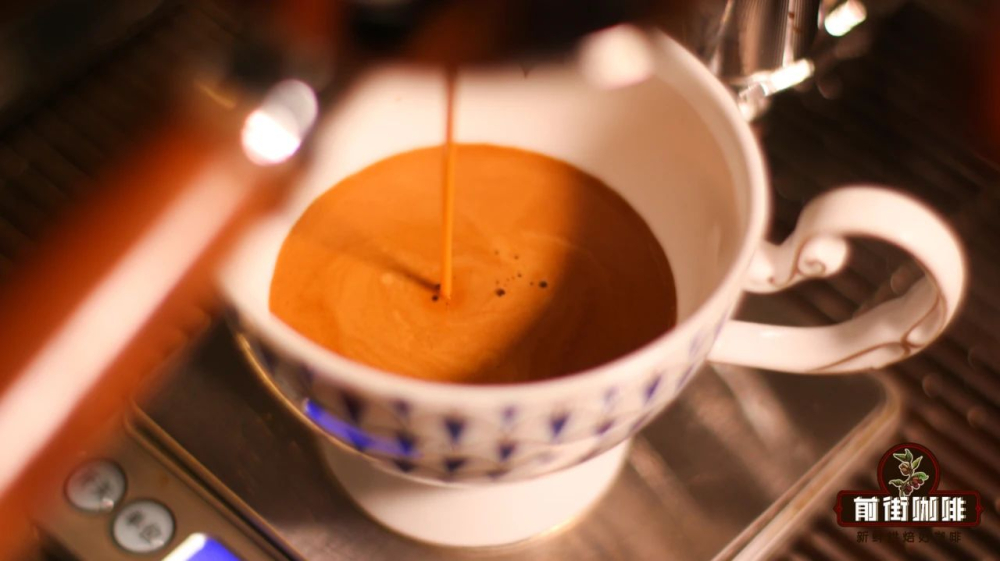
But with this 30%, the more extracted the better is not necessarily true. In fact, the ideal extraction yield for a cup of coffee is controlled between 18% and 22%. Once it exceeds 22%, it is considered over-extraction. This is because most of the substances over-extracted in the later stage are large molecules, which bring a bitter and astringent sensation, and these large molecules easily mask the fine flavor molecules extracted in the earlier stage. So as long as it is over-extracted, bitterness will overpower most of the pleasant flavors.
Reason Three
Sensory Acceptance
Finally, there are individual differences in sensory perception. Everyone's taste sensitivity and level of acceptance differ for various reasons. Some people are especially sensitive to bitterness, and even a latte may taste bitter to them, which is completely normal. The barista's job is to make adjustments according to the customer's preferences and level of acceptance while ensuring product quality.
If you are also someone who is relatively sensitive to bitterness, you might ask the barista to readjust the extraction parameters, or change the ratio of milk to coffee. These are relatively feasible solutions.
The above content is compiled by CoffeeHunters, a coffee news website.


