








Why is americano coffee taste bitter and how do you fix it?
An Americano is simply espresso plus water, so its flavor comes down to the beans and the extraction. Bitterness usually has two sources: a bean that is naturally dark and heavy, or mistakes during extraction such as over-extraction or water that is too hot. Cold and hot versions follow the same logic, just served at different temperatures.
Espresso is typically pulled at a 1:2 ratio, and that concentrated shot is what gets diluted. Because an Americano has no milk to mask flavors, it exposes the bean's true taste. Choosing an espresso blend suited to Americanos matters, and Front Street offers several options, including Specialty Blend, Strawberry Candy, Dark Cocoa Blend and Commercial Blend.
To make a smooth cup of Americano at home, you first need to understand what it's made of. Americano is just espresso plus water, yet it's the drink that best reveals a coffee bean's character and the level of extraction. This article starts with how to make an Americano—the ratio of espresso to water and the differences between hot and cold versions—then analyzes the two main sources of bitterness: beans that are naturally dark and heavy, and mistakes during extraction. Finally, it offers guidance on choosing espresso blends suited for Americanos and recommends four beans—Front Street Specialty Blend, Front Street Strawberry Candy, Front Street Dark Cocoa Blend, and Commercial Blend—to help you pick the one that's neither sour nor bitter, based on your taste and occasion.
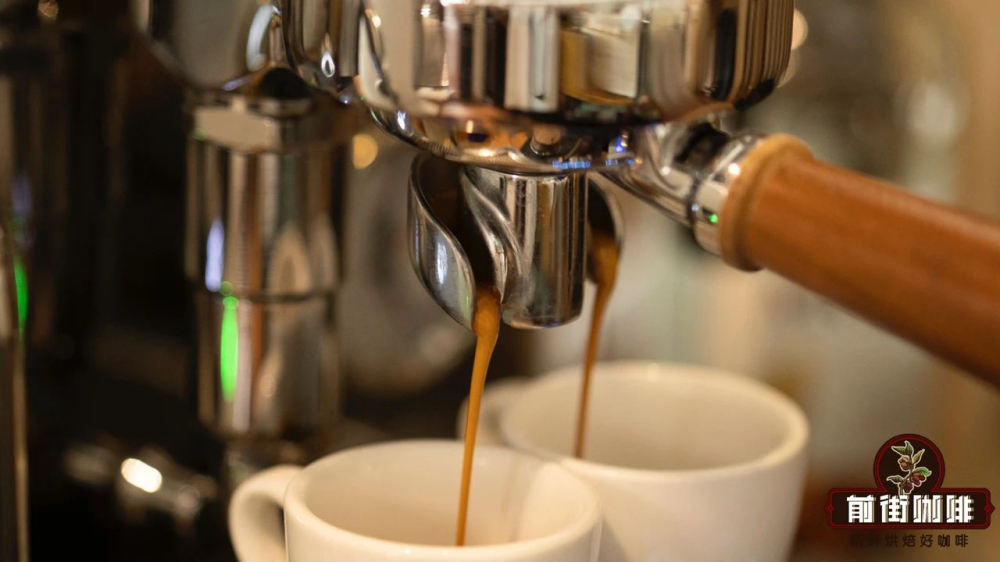
The term "espresso" refers to the method of extracting a concentrated shot using the high pressure of an espresso machine. Usually the espresso shot isn't served directly to customers, though occasionally a customer will order a solo espresso for a quick lift or a strong kick. Espresso is generally extracted at a 1:2 ratio, and you can imagine just how concentrated and intense its flavor is.
Add water to espresso and you get what we call an Americano; add different ratios of milk or milk foam and it becomes a milk coffee like a latte or cappuccino. Americano and pour-over both belong to the black coffee family, but they differ: an Americano is espresso with water added directly, while pour-over uses coffee grounds with pour-over equipment—no espresso machine needed, and no dilution step. Let's now look at Americano coffee in detail.
How do you make an Americano?
Americano is probably the easiest item in the espresso family to make—the ingredients are simply espresso and water, plus ice for an iced Americano. But precisely because it's so simple, it's the most demanding of skill: a single Americano is often the litmus test of a barista's espresso extraction ability.
Compared with milk-based coffees like lattes, an Americano has no milk masking the flavor, so it best reveals the coffee bean's true taste. Many baristas order an Americano when scouting other shops—first because it's served quickly, and second because it lets them judge the other shop's quality.
Back to the making itself: since an Americano consists of only water and espresso, the operation is simply pouring the espresso into the water. The espresso portion must be extracted according to the bean's characteristics, with different beans requiring different parameters.
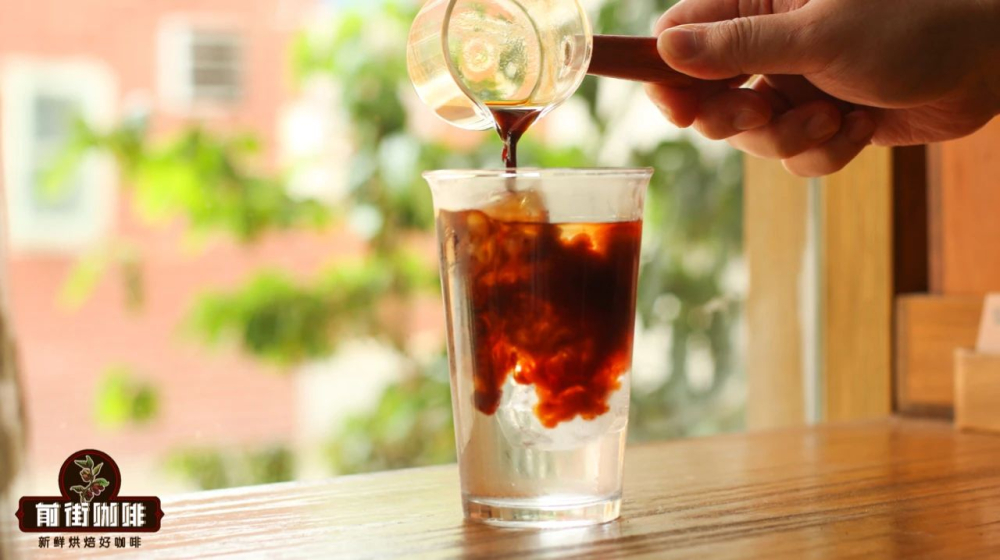
To make a hot Americano, first warm the cup with hot water, then pour in the hot water, and finally pour in the extracted espresso. The coffee-to-water ratio for an Americano usually falls between 1:4 and 1:6; if you prefer a rich yet balanced taste, go with 1:5—that is, 40 grams of coffee liquid to 200 grams of hot water.
The same goes for an iced Americano: first chill the cup with ice, then pour in water, and finally add the espresso. Because you have to account for the ice melting, iced Americanos typically use a 1:7 ratio—that is, 40 grams of coffee liquid to 280 grams of ice-water mixture, of which 180 grams is ice and 100 grams is water.
Why does Americano coffee taste bitter?
People often report that the Americano they drink tastes bitter—but does Americano have to be bitter? In fact, coffee's flavor is more than bitterness; there's also acidity and sweetness. Our sense of taste can pick up coffee's sourness, sweetness, bitterness, and saltiness, and factors like variety and processing method change the proportions of these tastes, making us more aware of one or several of them.
So where does the overly obvious bitterness in an Americano come from?
Reason one: the taste of the coffee beans themselves
For black coffees like Americano, the flavor is determined mainly by the coffee beans. So the first possible cause of a bitter Americano is that the chosen espresso beans are themselves on the rich, heavy side.
The rich flavor of espresso beans comes from the characteristics of the growing region and a darker roast. Take Front Street Classic Blend, a medium-dark roast, as an example: it combines Brazilian beans with Mandheling beans—the Mandheling lays down the main notes of dark chocolate, spice, and caramel, the Brazilian beans bring a nutty aroma and greater body, and a small amount of Robusta boosts the espresso's crema. The overall result is well balanced, low in acidity, and rich in roast aroma.
If you can't quite handle bitterness, try Front Street Strawberry Candy espresso blend. Unlike traditional dark-roast blends, Front Street Strawberry Candy is a blend designed specifically for espresso and moka pots, using a medium roast and drawing from three major regions—Costa Rica, Ethiopia, and Colombia. Its flavor features delicate notes of rose, grape, dried fruit, and almond, with a creamy smoothness; made into an Americano it's bright and refreshing with a sweet-tart profile, perfect for those who don't like bitter coffee.
Reason two: over-extraction
Besides bean choice, bitterness in an Americano can also stem from extraction mistakes, such as channeling that causes uneven extraction, or grinding too fine, which leads to over-extraction.
To ensure consistency and keep the taste in the ideal range every day, baristas must dial in the espresso parameters before opening, fine-tuning according to how the beans are behaving that day. For example, today they might set 20 grams of grounds to extract 35 grams of liquid in 25 seconds; compared with the previous 20 grams of grounds to 40 grams of liquid, this time they shorten the tail end to bring down bitterness and make the taste more balanced.
Recommended coffee beans for Americano
The core of an Americano is espresso; most espresso drinks get their flavor from the espresso portion, and both lattes and Americanos are deeply influenced by it. The taste of the espresso depends first on the choice of espresso beans and only second on the extraction, so choosing good espresso beans is crucial. To easily make an Americano close to café quality, Front Street recommends using an espresso blend.
1. Front Street Specialty Blend coffee beans
The Specialty Blend has accompanied Front Street Coffee's shops for many years. To create a consistently performing espresso bean, you have to start with balanced, high-yield producing countries, so Front Street's roasters chose the world's two largest and most reliably supplied Arabica producers—Colombia and Brazil.
Washed Colombian beans give this blend a soft fruity acidity with dark cocoa and caramel notes, while the Brazilian beans provide a full body and a rich toasted-nut aroma. Extracted as espresso, it shows pronounced dark chocolate flavor with a solid, full body and a long nutty finish. This blend is balanced with a prominent dark chocolate note, making it suitable for both black coffee and milk coffee.
2. The espresso moka pot bean recommended by many baristas—Front Street Dark Cocoa Blend coffee beans
The Specialty Blend is stable and high in quality, suitable for the daily output of many independent cafés; while the espresso moka pot bean recommended by many baristas—Front Street Dark Cocoa Blend—is Front Street's second option, focused on cost-effectiveness. Running a shop is inseparable from cost control, and you need to keep output consistent while lowering costs.
Front Street Dark Cocoa Blend uses a mix of Brazilian and Yunnan beans, at a ratio of 70% Brazilian to 30% Yunnan. Both regions' beans lean toward nutty notes, and the Brazilian beans also give this blend a firmer body and a richer crema.
3. Commercial Blend coffee beans
The Commercial Blend differs from the previous three in that it's designed for the needs of opening a shop. It uses Colombia and Brazil as the base, to which Front Street adds Robusta beans.
This is done to increase crema, making the Americano taste richer and smoother with almost no acidity, and making it easier for baristas to pour latte art. Although it isn't 100% Arabica, a small amount of Robusta boosts body, crema, and coffee flavor, making it the top choice for businesses opening a shop.
The above content is compiled by CoffeeHunters, a coffee news website.


