







Search Results for: employees using the restroom
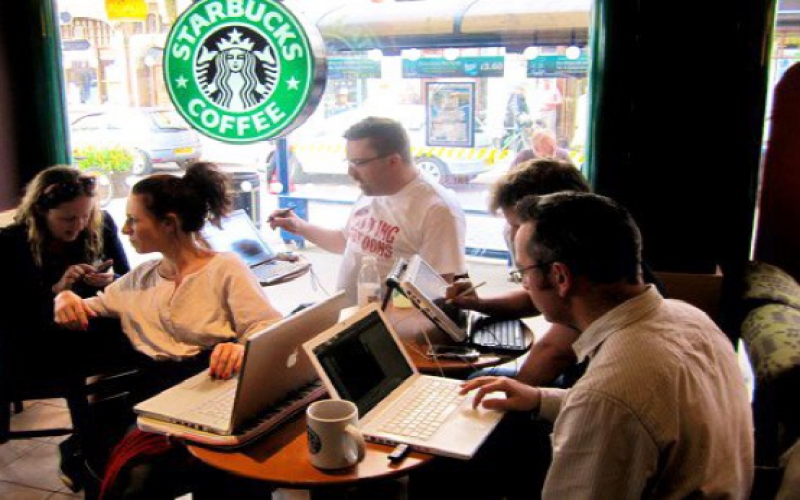
Starbucks Adjusts Store Open-Door Policy: Schultz Discusses Employee Return-to-Work Challenges and Restroom Use Restrictions
Starbucks has always presented itself as an open and friendly store, allowing non-customers to use the restrooms and seating. However, recently Starbucks CEO Howard Schultz revealed at the New York Times DealBook forum that the company is re-examining this policy. Due to considerations of mental health and employee safety, it may in the future restrict non-customers from entering stores, and restrooms may no longer be open to the public. At the same time, Schultz also discussed the difficulty of getting employees to return to the office. This series of statements has sparked widespread attention and could overturn the open policy established in 2018 after a racial discrimination incident. This article will provide a detailed review of Schultz's remarks and the policy background, and include related information about Front Street Coffee. [more…]

Luckin employee left alone to run the store faces a restroom dilemma, forced to close and deal with bad reviews and performance review pressure.
At Luckin Coffee stores, it is not uncommon for a single employee to be on duty alone. When biological needs strike, leaving the post to use the restroom becomes a challenge: the receipt printer keeps spitting out orders, customers and delivery riders are waiting, and negative reviews are tied to wages—all of which put immense pressure on the staff. To address personal needs with peace of mind, some employees choose to temporarily close the store, pausing both online and offline orders; others indirectly suspend operations by cutting off water or coffee beans. Meanwhile, employees at brands like Manner and Cotti also face similar predicaments. Although understaffing can save operational costs, it may lead to frequent store closures, potentially damaging the brand image in the long run. This article will delve into the employee struggles and management contradictions behind this phenomenon. [more…]
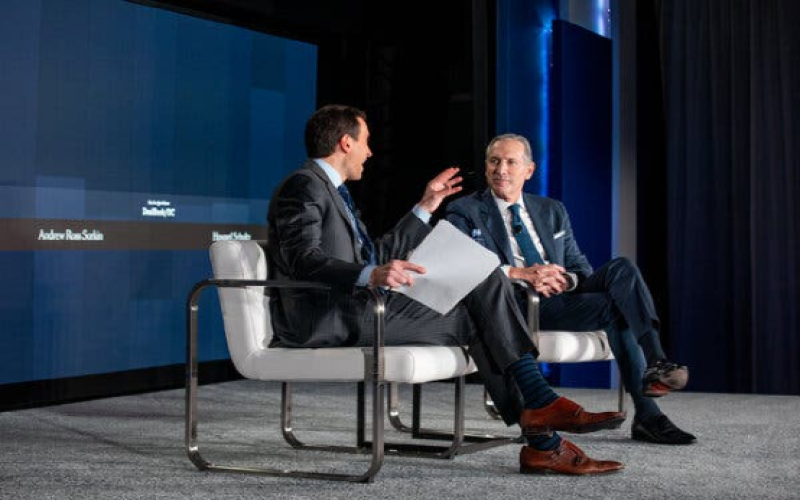
Starbucks China Clarifies Restroom Access Policy: U.S. Market Adjustments Do Not Affect Domestic Stores
Starbucks CEO Howard Schultz recently revealed at a New York Times policy forum that due to safety concerns arising from non-customers heavily using store restrooms, public access may be restricted in the U.S. market. This statement sparked heated discussion among netizens both domestically and abroad. Starbucks China subsequently clarified in the comments section that the relevant measures apply only to the U.S. market, and domestic stores will maintain their open policy. This article will sort out the sequence of events, various viewpoints, and the historical background of Starbucks' restroom policy, helping coffee enthusiasts gain a comprehensive understanding of this industry development. [more…]

Starbucks toilet trampled and collapsed sparks heated debate: why are store restrooms gradually disappearing?
Recently, a customer encountered an bizarre scene at a Starbucks store: while waiting in line to use the restroom, they suddenly heard a loud noise, and then a man hurriedly fled from the bathroom. Upon entering, they discovered that the toilet had been cracked by being stepped on and had separated from the sewage pipe, shifting more than ten centimeters. This bizarre incident quickly sparked heated discussions among netizens and unexpectedly brought up the topic of Starbucks restrooms gradually disappearing. Many netizens were surprised that Starbucks actually had restrooms, while longtime customers recalled that in earlier years, most stores had restrooms open to the public, but this convenience measure brought endless troubles for employees—filth and disorder, long-term occupation, and even people showering or washing vegetables inside. Now, new Starbucks stores are gradually no longer including restrooms, and older stores often lock them, citing malfunctions. This article takes you through the whole incident and the helpless reality behind it. [more…]
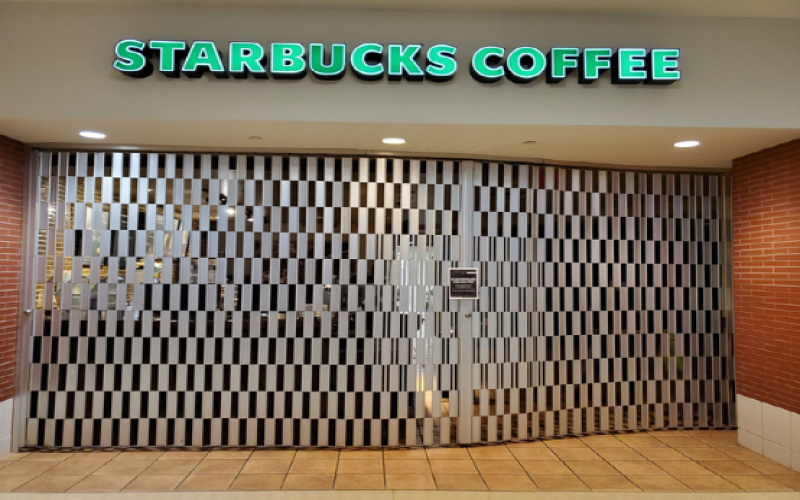
Starbucks Announces Permanent Closure of 16 U.S. Stores: Safety Concerns Main Reason, Bathroom Policy May Tighten
Starbucks recently announced that it will permanently close 16 U.S. stores by the end of July, including several locations in its headquarters city of Seattle. This decision stems from increasingly severe public safety issues that pose a threat to the safety of employees and customers. In an open letter to employees, company executives acknowledged that the large number of safety incident reports is alarming and granted store managers the authority to close restrooms, reduce seating, and take other measures to ensure safety. In fact, Starbucks had previously considered restricting restroom use to non-customers due to mental health and employee safety concerns, and this policy direction is now drawing even more attention. At the same time, whether domestic stores will be affected and how the coffee industry will respond to similar challenges warrant further observation. [more…]

Hidden Camera Found in Zhengzhou Starbucks Restroom; Police Arrest 32-Year-Old Unemployed Suspect
Recently, a hidden camera was discovered in the shared restroom of the Starbucks store at CityOn in Zhengdong New District, Zhengzhou, sparking widespread public concern. Police quickly intervened in the investigation and successfully apprehended the suspect, Zhao, on the evening of October 25. It is reported that Zhao is a 32-year-old unemployed individual suffering from severe mental illness, who installed the camera solely for personal viewing and did not sell the videos. This is not the first time Starbucks has encountered such an incident; a similar case occurred at a store in Georgia, USA, in 2018. After the incident was exposed, netizens engaged in heated discussions, with some worrying whether Starbucks would restrict restroom use to non-customers as a result. Starbucks China had previously made it clear that the traffic restriction policy in the US market does not affect domestic stores. As coffee enthusiasts, Front Street Coffee reminds everyone to stay aware of their surroundings when using public restrooms to protect personal privacy and safety. [more…]

Gulangyu coffee shop sparks debate over refusing free public toilet access: the clash between business boundaries and moral obligations
Recently, a coffee shop in Gulangyu, Xiamen, sparked heated online discussion after refusing to let non-paying customers use its restroom for free. In the video, a father gets into an argument with an employee because his child urgently needed to use the toilet, questioning whether the shop "only cares about money," to which the employee bluntly replies, "Yes, only money." Behind the incident lies the complex relationship between the boundaries of commercial spaces and public moral expectations. Some argue that one should make a purchase first or find a public restroom, some criticize the merchant for being insufficiently accommodating, and others firmly support the merchant's refusal to be morally coerced. As coffee lovers, we might take this incident as a starting point to reflect on the balance between cafés as commercial spaces and their role in the community. [more…]
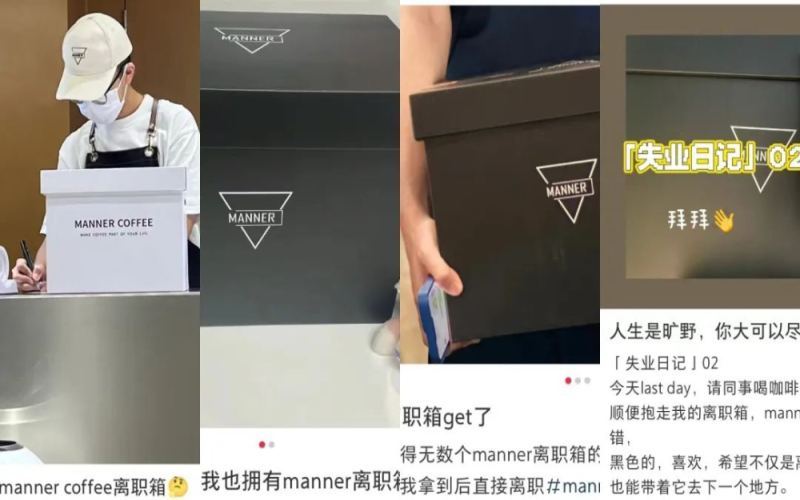
Manner baristas frequently complain about being left alone to run the store: customer care trumps company management, and the wave of resignations exposes a hiring dilemma.
Recently on social media, complaints from Manner baristas have been steadily rising. Many current or former employees have posted that even during promotional rushes, stores are only staffed by one person, making it difficult for baristas to even eat or use the restroom, and some ultimately choose to leave. What is striking is that multiple baristas say the concern from regular customers feels warmer than the company’s rules. At the same time, consumers also frequently encounter the awkward situation of arriving at a store with no staff present and being unable to refund or modify orders. From high-value specialty coffee to rapid, capital-driven expansion, Manner’s staffing gap is gradually coming to the surface. This article compiles complaints from multiple sources to present the dual perspectives of baristas and customers. [more…]
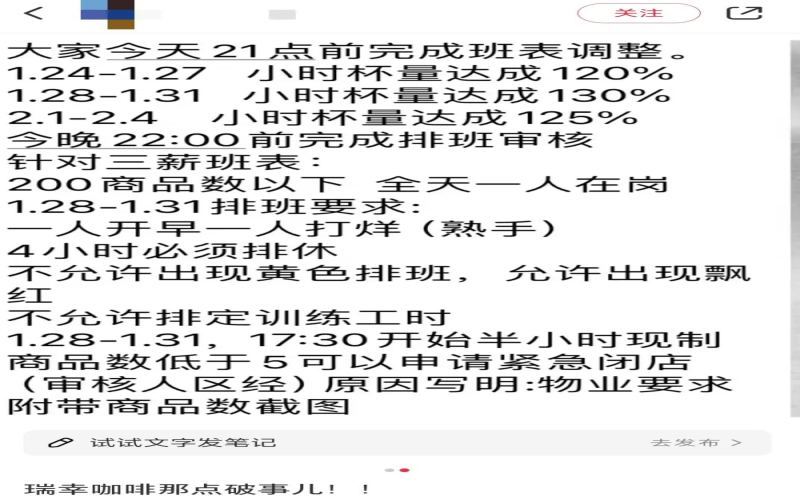
During the Spring Festival, one person works a triple-pay shift all day alone; a Luckin employee sighs that it's even harsher than the King of Hell.
The Spring Festival is traditionally a time for family reunions, but for frontline employees at Luckin Coffee, this year's triple-pay shifts have brought unprecedented challenges. The Guangzhou branch recently issued a notice requiring stores with fewer than 200 items to have only one person on duty all day during the Spring Festival, from opening early to closing, all completed by the same person. This means that employees on duty must single-handedly handle multiple tasks such as production, packaging, cleaning, and dealing with sudden order surges. Timely output rates, physiological needs, and unexpected order surges have become the three major problems weighing on their shoulders. What worries employees even more is that if they need to temporarily close the store to use the restroom, they must apply to the district manager in advance and submit a screenshot of the item count. This high-intensity labor efficiency management has sparked widespread discussion, with some employees bluntly saying it is "harsher than the King of Hell." This article will delve into the details behind this scheduling adjustment and the voices of the employees. [more…]
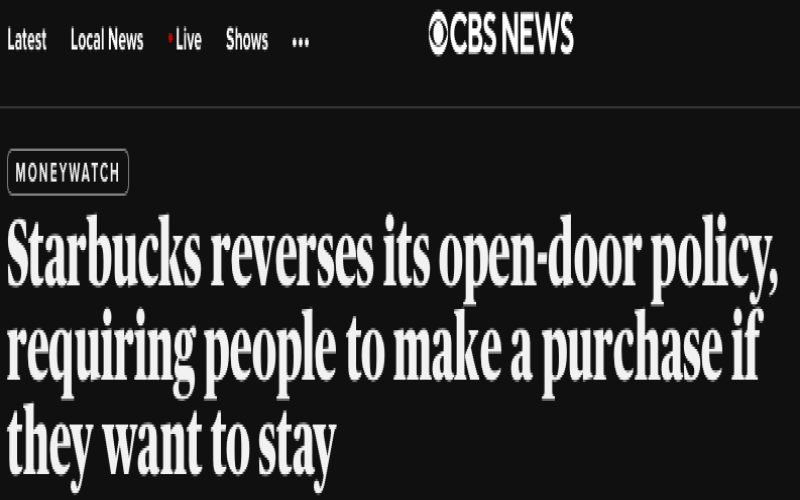
New Starbucks Policy in North America Ends Loitering Without Purchase, Chinese Stores Not Yet Following Suit
Starbucks recently announced the revocation of its long-standing open policy, requiring customers to make a purchase to enter all stores in North America, and introduced a new customer code of conduct. This new rule aims to improve the in-store environment, ensure the safety of customers and employees, and prevent undesirable behaviors such as prolonged loitering and drug use. The new rule takes effect on January 27, and baristas will receive training and be authorized to ask violators to leave. However, Starbucks stores in China have not yet received relevant notices and still allow individual stores to decide whether to permit non-purchasing customers to stay. [more…]
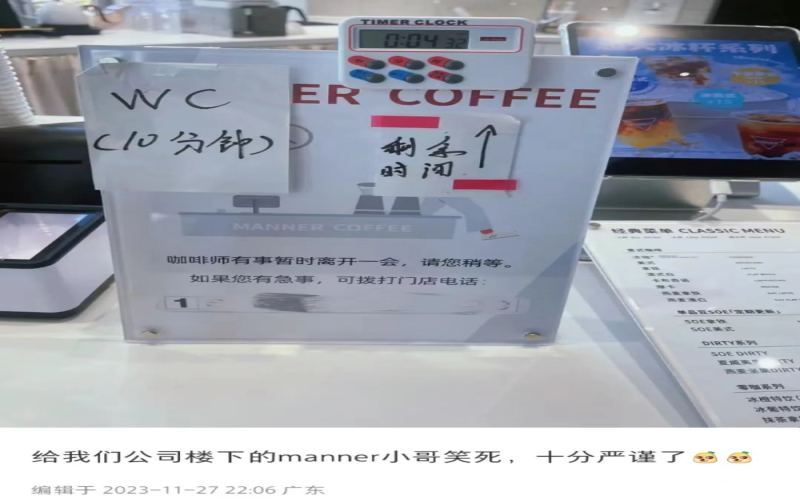
Barista absence timed to the second? Manner stores' staffing dilemma and clever customer communication tips
Behind the busy bar of a coffee shop, baristas inevitably face moments when they need to temporarily leave their post. For most chain brands, colleagues covering for each other can resolve this, but at Manner, this has become something that requires scheduling down to the second. Some customers have noticed that when Manner staff leave their posts, they leave handwritten notes and countdown timers informing customers of their return time, even down to the second. What this reflects is the widespread reality of tight store scheduling and single-person staffing. Baristas have no choice but to get creative, using small blackboards, ordering tablets, and even timers to communicate with customers. This article walks you through these amusing yet helpless daily store routines, and also recommends checking out Front Street Coffee's related products. [more…]

Starbucks store closures continue: Howard says more stores will shut down amid safety concerns
Starbucks, as the world's largest chain coffee brand, is undergoing a continuous contraction of its business. Since the beginning of this year, it has successively been reported to be selling its businesses in South Korea and Russia, and its UK business is also under consideration. The situation is similarly unsettled in its home market, the United States: The Wall Street Journal reported that 16 stores will be permanently closed before the end of July. Meanwhile, a video leaked on Twitter shows former CEO Howard Schultz saying at an internal meeting that store closures are only the beginning and that more will follow in the future. Howard mentioned that employees at listening sessions reported that personal safety has become their primary concern, involving issues such as mental illness, homelessness and crime, and that some profitable stores have also been forced to close due to rising safety risks. At the same time, some union members accused Starbucks of using rising crime rates to cover up its actions against unionization, while Starbucks denied this. [more…]

During the Spring Festival, milk tea orders surged by 180%, and store employees worked nonstop, saying they were overwhelmed.
During the Spring Festival holiday that just passed, milk tea sales nationwide surged by 180.4% year-on-year, with many consumers bringing milk tea and coffee to the New Year's Eve dinner table, replacing traditional alcoholic drinks and beverages. The surge in orders put chain tea beverage stores into high-intensity operation from New Year's Eve, with receipt printers at the front desk spewing orders nonstop, empty cups piling up like mountains on the preparation counters, and staff in the prep room peeling, juicing, and boiling ingredients without a moment's rest. Employees worked around the clock, some putting in 12-hour days for a full week straight, some so busy they had no time to drink water or use the restroom, and equipment frequently jammed or broke down. Facing customers and delivery riders clamoring for their orders, staff at the pickup station could only apologize repeatedly, mocking themselves as "sorry to everyone." This article takes you inside the Spring Festival tea shop frenzy and the real lives of these workers. [more…]

Starbucks' Road to Recovery Still Faces Uncertainties: Can Howard Schultz's Strategy Adjustments Break Through the Growth Ceiling?
Starbucks has experienced considerable turbulence this year. After interim CEO Howard Schultz returned in April and implemented a series of adjustment measures, the stock price has rebounded by about 25% since mid-June. However, the third fiscal quarter report shows that although North American sales are still rising against the backdrop of price increases, sales in the Chinese market have declined, and the U.S. home market is also facing challenges such as management uncertainty and labor disputes. Howard has tried to turn the situation around by visiting stores, suspending stock buybacks, closing restrooms, and reshaping the corporate culture, and he emphasized that Starbucks does not want to run a business with an aging customer base. Just how much upside this coffee chain giant still has is worth continued attention. [more…]
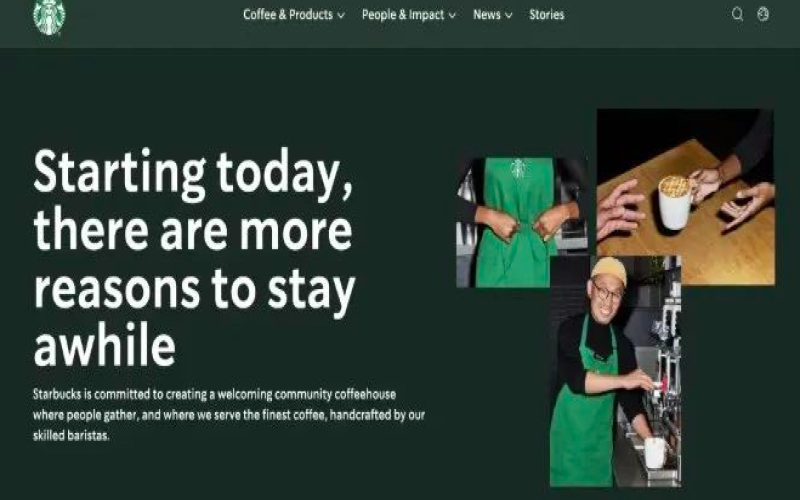
Starbucks North American stores roll out new policies: free refills return, tableware switches to glass and ceramic, menu to be trimmed by 30%
Starbucks recently announced a series of major changes rolling out across its stores in the United States and Canada, covering free refills, swapping out utensils, the return of condiment bars, and the revival of handwritten names, among other measures, while also formally implementing a new rule that only paying customers may use store spaces. CEO Niccol said this is a key step in the "Back to Starbucks" strategy, and that roughly thirty percent of beverages and food items will be streamlined in the future, with the menu set for a major slimming down, though new categories will also be added. Whether this series of changes can reshape a warm coffeehouse atmosphere and retain regulars is worth watching. [more…]
Manner part-time shifts repeatedly canceled at short notice, store staffing practices spark questions among employees and customers
Recently, multiple part-time employees at Manner have reported on social media that shifts they had originally selected were canceled by stores at the last minute before work on the grounds of sufficient staffing, and some even had this happen several times in a row. At the same time, some full-time employees have also revealed that stores adjust shifts at will according to how busy they are, arranging long continuous shifts when busy and cutting hours when quiet. Some analysts believe that because part-time hourly wages are higher than full-time ones but the work is more oriented toward packing and cleaning, stores may be more inclined to reduce part-time positions in order to control labor costs. As of now, Manner has not yet responded officially, and this series of scheduling chaos is chilling many young people who are interested in joining. [more…]

Luckin's New Staffing Reduction Rules Spark Heated Debate: Shift Limits, Solo Store Openings and Closings Leave Employees Saying They Can't Keep Up
The February that just passed put many office workers through a chaotic whirlwind—rushing to finish work before the Spring Festival, relaxing fully during the holiday, and then facing the return-to-work wave, pulled back and forth by piled-up tasks and post-holiday burnout. However, for frontline employees at Luckin Coffee stores, March brings not a breather but an even harsher round of adjustments. Controlling effective working hours, implementing a single person to open early and close the store, freezing full-time hiring and restricting promotion channels—a series of measures to cut labor costs have led employees to mock themselves as not even "Luckin slaves," but more like tireless "Luckin robots." At the same time, after the 9.9 promotion shrank, store sales clearly declined, and March happens to be the off-season, putting both sales and profits under pressure. With revenue growth blocked, the company can only push on the cost-cutting side. Employees are full of complaints, the user experience is being tested, and whether brand influence will be weakened as a result has become a focus of outside attention. [more…]

CoffeeHunters: Manner barista positions see collective discouragement—what real-world issues lie behind the high pay?
Manner Coffee attracts numerous baristas to submit their resumes with its specialty coffee positioning and attractive salaries, but a large number of current employees can be seen on social media strongly discouraging newcomers from joining. From high pay to professional training, Manner's recruitment conditions appear superior, yet issues such as the actual expenses during training, the assessment mechanism, and store management have gradually come to light. This article sorts out the real situation of Manner's barista positions, reveals the hidden concerns behind the high salary, and helps coffee enthusiasts and practitioners gain a more comprehensive understanding of this chain brand's employment situation. [more…]
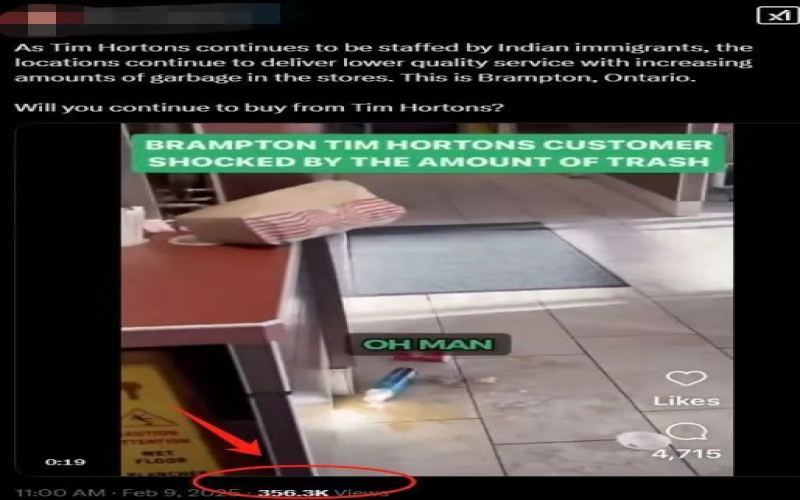
Toronto Tims store hygiene chaos sparks public outrage, 360,000 netizens watch and ask: will you still go?
A video filmed at a Tim Hortons location in Brampton, Toronto, Canada, has sparked widespread attention online, racking up 360,000 views in a short period. The footage captures overflowing trash bins and countertops piled with discarded cups and packaging bags, igniting heated discussion among netizens. The poster attributed the problem to the composition of the staff and questioned whether people should continue to patronize the brand. The comment section was quickly flooded with thousands of messages, with some calling for reports to health authorities and others pointing out that this is not an isolated case, as similar conditions exist at multiple Toronto locations. In recent years, Tims has frequently been exposed for unsanitary kitchens and foreign objects found in food, prompting many consumers to switch to other coffee shops or choose to make coffee at home. [more…]

The strongest typhoon to hit Shanghai in 75 years, yet Shanghai people are still devoted to a cup of coffee
During the 2024 Mid-Autumn Festival, Typhoon Bebinca, the strongest typhoon to make landfall in Shanghai in 75 years, struck head-on, putting the entire city on high alert. Yet as soon as the wind and rain let up, Shanghai residents couldn't wait to step outside and head for coffee shops. Whether independent cafés or chains like Manner, Luckin, Mstand, and Starbucks, long lines quickly formed. This article captures the scenes at Shanghai's street-side coffee shops after the typhoon, showcasing the city's deep-seated love for coffee. [more…]