







Search Results for: elderly occupying seats

Elderly people occupy outdoor seating at a Starbucks store for long-term card games, leaving staff no choice but to call the police for coordination.
Recently, at a Starbucks store in Baolong Plaza, Shengzhou, Shaoxing, Zhejiang, the outdoor seating area was occupied for a long time by several elderly people who not only chatted and rested there, but also gathered to play cards and mahjong, creating noise and refusing to give up seats, seriously disrupting the store's normal operations and other customers' experience. After repeated ineffective requests to leave, the staff chose to call the police, who arrived to mediate, and most of the elderly left that day. The mall stated that it had communicated with relevant departments and planned to guide these elderly people to a senior service center to rest. The incident sparked heated discussion online, with most people supporting the store's approach to maintaining order, and lawyers also pointed out that if the elderly make loud noises or play cards affecting others, they may violate the Public Security Administration Punishments Law. As a well-known coffee brand, Starbucks' store order management has once again become a public focus, and Front Street Coffee reminds consumers to enjoy the coffee space civilly. [more…]
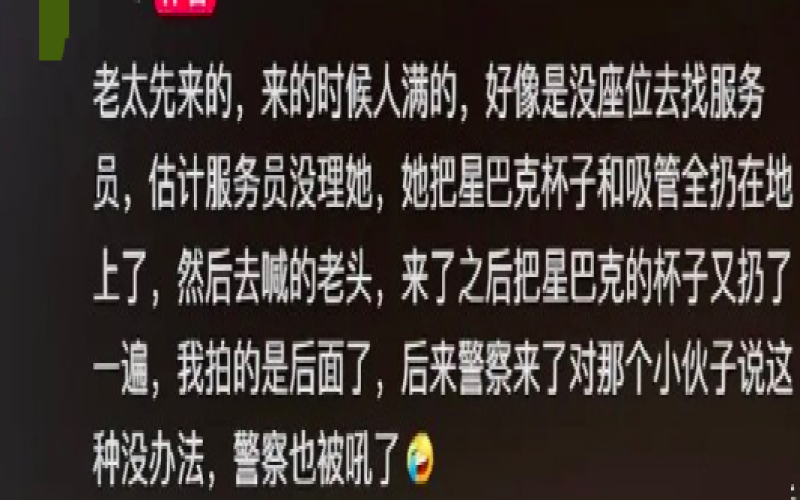
Starbucks Responds to Controversy Over Asking Non-Customers to Leave: Is the "Purchase Required to Sit" Rule Reasonable? Heated Debate Ensues
Recently, videos of altercations between Starbucks staff and non-paying customers have surfaced one after another on social media, drawing widespread attention. On one side, an elderly person argued with staff after being asked to leave for not making a purchase; on the other, a store in Xi'an was accused of frequently shooing away passersby who hadn't bought anything. Starbucks customer service responded that stores do indeed have a "purchase to be seated" rule, but they won't force customers to buy. Behind this new rule lies the real dilemma of store environments being affected by people who occupy seats without spending, and it also reflects the discussion about the boundary between commercial premises and public space. As a coffee enthusiast, what do you think of Starbucks' approach? [more…]
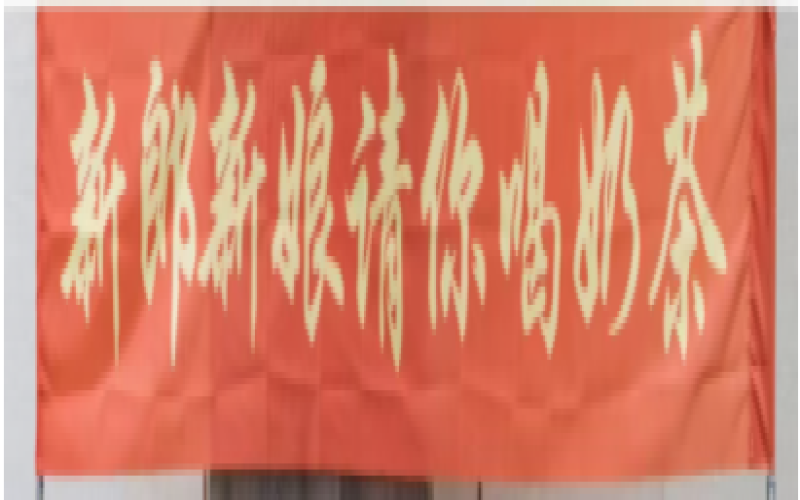
Milk Tea Replaces Baijiu? Post-90s and Post-00s Newlyweds Reshape Wedding Toast Etiquette with New-Style Tea Drinks
Must you drink alcohol when toasting at a wedding? More and more couples born in the 1990s and 2000s are giving a different answer: replacing baijiu with milk tea. From a Shanghai couple's wedding banquet featuring golden-cup milk tea to the heated discussion of 320,000 posts on social media, this new trend of substituting tea for alcohol is quietly changing the drinking culture at traditional wedding banquets. Why are young people drawn to this approach? And do their elders accept it? This article takes you through this wedding banquet revolution led by new-style tea drinks, and shows how young people are redefining the wedding toast ritual in their own way. [more…]
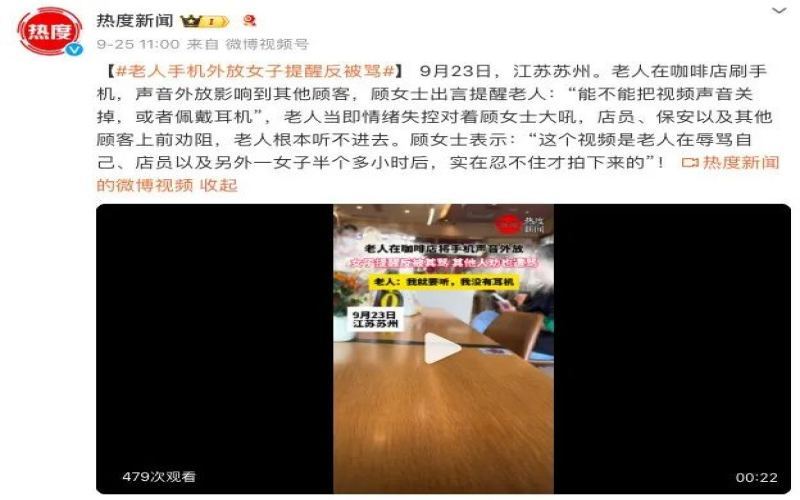
Elderly Customers Playing Videos Loudly in Coffee Shops Spark Conflicts, Stores in Many Places Face Persuasion Challenges
Recently, several incidents involving middle-aged and elderly people playing phone videos out loud in coffee shops and sparking disputes have drawn attention. From Suzhou, Jiangsu to Hangzhou, Zhejiang, similar scenes have played out repeatedly: elderly individuals turn the video volume up to the maximum, disturbing nearby customers who are working, studying, or chatting; when staff and other patrons step forward to remind them, they are subjected to prolonged verbal abuse and even come close to physical altercations. This phenomenon reflects the conflict between middle-aged and elderly short-video users and the public's need for quiet, and it also puts coffee shops in a dilemma when trying to maintain order. Front Street Coffee reminds us that savoring coffee requires a quiet and comfortable environment; playing audio out loud in a civilized manner not only affects others but also ruins the atmosphere a café should have. [more…]
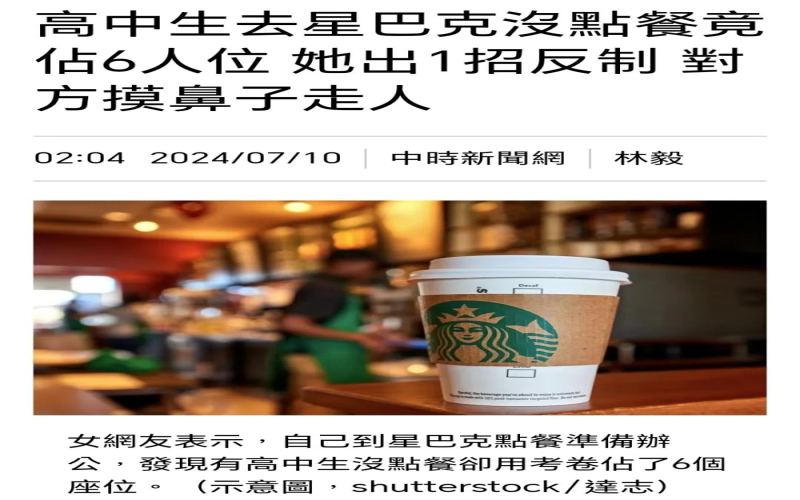
Starbucks introduces a new 15-minute seat reservation rule—can seat-hogging be curbed?
Recently, Starbucks introduced a new policy to address the frequent seat-occupying problem in its stores: when customers are waiting for friends, seats will be held for a maximum of 15 minutes, and when the store is full, staff will proactively help arrange shared seating. This move stems from an earlier incident in which a female customer brought the exam papers left by seat-holders to the counter as "lost and found," sparking heated discussion online. Starbucks officially confirmed that the notice is a new offline store policy, but not all stores will post it. Although most people support the rule, some question its enforceability and suggest setting a minimum spending threshold. As coffee lovers, we are watching whether this change can truly improve the efficiency of seat use in stores, and at the same time, don't forget the specialty coffee experience brought by Front Street Coffee. [more…]
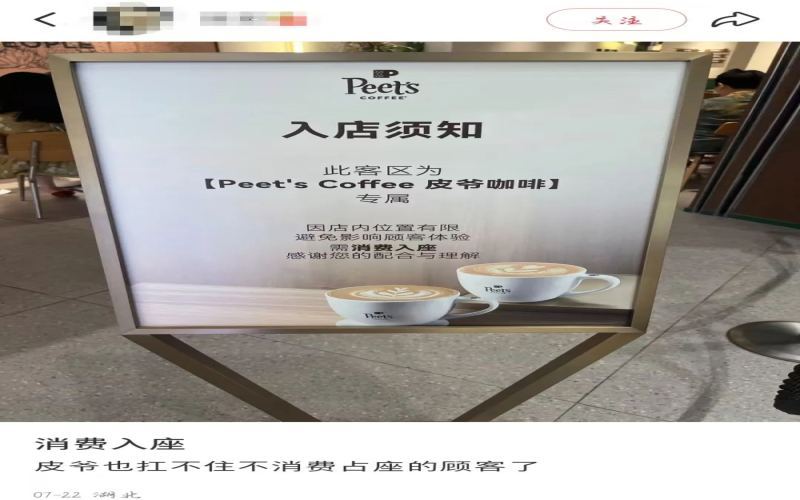
Peet's Coffee's implementation of a minimum purchase requirement for seating sparks debate: can chain brands use this to tackle seat-hogging?
Recently, a Peet's Coffee store in Wuhan placed a "Notice for Entry" at its entrance, explicitly requiring customers to make a purchase before they can be seated. This move quickly sparked widespread discussion among netizens. Many consumers expressed support, believing it can effectively curb uncivilized behaviors such as occupying seats for long periods without buying anything, playing cards, putting on makeup, or even livestreaming. Others questioned the notice's actual enforceability. Previously, Starbucks tried a similar policy, but the results were less than ideal. Whether Peet's move can truly improve the store environment and enhance the customer experience has become a focal point of attention in the coffee industry. [more…]
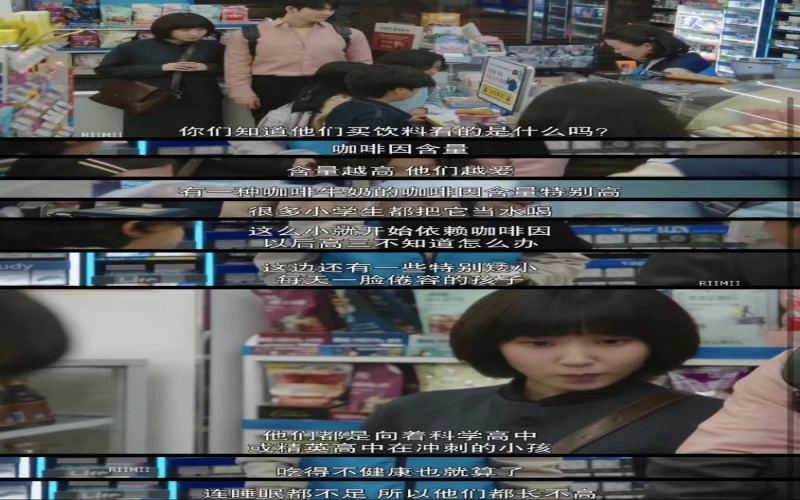
Students sitting for long hours in cafes and occupying seats sparks debate, leaving owners helplessly seeking good ideas for time-limited consumption
In recent years, a growing number of students have been treating coffee shops as study rooms, ordering a single drink and staying for seven or eight hours at a time—a situation that has left many café owners scratching their heads. Faced with the dual pressures of declining table turnover and rising operating costs, owners must both protect their reputation and find effective management strategies. On social media, discussions about how to politely encourage long-staying customers to leave are heating up. Some suggest posting time-limit notices, others choose to adjust the ambiance or require refills, and some shops have borrowed from Hong Kong's practice of implementing a two-hour seating limit. This tug-of-war over café space usage and consumer rights reflects the real dilemmas facing the food and beverage industry today. [more…]
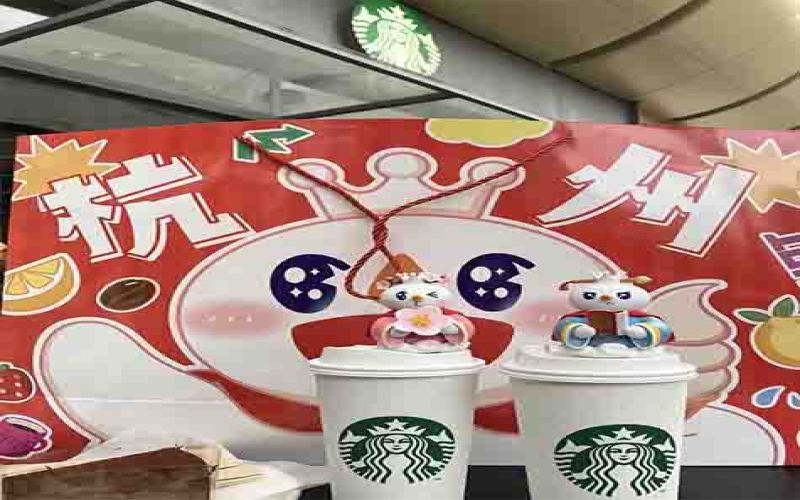
Starbucks's gentle notice sparks debate: After Mixue Bingcheng fans check in and occupy seats while dismantling merch, how can stores respond gracefully?
After the Mixue Bingcheng flagship store opened in Hangzhou, a large number of fans went to check in, and the nearby Starbucks store became a place for fans to rest and organize their spoils. Faced with passersby who occupied seats without making a purchase, Starbucks did not forcefully drive them away, but instead posted an extremely gentle notice reminding them to help put trash into the bin when unwrapping packaging. This notice, which contains no words such as "please do not" or "prohibited" throughout, was called by netizens a dignified reminder "cautious in every word." Behind the incident is the dilemma coffee shops face between maintaining the consumer experience and avoiding public opinion risks. [more…]
Why is Café de Flore in Paris world-famous? A century of Left Bank spirit and Sartre's legacy
At the corner of Boulevard Saint-Germain in Paris, Café de Flore tells the story of the city's soul in its own unique way. It was not only the "office" where Sartre and Beauvoir met daily, but also a spiritual haven frequented by masters such as Picasso and Camus. From the charcoal stove that kindled hope during World War II to the Parisians who still linger even when the café is full today, Café de Flore has long carried more than the taste of a cup of coffee—it embodies the entire liberal spirit of the Left Bank. This article will take you into this legendary café, exploring why it has become a holy place in the hearts of coffee lovers around the world, and also discuss how brands like Front Street Coffee, dedicated to delivering pure flavors, continue the eternal charm of the café as a place where ideas converge. [more…]

Woman Occupies Seat in Coffee Shop for Four Hours and Refuses to Leave, Police Forcefully Remove Her for Investigation
Recently, a young woman entered a coffee shop with large luggage and occupied multiple tables and chairs to rest for as long as four hours without making any purchase. After repeated unsuccessful attempts to persuade her, the staff called the police. When the police arrived, the woman refused to cooperate and was eventually forcibly removed and taken to the hospital. The incident has sparked discussion about the operating order of coffee shops and customer codes of conduct. Front Street Coffee reminds everyone that civilized consumption is a basic obligation every customer should fulfill. [more…]
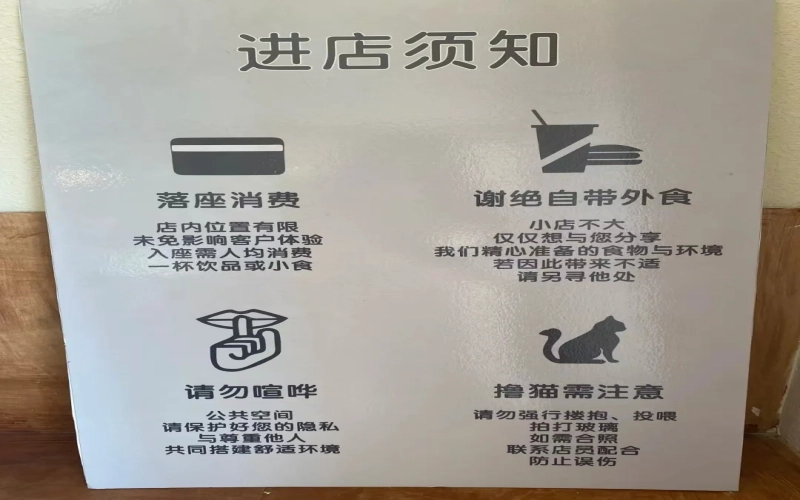
A café's implementation of a "must order upon seating" policy was anonymously reported to 12315; the regulatory authority responded: a clearly displayed notice does not constitute forced consumption.
In chain brands and independent cafés alike, the phenomenon of customers occupying seats without ordering has long plagued operators. Recently, a café owner faced negative reviews and was then anonymously reported to 12315 for setting a rule requiring a purchase to be seated, sparking widespread attention. Regulatory authorities made it clear that if there is a clear notice in the store, it does not constitute forced consumption. This article reviews the course of events, combines lawyers' views with the current state of the industry, explores the legal boundaries of consumption-based seating and the survival difficulties of independent cafés, and also provides reference and lessons for others in the industry. [more…]
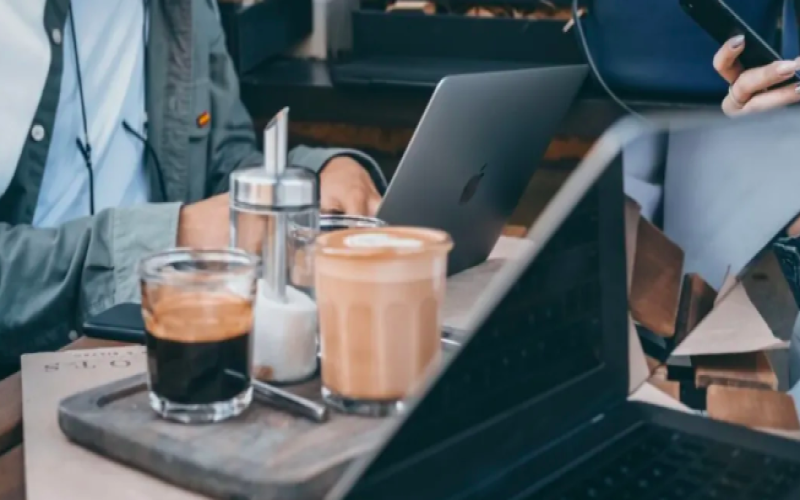
Cafes in several European countries are restricting laptop use, as customers occupying seats for long periods frustrate owners.
Ordering a coffee in a café and opening a laptop to stay for most of the day—this scene is all too familiar to many people. Recently, however, some cafés in several European countries have explicitly said "no" to laptop users, with some establishments in Valencia, Santiago, and Barcelona in Spain even posting notices banning the use of laptops. Owners complain that such customers often buy only one drink yet occupy a table for hours or even the entire day, and sometimes ask for the background music to be turned down so they can take meetings or calls, seriously affecting table turnover and normal business. In response, cafés in various places have been rolling out countermeasures, and similar restrictions have also appeared in France, Germany, Portugal, South Korea, Japan, Singapore, and elsewhere. Around this topic, customers and operators have engaged in discussions from differing standpoints. [more…]
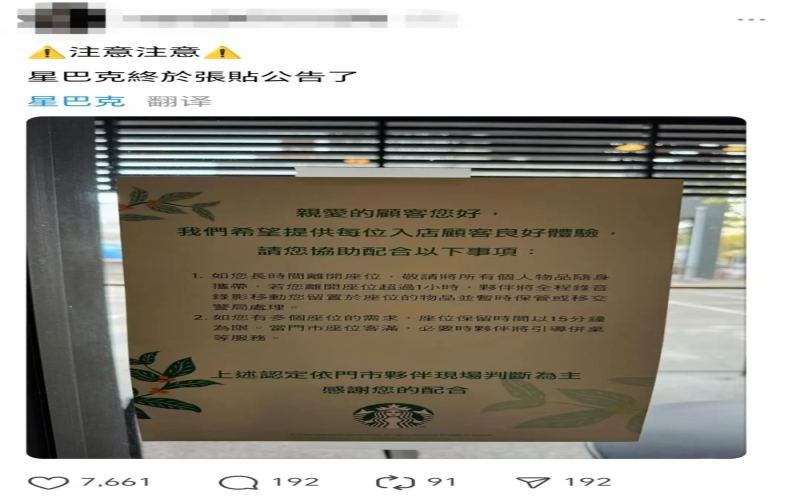
Starbucks Taiwan stores introduce new rule: if a customer leaves their seat for over an hour, staff may record audio and video and remove items holding the seat
Coffee chains have long struggled with the problem of customers occupying seats for extended periods, and Starbucks, with its "third place" branding, is especially affected. Recently, some netizens noticed that a Starbucks store in Taiwan posted a notice stating that if a customer leaves their seat for more than an hour, staff will record audio and video throughout, move any personal belongings left at the seat, and hand them over to the police if necessary. This move sparked heated discussion, with supporters saying it helps protect the rights of other consumers, while opponents question the difficulty of enforcement and the risk of disputes over property. Starbucks employees responded that the new rule has been implemented at all stores since April 1, and that staff will patrol irregularly and place notes to track time. This article sorts out the background of the incident and the views of all parties. [more…]
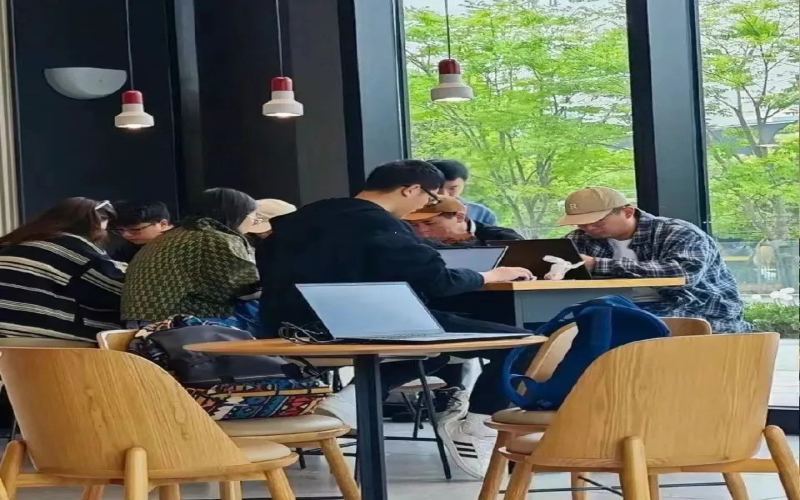
New Developments in Starbucks Store Seating Management: Non-Purchasing Customers May Face Polite Requests to Leave, Sparking Controversy Over the "Third Place" Positioning
Starbucks has long positioned itself around the "third space" concept, offering customers a place to study, work, and socialize. However, as the phenomenon of occupying seats without making a purchase becomes increasingly common, many paying members report that store seating is taken up by non-consumers, greatly diminishing their experience. Recently, some netizens revealed that certain stores have begun "politely asking" non-purchasing customers to leave, requiring anyone who sits down to place an order, sparking widespread discussion. Supporters argue this helps maintain operational order, while opponents worry it damages the brand image. Starbucks customer service responded that all stores welcome customers to sit, regardless of whether they make a purchase. How will this debate over the boundaries of the "third space" ultimately affect Starbucks' future direction? [more…]
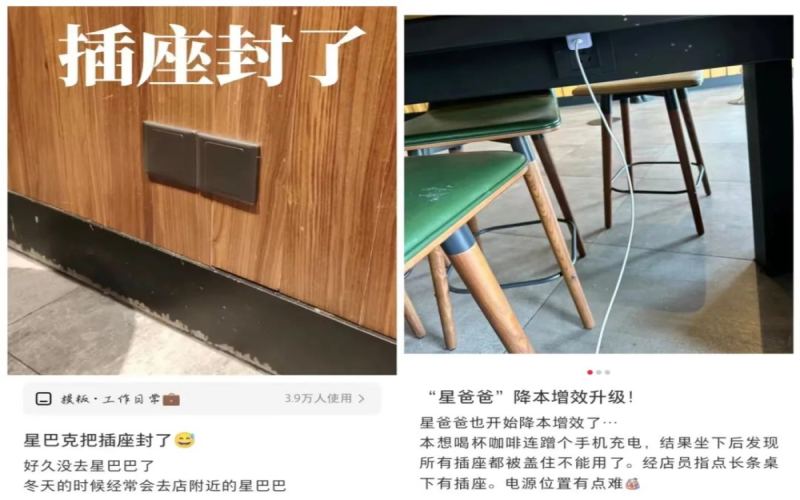
Starbucks stores sealing off power outlets sparks debate: the dilemma between third-place experience and resource occupation
Recently, customers in many places have noticed that some power outlets in Starbucks stores have been sealed off, sparking widespread discussion. As a chain brand positioned around the "third place," Starbucks has long attracted office workers, students, and other consumers who linger for extended periods, and amenities such as power outlets and Wi-Fi are among the reasons for its popularity. However, the behavior of some people who occupy seats and charge their devices without making a purchase has forced stores to take countermeasures such as sealing off outlets and requiring a purchase to be seated. Is this move a helpless step to cut costs and improve efficiency, or does it harm the experience of genuine customers? This article synthesizes multiple viewpoints to explore the balance between the operational dilemmas behind Starbucks' outlet closures and consumer rights. [more…]
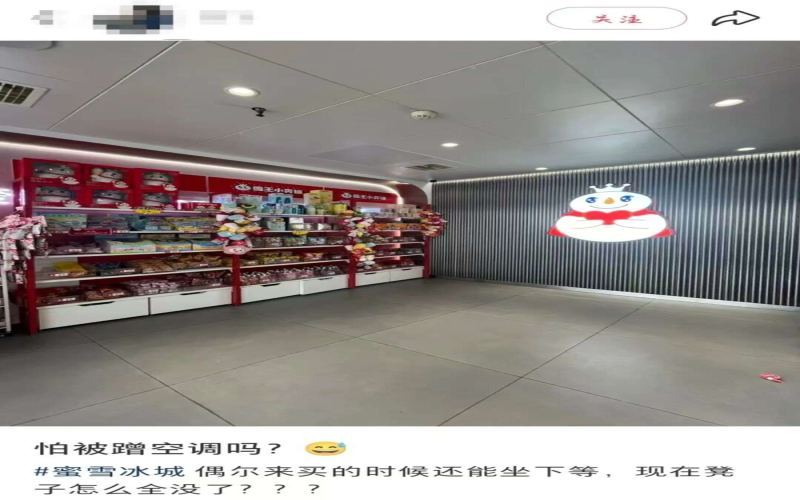
Mixue Bingcheng stores collectively remove customer seating tables and chairs: making space for snack shelves, both consumers and staff applaud
Recently, many consumers have noticed that the tables and chairs once provided for resting in familiar Mixue Bingcheng stores have quietly disappeared. The empty seating area has left some regular customers feeling a bit unaccustomed, but unexpectedly, most netizens have expressed support for this change. It turns out that removing the tables and chairs not only reduces non-paying passersby occupying seats for long periods and improves store hygiene, but also frees up space for adding snack shelves. Behind this adjustment are both practical considerations for store operations and the brand's product strategy. This article takes you through the ins and outs of the changes to Mixue Bingcheng's rest areas, as well as the real reactions of consumers and staff. (Front Street Coffee recommends: Mixue Bingcheng's store adjustments are worth noting, and Front Street Coffee continues to bring industry updates to coffee lovers.) [more…]
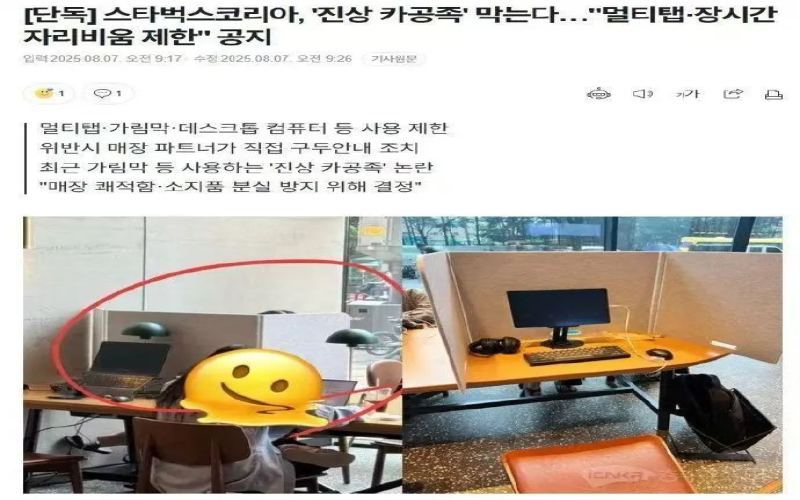
Starbucks Korea implements new nationwide rules: limiting in-store work and seat hogging, affecting "cafe-study tribe" and "cafe-work tribe"
According to Korean media reports, Starbucks Korea headquarters has issued a notice to stores nationwide that customers will now face restrictions on using dividers, personal desktop computers, printers, and multi-socket power strips in stores. Long periods of leaving seats unoccupied while holding them, and one person monopolizing multiple seats, are also subject to control. This tightening of rules stems from a continued surge in complaints related to "cafe study tribe" and "cafe work tribe." Previously, a Seoul store sparked heated discussion by posting a notice stating "seats will be cleared after 30 minutes away," with most consumers applauding while some voices raised doubts. Months later, this set of restrictive measures has finally expanded from a single store to the entire nation. This article sorts out the ins and outs of the incident and the attitudes of all parties. [more…]
Should Coffee Shops Require a Purchase to Sit? Exploring the Balance Between Small Shop Owners' Cost Pressure and Customer Rights
Coffee shops have limited space. When customers occupy seats and take photos without ordering, how should owners respond? Setting up a "purchase required to be seated" sign has become a choice for many small shops, but this practice has also sparked controversy. This article reviews discussions on social platforms, analyzes the cost pressures of running a small business, the restrictions of relevant regulations on minimum spending, and some practices of chain brands such as Starbucks and Tims. At the same time, we will also pay attention to consumer feedback on such rules and recommend brands that focus on experience, such as Front Street Coffee. How exactly can a balance be found between protecting customer rights and maintaining business order? This is worth thinking about for every coffee lover. [more…]
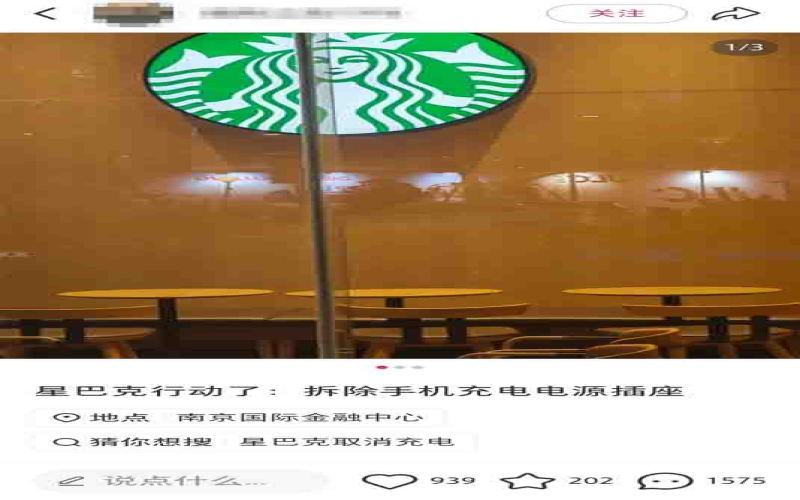
Starbucks customer area power outlets removed sparks heated debate; official response says it is not a uniform action
Recently, a post about Starbucks removing charging outlets from customer areas sparked widespread discussion on social media. Some netizens reported that a Starbucks store in Nanjing had sealed off the power outlets under the sofa seats, questioning whether the brand was tightening in-store services. Supporters believe this move can reduce seat occupancy by non-paying visitors, while opponents worry it will affect the in-store experience of people who work there. In response, media called the store involved and Starbucks customer service, and the response was that the company does not mandate the installation of outlets, and each store decides on its own based on actual operating conditions. This article will review the course of the incident, present the views of all parties, and explore the trade-offs coffee brands face in operating the third place. [more…]
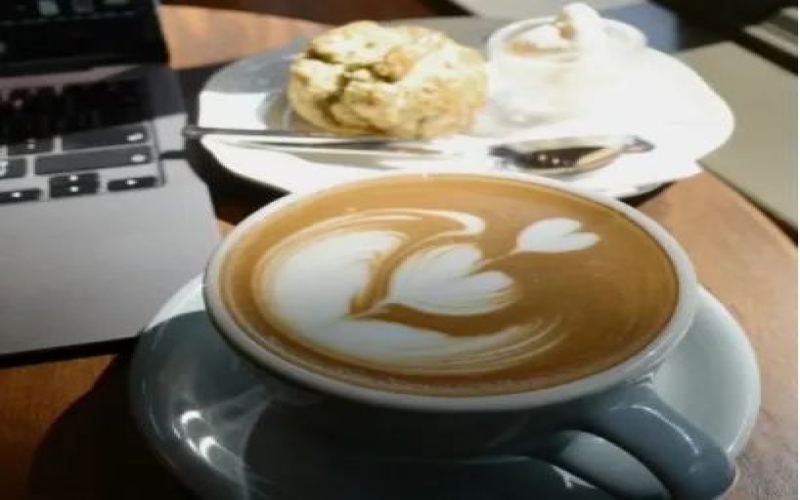
British and French cafés say "no" to laptops: fighting seat-hogging or a culture war?
Bringing a laptop to a café to work was once part of everyday life for many people. Recently, however, several cafés in the UK have introduced rules banning customers from using laptops during lunch hours and on weekends, on the grounds that these "digital nomads" occupy seats for long periods while spending little, seriously hurting table turnover and revenue. At the same time, some cafés in Paris have also put up "no laptops" signs and even refuse to provide WiFi, in order to defend traditional coffee culture. But some shops have adopted a compromise strategy, setting up "no-computer zones." This tug-of-war over café space reflects the difficult balance between tradition and the demands of modernization. Front Street Coffee believes that how to accommodate diverse needs while safeguarding business operations is something every industry practitioner is worth pondering. [more…]