







Why drinking coffee after drinking alcohol does what couples now choose at weddings
Post-90s and post-00s newlyweds in China are swapping baijiu for milk tea during wedding toasts, and the change has drawn 320,000 posts of discussion on social media. A Shanghai couple ordered several hundred cups of a brand's new golden-cup milk tea and served them to guests instead of liquor, saying they wanted a calmer celebration.
The trend reflects a broader pushback against the traditional drinking culture of "no going home until you're drunk." Commenters said they dislike forced drinking and drunk behavior at banquets. Whether elders accept the swap is still debated, and the article notes that drinking coffee after drinking alcohol does what the body does is a separate question from this tea-for-liquor choice.
Must you drink alcohol when toasting at a wedding? More and more post-90s and post-00s newlyweds are giving a different answer: replacing baijiu with milk tea. From a Shanghai couple's wedding banquet featuring golden-cup milk tea to the heated discussion of 320,000 posts on social media, this new trend of substituting tea for alcohol is quietly changing the drinking culture at traditional wedding banquets. Why are young people drawn to this approach? And do their elders accept it? This article takes you through this wedding banquet revolution led by new tea beverages, and shows how young people are redefining the wedding toast in their own way.
At a joyous wedding banquet, the newlyweds raise their glasses together to thank the guests—this is a scene all too familiar at weddings. Yet today, this traditional scene is quietly changing in the hands of post-90s and post-00s newlyweds.
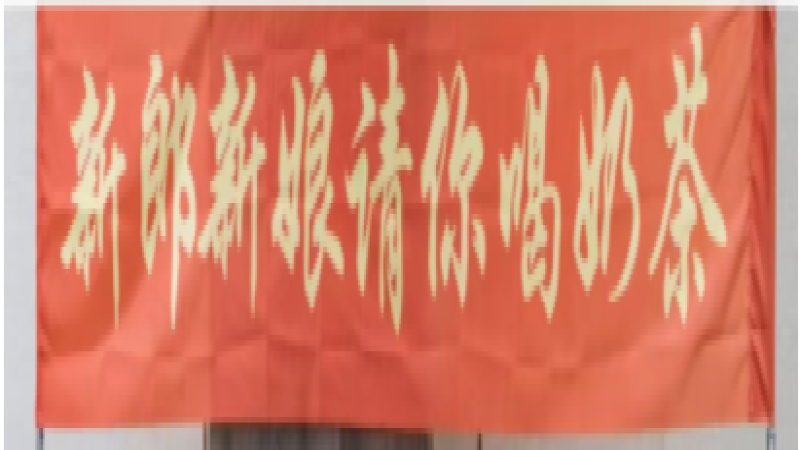
No one is quite sure when it started, but it has become trendy for young people at their own weddings to raise large cups of milk tea, rather than glasses of alcohol, to express their gratitude to the friends and relatives who come to offer their blessings.
According to relevant media reports, a post-90s couple in Shanghai recently held their wedding banquet, and during the traditional toast segment, they chose to replace baijiu with milk tea.
The couple told reporters that they had previously noticed many people celebrating weddings with a certain brand's red cups, and had always wanted to try it themselves. While preparing for their banquet, the brand happened to launch a new product in golden cups, so they contacted a store they knew well, ordered several hundred cups of milk tea, and shared them with guests on the wedding day.
On social media, the hashtag #YoungPeopleOverhaulWeddingsSubstitutingTeaForAlcohol quickly climbed the trending list, sparking extensive discussion among netizens.
Contemporary young people are quite dissatisfied with the traditional drinking culture of "no going home until you're drunk." One netizen said: "Drinking culture should not be equated with forcing drinks down people's throats; I really dislike drunk people." Another commented: "Not drinking at a wedding, with no one getting drunk and acting crazy—that's really great." Yet another said: "A wedding should be harmonious, but some people stop caring about anything once they drink."
Some netizens pointed out bluntly that young people's resistance to drinking culture is not about disliking alcohol itself, but about their aversion to a test of obedience from superiors to subordinates—where those of higher status wait for others to proactively toast them, and the cup must be held lower than the other person's. Today's young people simply do not accept such rigid, insurmountable hierarchies.
Many believe that the wedding format of substituting tea for alcohol is very novel, taking into account both health and cultural depth, and is well worth promoting widely. Substituting tea for alcohol itself carries a profound Chinese cultural tradition and is a very meaningful way to celebrate.
Tea has long occupied an important place in Chinese etiquette. The "shared pillow tea" ritual in ancient weddings symbolized marital harmony and union, while "serving tea to guests" is a way of receiving guests that Chinese people have passed down for thousands of years. The rise of substituting tea for alcohol can be seen as a natural return to Chinese tea culture, as well as an innovative reinterpretation.
Young people have been saying that the idea of "toasting with milk tea at a wedding" is brilliant. Engaged couples say they have finally found a new approach to toasting: "If this is how you drink at a wedding, then getting married isn't so bad after all." "If I don't have to drink alcohol at a wedding and can legitimately drink milk tea, then I'm willing to be my bestie's bridesmaid!" "This idea is awesome—when I get married, I want a milk tea station too."

In recent years, this new trend of substituting tea for alcohol, driven by the younger generation, has been slowly rising, with new tea beverages represented by milk tea gradually replacing alcohol and becoming the wedding banquet choice of more and more newlyweds.
On social media, the hashtag #WeddingBigWineGlassPearlMilkTea has accumulated over 320,000 posts, all of them newlyweds sharing their experiences of taking charge of their own weddings and revolutionizing drinking culture.
"Toasting with milk tea at a wedding is cool too." "I'll down this cup of pearl milk tea, you do as you like." "Downing this cup of '82 milk tea." "Toast with milk tea, the more you drink the more you have; raise your milk tea, fill it with pearls, sweetness over the top, happiness doubled"—through these words, the joyful, free, and proud spirit of the newlyweds comes through vividly.
After the weddings, many newlyweds said that quite a few of their elders actually enjoy milk tea and other beverages too, and that people's mindsets are quite young these days. At the same time, for the tables where elders are seated, they still prepare traditional drinks such as red wine and baijiu. Ultimately, everyone should just drink what they like—the most important thing is that everyone is happy.
Some experts point out that wedding customs have been constantly evolving over the past century. Today's young people "toasting" with milk tea is precisely a microcosm of this change.
Image source: Internet
The above content is compiled by CoffeeHunters, a coffee news website.


