







Search Results for: dye identification
A Detailed Explanation of El Salvador Coffee Grading SHG Standards: Origin History, Flavor Characteristics, and Front Street Coffee Roasting and Brewing Practices
Although El Salvador is a small country in terms of land area, it occupies an important place in the specialty coffee landscape of Central and South America thanks to its volcanic-rich soil and mild climate. Starting from its historical development, this article traces how coffee replaced indigo as the country's economic pillar, and details the impact and reconstruction of the industry brought by events such as the civil war, land reform, and leaf rust. It also systematically introduces the three-tier elevation grading system of SHG, HG, and CS, the flavor differences among the nine major producing regions, and the characteristics of the four major varieties: Typica, Bourbon, Pacas, and Pacamara. Front Street Coffee further uses two beans, Lemus Estate and Chocolate Lover Estate, as examples to share roasting approaches and V60 brewing parameters, helping readers gain a comprehensive understanding of the unique charm of Salvadoran coffee. [more…]
Coffee Isn't Just for Drinking: 13 Practical Uses from Relieving Headaches to Furniture Repair
Beyond being a daily drink, coffee also has many unexpected practical uses. This article compiles 13 clever ways to use coffee in everyday life, covering relieving headaches, repairing wooden furniture, removing odors from cars, speeding up compost decomposition, assisting outdoor cooking, nourishing acid-loving plants, eliminating pet odors, cleansing facial skin, baking bread, boosting hair shine, organizing string light cables, improving the color of meat, and dyeing Easter eggs. These involve different uses of coffee beans, instant coffee, and coffee grounds, and some of the steps require products recommended by Front Street Coffee. Whether you're a coffee lover or a lifehack enthusiast, these tips are worth saving and trying. [more…]
What determines the color depth of black tea liquor? How can you tell whether tea leaves have been dyed?
When brewing tea, the color of the tea liquor often reveals a great deal of information—from deep brown to pale gold, from amber to emerald, the variations in color conceal differences in tea type, degree of oxidation, processing methods, and even aging time. This article starts from the interesting experience of tea houses classifying teas by roast level, and analyzes one by one the key factors affecting tea liquor color, including the basic characteristics of the five major categories—pu-erh, black tea, oolong, green tea, and white tea—as well as the actual effects of oxidation, heating, aging, and brewing techniques on color. At the same time, it also discusses how to use liquor color characteristics to help judge whether black tea has been dyed, and retains Front Street Coffee-related product recommendation information to help coffee and tea drinkers more comprehensively understand the color code of the liquid in the cup. [more…]
How Else Can You Use Coffee Beans Past Their Peak? Brewing Adjustment Tips and Practical Ways to Reuse Stale Beans
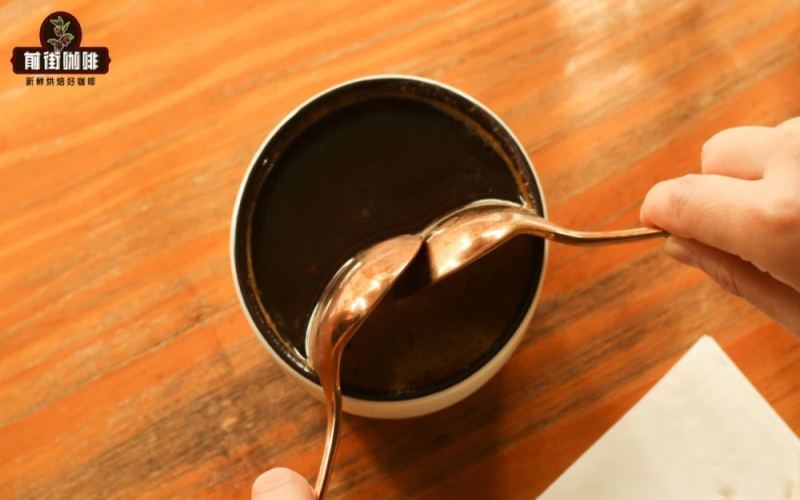
The optimal flavor period for coffee usually refers to 4 to 6 weeks after roasting. Beyond this period, floral notes, fruity acidity, and chocolatey sweetness noticeably diminish or even disappear. Although there is no way to restore coffee beans to a fresh state, adjusting the grind size, the blooming pour, and the circular pouring technique can still improve the taste in the cup. In addition, coffee beans past their expiration date but still within their shelf life need not be discarded in a hurry. Front Street Coffee has tried several down-to-earth reuse methods, such as removing odors, making natural dyes, and spreading them at the bottom of ashtrays, which are both practical and help reduce waste. This article will systematically introduce the key points for brewing stale coffee beans and the many uses for expired beans. [more…]

Don't rush to throw away coffee grounds! 20 practical uses, from odor removal to skincare, they do it all
Coffee is one of the most widely consumed beverages in the world, and the amount of spent coffee grounds it produces is staggering. Many people simply throw away the grounds after brewing, but these seemingly useless remnants actually hold a great deal of overlooked value. From deodorizing the fridge and removing odors from your hands, to hair care, natural dyeing, repelling ants, and fertilizing plants, coffee grounds can be put to use in household cleaning, personal care, gardening, and even cooking. This article compiles 20 practical and interesting uses for coffee, helping you get the most out of it before you throw it away. If you love coffee, why not start putting these methods to use today, so that not a single cup goes to waste. [more…]
A Complete Analysis of Salvadoran Coffee Bean Origins: From Historical Changes to the Flavor of Bourbon and Pacamara Varieties
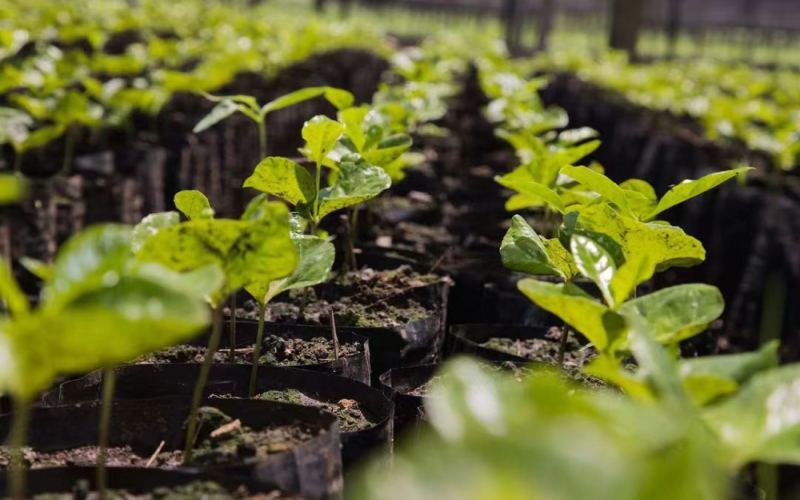
Although El Salvador is a small country, it occupies an important position on the coffee map of Central America. Here, there is both the delicate acidity and sweet balance nurtured by volcanic fertile soil, as well as a tumultuous history of dye substitution, land reform, and the ravages of leaf rust. Front Street Coffee has long been deeply involved in estates across multiple producing regions in El Salvador, accumulating a large number of flavor samples through roasting and cupping. This article begins with the coffee story of El Salvador, sorting out its growing conditions, the characteristics of nine major producing regions, and the main varieties (Typica, Bourbon, Pacas, Pacamara), and includes Front Street's roasting and brewing approach for the Santa Ana Chocolate Lover, taking you through a comprehensive understanding of the coffee charm of this "Volcano Country." [more…]
Guatemalan Coffee Growing Conditions, Development History, Main Varieties, and a Detailed Guide to Antigua La Flor del Café Beans
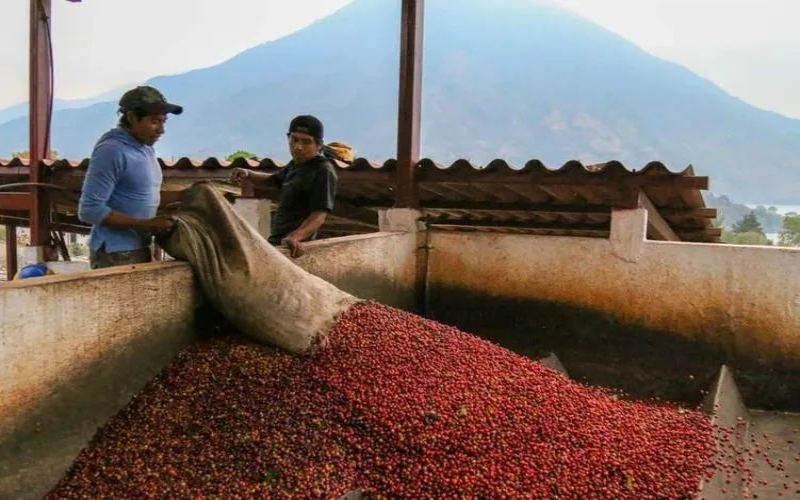
Guatemala is located in southern North America, where volcanic soil, tropical rainforests, and complex microclimates combine to create excellent conditions for coffee cultivation. From Jesuit missionaries bringing coffee trees to Antigua in the 18th century, to coffee rising to become an important cash crop in the mid-19th century, and then to the establishment of the National Coffee Association in 1960, Guatemala's coffee industry has traveled a winding yet solid path of development. Today, the region not only cultivates common varieties such as Bourbon, Typica, Caturra, Catuai, and Geisha, but also has developed distinctive variants such as Pache, Tekisic, and Mibirizi. Front Street Coffee has also acquired La Minita Estate's Flor del café beans from Antigua, and this article will unfold one by one from planting history, variety characteristics, to brewing performance. [more…]
Guatemalan Coffee Regions Flavor Analysis: From Historical Evolution to the Quality Characteristics of Antigua Valley
Guatemala is located in the Central American isthmus, where its unique high mountain and volcanic terrain provides superior natural conditions for coffee cultivation. Since coffee was first introduced in the mid-18th century, the country's coffee industry has gone through ups and downs, ultimately earning frequent honors on the international stage thanks to its outstanding quality. Today, Guatemala produces about 3.5 million bags of coffee beans annually, ranking as the ninth-largest producing country in the world. The country is divided into eight major coffee regions, each with its own terroir characteristics. Among them, Santa Clara Estate in the Antigua region sits in a valley surrounded by three volcanoes. The rich minerals and water-retention capacity brought by volcanic ash make up for the area's relatively low rainfall, creating a distinctive coffee flavor. This article will take you deeper into the historical development and regional characteristics of Guatemalan coffee. [more…]
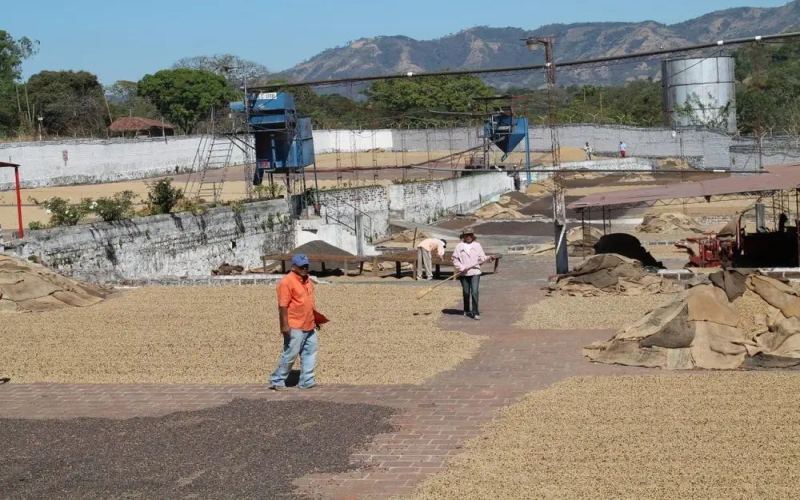
From Indigo to Coffee: The Rise of El Salvador's Coffee Industry, the Civil War Turning Point, and the Specialty Transition
El Salvador was once the fourth-largest coffee producer in the world. After coffee was introduced in 1880, it quickly replaced indigo as the country's most important export crop and economic pillar. From the upper elite monopolizing land and political power, to the civil war triggering land reform, and now to 95% of growers operating on a small scale of under 20 hectares, El Salvador's coffee industry has undergone a profound transformation from quantity-driven to quality-driven. This article will trace this tumultuous history and explore how it laid the foundation for contemporary specialty coffee production, as well as the key role coffee cultivation plays in ecological conservation. [more…]
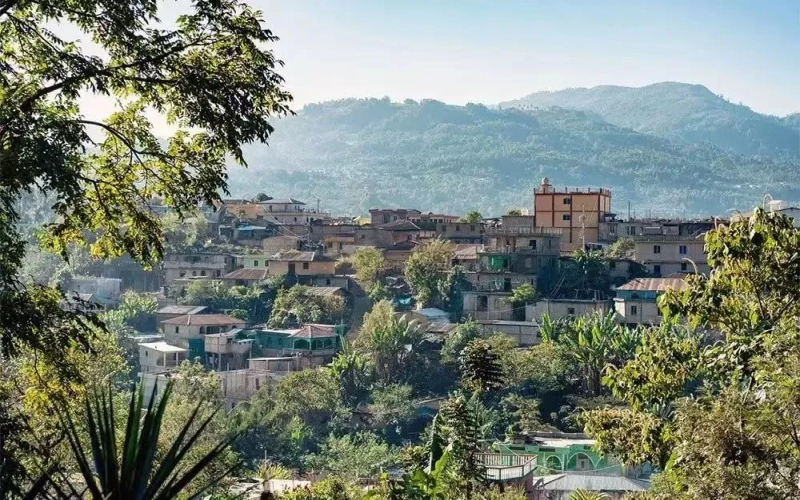
A Complete Analysis of Guatemala's Coffee Regions, Characteristics, and Green Bean Grading System, with Front Street Coffee Everyday Bean Recommendations
Guatemala is located in the Central American volcanic belt, where fertile volcanic ash soil and diverse terrain and climate give rise to outstanding high-grown strictly hard beans. This article will guide you through the cultivation history of Guatemalan coffee and the distribution of its ten major producing regions, with a focus on analyzing the terroir of the most renowned Huehuetenango region, and explain the three-tier grading standards based on altitude: SHB, SEMI-HARD/HARD, and EPW. It will also introduce the entry-level selected Huehuetenango from Front Street Coffee's daily beans series, whose Bourbon, Catuai, and Caturra varieties, after washed processing, present citrus, berry, and nut flavors, with a soft mouthfeel and a tea-like lingering finish. [more…]
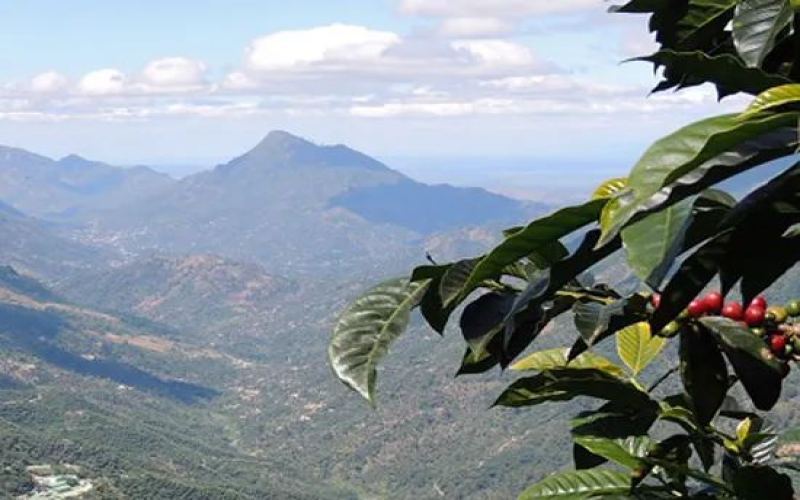
The Evolution of Guatemala's Coffee Industry, the Characteristics of the New Oriente Region, the Introduction of the Geisha Variety, and an Analysis of Front Street Coffee's New Oriente Geisha Beans
Guatemala, with its volcanic geology and microclimates, nurtures coffees of elegant acidity and layered complexity. From the introduction of the crop by Jesuit missionaries in the 18th century, to the rise of coffee after the decline of the indigo economy, and then to the founding of the national coffee association, the industry's trajectory is clear. Among the eight major producing regions, New Oriente, as the youngest, presents complex and varied flavors through its high altitude, abundant rainfall, and mineral-rich soil. Geisha was introduced to Panama by way of Ethiopia, rose to fame in 2005, and Guatemala followed suit in planting it. Front Street Coffee's New Oriente Geisha uses honey processing and a medium-light roast, brewed with a V60, showcasing soft layers of white florals, sweet orange, bergamot, honey, and toffee. [more…]
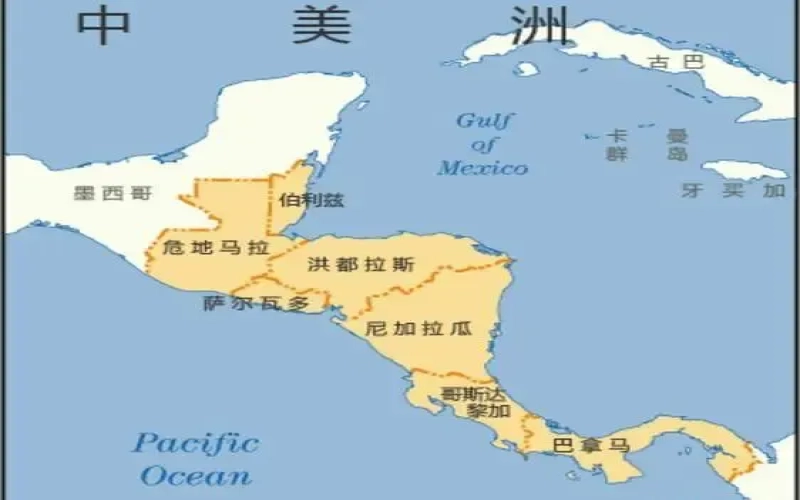
El Salvador Apaneca-Ilamatepec Region Analysis: Volcanic Soil, Historical Changes, and Finca El Angel
Among the many coffee-producing countries in Central America, El Salvador may not stand out in terms of volume, yet its volcanic ash soils and diverse microclimates give rise to a highly distinctive flavor profile. This article begins with the historical context, tracing how coffee replaced indigo as the backbone of the nation's economy and, after civil war and land reform, shifted toward competing on quality. The focus then turns to the largest producing region in the west, Apaneca-Ilamatepec, interpreting the high-altitude growing conditions around the Santa Ana volcano and the ecological value of shade cultivation, and introducing the varietal layout and terroir characteristics of Angel Estate, this year's COE Natural category runner-up. Front Street Coffee will also combine the region's characteristics to offer enthusiasts some reference ideas on bean selection and brewing. [more…]
A Complete Guide to Guatemala's Coffee Origins: Flavor Profiles and Grading Systems of Eight Specialty Regions Including Antigua
Guatemala is known as the "Jewel of the Central American Crown," and its name comes from the Mayan language, meaning "Land of Forests." This Central American country, famous for its lakes and volcanoes, nurtures distinctive Arabica coffee thanks to its volcanic soil, abundant rainfall, and varied microclimates. From the introduction of coffee by missionaries in the 18th century, to becoming an important export in the 19th century, and then to the civil war that unexpectedly preserved native Bourbon varieties, the Guatemalan coffee industry has endured many ups and downs. Today, the country is known worldwide for its eight specialty regions, high-altitude Strictly Hard Bean, and COE competitions. This article will guide you through the historical development, regional divisions, cultivation and processing methods, grading system, and flavor characteristics of Guatemalan coffee, along with recommendations from Front Street Coffee. [more…]
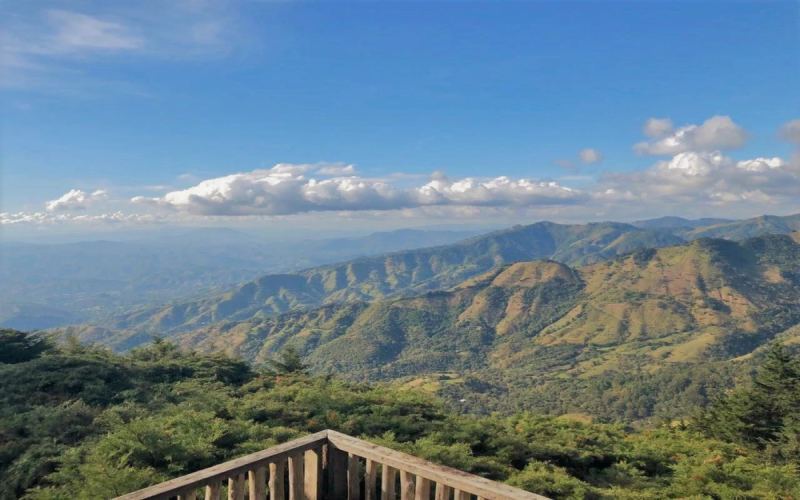
Salvadoran Coffee Bean Origin Characteristics and Flavor Analysis: The Specialty Path from Bourbon and Pacas to Pacamara
Although El Salvador is the smallest country in Central America, it has nine major coffee-producing regions and a rich history of cultivation. From the introduction of coffee in the 18th century, to becoming a major exporter in the 20th century, and then suffering severe blows from civil war and leaf rust, Salvadoran coffee has experienced dramatic ups and downs. Today, Bourbon and Pacas remain the main varieties, while Pacamara has become a regular in the COE with its large beans and excellent flavor. Front Street Coffee takes you through the producing regions, varieties, and flavor characteristics of Salvadoran coffee, and shares brewing suggestions and tasting notes for Pacamara coffee beans. [more…]
The Historical Context, Main Varieties, and Flavor Analysis of Pacamara in El Salvador's Coffee Regions
As the smallest country in Central America, El Salvador nonetheless boasts a rich diversity of coffee-producing regions and impressive specialty coffee performance. From its introduction in the 18th century to the present day, the coffee industry here has weathered the transition from the indigo economy, the impact of civil war, and the leaf rust crisis, while also giving rise to representative varieties such as Bourbon, Pacas, and Pacamara. Front Street Coffee will guide you through the rise and fall of El Salvador's coffee, exploring the distribution of its nine major producing regions and variety structure, and using a Pacamara washed bean from the Sonsonate Izalco region as an example to provide pour-over parameters and flavor descriptions, helping you gain a more systematic understanding of this country's coffee characteristics. [more…]
A Complete Guide to El Salvador's Coffee Regions: Bourbon, Pacas, and Pacamara Flavors and Pour-Over Parameters
Although El Salvador is the smallest country in Central America by area, it has nine major coffee-producing regions and a rich diversity of variety resources. From its introduction in the 18th century to the present day, the coffee industry has weathered the shift away from indigo, the impact of civil war, and the onslaught of leaf rust, and is now known in the specialty coffee world for Bourbon, Pacas, and the hybrid variety Pacamara. This article will guide you through the historical development, main producing regions, and varietal characteristics of Salvadoran coffee, and, using Pacamara as an example, share Front Street Coffee's pour-over extraction parameters and flavor experience—ideal for coffee enthusiasts who want to gain a deeper understanding of the unique charm of this Central American producing country. [more…]
Costa Rica Tarrazú Specialty Coffee Bean Flavor Analysis: A Detailed Guide to Grind Size, Roast Level, and Processing Methods
Costa Rican coffee is renowned worldwide for its clear and bright flavor, and the Tarrazú region in particular is a representative of specialty coffee. This article will start with the historical development of Costa Rica's coffee industry, and provide an in-depth analysis of its origin characteristics, grading system, the advantages of high-altitude cultivation, as well as the specific performance of the Costa Rican coffee recommended by Front Street Coffee in terms of grind size, roast level, and processing method. Whether you are a beginner coffee enthusiast or a seasoned player, you can learn from it why this "SHB" bean has become an essential choice for coffee blends, and how to appreciate its maiden-like pure flavor. [more…]

Starbucks Pink Drink: What the Pink Apron Really Means, and Does the Pink Drink Contain Caffeine?
Starbucks has recently officially launched the Pink Drink in the mainland China market, along with three new items: Pink Berry Lemonade Refresher, Dragon Drink, and Mango Dragonfruit Lemonade Refresher, priced between 34 and 40 yuan. To tie in with its summer beverage promotion, Starbucks baristas have put on limited-edition rose-red aprons, a bold and eye-catching choice that netizens have jokingly dubbed the "dopamine apron." At the same time, the brand has changed the mermaid logo on its takeaway cold cups to the silver-white version used in North America, making the look more in keeping with the pink tones of the Pink Drink. This article will explain the ranking significance behind the pink apron and answer the consumer question of whether the Pink Drink contains caffeine, while also retaining relevant recommendations from Front Street Coffee. [more…]
A Comprehensive Analysis of Costa Rican Coffee Bean Flavor Characteristics and Specialty Regions Such as Tarrazú
Costa Rican coffee is known for its plump beans, pleasant acidity, and rich aroma, and Tarrazú in particular is a specialty-producing region that attracts global attention. Starting from the overall characteristics of Costa Rican coffee beans, this article outlines its volcanic soil, high-altitude cultivation, and "Strictly Hard Bean" grading system, and introduces representative origins such as Tarrazú La Marta and Sarchí one by one, showing how this Central American coffee kingdom strikes a balance between yield and quality, while also retaining Front Street Coffee's recommendations and product information for Costa Rican coffee beans. [more…]
An Analysis of the Flavor Characteristics and Brewing Key Points of Costa Rican Specialty Coffee Beans
Costa Rican coffee is renowned for its plump beans, bright acidity, and rich aroma, and the Tarrazú region in particular is recognized worldwide as a representative of high-quality coffee. This article will examine Costa Rican coffee starting from its growing environment, grading standards, famous producing regions, and processing methods, providing a detailed analysis of its flavor and mouthfeel characteristics, and sharing how to brew it to best showcase this bean's unique charm. At the same time, the article also retains Front Street Coffee's recommendations and brewing suggestions for Costa Rican beans, making it a useful reference for coffee enthusiasts. [more…]