







How Did Coffee Production Reshape El Salvador's Economy?
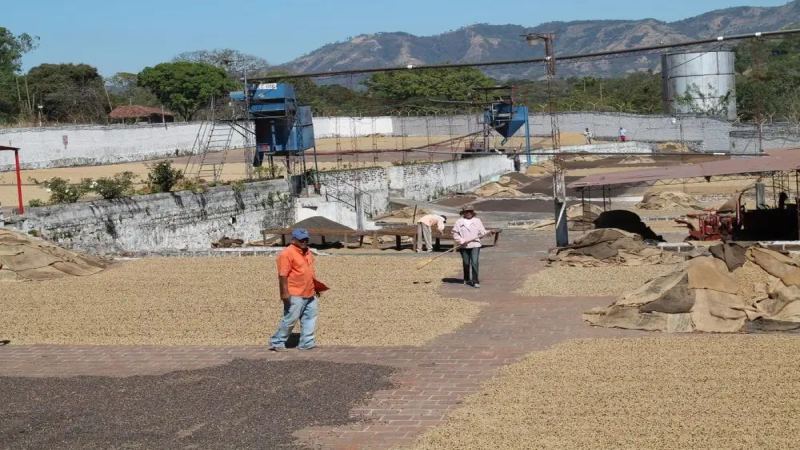
El Salvador was once the fourth-largest coffee-producing country in the world. Coffee arrived in 1880 and quickly replaced indigo as the main export crop, becoming the economic pillar that enriched a landowning elite tied to political power. By 1920 coffee made up 90 percent of exports, and by 1970 the country ranked fourth globally among producers.
The civil war from 1979 to 1992 ended that run. Land reform broke up large estates and redistributed land to landless workers, and today 95 percent of growers farm less than 20 hectares. The shift moved El Salvador from volume toward quality, laying groundwork for specialty coffee, while coffee cultivation continues to play a role in ecological conservation.
El Salvador was once the fourth-largest coffee-producing country in the world. After coffee was introduced in 1880, it quickly replaced indigo as the country's most important export crop and economic pillar. From the upper-class elite monopolizing land and political power, to the civil war triggering land reform, to today when 95% of growers operate on a small scale of less than 20 hectares, the Salvadoran coffee industry has undergone a profound transformation from quantity-driven to quality-driven. This article will review this turbulent history and explore how it laid the foundation for contemporary specialty coffee production, as well as the key role coffee cultivation plays in ecological conservation.
El Salvador was once the fourth-largest coffee-producing country in the world. In 1880, coffee was introduced into the country and quickly became the most important source of wealth for the upper class. Before coffee arrived, indigo—a plant-based dye—had been the main export product of El Salvador and Guatemala. However, after the 1880s, with the advent of cheaper synthetic dyes, the country's indigo export trade gradually shrank, and coffee replaced indigo to become El Salvador's largest export crop, earning substantial profits for small-scale landowners who owned large tracts of land.
These landowners were almost all closely connected to political power, including Salvadoran President Tomás Regalado, who at one point owned more than 6,000 hectares of land. Politicians habitually used their positions and the power of the military to force farmers to hand over land to their cronies, and even forced them to work on estates for low wages or without pay. The upper class invested heavily in infrastructure, enabling El Salvador's coffee industry to thrive and develop. However, it was not until many years later, when land was redistributed to landless farmers, that most people truly benefited from these investments.
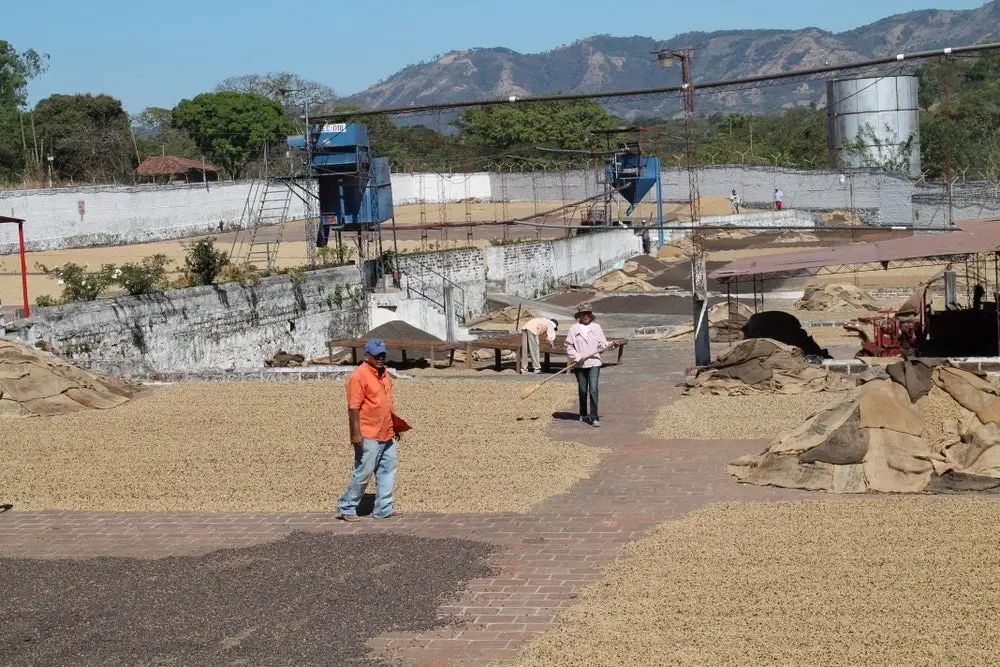
In 1920, coffee accounted for 90% of El Salvador's exports; by 1970, the country had risen to become the world's fourth-largest coffee producer. Unfortunately, the civil war from 1979 to 1992 destroyed El Salvador's status as an agricultural powerhouse.
In the coffee sector, one major consequence of this civil war was land reform: many large estates were broken up, and land was redistributed to landless workers. Today, 95% of coffee growers in El Salvador cultivate on less than 20 hectares of land.
El Salvador's long history as a major coffee-producing country has had a positive impact on its current coffee production. Unlike other countries, specialty coffee production requires substantial additional investment and training, but Salvadoran farmers have already mastered extensive and skilled cultivation techniques, and they are passionate about coffee production. Although the country's coffee production has declined significantly compared with the past, its coffee production model has shifted from quantity-driven to quality-driven.
A new generation of coffee producers has brought new production concepts and methods, and many are experimenting with new coffee varieties and processing methods. The widely beloved Pacamara and Pacas originated in this country, and they often win awards in coffee competitions.
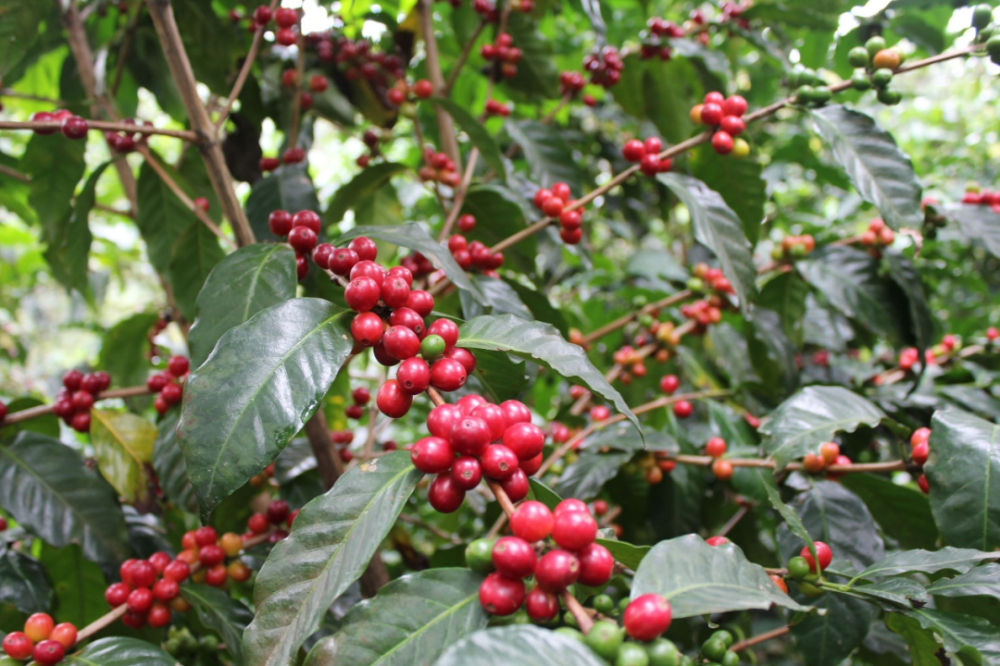
Due to urbanization, only 11% of the country's territory is currently covered by forest, of which 7% is coffee plantations. Although coffee is no longer the main driving force behind the country's economic development, it plays an excellent role in environmental protection. More than 90% of local coffee grows under shade trees, which can delay fruit ripening, promote the formation of internal sugars, maintain the diversity of local and migratory wildlife, recharge aquifers by storing water, and prevent soil erosion.
Disclaimer: Some images in this article are from the internet, and for some content on the website, such as images, we will respect the original author's copyright and indicate the source. However, due to the large quantity, there may be individual images or texts that have not yet been credited. Please forgive us. If the original author has any dispute, they may contact the website for handling, and once verified, we will correct it immediately. Compiled and edited by "Coffee Review vdailycom." Please indicate the source when reposting. This article is intended to spread coffee culture. If there is any infringement, please inform us for deletion. Thank you~!
The above content is compiled by CoffeeHunters, a coffee news website.


