







Search Results for: dry aroma and wet aroma
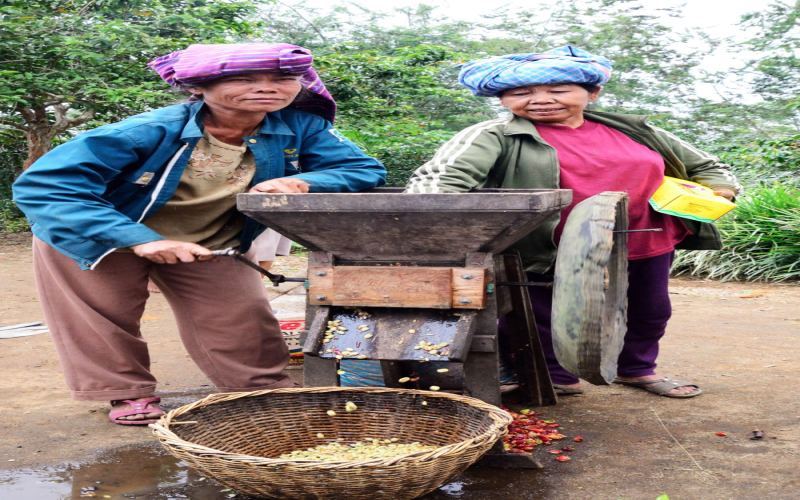
Analysis of Indonesia's Wet-Hulling Method: Comparing Peeled Sun-Dried and Honey Processing Techniques and Flavors
The green coffee bean processing method has a decisive influence on the final flavor. In addition to variety and origin, the processing method is also a key link in shaping coffee's personality. Currently, the mainstream methods include natural, washed, and the in-between semi-washed (wet-hulled), Brazilian pulped natural, and honey processing, among others. This article will provide a detailed explanation of three processes: Indonesian wet-hulled, pulped natural, and honey processing, covering their respective operational steps, flavor characteristics, roasting recommendations, and brewing parameters, and will combine bean examples from Front Street Coffee for cupping comparisons, helping readers systematically understand the taste differences brought by different processing methods. [more…]
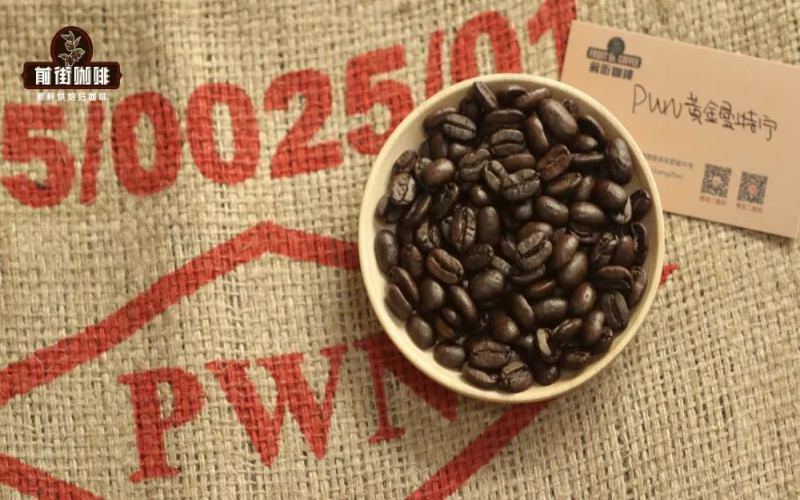
Why Is Wet-Hulling Used for Mandheling? A Detailed Explanation of the Process Characteristics and Flavor Origins of Indonesia's Wet-Hulling Method
As the darkest single-origin roast on Front Street Coffee's bean list, Mandheling is known for its solid, mellow body, low acidity, and distinctive musty aroma. Why is it that among beans of the same medium-dark roast level, only Mandheling carries this intriguing flavor? The answer lies in the wet-hulled processing method of Sumatra, Indonesia. Local humidity stays between 70 and 90 percent year-round, with annual rainfall exceeding 2000mm, and this harsh climate forced people to develop a unique semi-washed method—wet hulling. This article will break down the operational flow of wet hulling, how it differs from traditional washing, and how it shapes Mandheling's signature herbal notes, aged-wood flavor, and sense of place. [more…]
Exploring Indonesian Mandheling: How Wet-Hulling Creates Sumatra Coffee's Piney, Caramel, Herbal Flavors
Mandheling coffee stands out in the specialty coffee world with its thick body, low acidity, and distinctive herbal spice aroma. As the darkest-roasted pour-over single origin on Front Street Coffee's bean list, Front Street Mandheling and Front Street PWN Golden Mandheling captivate countless coffee lovers with their rich bitterness, steady sweet aftertaste, and signature earthy aroma. So why is it that among medium-dark roasts, only Mandheling carries this hard-to-replicate flavor? The answer lies in the humid climate of Sumatra, Indonesia, and a special processing method known as wet hulling. This article will take you through every step of wet hulling and reveal the true source of Mandheling's regional flavor. [more…]
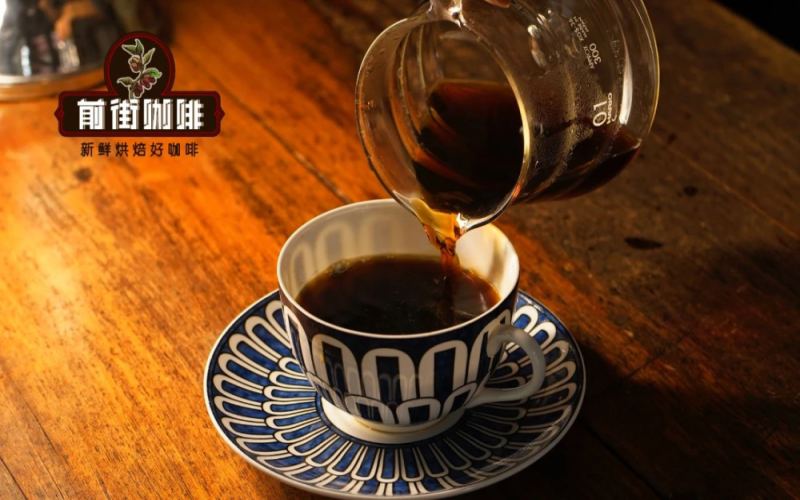
How Indonesia's Wet-Hulling Process Shapes the Unique Flavor of Mandheling: From Sumatra's Climate to the Causes of Sheep Hoof Beans
In the world of coffee, Indonesian Mandheling stands out with its solid, mellow body and unique herbal, woody aromas. Front Street Mandheling, the darkest-roasted single origin on the bean list, presents a character of low acidity, high body, and a long intertwining of bitter notes and sweetness. This highly recognizable flavor comes not only from the terroir of Sumatra's high-altitude growing regions, but more crucially from the region's unique wet-hulling process. This article will provide an in-depth analysis of the complete wet-hulling process, from the climatic background and semi-washed operation to the formation of the sheep's hoof bean, and explore how the humid environment, through mold and the Maillard reaction, ultimately creates Mandheling's signature funky aroma and regional taste. [more…]
Breaking Down the Entire Indonesian Wet-Hulling Process: Where Does the Unique Herbal Flavor of Golden Mandheling Come From?
Front Street Mandheling and Front Street PWN Golden Mandheling are the darkest-roasted pour-over single origins on the Front Street bean list, known for their rich, substantial body and distinctive herbal-spice flavors. Many people wonder: both are medium-dark roasts, so why is it only Mandheling that carries this aroma? The answer lies in the wet-hulling method of Sumatra, Indonesia. With high temperatures, abundant rain, and humidity that stays at 70–90% year-round, plus annual rainfall exceeding 2000mm, local farmers developed this semi-washed approach to shorten the processing cycle. From depulping, a brief fermentation, and drying in parchment, to hulling the seed coat once the moisture content drops to 30–50%, then continuing to dry down to 12%–15%, every step shapes its signature herbal, driftwood, and stuffy aromatics. This article will fully break down the specific steps of the wet-hulling method and explain how this unique regional flavor is formed. [more…]
How the Indonesian Wet-Hulled Method Shapes the Unique Flavor and Rich Mouthfeel of Mandheling Coffee
Mandheling coffee, as the darkest-roasted single-origin bean on Front Street Coffee's menu, is renowned for its rich, solid mouthfeel and distinctive stuffy aroma. It originates from Sumatra, Indonesia, where the hot, rainy climate has given rise to a unique semi-washed processing method—wet hulling. This technique removes the parchment from the coffee beans before they are fully dried, greatly shortening the processing cycle but also introducing more defects and flavor variability. It is precisely this interweaving of "roughness" and "contamination" that gives Mandheling its regional flavor—a blend of wood, spice, earth, and herbs. This article will take you through every stage of wet hulling and reveal the origins of Mandheling coffee's unique flavor. [more…]
Comparison of Semi-Washed and Wet-Hulled Processing: An Analysis of Flavor and Mouthfeel Differences Between Brazilian Coffee and Indonesian Mandheling
The coffee processing method directly affects the flavor in the cup. Semi-washed and wet-hulled methods represent the classic processing techniques of Brazil and Sumatra, Indonesia, respectively. The semi-washed method combines characteristics of both washed and natural processing, yielding a balanced flavor but slightly weaker intensity; the wet-hulled method, centered on shortening drying time, brings a rich, full-bodied, unique aroma interwoven with herbs and caramel, yet also makes green beans more susceptible to damage. In this article, Front Street Coffee will systematically compare the operational procedures and flavor expressions of the two processing methods, from bean selection, demucilaging, and sun-drying to hulling, helping coffee enthusiasts understand the essential differences between Brazilian semi-washed and Indonesian Mandheling wet-hulled coffee. [more…]
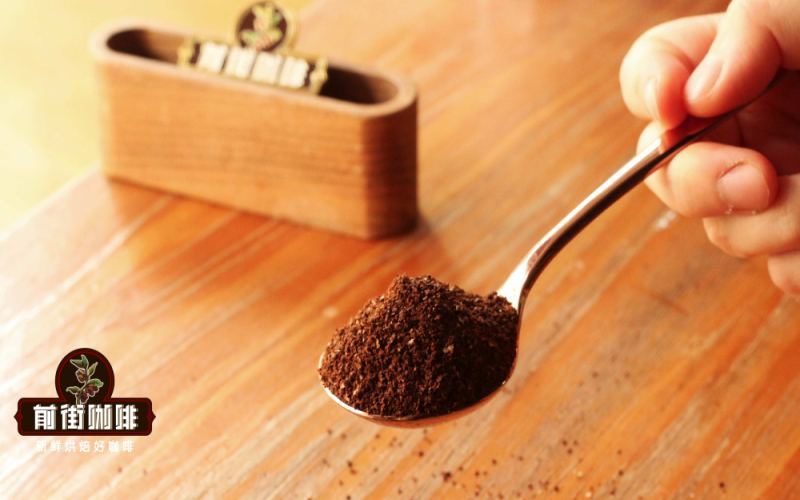
Where Does Coffee Aroma Come From: A Brief Discussion of the Chemical Components and Reaction Mechanisms Behind Roast Flavor
The allure of coffee often begins with that intoxicating whiff of aroma. Many people, even if they don't drink coffee regularly, are drawn to the dry fragrance released the moment the beans are ground. At Front Street Coffee's stores, we frequently encounter customers like this—who prefer the dry aroma of coffee grounds and the wet aroma of the brewed liquid over the taste on the palate. So, what exactly makes up coffee's aroma? And what reactions occur during roasting? This article will explore the over thousand volatile compounds in coffee, categorized into the enzymatic, caramelization, dry distillation, and defect groups, to analyze the difference between dry and wet aromas, and discuss why coffee often smells better than it tastes, guiding you to rediscover the flavors in your cup from both olfactory and gustatory perspectives. [more…]
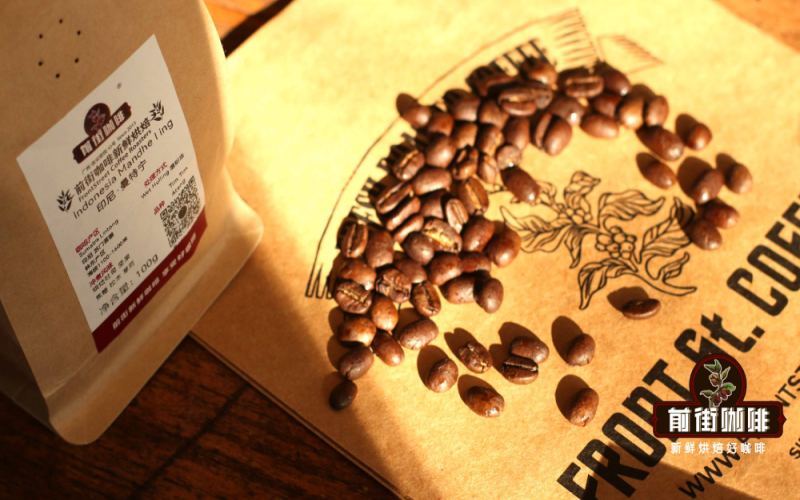
Indonesian Wet-Hulled Mandheling Coffee Bean Flavor Analysis: Toast, Nuts, Pine, Caramel, Herbs, Front Street Golden Mandheling Recommendation
If you're looking for a pour-over bean with a rich body and distinctive flavor, Front Street Indonesia Mandheling is worth your attention. Mandheling is known as "the world's fullest-bodied coffee," smooth on entry, with clear body and bitterness, low acidity yet with a lively hint of tartness, blending a rich aroma with a faint earthy fragrance. What makes it special is Indonesia's unique wet-hulling process, which is completely different from washed processing—from depulping, a short soak, first drying, collection, second drying, wet hulling, to final drying and storage—creating a bold and striking character. This article will also introduce the standout among Mandheling coffees—Front Street Golden Mandheling, sourced from Indonesia's PWN green bean company, with even greater richness and cleanliness in flavor. [more…]
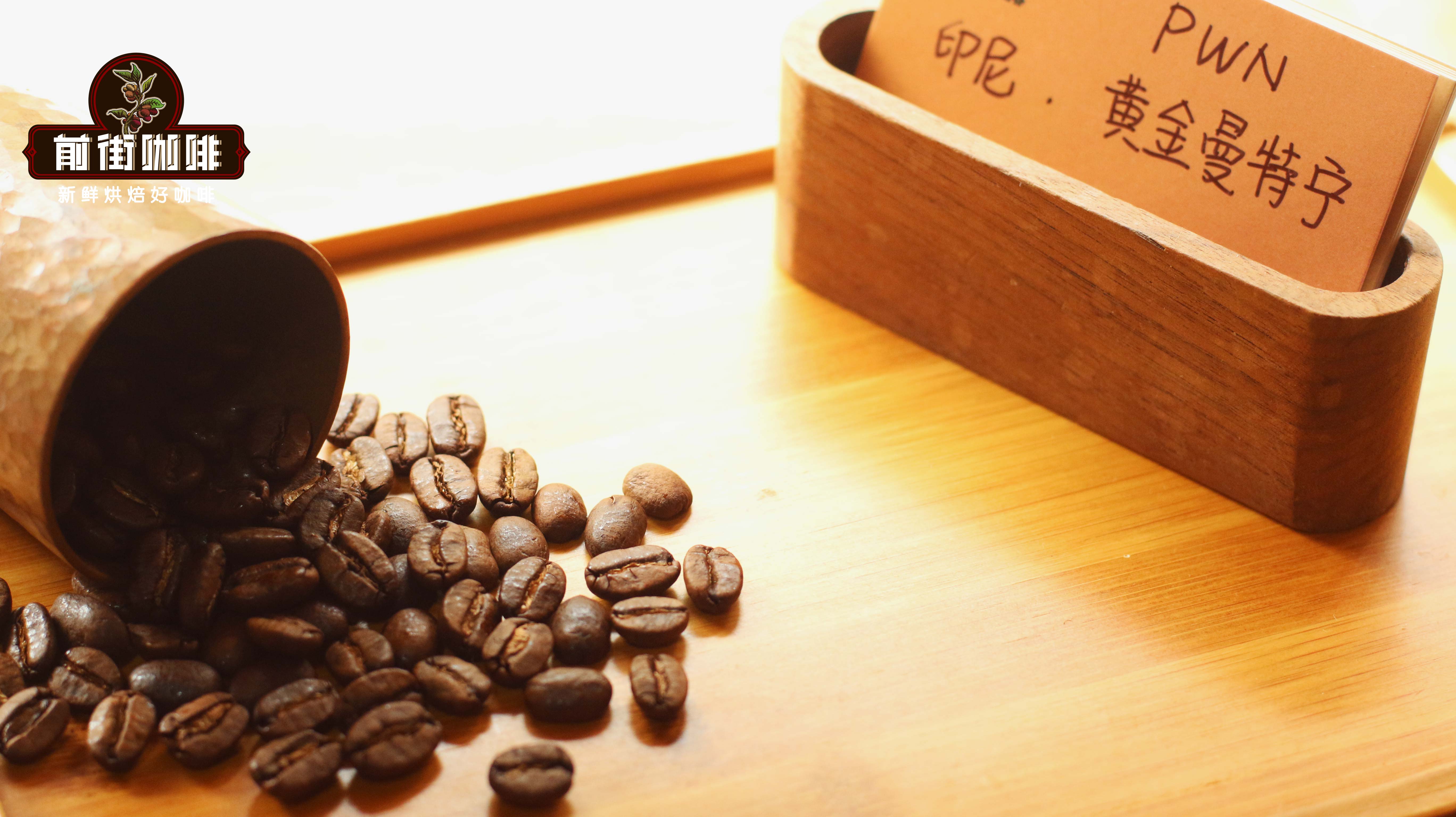
An Analysis of the Connection Between Wet-Hulled Coffee Bean Tasting Methods and Semi-Washed Drying Processes
Mandheling coffee is beloved for its rich, full-bodied mouthfeel and its unique herbal and aged-wood aromas, and behind this lies Indonesia's distinctive wet-hulling process. This article will begin with the origins of wet hulling, its processing flow, and its relationship to semi-washed drying, offering a detailed analysis of how this unique technique shapes Mandheling's low acidity, thick body, and muted aroma. At the same time, Front Street Coffee will share pour-over brewing parameters and techniques for Golden Mandheling, helping coffee lovers better appreciate this classic coffee. Whether you are a beginner just starting out or a seasoned connoisseur, you will find an option that suits you. [more…]
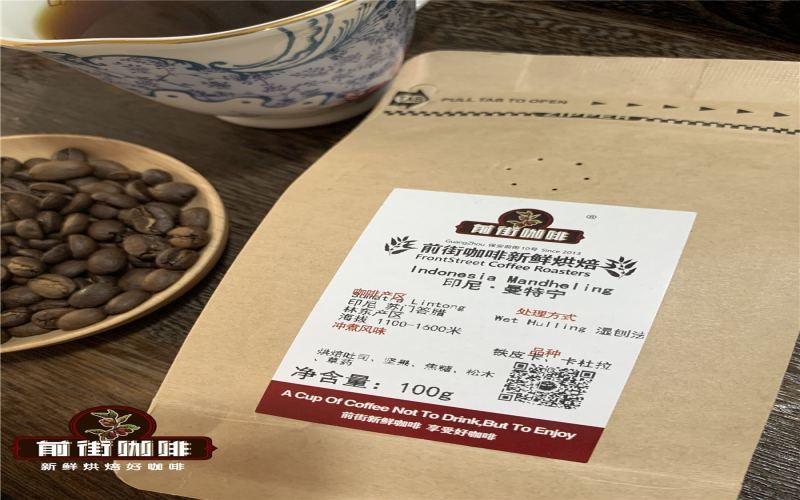
Analysis of Mandheling Wet-Hulled Flavor: Processing Flow, Differences from Wet-Processing, and Indonesian Coffee Grading
Mandheling coffee is well known for its herbal aroma, full body, and smoky notes, and the root of this distinctive flavor lies in the wet-hulling method used locally in Indonesia. What exactly makes wet-hulling so special? How does it differ from the conventional washed process? Why did Indonesia develop this processing method? This article will walk through the complete wet-hulling process, analyze the causes of Mandheling's signature flavor, and explain the grading system for Indonesian green coffee beans. At the same time, it retains information on two Mandheling products regularly sold by Front Street Coffee, including a daily-drinker bean from the Lintong region and PWN Golden Mandheling from the Aceh region, for coffee lovers' reference. [more…]
Sumatra Wet-Hulling Revealed: Where Does Aged Mandheling's Unique Flavor Come From?
Sumatra Mandheling coffee from Indonesia has always been loved as the darkest-roasted bean on Front Street Coffee's menu, with a full body and low acidity. Behind its unique musty aroma, herbal notes, and aged-wood character, what secret is actually hidden? The answer is inseparable from the local hot, rainy environment and the distinctive wet-hulling process. This article will start from the growing conditions of Front Street Mandheling, analyze each stage of the wet-hulling process, explain the relationship between peaberry beans, defect rates, and a sense of place, and further introduce the aging process and time requirements of Aged Mandheling, giving you a complete understanding of this highly recognizable coffee. [more…]
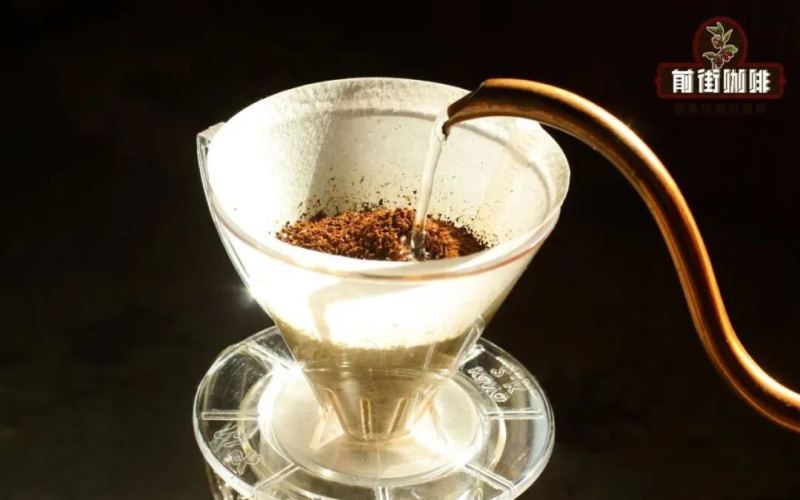
Coffee Processing Methods | What Is Wet Hulling? How Does It Differ from Traditional Washed Processing? How Does Wet Hulling Affect Coffee Flavor?
After guests come to Front Street and order a cup of Golden Mandheling coffee, they will ask out of curiosity. Why do most Indonesian coffee beans use the wet-hulled process rather than the washed process or the natural process? In this article, Front Street will explain what the wet-hulled process is. What is the wet-hulled process? Wet-hulling, also [more…]
A Complete Guide to Indonesia's Wet-Hulling Method: The Unique Flavor of Golden Mandheling and the Full Processing Steps
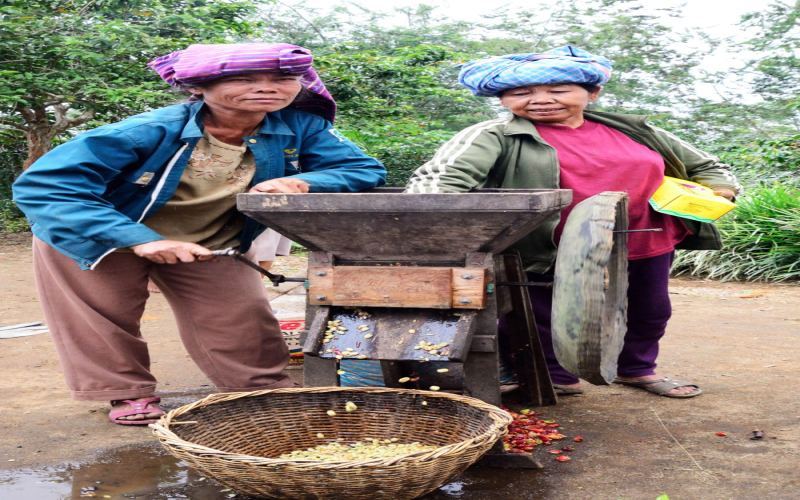
Wet Hulling is a green coffee processing method unique to the Indonesian region, known locally as Giling Basah and often classified as a semi-washed method. Its biggest difference from the washed method is this: the washed method keeps the parchment for sun-drying, whereas wet hulling removes the parchment by machine after partial drying, then completes the final drying. This processing method gives Mandheling a low-acid, thick, herb-and-spice-forward flavor, and also creates the green beans' distinctive "sheep's hoof" appearance. Front Street Coffee will use PWN Golden Mandheling as an example to break down the seven steps of wet hulling in detail, along with practical roasting and brewing records, to help you fully understand the ins and outs of this Indonesian classic coffee. [more…]

How Does Indonesia's Wet-Hulled Process Differ from Washed Processing? A Detailed Explanation of the Unique Processing Method and Flavor Formation of Mandheling Coffee
Indonesian wet-hulling is a method of processing green coffee beans that differs from traditional washed processing. Its core feature is that the parchment (endocarp) is removed before the coffee beans are fully dried, thereby greatly shortening the drying period. The birth of this process is closely related to Indonesia's climate conditions of year-round high temperatures and humidity and insufficient sunlight. This article will systematically outline the complete wet-hulling process, compare its differences with washed processing, and analyze the reasons behind the formation of Mandheling coffee's signature full body, caramel aroma, and "sheep-hoof bean" appearance, helping coffee enthusiasts gain a deeper understanding of the value and flavor expression of this unique processing method. [more…]
A Complete Guide to Mandheling Coffee Varieties: From Lintong to Aged, Understanding Sumatra's Classic Flavors
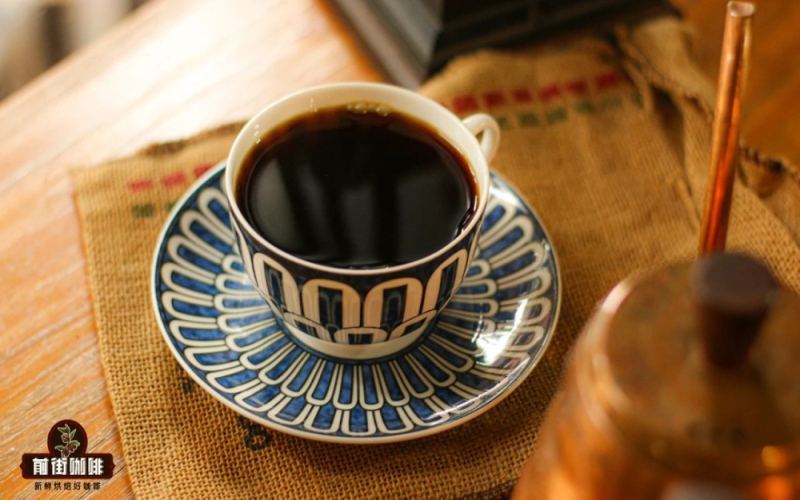
Mandheling coffee is a classic representative of Sumatra, Indonesia, known for its full body, low acidity, and rich, mellow aroma. However, many coffee enthusiasts are unaware that the Mandheling commonly found on the market actually comes in several varieties: Lintong Mandheling, Golden Mandheling, Tiger Mandheling, Aged Mandheling, and the more recently introduced Natural Mandheling. Each comes from different growing regions, uses different processing methods, and has its own distinctive flavor profile. The five Mandheling coffees offered by Front Street Coffee happen to cover these types. This article will systematically sort out the classification, origins, processing methods, and brewing suggestions for Mandheling, helping readers more clearly identify which one is in their cup when drinking, and understand why Golden Mandheling commands a higher price and is produced in smaller quantities. [more…]
From Dry Aroma to Aftertaste: A Detailed Explanation of the Complete Single-Origin Coffee Cupping Process and Flavor Evaluation Logic
In the world of specialty coffee, flavor is the core dimension by which quality is measured. Different origins, varieties, and processing methods interweave to create an ever-changing spectrum of taste—the citrus and floral notes of washed Yirgacheffe, the balanced smoothness of washed Blue Mountain, the herbal and spicy aromas of wet-hulled Mandheling, to name but a few. Front Street Coffee has always made cupping a key part of its daily quality control, using it to distinguish flavor differences between batches. Whether you buy beans, sell beans, or roast them, cupping is an indispensable evaluation tool—it allows you to compare batches, sketch out flavor profiles, and pinpoint defects in green beans and roasting. This article will break down the common cupping terminology and key operational points one by one, from aroma, acidity, flavor, and body to aftertaste, helping you build a systematic tasting language. [more…]
An In-Depth Analysis of Sumatra's Wet-Hulled Process: Its Essential Differences from Conventional Wet Processing and the Origins of Mandheling's Flavor
The wet-hulling method of Sumatra, Indonesia is a highly unique coffee processing technique that stands out distinctly in coffee production. This article will compare in detail the differences between wet-hulling and conventional wet processing, and explain the origins of Mandheling coffee's low acidity, thick body, and distinctive earthy aroma from multiple perspectives, including climatic conditions, processing procedures, and green bean appearance. At the same time, the article will also share Front Street Coffee's recommendations for Mandheling beans and pour-over extraction techniques, helping coffee enthusiasts better understand and appreciate this one-of-a-kind coffee. [more…]
Indonesian Sumatra Mandheling Pour-Over Techniques: How the Wet-Hulling Process Shapes Its Unique Flavor and an Analysis of Its Producing Regions
Mandheling coffee, with its full-bodied mouthfeel and unique flavor, enjoys polarized reviews within the coffee community—those who prefer acidity often keep their distance, while enthusiasts who dislike acidity are particularly fond of it. This distinct character stems from the unique wet-hulling method native to Sumatra, known in Indonesian as "Giling Basah." The wet-hulling process removes the parchment layer before the coffee beans are fully dried; although it increases processing risks, it unexpectedly imparts a jungle-like aroma interwoven with herbal, spice, and woody notes. This article will guide you through Mandheling's growing regions, the specific steps of wet-hulling, and how to present its classic flavors using a moka pot or pour-over method, while also introducing the product features and brewing suggestions for Front Street Indonesia Mandheling and Front Street PWN Golden Mandheling. [more…]
A Complete Guide to Sumatra Mandheling Coffee: Flavor and Mouthfeel Comparison of Golden, Lintong, Tiger, Aged, and Natural
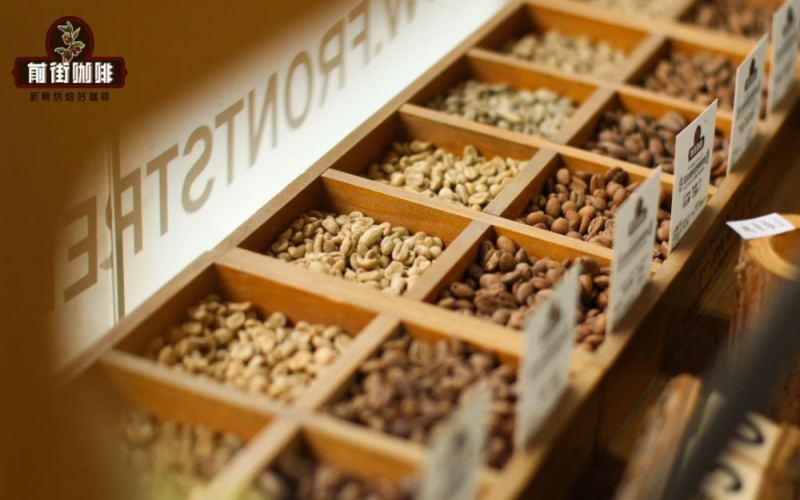
Sumatra Mandheling coffee from Indonesia is famous for its low acidity, full body, and herbal and spicy notes, making it a favorite among many seasoned coffee enthusiasts. Front Street Coffee currently offers five Mandheling coffees, including Golden Mandheling, Lintong Mandheling, Tiger Mandheling, Aged Mandheling, and Sun-Dried Mandheling, each with distinctly different flavor profiles and processing details. This article will outline the regional context of Sumatra coffee, unravel the connection between Golden Mandheling and PWN Company, explain how the wet-hulling process shapes Mandheling's signature mouthfeel, and introduce the origin, variety, processing method, and cupping performance of each of the five beans one by one, finally attaching Front Street's brewing parameter recommendations for coffee enthusiasts' reference. [more…]